
Skip to content
GK24

9 October 2026 Current Affairs: Khadi

30 updates· 50 MCQsLast updated

The current affairs for 9 October 2026 cover 30 stories and 107 practice questions. The edition covers Important Days, Economy, International, National, Government Schemes, State News, Defence, Science & Technology, Summits & Conferences, Reports & Indices. Every fact is drawn from an official government release, and each article cites the release it came from. Candidates preparing for SSC, Banking, UPSC, Railway and State exams can use the one-liners below for a quick revision of the day.

Quiz of the day25 questions · 25 minutesStart Quiz

Top Headlines

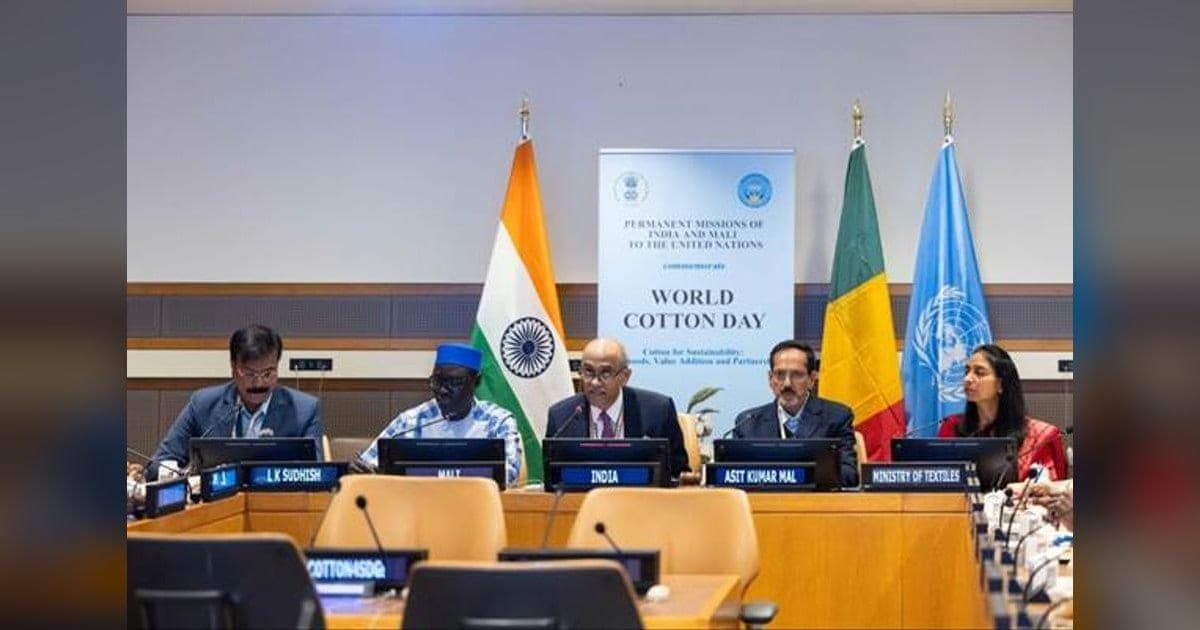
  1. World Cotton Day Marked by India and Mali at UN Headquarters
  2. Singapore, India’s Top FDI Source, Hosts Sitharaman Visit
  3. Coal Supply to Power Plants Rises 36% From September Low
  4. 15th AITIGA Joint Committee Meeting Held in Jakarta
  5. Health Ministry Proposes Curbs on Prescription Drug Advertising
  6. Khadi: NIFT Centre of Excellence Builds 2,129 Design Collections
  7. National Medical Library Holds 5th ERMED Consortium Conference
  8. CTIL Marks 9th Anniversary, Releases Trade Magazine
  9. TRAI Issues Draft DRM Audit Manual for Cable and IPTV Services
  10. PM Mementos E-Auction Lists 18 Andhra Pradesh Craft Gifts
  11. NLMC Invites Bids for 5.119-Acre HIL Land Parcel in New Delhi
  12. CDS Opens Project Seabird Phase IIA Housing at Karwar
  13. NHRC to Mark 33rd Foundation Day on 12 October 2026
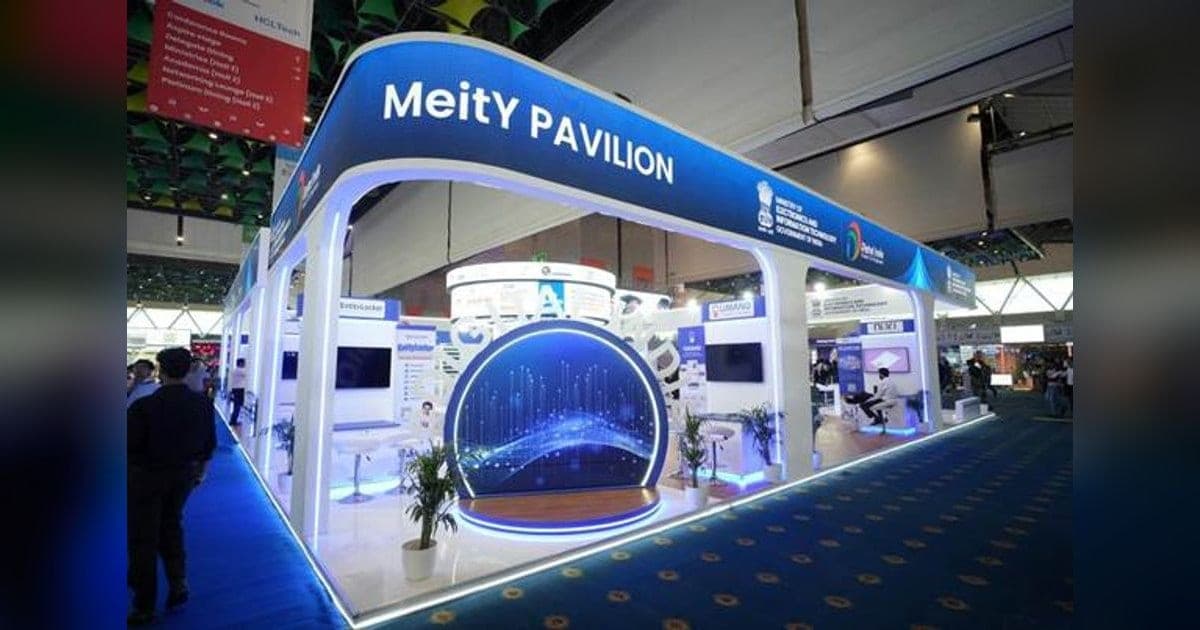
  14. MeitY Pavilion at IMC 2026 Shows Digital India Platforms
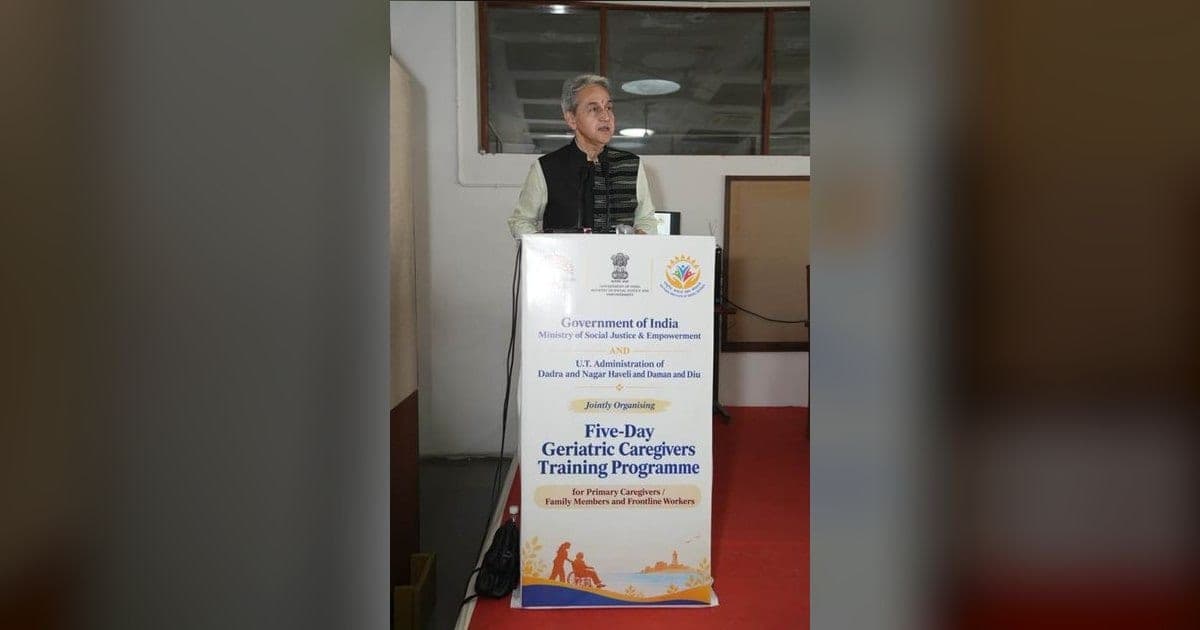
  15. NISD Begins Five-Day Geriatric Care Training in Diu
  16. PM Chairs National Summit on Women and Child Development
  17. Rajya Sabha Panel Tables 382nd Report on NTA Reforms
  18. NSO Releases Draft Guideline for Expenditure-Side GSDP
  19. India Finishes 10th at 48th WorldSkills Competition
  20. Milton Dick Elected IPU President at 153rd Assembly

One-liner Current Affairs

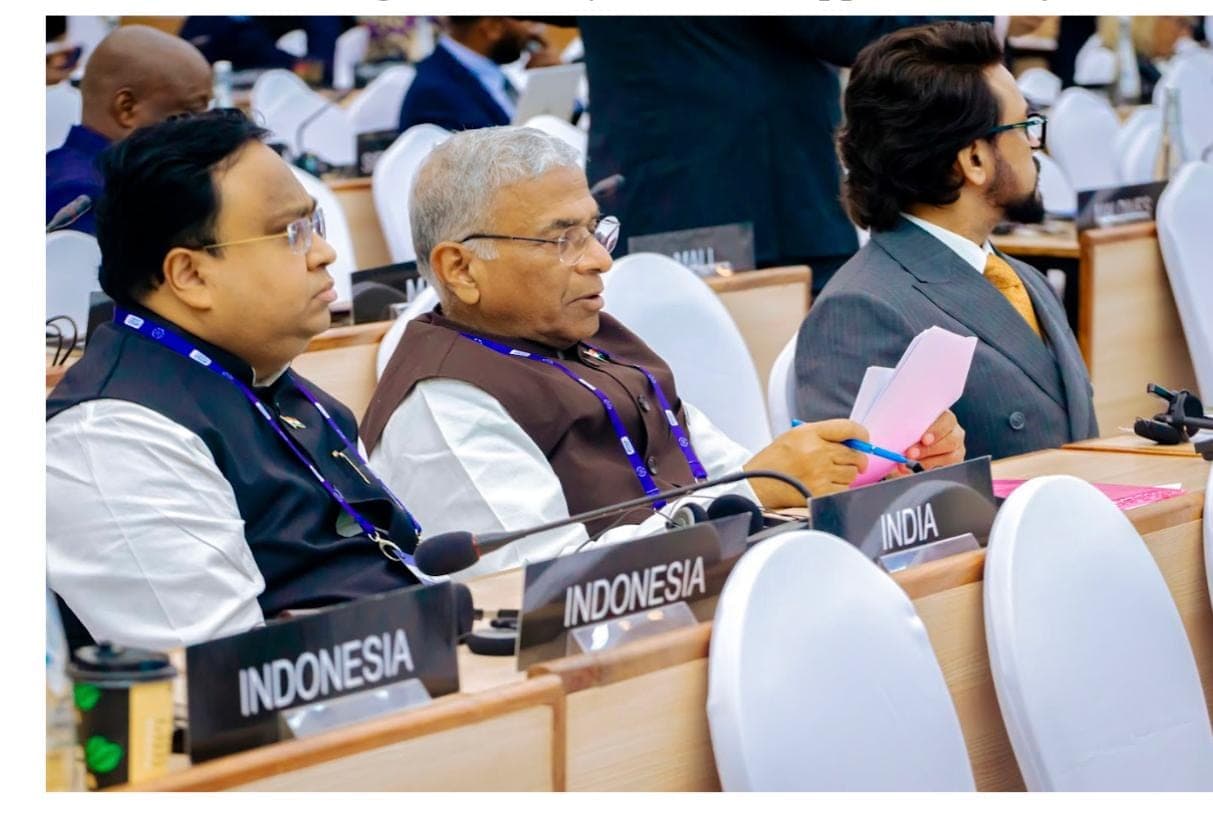
  • India and Mali jointly organised a World Cotton Day event at the United Nations Headquarters in New York on 7 October 2026, on the theme "Cotton for Sustainability: Livelihoods, Value Addition and Partnership".
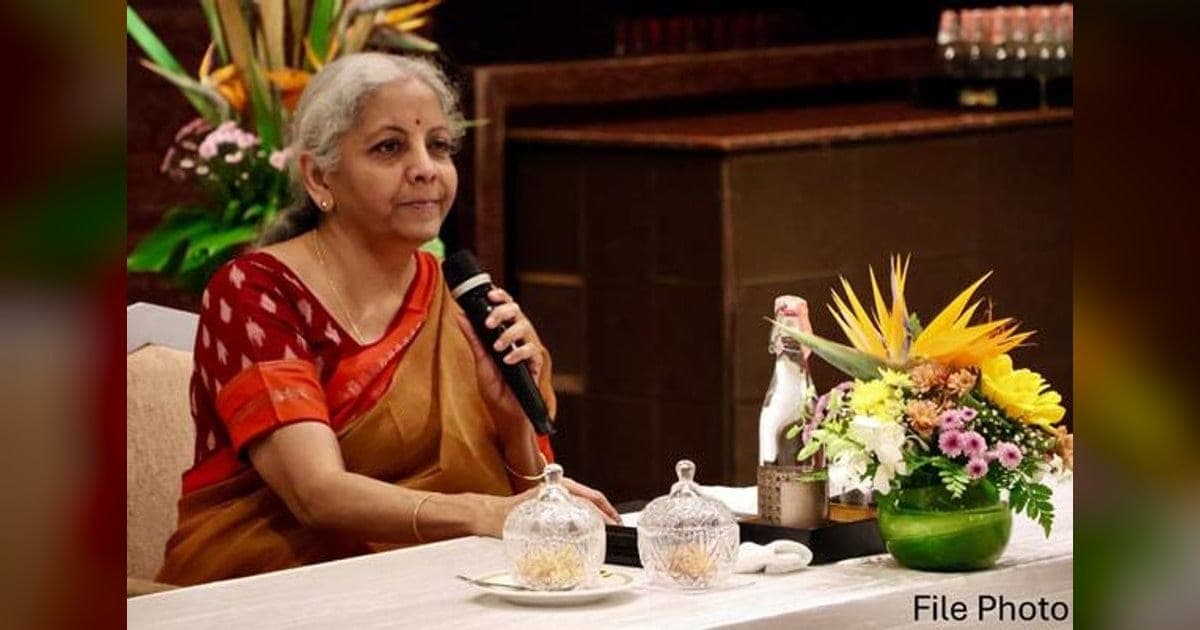
  • Union Finance and Corporate Affairs Minister Nirmala Sitharaman is on an official visit to Singapore from 9 to 11 October 2026.
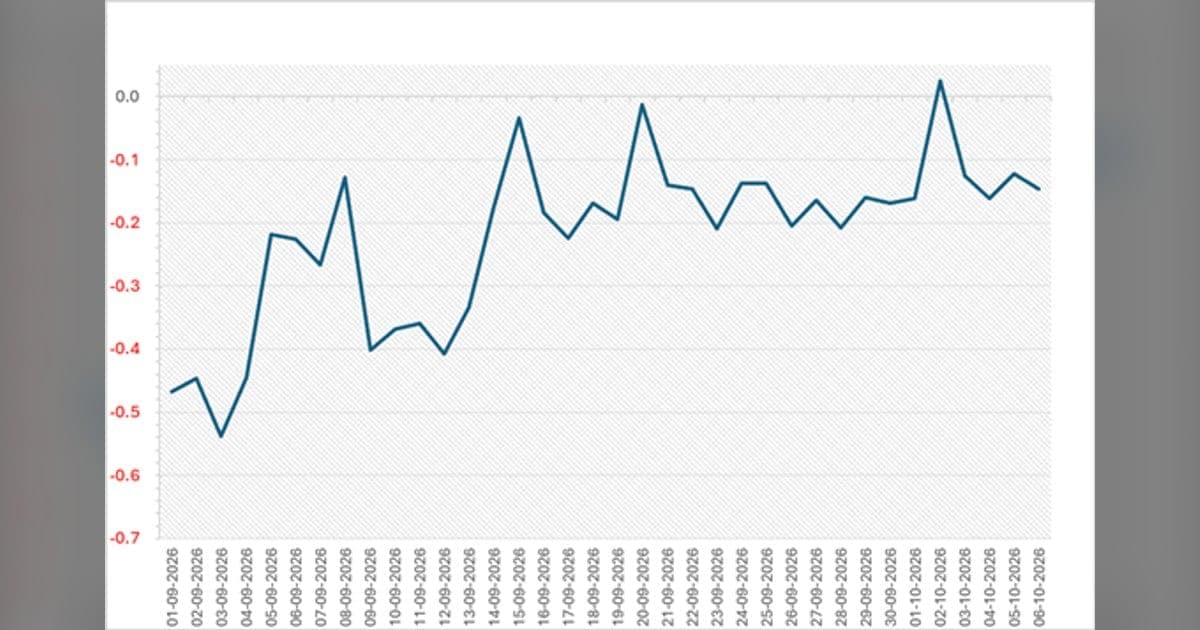
  • Daily coal supplies to the power sector are about 36% above the September trough, and the October average is around 9% higher than September.
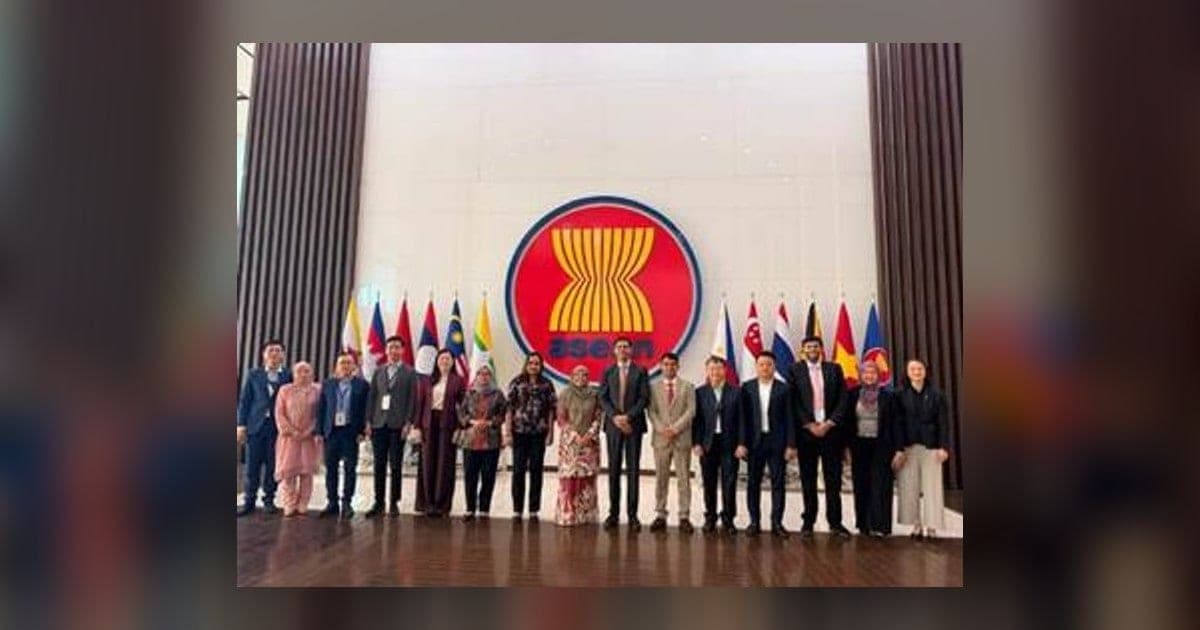
  • The 15th AITIGA Joint Committee was hosted by ASEAN at the ASEAN Secretariat in Jakarta, Indonesia, from 6 to 9 October 2026 in hybrid format.
  • The Health Ministry has proposed amending the Drugs Rules, 1945 to extend advertising restrictions on Schedule H, H1 and X medicines to retailers, wholesalers and distributors.
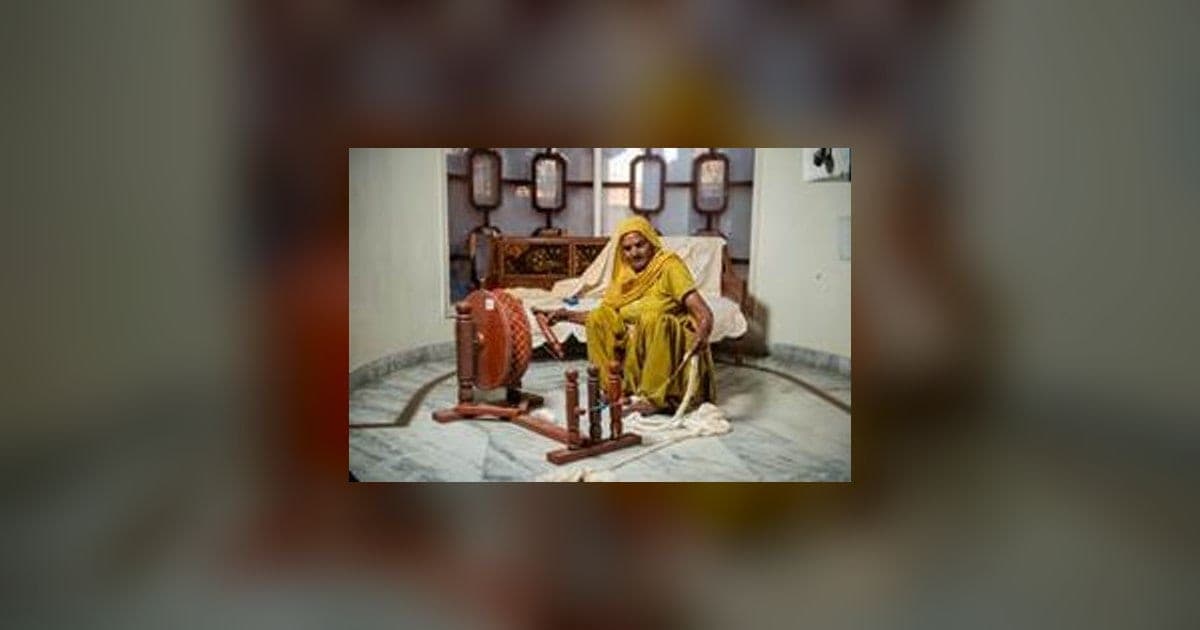
  • The Centre of Excellence for Khadi at NIFT, Delhi has developed 2,129 Khadi design collections, while Navyug Khadi was launched with 710 new products.
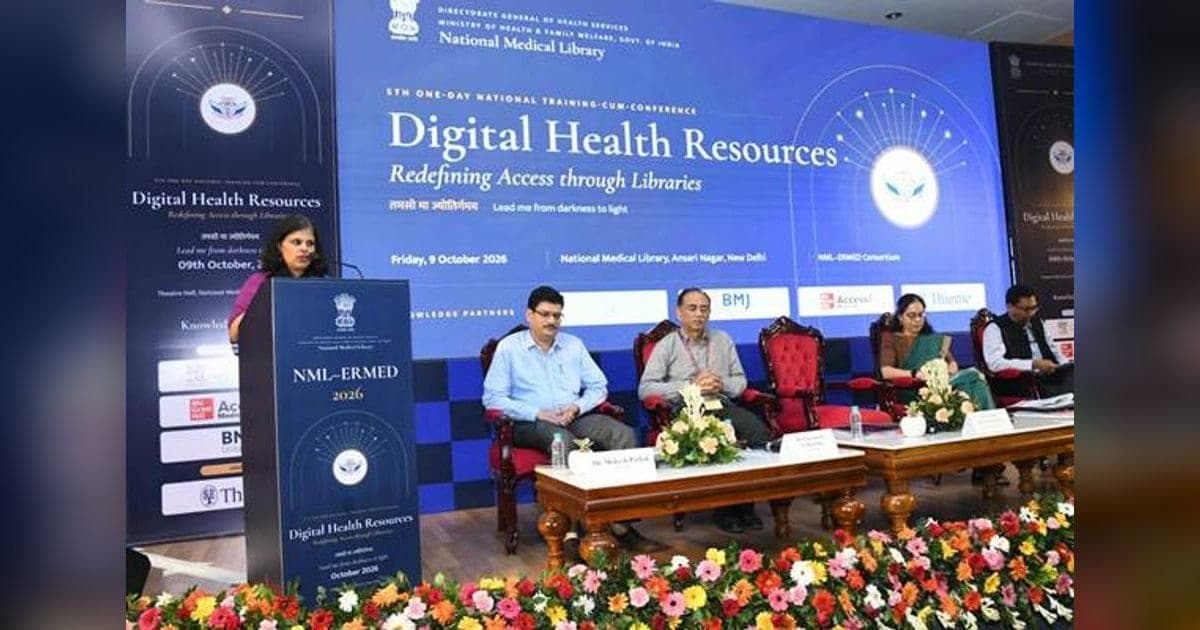
  • The National Medical Library, under DGHS in the Health Ministry, held the 5th One-Day National Training-cum-Conference on the ERMED Consortium in New Delhi.
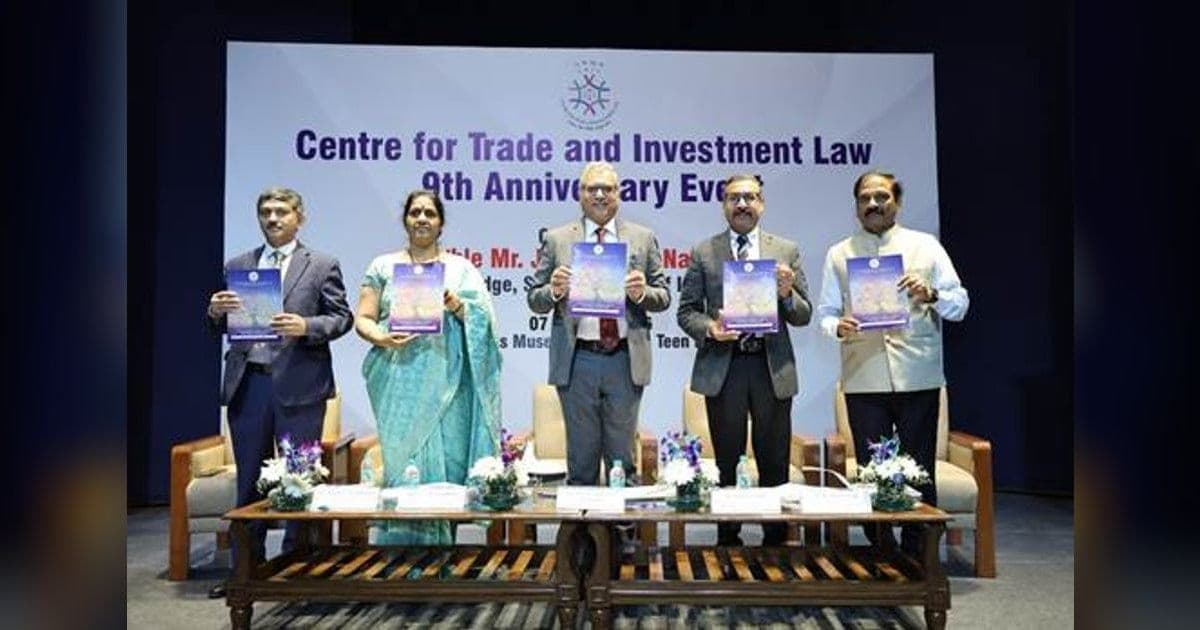
  • The Centre for Trade and Investment Law marked its ninth anniversary at the Prime Minister's Museum and Library, New Delhi, on 7 October 2026.
  • TRAI has issued the Draft DRM-based Digital Addressable Systems Audit Manual, 2026 and sought comments from stakeholders
  • Eighteen mementos presented to the Prime Minister from Andhra Pradesh are part of the PM Mementos e-auction run by the Ministry of Culture
  • NLMC has invited bids to monetise a 5.119-acre freehold land parcel of HIL (India) Limited at Najafgarh Industrial Area in New Delhi
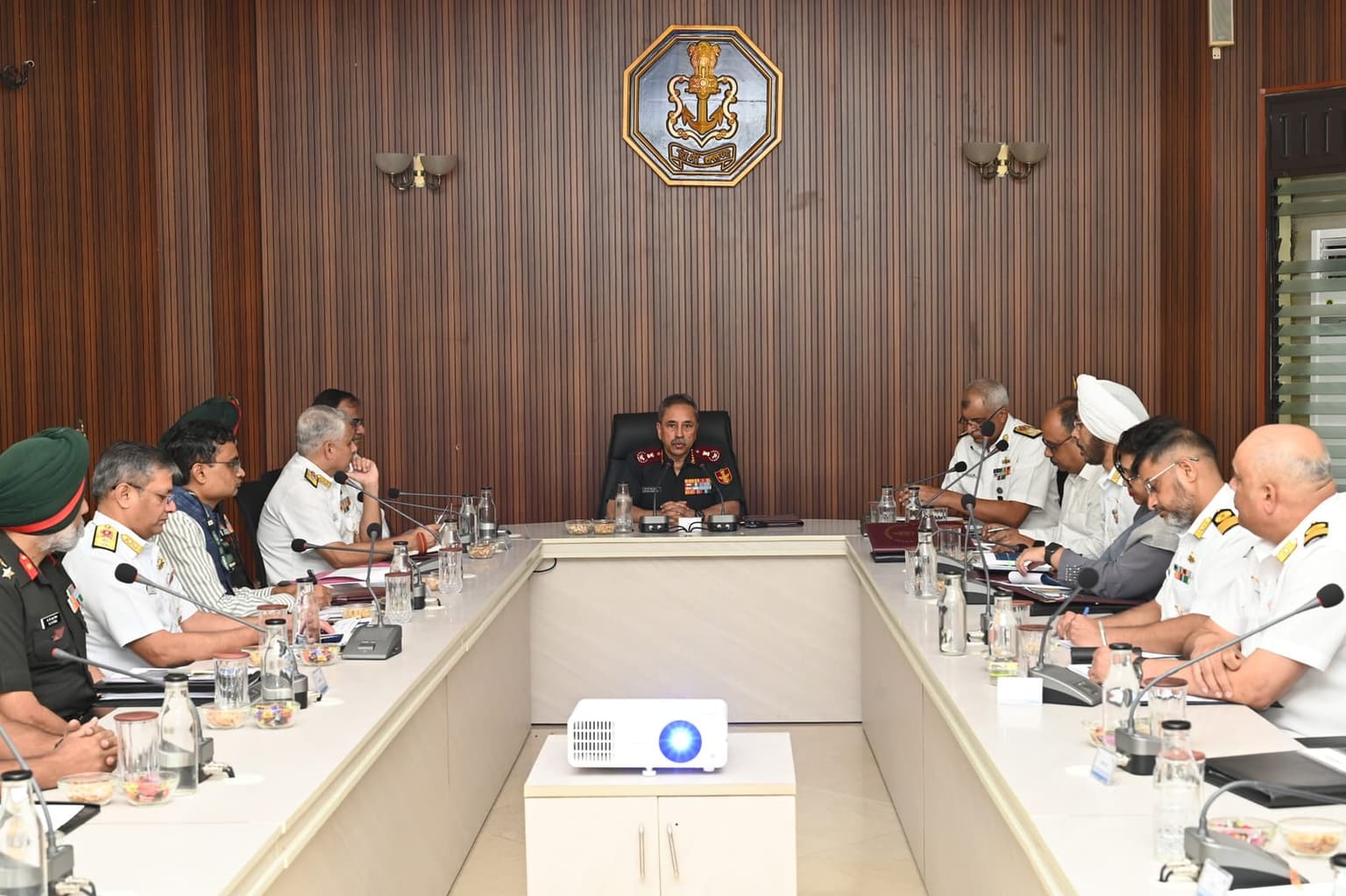
  • General NS Raja Subramani, Chief of Defence Staff and Secretary, Department of Military Affairs, inaugurated Project Seabird Phase IIA housing at Naval Base Karwar on 8 October 2026.
  • The National Human Rights Commission, India will celebrate its 33rd Foundation Day at Vigyan Bhawan, New Delhi, on 12 October 2026.
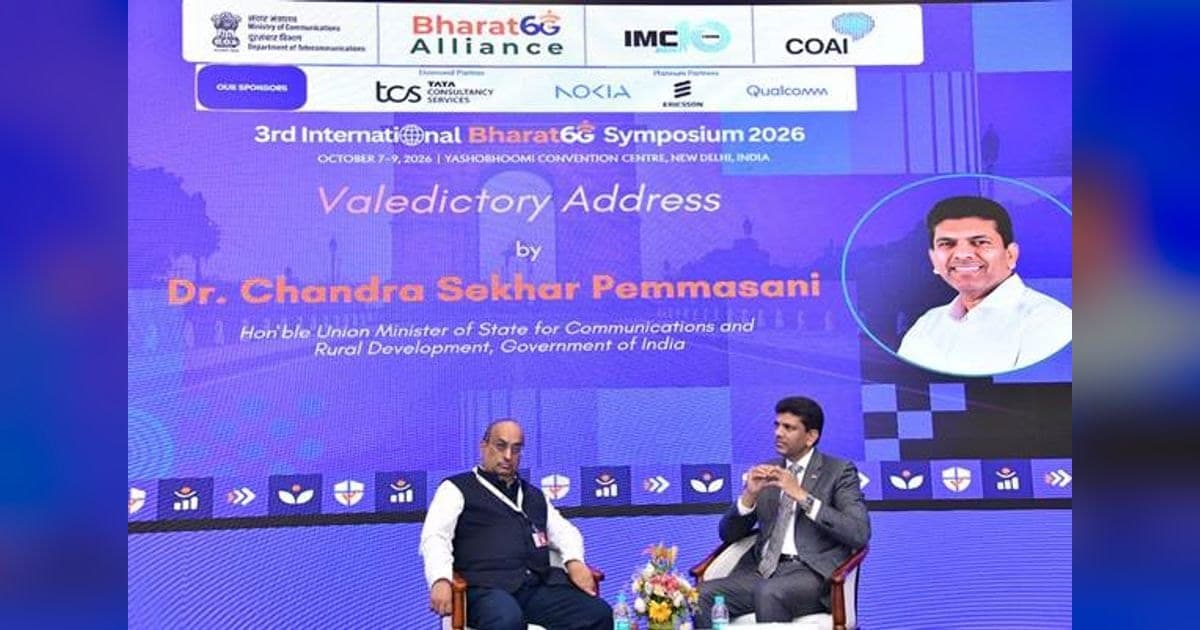
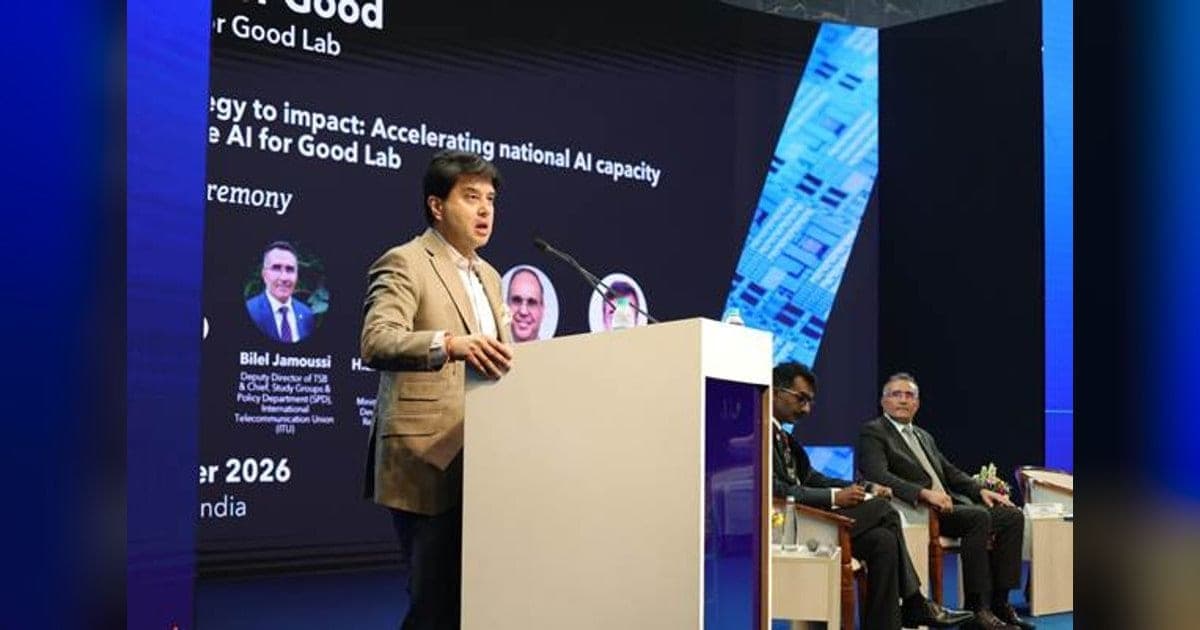
  • The 10th India Mobile Congress 2026 opened at Yashobhoomi, New Delhi, on 7 October 2026 and runs to 10 October, on the theme Scale Without Boundaries.
  • Union Secretary, Ministry of Social Justice and Empowerment, Shri Sudhansh Pant inaugurated a five-day Geriatric Care Training Programme at the Education Hub, Kevdi, Diu, on 9 October 2026.
  • Prime Minister Narendra Modi chaired the valedictory session of the two-day National Departmental Summit on Women and Child Development at Sushma Swaraj Bhawan, New Delhi
  • The 382nd report, on "Reforms and Strengthening of the National Testing Agency", was presented to the Rajya Sabha Chairman on 9 October 2026
  • The National Statistics Office under MoSPI released a draft guideline for compiling GSDP estimates from the expenditure side, with base year 2022-23
  • Prime Minister Narendra Modi interacted with the WorldSkills Shanghai 2026 Team India contingent at 7, Lok Kalyan Marg, New Delhi, on 9 October 2026
  • Milton Dick, Speaker of the House of Representatives of Australia, was elected President of the Inter-Parliamentary Union on 9 October 2026

National

View all →

International

View all →

Science & Technology

View all →

Government Schemes

View all →

Important Days

View all →

Reports & Indices

View all →

Summits & Conferences

View all →

State News

View all →

Today's MCQs

Q4.General ScienceMedium

The quantity of electricity known as one faraday is approximately

  1. A.9,650 coulombs
  2. B.96,500 coulombs
  3. C.1,600 coulombs
  4. D.6,023 coulombs
Show answer
Correct answer: B. 96,500 coulombs

One faraday is the charge carried by one mole of electrons, obtained by multiplying the charge on a single electron by the Avogadro number, and it comes to about 96,500 coulombs; passing one faraday through an electrolyte liberates one gram equivalent of the substance at an electrode.

Q6.General ScienceMedium

In the electrolysis of brine, that is a concentrated solution of common salt, the gas liberated at the anode is

  1. A.hydrogen
  2. B.oxygen
  3. C.chlorine
  4. D.carbon dioxide
Show answer
Correct answer: C. chlorine

In the chlor-alkali process a concentrated solution of sodium chloride is electrolysed; chloride ions are oxidised at the anode and come off as chlorine gas, hydrogen is set free at the cathode, and sodium hydroxide remains in the solution, which is why the industry yields three useful products at once.

Q7.General ScienceEasy

Which of the following is a secondary cell?

  1. A.Dry cell
  2. B.Lead-acid cell
  3. C.Daniell cell
  4. D.Mercury button cell
Show answer
Correct answer: B. Lead-acid cell

Its reaction is reversible, so passing a current through it in the opposite direction converts the products back into lead and lead dioxide and the cell can be used again; such a cell is called a secondary or storage cell, and the car battery is the common example.

Q8.General ScienceMedium

In a common dry cell, the anode is made of

  1. A.copper
  2. B.graphite
  3. C.zinc
  4. D.manganese dioxide
Show answer
Correct answer: C. zinc

In the Leclanche dry cell the outer container itself is made of zinc and acts as the anode, being oxidised to zinc ions as the cell works, which is why an old cell often leaks when the container is eaten through.

Q9.General ScienceMedium

The electrolyte used in a lead-acid storage battery is

  1. A.dilute sulphuric acid
  2. B.concentrated nitric acid
  3. C.a paste of ammonium chloride
  4. D.potassium hydroxide solution
Show answer
Correct answer: A. dilute sulphuric acid

The lead-acid cell has a spongy lead negative plate and a lead dioxide positive plate dipped in dilute sulphuric acid, and as the cell discharges both plates turn to lead sulphate while the acid becomes weaker, which is why its state of charge can be judged from the specific gravity…

Q16.GeographyMedium

India is divided into how many seismic zones under the seismic zoning map of the Bureau of Indian Standards?

  1. A.Three, numbered I to III
  2. B.Four, numbered II to V
  3. C.Five, numbered I to V
  4. D.Six, numbered I to VI
Show answer
Correct answer: B. Four, numbered II to V

The earlier Zone I was merged with Zone II, so the map now runs from Zone II, of low hazard, to Zone V, of the highest hazard, which covers Kutch, the Andaman and Nicobar Islands, most of the North-East, parts of northern Bihar and parts of the western Himalaya.

Q18.GeographyEasy

Who is the ex officio Chairperson of the National Disaster Management Authority?

  1. A.The President of India
  2. B.The Union Home Minister
  3. C.The Prime Minister of India
  4. D.The Cabinet Secretary
Show answer
Correct answer: C. The Prime Minister of India

Under the Disaster Management Act, 2005 the Prime Minister is the Chairperson of the NDMA, which may have other members not exceeding nine, one of them designated Vice-Chairperson; the parallel offices are held by the Chief Minister in a State Authority and the District Magistrate in a District Authority.

Q19.GeographyMedium

A State Disaster Management Authority is chaired by

  1. A.the Governor of the State
  2. B.the Chief Minister of the State
  3. C.the Chief Secretary of the State
  4. D.the Revenue Minister of the State
Show answer
Correct answer: B. the Chief Minister of the State

The Disaster Management Act, 2005 makes the Chief Minister the ex officio Chairperson of the State Disaster Management Authority, just as the Prime Minister heads the national Authority; in a Union Territory the Lieutenant Governor or the Administrator takes that place.

Q20.GeographyMedium

India's tsunami early warning centre is located at

  1. A.Chennai
  2. B.Hyderabad
  3. C.New Delhi
  4. D.Port Blair
Show answer
Correct answer: B. Hyderabad

After the Indian Ocean tsunami of 26 December 2004 the country set up a tsunami early warning centre at the Indian National Centre for Ocean Information Services, which works at Hyderabad under the Ministry of Earth Sciences and uses a network of seismic stations, bottom pressure recorders and tide gauges…

Q21.GeographyMedium

The Sendai Framework for Disaster Risk Reduction was adopted in which year, and which framework did it replace?

  1. A.2005, replacing the Yokohama Strategy
  2. B.2015, replacing the Hyogo Framework for Action
  3. C.2010, replacing the Kyoto Protocol
  4. D.2020, replacing the Paris Agreement
Show answer
Correct answer: B. 2015, replacing the Hyogo Framework for Action

The Sendai Framework for Disaster Risk Reduction 2015 to 2030 was adopted at the Third United Nations World Conference held at Sendai in Japan in 2015, and it took the place of the Hyogo Framework for Action of 2005 to 2015, which had itself been adopted in Japan at Kobe…

Q22.GeographyEasy

A tropical cyclone generally forms over a sea surface whose temperature is above

  1. A.15 degrees Celsius
  2. B.20 degrees Celsius
  3. C.27 degrees Celsius
  4. D.40 degrees Celsius
Show answer
Correct answer: C. 27 degrees Celsius

A tropical cyclone is driven by the latent heat released when water vapour condenses, so it needs a large warm ocean surface of at least about 27 degrees to supply enough moisture, along with sufficient Coriolis force, which is why cyclones do not form within about five degrees of the…

Q23.GeographyMedium

In India, flood forecasting and warning is the responsibility of which organisation?

  1. A.The Central Water Commission
  2. B.The Geological Survey of India
  3. C.The Indian National Centre for Ocean Information Services
  4. D.The National Institute of Disaster Management
Show answer
Correct answer: A. The Central Water Commission

It maintains forecasting stations on the major rivers and issues level and inflow forecasts to the State authorities, working with the rainfall data of the India Meteorological Department.

Q24.GeographyMedium

A shortfall in rainfall over a long period, measured against the normal rainfall of an area, is called

  1. A.agricultural drought
  2. B.hydrological drought
  3. C.meteorological drought
  4. D.socio-economic drought
Show answer
Correct answer: C. meteorological drought

It is defined purely in terms of rainfall: a significant deficiency of precipitation over an area compared with its long-period average, and it is the first stage from which the other kinds of drought follow.

Q25.Indian EconomyAsked in: Delhi · 9 Oct 2021, Shift 2Medium

Which of the following statements is correct regarding the commercial paper? I. It is unsecured money market instrument issued in the form of a promissory note. II. It was introduced in India in 1990. III. They are issued by the Reserve Bank of India.

  1. A.Only I
  2. B.I, II and III
  3. C.I and II
  4. D.Only III
Show answer
Correct answer: C. I and II

Statement I is right: commercial paper is an unsecured money market instrument issued in the form of a promissory note, so it is backed only by the credit standing of the issuer and not by any security.

Q26.Indian EconomyAsked in: Delhi · 23 March 2022, shift 2Medium

RBI publishes figures for four alternative measures of money supply. Which of the following is correct regarding M3?

  1. A.CU + DD
  2. B.M1 + Saving deposits with post office savings banks
  3. C.M1 + Net time deposits of commercial banks
  4. D.M1 + Total deposits with post office savings organisations
Show answer
Correct answer: C. M1 + Net time deposits of commercial banks

M3, called broad money or aggregate monetary resources, is the measure the Reserve Bank watches most closely, and it adds the time deposits of the banking system to narrow money.

Q28.Indian EconomyEasy

Treasury bills in India are issued by

  1. A.the Securities and Exchange Board of India
  2. B.the Reserve Bank of India on behalf of the Government of India
  3. C.the State Bank of India
  4. D.the Ministry of Corporate Affairs
Show answer
Correct answer: B. the Reserve Bank of India on behalf of the Government of India

A treasury bill is an instrument of the government's short-term borrowing, and the Reserve Bank of India, as banker and debt manager to the government, issues it on the government's behalf through auctions.

Q32.Indian EconomyEasy

Which of the following is NOT a money market instrument?

  1. A.Certificate of Deposit
  2. B.Treasury Bill
  3. C.Equity share
  4. D.Commercial Paper
Show answer
Correct answer: C. Equity share

An equity share has no maturity date at all; it represents ownership of a company for as long as the company exists, so it is the classic capital market instrument, issued in the primary market and traded on stock exchanges under SEBI's regulation.

Q33.Indian EconomyMedium

In a repurchase agreement, or repo, with the Reserve Bank of India, a commercial bank

  1. A.sells government securities to the RBI with an agreement to buy them back later
  2. B.buys government securities from the RBI with an agreement to sell them back later
  3. C.deposits its surplus cash with the RBI without any security
  4. D.issues commercial paper to the RBI
Show answer
Correct answer: A. sells government securities to the RBI with an agreement to buy them back later

In a repo the bank that needs funds sells government securities to the Reserve Bank and simultaneously agrees to repurchase them a day or a few days later at a slightly higher price; the difference is the interest, and the rate charged is the repo rate, which is the policy…

Q34.Indian EconomyMedium

Narrow money, or M1, in India consists of

  1. A.currency with the public and net time deposits of banks
  2. B.currency with the public, demand deposits of banks and other deposits with the RBI
  3. C.currency with the public and total post office deposits
  4. D.demand deposits and time deposits of banks only
Show answer
Correct answer: B. currency with the public, demand deposits of banks and other deposits with the RBI

M1, narrow money, is the most liquid aggregate: currency, that is notes and coins, with the public, plus the demand deposits of banks, which are withdrawable at any time, plus other deposits with the Reserve Bank, a small residual item.

Q36.Indian EconomyHard

The institution set up in 1988 to develop the money market in India was

  1. A.the Securities and Exchange Board of India
  2. B.the Discount and Finance House of India
  3. C.the National Housing Bank
  4. D.the Small Industries Development Bank of India
Show answer
Correct answer: B. the Discount and Finance House of India

It was set up in 1988 on the recommendation of the Vaghul Working Group to deal in short-term instruments such as treasury bills and commercial bills and so give depth and liquidity to the money market; it later became a primary dealer.

Q37.Indian HistoryAsked in: Delhi · 15 Oct 2018, Shift 1Easy

Who is the author of the book 'Poverty and Un-British Rule'?

  1. A.A. O. Hume
  2. B.Dadabhai Naoroji
  3. C.W. C. Banerjee
  4. D.S. Subramanya Iyer
Show answer
Correct answer: B. Dadabhai Naoroji

In Poverty and Un-British Rule in India Naoroji gathered his estimates of India's national income and set out the theory of the drain of wealth, showing that a part of the country's wealth was carried to Britain every year without any return, through home charges, the salaries and pensions of…

Q38.Indian HistoryAsked in: Delhi · 15 Oct 2018, Shift 1Medium

In the year 1929, the agricultural sector and the community were badly affected, because the decline in agricultural prices was more and longer than the values of ______.

  1. A.Industrial goods
  2. B.Opium
  3. C.Raw Materials for Agriculture
  4. D.indigo
Show answer
Correct answer: A. Industrial goods

The Great Depression that began in 1929 pulled down the prices of primary produce such as wheat, cotton and jute far more sharply, and for far longer, than the prices of the manufactured goods the peasant had to buy.

Q40.Indian HistoryEasy

The Ryotwari system of land revenue is associated with which of the following officials?

  1. A.Holt Mackenzie
  2. B.Thomas Munro
  3. C.John Shore
  4. D.Robert Mertins Bird
Show answer
Correct answer: B. Thomas Munro

Munro, with Captain Alexander Read, worked out the Ryotwari settlement in the Baramahal and Madras region, and extended it widely after he became Governor of Madras in 1820; the state dealt directly with the ryot, the individual cultivator, who held the land so long as he paid the assessment.

Q42.Indian HistoryMedium

The Sunset Law was a feature of which land revenue system?

  1. A.The Ryotwari system
  2. B.The Mahalwari system
  3. C.The Permanent Settlement
  4. D.The Farming system of Warren Hastings
Show answer
Correct answer: C. The Permanent Settlement

Under its rules the revenue instalment had to reach the treasury before sunset on the appointed day; if it did not, the estate was liable to be sold at public auction, and many old families lost their zamindaris to Calcutta merchants in the first two decades.

Q43.Indian HistoryMedium

In the Mahalwari system, the unit of revenue assessment was

  1. A.the individual field of each cultivator
  2. B.the estate of the zamindar
  3. C.the village or mahal
  4. D.the district
Show answer
Correct answer: C. the village or mahal

The word mahal means an estate or a village, and in this settlement the demand was fixed for the whole mahal; the village headman, called the lambardar, collected the shares from the co-sharers, and the village as a body was jointly responsible for the full amount.

Q46.Indian HistoryMedium

The book 'The Economic History of India' was written by

  1. A.Mahadev Govind Ranade
  2. B.Romesh Chandra Dutt
  3. C.Gopal Krishna Gokhale
  4. D.Surendranath Banerjee
Show answer
Correct answer: B. Romesh Chandra Dutt

A member of the Indian Civil Service who later presided over the Congress, Dutt documented in The Economic History of India how revenue policy, the decline of handicrafts and the pattern of trade impoverished the countryside, and his work stands beside Naoroji's as a classic of economic nationalism.

Q48.Indian HistoryMedium

The East India Company obtained the Diwani rights, that is the right to collect revenue, of Bengal, Bihar and Odisha in

  1. A.1757
  2. B.1765
  3. C.1772
  4. D.1793
Show answer
Correct answer: B. 1765

After the Battle of Buxar in 1764 and the Treaty of Allahabad, the Mughal emperor Shah Alam II granted the Company the Diwani of Bengal, Bihar and Odisha in 1765, which made it the revenue authority of the richest provinces of India and began the system of Dual Government.

Q49.Indian PolityEasy

Which Article of the Indian Constitution defines a Money Bill?

  1. A.Article 109
  2. B.Article 110
  3. C.Article 112
  4. D.Article 117
Show answer
Correct answer: B. Article 110

Article 110 lists the matters that make a Bill a Money Bill: taxation, borrowing by the Union, the custody of the Consolidated Fund and the Contingency Fund, appropriation of money from the Consolidated Fund, the declaring of expenditure charged on that Fund, and the receipt or audit of money on…

Q50.Indian PolityEasy

Whose certificate finally decides that a Bill is a Money Bill?

  1. A.The President of India
  2. B.The Finance Minister
  3. C.The Speaker of the Lok Sabha
  4. D.The Chairman of the Rajya Sabha
Show answer
Correct answer: C. The Speaker of the Lok Sabha

Article 110(3) says that if any question arises whether a Bill is a Money Bill, the decision of the Speaker of the Lok Sabha is final, and Article 110(4) requires the Speaker to endorse the certificate on the Bill when it is transmitted to the Rajya Sabha or sent for…

Quiz of the day

More current affairs