
State Exams 2026: UP, Bihar, Rajasthan, MP, Haryana and Delhi Compared, with Dates and GK Preparation
Every state fills its government posts through two kinds of body: a Public Service Commission for the state civil services and a staff selection commission or board for subordinate posts. GK24 has full guides for Uttar Pradesh, Bihar, Rajasthan, Madhya Pradesh, Haryana and Delhi. This page sets them side by side: who can apply after 10th, 12th or graduation, how the PCS-type exams differ from the PET and CET eligibility tests, the marking rules and Hindi papers, and the exam dates in the state guides. As of 25 September 2026, the next date is the MPESB Group-2 Sub Group-4 test, running till 5 October 2026. Choose your state from the cards on this page for its full guide.
Prepare for State Exams
Exams under State Exams
Rajasthan
RPSC's RAS/RTS 2026 exam fills 607 State and Subordinate Service posts, and RSSB's Common Eligibility Test (Graduate and Senior Secondary Level) screens candidates for Patwari, VDO, Clerk and other posts. Pattern, syllabus, eligibility and dates as per the 2026 notices.
Uttar Pradesh
Uttar Pradesh recruits through UPPSC's Combined State/Upper Subordinate Services (PCS) exam and UPSSSC's PET for Group 'C' posts. Pattern, UP-specific GS papers, eligibility, fees, dates and pay from the official notices.
Bihar
BPSC's Integrated CCE and BSSC's Graduate Level and Inter Level exams fill Bihar government posts. Pattern, General Studies syllabus, eligibility, age limit, dates and posts as per the 72nd CCE advertisement and BSSC advertisements 05/25 and 02/23(A).
Madhya Pradesh
Madhya Pradesh recruits through the MPPSC State Service Examination and MPESB combined recruitment tests. Pattern, MP GK syllabus, eligibility, age limit, dates and posts as per SSE 2026 and the MPESB Group-2 Sub Group-4 test 2026.
Haryana
Haryana fills most state jobs through the HSSC Common Eligibility Test (CET) for Group C and Group D posts and the HPSC HCS (Ex. Br.) & Other Allied Services Examination. Pattern, Haryana GK share, eligibility, age limits, dates and posts as per the 2025-26 notices.
Delhi
Delhi government jobs come mainly through DSSSB's one-tier and two-tier exams for Group B and C posts and teachers, and SSC's Delhi Police Constable (Executive) exam. Pattern, General Awareness, eligibility, dates and pay as per the 2025-26 notices.
Latest State Exams Current Affairs
View all- Summits & Conferences
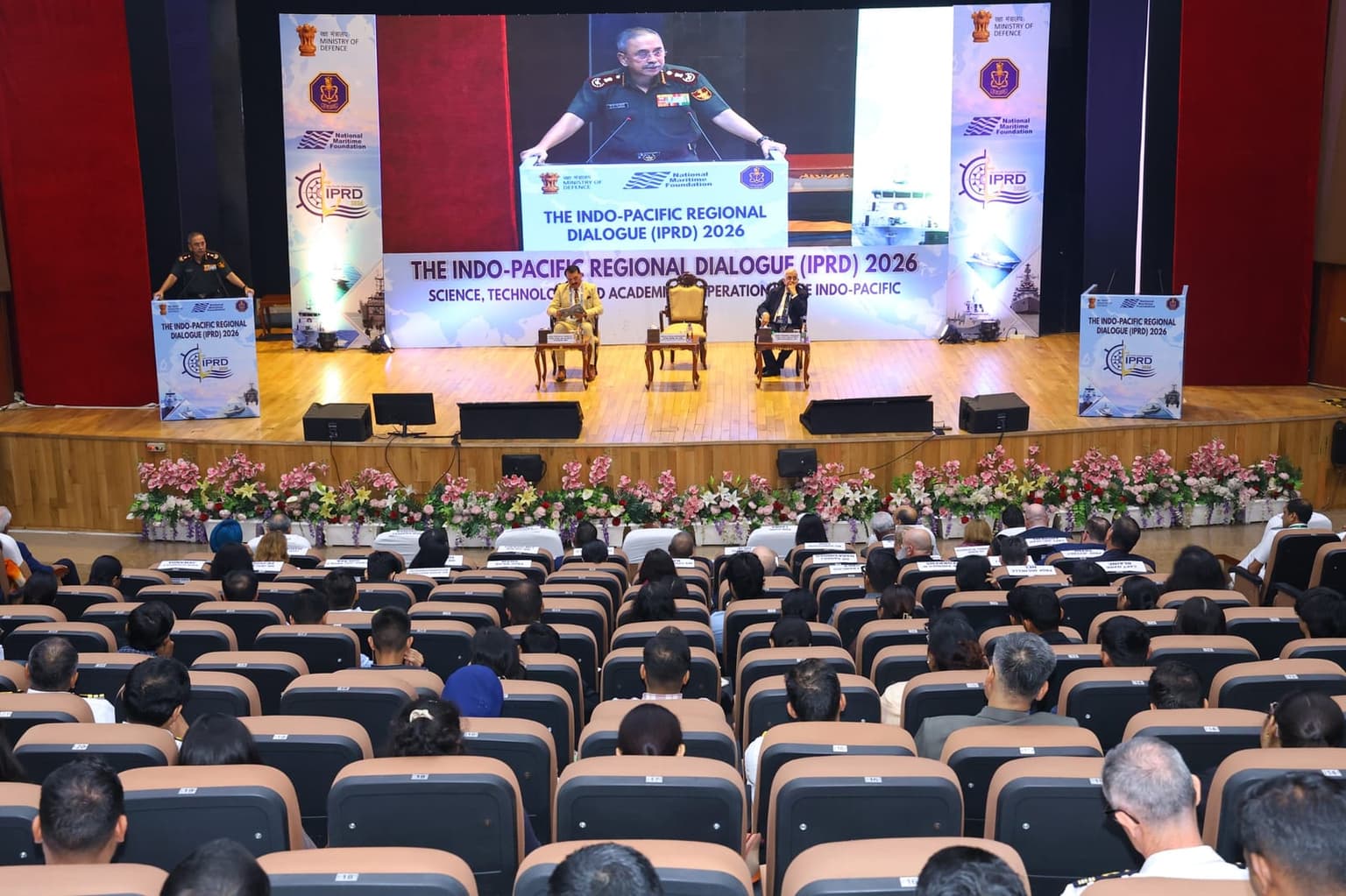
Indo-Pacific Regional Dialogue 2026 Concludes in New Delhi
The Indian Navy's three-day Indo-Pacific Regional Dialogue closed in New Delhi with over 40 experts from 20 countries debating maritime science and technology.
5 November 2026 · 2 min read
- Science & Technology
Indian Astronomers Find Star Cluster UBC 63 Is Really Two
5 November 2026 · 2 min read

State Exams Practice Quizzes
View all- Current Affairs Quiz
State Exams Current Affairs Quiz: 5 November 2026
25 questions25 minutesStart Quiz - Current Affairs Quiz
State Exams Current Affairs Quiz: 4 November 2026
25 questions25 minutesStart Quiz - Current Affairs Quiz
State Exams Current Affairs Quiz: 3 November 2026
25 questions25 minutesStart Quiz - Current Affairs Quiz
State Exams Current Affairs Quiz: 2 November 2026
25 questions25 minutesStart Quiz - Current Affairs Quiz
Haryana Current Affairs Quiz: 1 November 2026
18 questions18 minutesStart Quiz - Current Affairs Quiz
Delhi Weekly Current Affairs Quiz: 26 October – 1 November 2026
24 questions24 minutesStart Quiz
State exams at a glance
Each state recruits for its own government through its own bodies. A Public Service Commission holds the state civil services exam for posts such as Deputy Collector, Deputy Superintendent of Police and Block Development Officer. This page calls it the PCS-type exam. A staff selection commission or board recruits for subordinate posts such as clerk, patwari, junior assistant and constable. GK24 has a full guide for six states, each written from the latest notices of these bodies. Delhi differs: its guide covers DSSSB, which recruits for the Government of NCT of Delhi, and the Delhi Police Constable exam, which the Staff Selection Commission (SSC) conducts.
| State | Body | Main exam | Minimum qualification | Age band (crucial date) |
|---|---|---|---|---|
| Uttar Pradesh | UPPSC, Prayagraj | PCS (Combined State/Upper Subordinate Services Examination) | Bachelor's degree | 21–40 (1 July 2025) |
| Uttar Pradesh | UPSSSC, Lucknow | PET (Preliminary Eligibility Test) | High School (Class 10) | 18–40 (1 July 2026) |
| Bihar | BPSC | Integrated 72nd Combined Competitive Examination (CCE) | Graduation | Minimum 20, 21 or 22 by post; maximum 37 for unreserved men (1 August 2026) |
| Bihar | BSSC | Graduate Level and Inter Level CCE | Graduation; Intermediate (10+2) | 21–37 (Graduate Level) or 18–37 (Inter Level) for unreserved men (1 August 2025) |
| Rajasthan | RPSC, Ajmer | RAS/RTS Combined Competitive Examination | A degree | 21 to below 40 (1 January 2027) |
| Rajasthan | RSSB, Jaipur | CET Graduate Level; CET Senior Secondary Level | Graduation; Senior Secondary | 18 to below 40 (1 January 2027) |
| Madhya Pradesh | MPPSC, Indore | State Service Examination (SSE) | Graduate degree | 21–40; 21–33 for uniformed posts (1 January 2026) |
| Madhya Pradesh | MPESB, Bhopal | Group-2 Sub Group-4 Combined Recruitment Test | A degree, as the department's rules require | 18–40; up to 45 for listed categories (1 January 2026) |
| Haryana | HPSC, Panchkula | HCS (Ex. Br.) & Other Allied Services Examination | BA, BSc or BCom, or equivalent | 18–42; DSP 18–27 (1 January 2026) |
| Haryana | HSSC, Panchkula | CET Group C; CET Group D | 10+2, or Matric with additional qualification; Matric with Hindi or Sanskrit | 18–42 (closing date) |
| Delhi | DSSSB | One-tier and two-tier exams for Group B and C posts | By post, from 12th pass to a degree | By post, such as 18–27 or 21–30 (closing date) |
| Delhi | SSC, for Delhi Police | Constable (Executive) in Delhi Police | 10+2 | 18–25 (1 July 2025) |
Age bands are for unreserved candidates, before relaxation. Each state relaxes the upper limit for its own reserved categories, women, employees or ex-servicemen, as its guide explains. The rows follow the cycles in the state guides: PCS 2025, PET 2026, the 72nd CCE, BSSC Advt. 05/25 and 02/23(A), RAS/RTS 2026, CET 2026 (Rajasthan), SSE 2026, MPESB 2026, HCS 2025, HSSC CET 2025–26, DSSSB 2026 and Delhi Police 2025.
Civil services vs subordinate posts
The PCS-type exams
Five of the six states hold a civil services exam through their Public Service Commission. Each has three stages: an objective Preliminary exam, a descriptive Main exam and an interview. The Prelims is only a screening test in all five. Its marks do not count in the final merit. Final merit is the Mains total plus the interview.
| Exam | Prelims | Mains (written) | Interview | Merit total |
|---|---|---|---|---|
| UPPSC PCS 2025 | GS-I, 150 questions, 200 marks (merit); GS-II, 200 marks (qualifying at 33%) | 8 papers, 1,500 marks | 100 | 1,600 |
| BPSC 72nd CCE | General Studies, 150 marks, 2 hours | GS-I, GS-II and Essay, 300 marks each; General Hindi and an optional subject are qualifying | 120 | 1,020 |
| RPSC RAS/RTS 2026 | General Knowledge and General Science, 150 questions, 200 marks, 3 hours | 4 papers, 800 marks | 100 | 900 |
| MPPSC SSE 2026 | General Studies and General Aptitude Test, 300 marks each; the GAT is qualifying | 6 papers, 1,500 marks | 185 | 1,685 |
| HPSC HCS 2025 | General Studies (merit) and CSAT (qualifying at 33%), 100 marks each | 6 papers, 600 marks | 75 | 675 |
The number called to the next stage differs. UPPSC calls 15 times the vacancies to the Mains, RPSC about 15 times, HPSC 12 times, BPSC 10 times and MPPSC up to 20 times. For the interview, UPPSC, MPPSC and HPSC call 3 times the vacancies and BPSC 2.5 times. One cycle takes long: UPPSC advertised PCS 2025 in February 2025, and its interviews run in September and October 2026.
Eligibility tests and one-stage exams
Subordinate posts are filled in two ways. Three states hold an eligibility test first: UPSSSC's PET, RSSB's CET and HSSC's CET. The score decides who may compete for the posts that follow. The other bodies hold a recruitment exam for a set of posts directly.
| Exam | Type | What the score does |
|---|---|---|
| UPSSSC PET | Eligibility test, 100 questions, 100 marks | Needed to apply for UPSSSC's Group 'C' main exams; shortlisting is on the highest valid normalised score |
| RSSB CET | Eligibility test at Graduate and Senior Secondary level | 40% is needed to sit a covered post's recruitment exam (up to 5% relaxation for SC and ST) |
| HSSC CET | Eligibility test, 100 questions, 100 marks | Group C: up to 10 times the posts are called to a post-wise skill and/or written exam. Group D: CET marks decide the merit |
| BSSC Graduate and Inter Level | Prelims, then Mains | The Prelims sends 5 times the vacancies to the Mains |
| MPESB Group-2 Sub Group-4 | One online test, 200 marks | Selection on the test score, post by post, in the order of the candidate's preferences |
| DSSSB one-tier exams | One computer based test, 200 marks | Merit on the written marks; a skill test follows where the post needs it |
| Delhi Police Constable | Computer based exam, 100 marks, then PE&MT | Final result on exam marks for those who clear the PE&MT and document verification |
A PET or CET score gives no job by itself. It only opens the door to a post's own selection.
Which route suits whom (GK24 guidance)
- A graduate aged 21 or more who wants an administrative post should aim at the PCS-type exam. It asks for descriptive writing, a language paper and an interview.
- A 10th or 12th pass candidate starts with the subordinate route. UPSSSC PET needs Class 10, HSSC's Group D CET needs Matric, and BSSC's Inter Level, RSSB's Senior Secondary CET and Delhi Police Constable need 10+2.
- A graduate preparing for the PCS can also take the eligibility test of the same state. Much of the GK overlaps, and a PET or CET score stays valid for three years.
Common patterns across states
Negative marking, and when a blank costs marks
| Exam | Marking rule |
|---|---|
| UPPSC PCS Prelims | One-third of a question's marks off per wrong answer; a blank costs nothing |
| UPSSSC PET | One-quarter mark off per wrong answer |
| BPSC CCE Prelims | One-third mark off per wrong answer; option E means "not attempted"; a question with no option marked also costs one-third mark |
| BSSC Prelims | +4 for a right answer, −1 for a wrong one |
| RPSC RAS Prelims and RSSB CET | One-third of the question's marks off per wrong answer; a fifth circle for "not attempted"; no circle darkened also costs one-third. In RAS, leaving more than 10% of questions with no circle darkened disqualifies |
| MPPSC SSE Prelims | 3 marks per right answer, 1 mark off per wrong one |
| MPESB test | 1 mark per right answer, 0.25 mark off per wrong one |
| HPSC HCS Prelims | 0.25 mark off per wrong answer and per question with no circle darkened; more than 10% blank disqualifies |
| HSSC CET | No penalty for a wrong answer; 1 mark off for a question with no circle filled |
| DSSSB | 0.25 mark off per wrong one-mark question; 0.50 per wrong two-mark question |
| Delhi Police Constable | 0.25 mark off per wrong answer |
The lesson is not the same everywhere. In UPPSC, MPPSC, DSSSB and Delhi Police papers, leave a question you cannot answer. In BPSC, RPSC, RSSB and HPSC papers, mark the "not attempted" option instead of leaving the question blank. In HSSC's CET, a wrong answer costs nothing but a blank does, so fill a circle for every question.
CSAT-type qualifying papers
Three commissions add an aptitude paper to the Prelims that only has to be passed. UPPSC's General Studies-II needs 33%. HPSC's Civil Services Aptitude Test needs 33%. MPPSC's General Aptitude Test needs 40%, or 30% for SC, ST, OBC, EWS and PwD candidates. In all three, the General Studies paper alone decides the ranking for the Mains. BPSC and RPSC set one Prelims paper, with mental ability or reasoning inside it.
Eligibility tests and score validity
| Test | To qualify | Validity | Attempts |
|---|---|---|---|
| UPSSSC PET | Highest valid normalised score used for shortlisting | 3 years from the result | Held every year |
| RSSB CET | 40%; up to 5% relaxation for SC and ST | 3 years from the result | No limit; the best valid score counts |
| HSSC CET | 50% General; 40% reserved categories | 3 years from the result | Unlimited; a higher later score starts a fresh validity |
Domicile and reservation
Reservation is for the state's own residents in every guide that addresses it.
- Uttar Pradesh: reservation and age relaxation go only to permanent residents of UP.
- Bihar: reservation is only for permanent residents; the 35% horizontal reservation for women applies only to women domiciled in Bihar.
- Rajasthan: SC, ST, OBC, MBC and EWS candidates from other states apply as General.
- Madhya Pradesh: reservation and age relaxation go only to natives of MP.
- Haryana: reservation benefits go only to bona fide residents of Haryana.
- Delhi: DSSSB gives OBC reservation and relaxation only to OBC (Delhi) candidates.
Candidates from other states may still apply, but they compete as general or unreserved candidates.
The Hindi paper
| Exam | Hindi in the scheme |
|---|---|
| UPPSC PCS Mains | General Hindi, 150 marks, with minimum marks fixed |
| UPSSSC PET | General Hindi 5 marks; two unseen Hindi passages 10 marks |
| BPSC CCE Mains | General Hindi, 100 marks, qualifying at 30% |
| BSSC Graduate Level Mains | Hindi paper, qualifying at 30% |
| RPSC RAS Mains | Paper IV: General Hindi 90, General English 70, Essay 40 |
| MPPSC SSE Mains | General Hindi and Grammar 200 marks; Hindi Essay and Draft Writing 100 marks; both in Hindi only |
| HPSC HCS Mains | Hindi including Hindi Essay, 100 marks; 33% needed for the interview |
| HSSC CET | Hindi is a tested subject; Group D needs Hindi or Sanskrit up to Matric |
| DSSSB | Test of Hindi Language and Comprehension, 40 of 200 marks in the general paper |
In UP, Bihar, MP and Haryana, a weak Hindi paper can end a candidacy even with good General Studies marks.
Upcoming state exam dates
These dates were checked against the commissions' official notices on 25 September 2026. "Under way" means the window has already started.
| State | Exam | Date or window |
|---|---|---|
| Madhya Pradesh | MPESB Group-2 Sub Group-4 Combined Recruitment Test 2026 (online) | 23 September to 5 October 2026 (under way) |
| Delhi | DSSSB Grade-II (GNCTDSS)/ASO Tier-I (post code 804/26) | 21 September to 18 October 2026 (under way) |
| Delhi | Other DSSSB posts in the same notification, such as Patwari and Statistical Clerk | Between 21 September and 24 October 2026 (under way) |
| Uttar Pradesh | UPPSC PCS 2025 interviews | 28 September to 24 October 2026 |
| Haryana | HPSC HCS 2025 Personality Test/Viva-voce | 3 to 8 October 2026 |
| Uttar Pradesh | UPSSSC PET 2026 | 23, 24 and 25 October 2026 |
| Rajasthan | RSSB CET Senior Secondary Level 2026 | 23 to 25 October 2026 |
| Bihar | BPSC 72nd CCE Prelims | 25 October 2026 (tentative, BPSC calendar of 14 August 2026) |
| Rajasthan | RSSB CET Graduate Level 2026 | 1 to 3 December 2026 |
| Uttar Pradesh | UPPSC PCS 2026 Prelims | 6 December 2026 (proposed in the UPPSC calendar; advertisement not yet published) |
| Rajasthan | RPSC RAS/RTS 2026 Prelims | 6 December 2026 |
| Rajasthan | RPSC RAS/RTS 2026 Mains | 1 and 2 May 2027 |
Two clashes stand out. UPSSSC PET and RSSB's Senior Secondary CET share 23 to 25 October 2026. The UPPSC PCS 2026 Prelims (proposed) and the RAS 2026 Prelims both fall on 6 December 2026.
Not announced as of 25 September 2026: the MPPSC SSE 2026 interview, the BPSC 72nd CCE Mains, both BSSC Prelims, HSSC's Group D CET, HCS 2026, DSSSB's ASO Tier-II and the exams of its Advt. 03/2026 posts, and the next Delhi Police Constable exam. MPPSC has not announced its next SSE cycle either.
State GK and national GK
This section is GK24's guidance, built on the syllabuses in the six state guides.
Every state tests itself. Its history, geography, culture, economy and administration appear in the syllabus, sometimes as whole papers.
| State | Where the state appears |
|---|---|
| Uttar Pradesh | PCS Prelims GS-I asks its subjects with special reference to UP; Mains GS-V and GS-VI, 200 marks each, are on UP alone. PET lists no separate UP section. |
| Bihar | Inside General Studies: Bihar's history, geography and rivers, economy and part in the national movement. BSSC says questions may be asked especially about Bihar. |
| Rajasthan | Separate RAS Prelims heads on Rajasthan's history and culture, geography, administration and economy, and current affairs with special reference to Rajasthan. The CET has the same shape. The RAS interview also marks knowledge of Rajasthani culture. |
| Madhya Pradesh | Six of the ten units of the Prelims General Studies paper name MP, including its tribes. Each Mains General Studies paper includes MP. MPESB lists no separate MP section. |
| Haryana | Haryana GK carries 25% of the CET. The HCS Prelims and Mains General Studies I to III include Haryana. |
| Delhi | Neither DSSSB's syllabus nor SSC's notice names Delhi GK or gives it marks. |
National GK makes up much of every paper. Indian polity, history and the national movement, geography of India, the Indian economy, general science and current affairs appear in all six syllabuses. In Haryana's CET, for example, the state share is 25%; the other 75% is general awareness, reasoning, quantitative ability, English, Hindi and, for Group C, computer knowledge.
What GK24 covers. GK24 publishes topic-wise national GK notes and daily national and international current affairs, in English and Hindi. It does not have state GK sections for any of the six states. Prepare the state part from the state's own sources: state board textbooks, the state budget and economic survey, the state government's department websites and releases, and the commission's own past question papers.
How to prepare for state exams with GK24
This plan is GK24's guidance, not part of any notice. It assumes you have picked one state and one exam from the tables above and read that state's guide on GK24.
| Day | National part (GK24) | State part (state sources) |
|---|---|---|
| Monday | Polity note and its quiz | Governor, legislature, High Court, commissions and Panchayati Raj of the state |
| Tuesday | History and national movement note and quiz | The state's history, freedom movement and personalities |
| Wednesday | Geography note and quiz | The state's rivers, soils, crops, minerals and national parks |
| Thursday | Economy note and quiz | The state's budget, economic survey and schemes |
| Friday | Science note and quiz | The state's art, culture, fairs, festivals and dialects |
| Saturday | Aptitude or CSAT practice, Hindi and English | One set of the commission's past papers |
| Sunday | Weekly current affairs quiz; revise the week's notes | Revise your state notebook |
- Every day: read GK24's daily current affairs and take the daily quiz. Add state news from the state government's own releases.
- Every month: take the monthly current affairs quiz and revise the month. Cover at least the 12 months before your exam.
- Practise under your exam's marking rule, as the negative marking table above sets out.
- Give Hindi a fixed slot if your exam has a Hindi paper. GK24 does not cover language, reasoning or maths.
- Write for the Mains. The PCS-type Mains is written in all five states, so write short answers on the week's topics.
Frequently Asked Questions
Which state exams can I take after 10th or 12th?
After Class 10, UPSSSC's PET in Uttar Pradesh and HSSC's Group D CET in Haryana (Matric with Hindi or Sanskrit). After 12th, also BSSC's Inter Level exam in Bihar, RSSB's Senior Secondary CET in Rajasthan, HSSC's Group C CET, Delhi Police Constable (Executive) and some DSSSB posts in Delhi. The PCS-type exams of UPPSC, BPSC, RPSC, MPPSC and HPSC need a degree.
What is the difference between a PCS exam and PET or CET?
A PCS-type exam, such as UPPSC PCS, BPSC CCE, RAS/RTS, MPPSC SSE or HCS, is a full selection in three stages: Prelims, a descriptive Mains and an interview. PET (UPSSSC) and CET (RSSB and HSSC) are eligibility tests. Their score, valid for three years, decides who may compete for the posts that follow; for Haryana's Group D posts, the CET marks decide the merit itself.
Is there negative marking in state exams?
In most, but the rules differ. UPPSC PCS, BPSC, RAS and RSSB's CET deduct one-third, UPSSSC PET one-quarter, and HCS, MPESB, DSSSB and Delhi Police 0.25 mark per wrong answer. MPPSC gives 3 marks for a right answer and deducts 1; BSSC gives 4 and deducts 1. HSSC's CET has no penalty for a wrong answer but deducts 1 mark for a question with no circle filled. BPSC, RPSC, RSSB and HPSC also penalise a question left with no option marked.
Can I apply for another state's exams?
Usually yes, if you meet the qualification and age conditions, but you compete without that state's reservation. UP and MP give reservation and age relaxation only to their own residents, Bihar only to its permanent residents, Rajasthan treats reserved candidates from other states as General, Haryana gives reservation only to bona fide residents, and DSSSB gives OBC reservation only to OBC (Delhi) candidates.
Does GK24 have state GK for UP, Bihar or Rajasthan?
No. GK24 covers national GK and national and international current affairs, in English and Hindi. It has no state GK section for any state. Use GK24 for the national part of the paper, and prepare the state's history, geography, culture, economy and schemes from state board textbooks, the state budget and economic survey, state government releases and the commission's past papers.
When is the next state exam?
As of 25 September 2026, the MPESB Group-2 Sub Group-4 test runs till 5 October 2026 and DSSSB's ASO Tier-I till 18 October 2026. UPSSSC PET and RSSB's Senior Secondary CET follow on 23 to 25 October, and the BPSC 72nd CCE Prelims on 25 October 2026 (tentative). RSSB's Graduate Level CET is on 1 to 3 December, and the RAS Prelims and the UPPSC PCS 2026 Prelims (proposed) on 6 December 2026.
How long is a PET or CET score valid?
Three years from the result in all three tests. UPSSSC uses a candidate's highest valid normalised PET score and holds PET every year. RSSB's CET has no limit on attempts and counts the best valid score; 40% is needed. HSSC's CET allows unlimited attempts, and a higher later score starts a fresh three-year validity; 50% (General) or 40% (reserved) is needed.