
Skip to content
GK24

10 October 2026 Current Affairs: Robotics for Good India 2026

25 updates· 50 MCQsLast updated

The current affairs for 10 October 2026 cover 25 stories and 88 practice questions. The edition covers National, Defence, International, Sports, Government Schemes, Science & Technology, Summits & Conferences, Awards & Honours, Environment. Every fact is drawn from an official government release, and each article cites the release it came from. Candidates preparing for SSC, Banking, UPSC, Railway and State exams can use the one-liners below for a quick revision of the day.

Quiz of the day25 questions · 25 minutesStart Quiz

Top Headlines

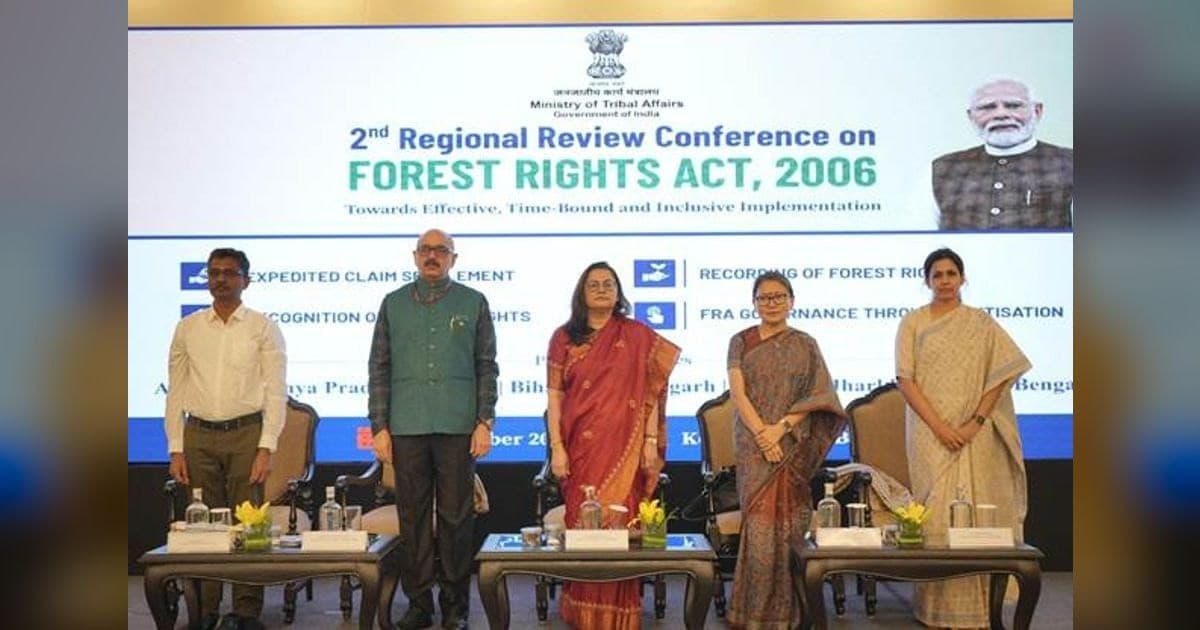
  1. Forest Rights Act Review Conference Held in Kolkata for Eight States
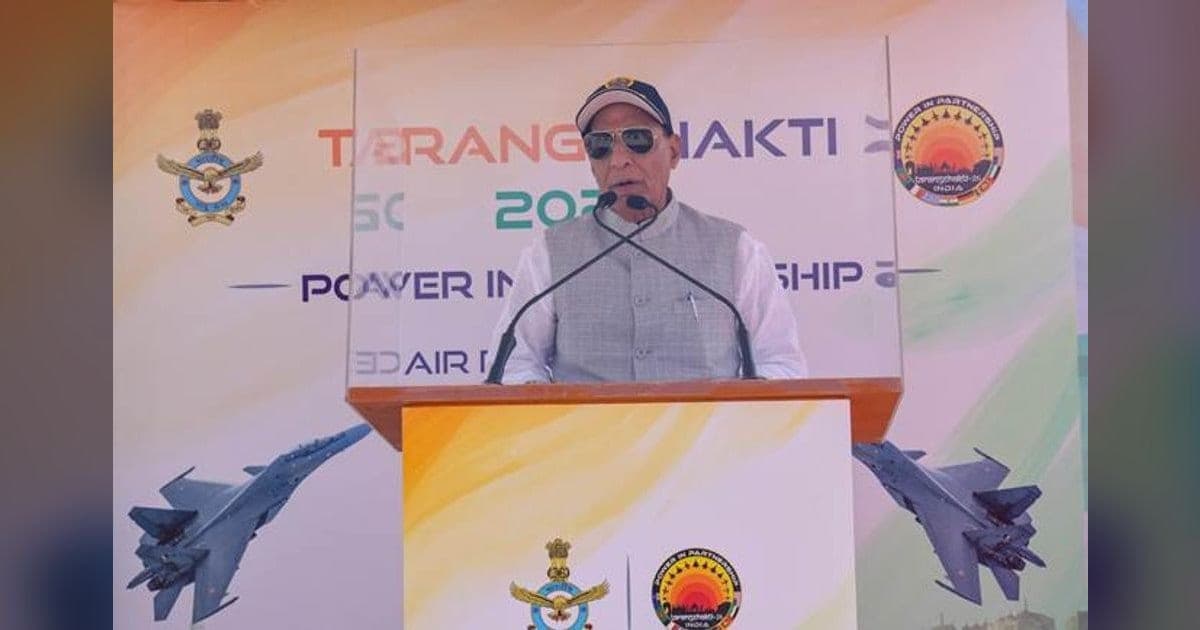
  2. Exercise Tarang Shakti 2026 Second Edition Held at Jodhpur
  3. Milton Dick of Australia Elected President of the IPU at Arusha
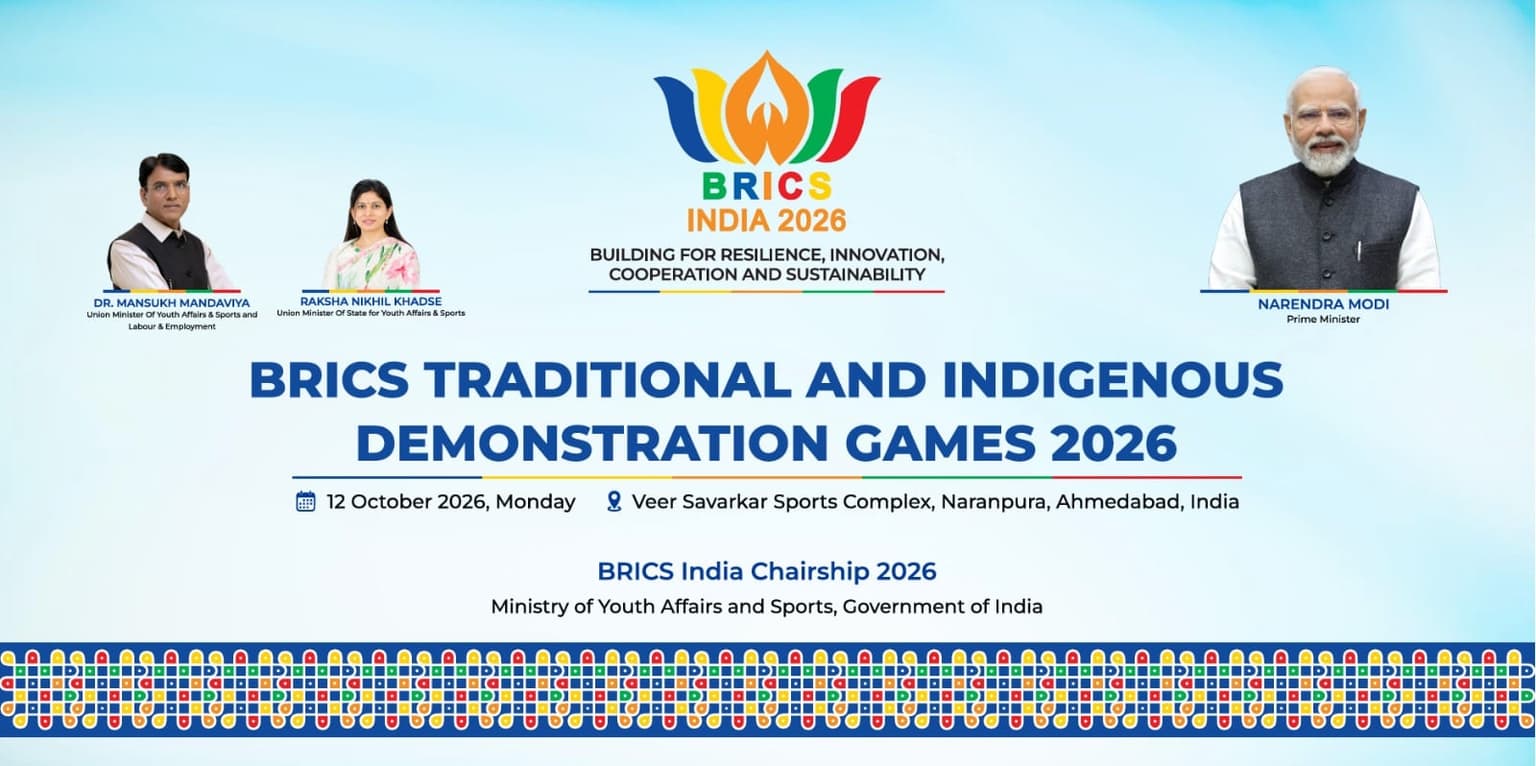
  4. BRICS Traditional Sports Demonstration Games to Open in Ahmedabad
  5. Vice-President Addresses Second Convocation of AIIMS Deoghar
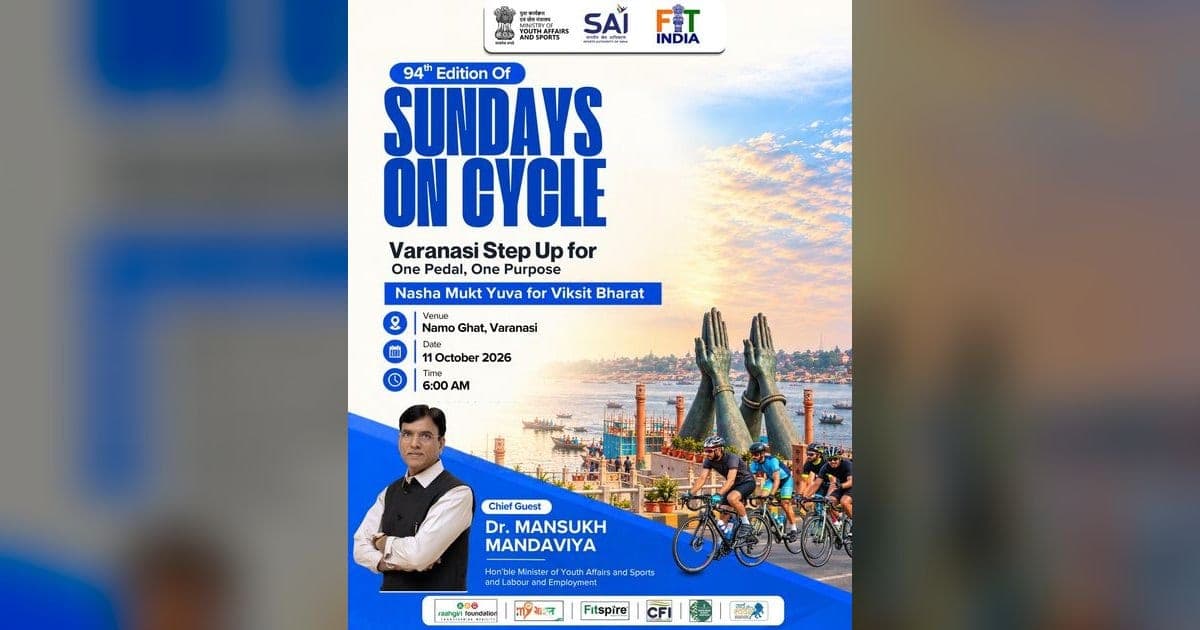
  6. 94th Fit India Sundays on Cycle to Be Held in Varanasi
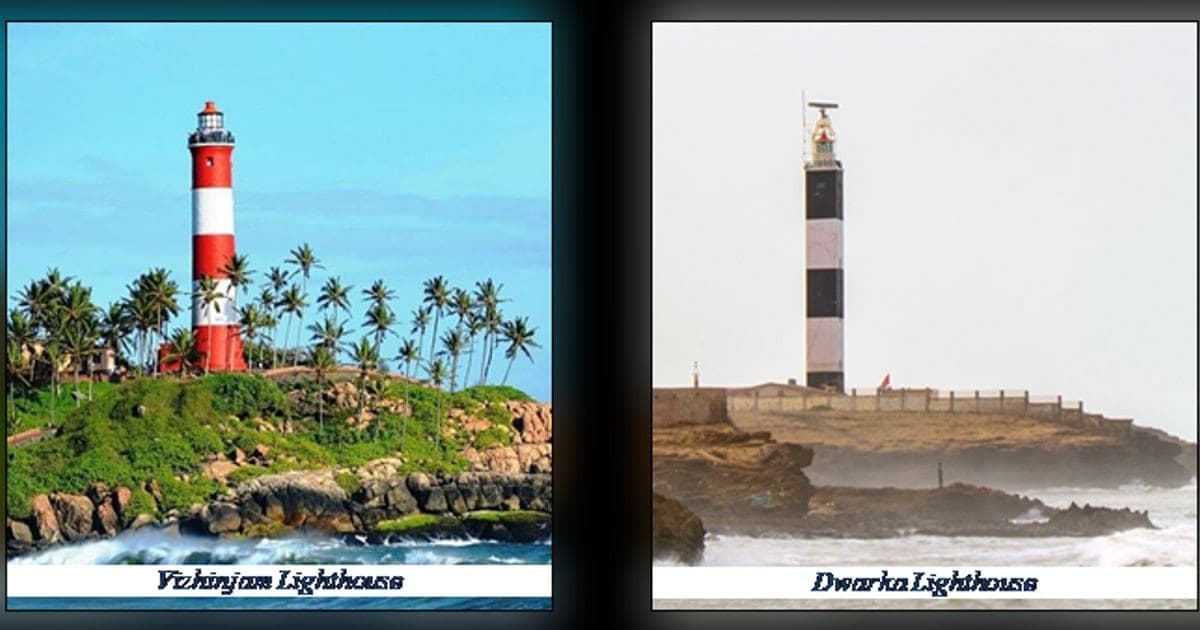
  7. Lighthouse Tourism Grows to 18.63 Lakh Visitors in 2024-25
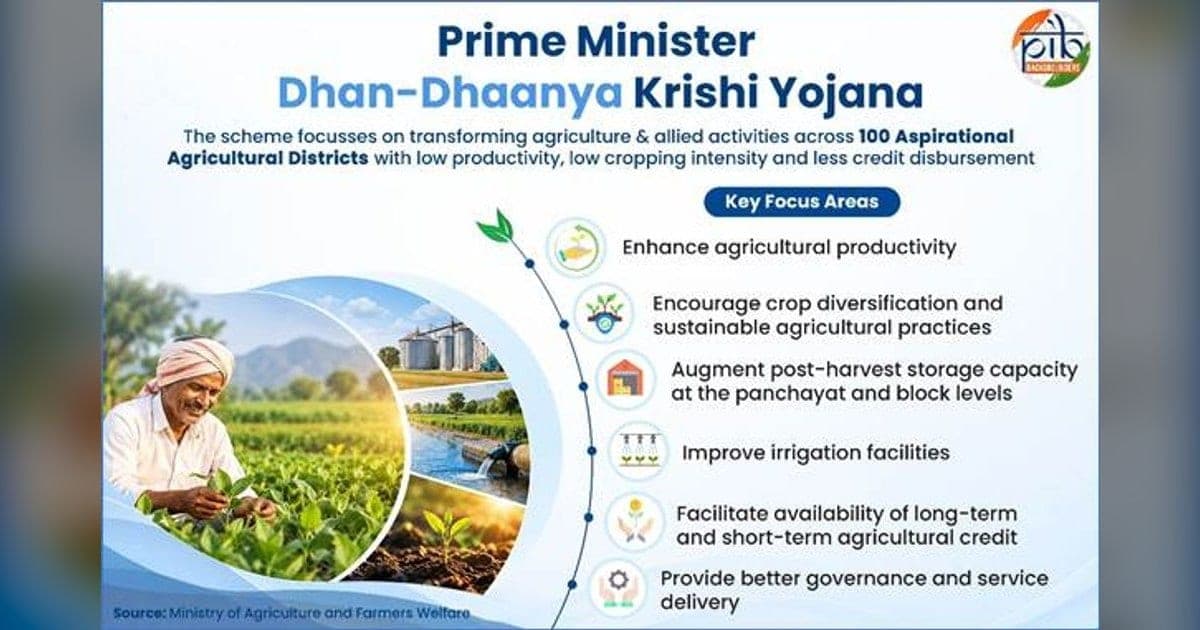
  8. PM Dhan-Dhaanya Krishi Yojana Completes One Year in 100 Districts
  9. National Quantum Mission Crosses 1,000 km Quantum-Secure Link
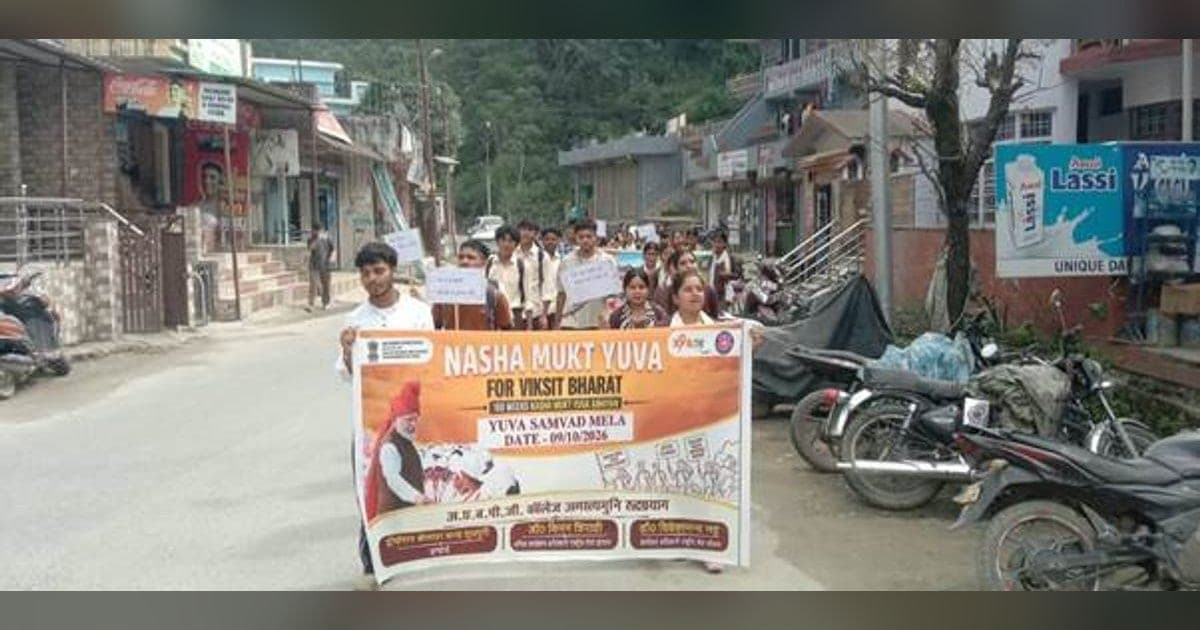
  10. Nasha Mukt Yuva Abhiyan Reaches 1.06 Lakh in First Month
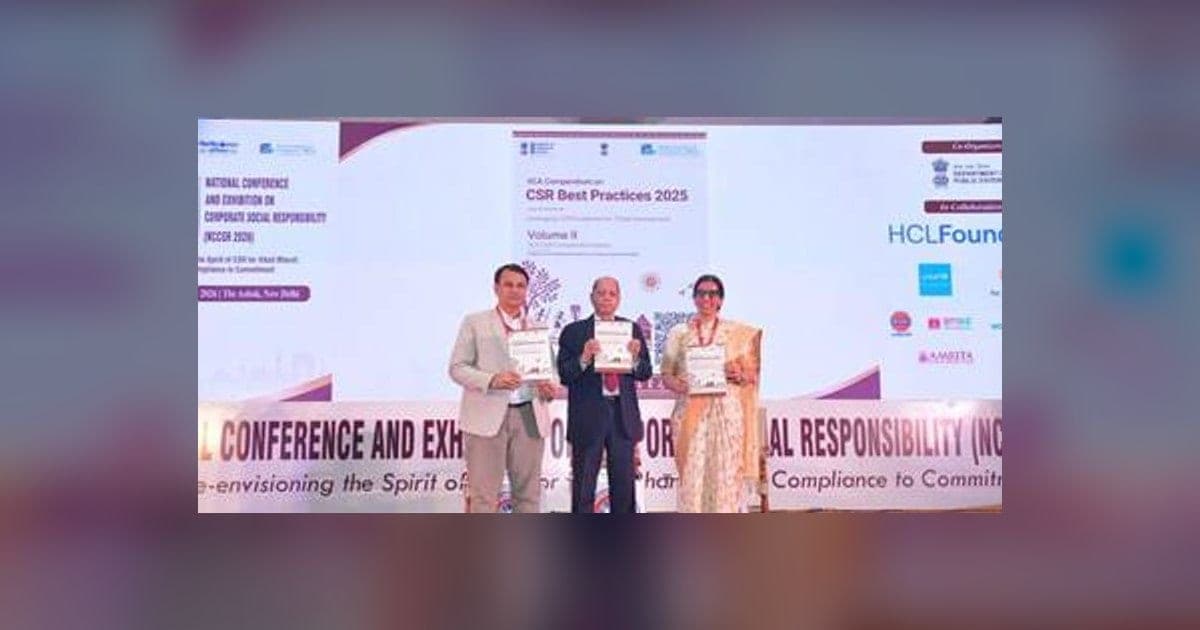
  11. Third National CSR Conference NCCSR 2026 Concludes in Delhi
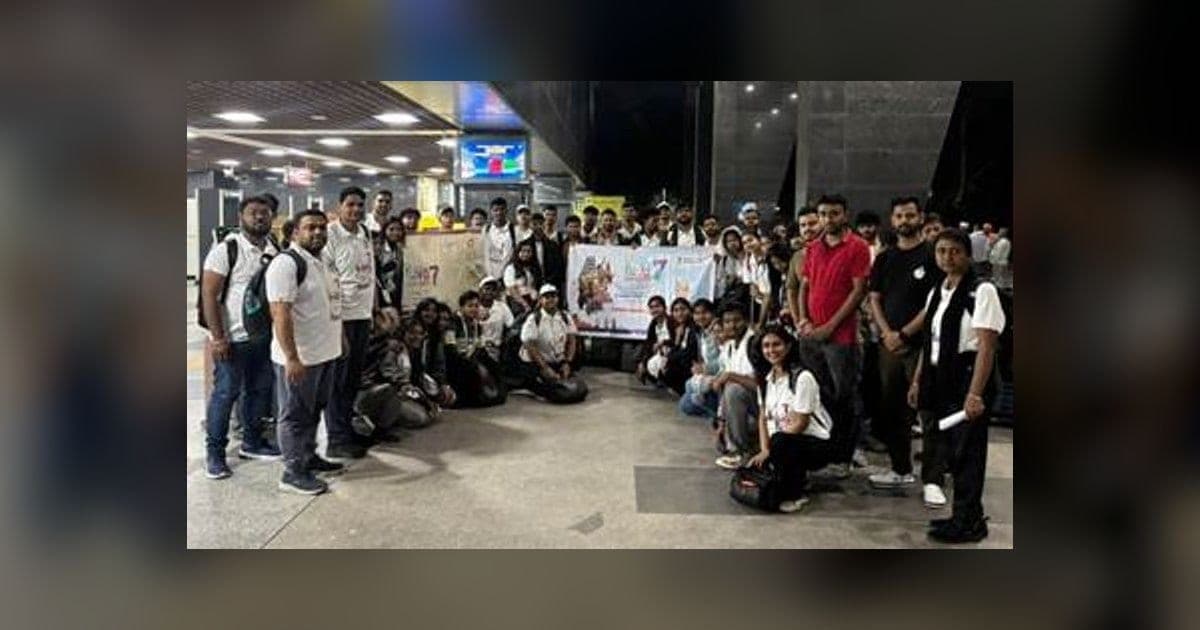
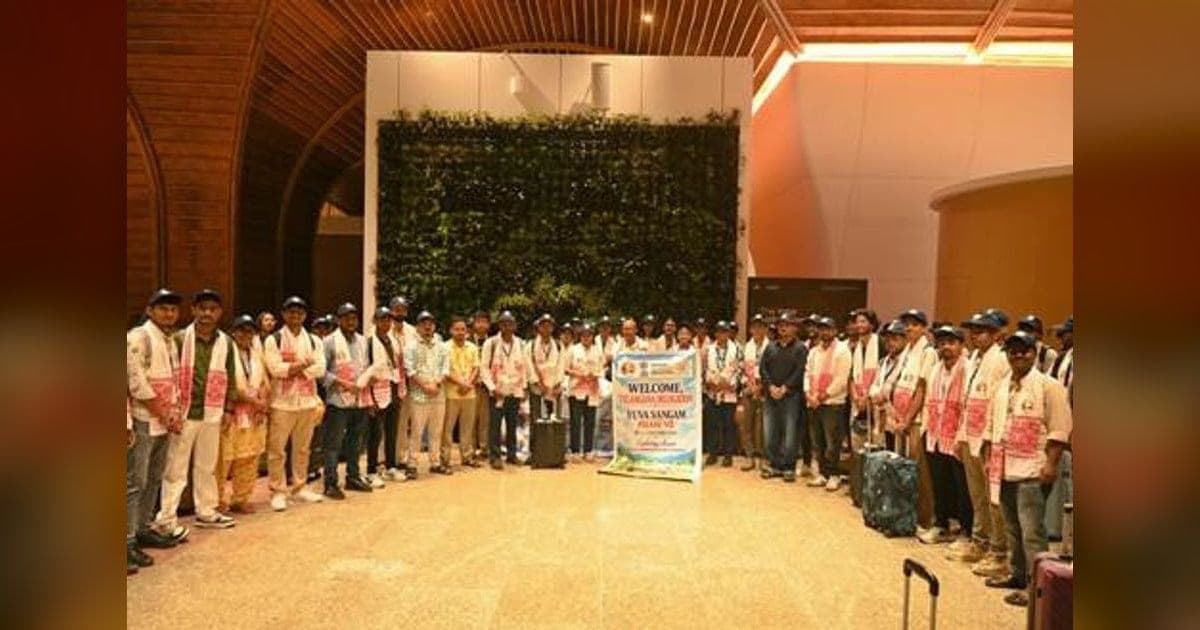
  12. Yuva Sangam Phase VII Delegates Meet President Droupadi Murmu
  13. Robotics for Good India 2026: Singularity, Ferrum Incubators Win
  14. Chennai to Get Projects Worth Over ₹13,000 Crore on 11 October
  15. Vice-President Visits Sainya Sampark Mela at Deoghar
  16. Defence Secretary to Visit Cyprus and Greece in October
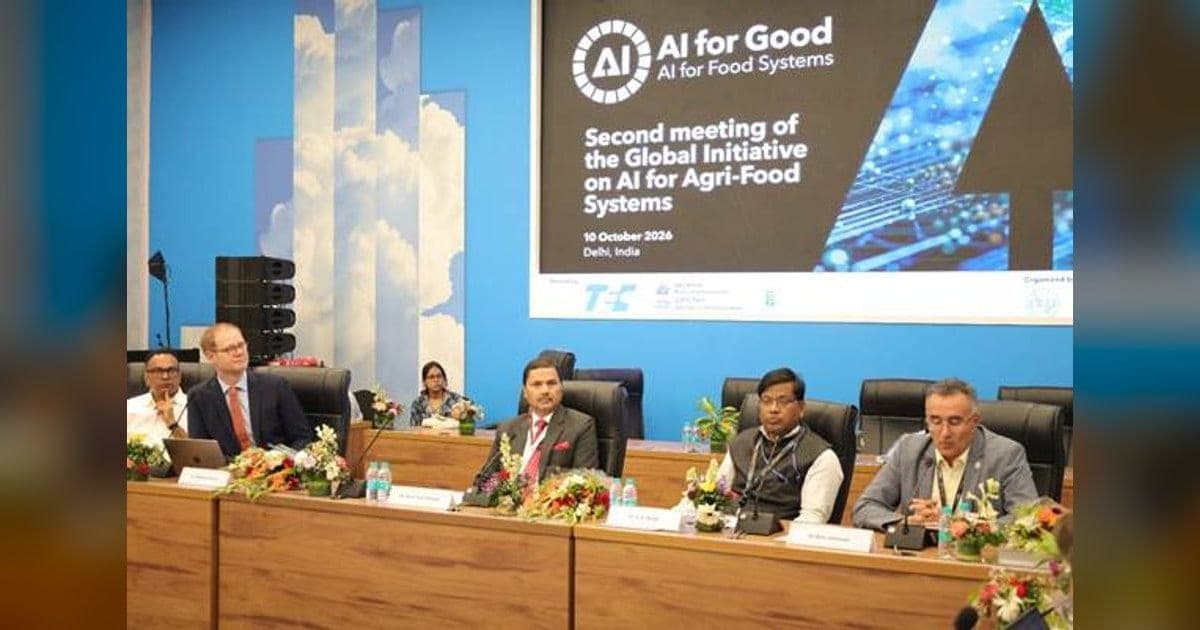
  17. GI-AI4FS Second Meeting Held at IMC 2026 in New Delhi
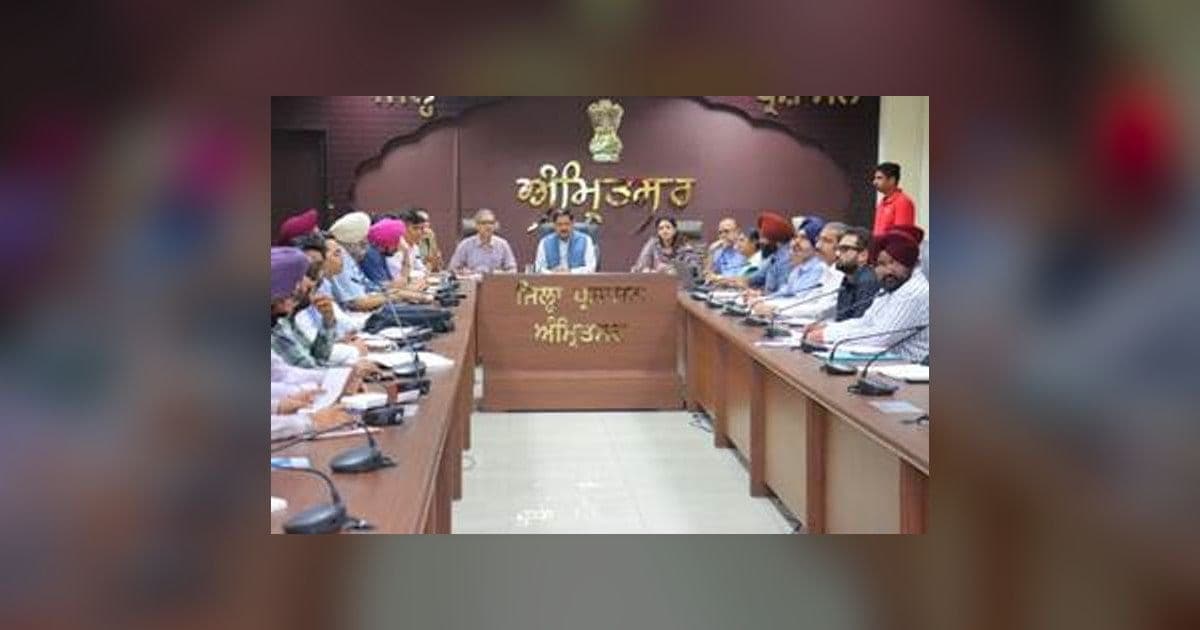
  18. CAQM Reviews Stubble Burning Curbs in Amritsar, Tarn Taran
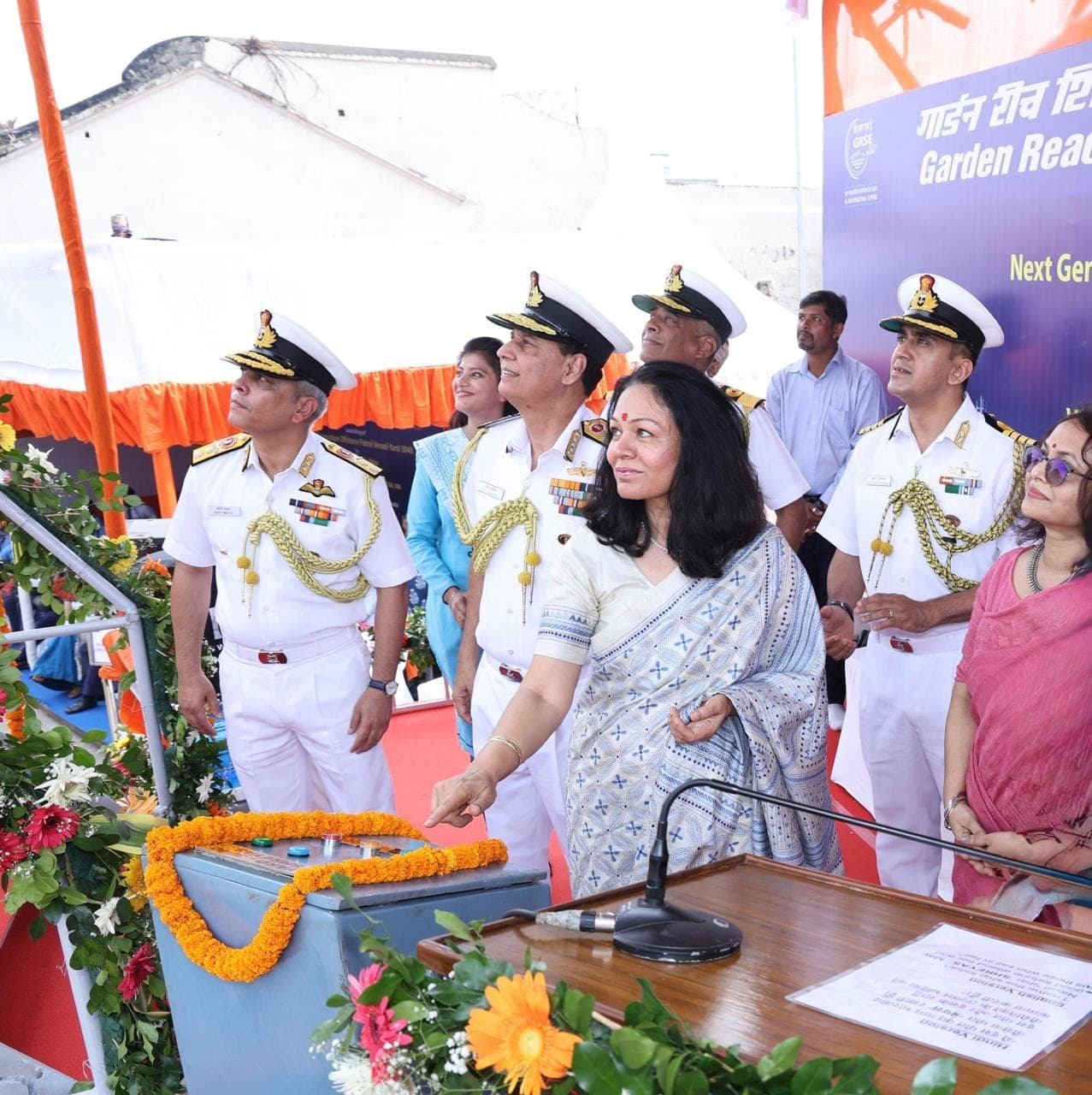
  19. Navy's Next Generation OPV Shreyas Launched at GRSE Kolkata
  20. NBA Disburses Rs 2.02 Crore of Seed Sector ABS Funds to States

One-liner Current Affairs

  • The Ministry of Tribal Affairs held the Second Regional Review Conference on the Forest Rights Act at Kolkata, West Bengal, on 9 October 2026.
  • Exercise Tarang Shakti 2026 is the second edition of the Indian Air Force's multinational air exercise, held from 26 September to 12 October 2026
  • Milton Dick, Speaker of the House of Representatives of Australia, was elected President of the Inter-Parliamentary Union by secret ballot
  • The BRICS Traditional and Indigenous Sports Demonstration Games 2026 will be held at the Veer Savarkar Sports Complex, Ahmedabad, on 12 October 2026
  • Vice-President C. P. Radhakrishnan addressed the second convocation of AIIMS Deoghar in Jharkhand, in the Santhal Pargana region
  • The 94th edition of Fit India Sundays on Cycle will be held in Varanasi on 11 October 2026, from Namo Ghat to the Diksha Mandap of Sampurnanand Sanskrit University
  • India has 205 lighthouses along a coastline of more than 11,000 km, looked after by the Directorate General of Lighthouses and Lightships (DGLL)
  • PM Dhan-Dhaanya Krishi Yojana was approved by the Union Cabinet on 16 July 2025 for six years and launched on 11 October 2025; it completes one year on 11 October 2026
  • India has achieved 1,000 km of quantum-secure communication in three years, against the National Quantum Mission target of 2,000 km over eight years
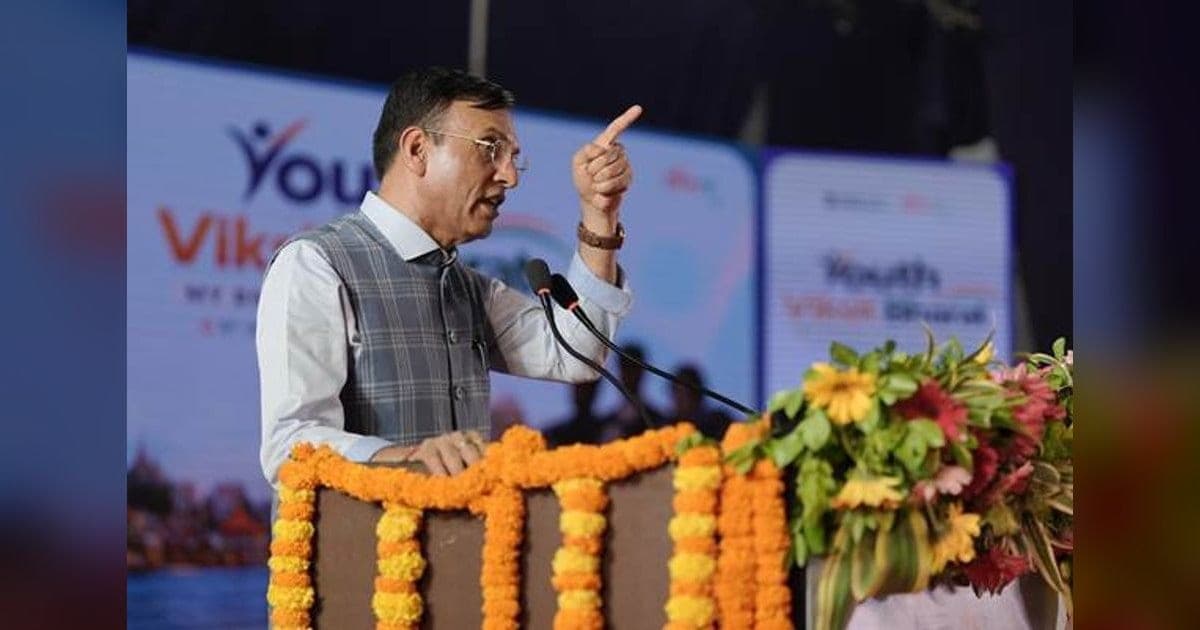
  • The nationwide Yuva Sanwad Mela was held on 9 October 2026 by MY Bharat and the National Service Scheme, closing Month 1 of the 100-Week Sankalp Abhiyan
  • NCCSR 2026, the Third National Conference and Exhibition on Corporate Social Responsibility, was held on 6 and 7 October 2026 at The Ashok, New Delhi
  • The Odisha delegation under Yuva Sangam Phase VII met President Droupadi Murmu on 7 October 2026, the first time Yuva Sangam delegates had interacted with the President
  • Team Ferrum Incubators of Cambridge School, Noida, won the Senior Category and Team Singularity of Gopalan International School, Karnataka, won the Junior Category
  • Development projects worth over ₹13,000 crore covering metro rail, highways, railways, ports, petroleum and education are to be handed over at Chennai on 11 October 2026
  • Vice-President C. P. Radhakrishnan visited the Sainya Sampark Mela - Sadaiv Aapke Saath at Deoghar, Jharkhand, on 10 October 2026
  • Defence Secretary Rajesh Kumar Singh will visit Cyprus and Greece from 12 to 15 October 2026 on an official tour
  • The second meeting of the UN Global Initiative on AI for Agri-Food Systems (GI-AI4FS) was held in New Delhi alongside India Mobile Congress 2026
  • A CAQM team led by Member (Technical) Dr. S.D. Attri visited the Amritsar and Tarn Taran districts of Punjab, both stubble burning hotspots
  • Shreyas, Yard 3040 of the Next Generation Offshore Patrol Vessel project, was launched at GRSE, Kolkata on 10 October 2026
  • The National Biodiversity Authority has disbursed Rs 2.02 crore of seed-sector Access and Benefit-Sharing funds to 27 states and 3 union territories

National

View all →

International

View all →

Science & Technology

View all →

Awards & Honours

View all →

Government Schemes

View all →

Environment

View all →

Summits & Conferences

View all →

Today's MCQs

Q5.General ScienceHard

In a honey bee colony, drones develop from

  1. A.fertilised eggs laid by the queen
  2. B.unfertilised eggs laid by the queen
  3. C.eggs laid by the worker bees in all cases
  4. D.larvae fed on royal jelly throughout
Show answer
Correct answer: B. unfertilised eggs laid by the queen

The queen can lay both fertilised and unfertilised eggs; the unfertilised ones develop into haploid males called drones, a form of parthenogenesis, while fertilised eggs give rise to diploid females.

Q6.General ScienceMedium

The waggle dance by which honey bees communicate the direction and distance of a food source was explained by

  1. A.Karl von Frisch
  2. B.Konrad Lorenz
  3. C.Charles Darwin
  4. D.Nikolaas Tinbergen
Show answer
Correct answer: A. Karl von Frisch

The correct answer is A, Karl von Frisch, who decoded the dance language of bees: a round dance for a source near the hive and a waggle or tail-wagging dance for a distant one, in which the angle of the straight run shows the direction of the food relative to…

Q7.General ScienceMedium

Lac is secreted by which insect?

  1. A.Kerria lacca
  2. B.Bombyx mori
  3. C.Apis dorsata
  4. D.Antheraea proylei
Show answer
Correct answer: A. Kerria lacca

The correct answer is A, Kerria lacca, earlier named Laccifer lacca, a tiny scale insect whose female settles on the twigs of a host tree, sucks its sap and secretes the resin we call lac.

Q10.General ScienceHard

The gum which coats the silk fibre and is removed by degumming is

  1. A.Fibroin
  2. B.Sericin
  3. C.Chitin
  4. D.Keratin
Show answer
Correct answer: B. Sericin

The silkworm's silk gland secretes a protein called fibroin, and over it a second protein, sericin, which acts as a gum and hardens the cocoon; boiling the cocoon softens the sericin so the filament can be reeled, and removing it afterwards is called degumming, which gives silk its lustre and…

Q19.GeographyEasy

The Radcliffe Line is the boundary between

  1. A.India and China
  2. B.India and Pakistan
  3. C.India and Myanmar
  4. D.Pakistan and Afghanistan
Show answer
Correct answer: B. India and Pakistan

The line was drawn in 1947 by Sir Cyril Radcliffe, who chaired the boundary commissions that divided Punjab and Bengal, so the same line also forms the India-Bangladesh boundary, Bangladesh having been East Pakistan until 1971.

Q20.GeographyMedium

The McMahon Line demarcates the boundary between

  1. A.India and Nepal
  2. B.India and Bhutan
  3. C.India and China
  4. D.India and Bangladesh
Show answer
Correct answer: C. India and China

The line was drawn at the Simla Convention of 1914 by Sir Henry McMahon, then the Foreign Secretary of British India, in an agreement with Tibet; China has never accepted it, which is the root of the dispute in that sector.

Q21.GeographyEasy

India is separated from Sri Lanka by

  1. A.the Ten Degree Channel
  2. B.the Palk Strait and the Gulf of Mannar
  3. C.the Eight Degree Channel
  4. D.the Duncan Passage
Show answer
Correct answer: B. the Palk Strait and the Gulf of Mannar

The correct answer is B, the Palk Strait and the Gulf of Mannar, the shallow waters between Tamil Nadu and Sri Lanka, with the chain of sandbanks called Adam's Bridge or Rama Setu running between Rameswaram and Talaimannar.

Q22.GeographyMedium

The Ten Degree Channel separates which two island groups?

  1. A.Lakshadweep and the Maldives
  2. B.Andaman and Nicobar
  3. C.Minicoy and Lakshadweep
  4. D.Great Nicobar and Sumatra
Show answer
Correct answer: B. Andaman and Nicobar

The correct answer is B, the Andaman and the Nicobar groups, which lie on either side of the Ten Degree Channel in the Bay of Bengal, the name coming from the ten degree north parallel along which it runs.

Q24.GeographyHard

The Sir Creek dispute is between India and which country?

  1. A.China
  2. B.Bangladesh
  3. C.Pakistan
  4. D.Myanmar
Show answer
Correct answer: C. Pakistan

Sir Creek is a tidal creek in the marshland of the Rann of Kutch, where India and Pakistan read the boundary resolution of 1914 differently, one side placing the boundary in the middle of the channel and the other on its eastern bank; the stretch matters because it affects the…

Q25.Indian EconomyEasy

Foreign Direct Investment differs from Foreign Portfolio Investment mainly because FDI

  1. A.is made only by governments
  2. B.gives the investor a lasting interest and a say in management
  3. C.is routed through the current account of the balance of payments
  4. D.can be withdrawn on any trading day
Show answer
Correct answer: B. gives the investor a lasting interest and a say in management

Foreign direct investment is made to acquire a lasting interest in an enterprise abroad, conventionally measured as ten per cent or more of the voting power, and with it comes a say in how the company is run; portfolio investment buys shares and bonds without any such control.

Q27.Indian EconomyMedium

The Consolidated FDI Policy of India is issued by

  1. A.the Reserve Bank of India
  2. B.the Securities and Exchange Board of India
  3. C.the Department for Promotion of Industry and Internal Trade
  4. D.the Ministry of Finance
Show answer
Correct answer: C. the Department for Promotion of Industry and Internal Trade

The correct answer is C, the Department for Promotion of Industry and Internal Trade, a department of the Ministry of Commerce and Industry, which was known as the Department of Industrial Policy and Promotion until it was renamed in 2019.

Q29.Indian EconomyMedium

Under the automatic route of FDI

  1. A.prior approval of the Reserve Bank of India is needed
  2. B.prior approval of the administrative ministry is needed
  3. C.no prior approval of the government or the RBI is needed
  4. D.investment is capped at twenty-six per cent in every sector
Show answer
Correct answer: C. no prior approval of the government or the RBI is needed

Under the automatic route the foreign investor needs no prior permission from either the government or the Reserve Bank of India; the Indian company simply reports the inflow and the issue of shares to the Reserve Bank within the prescribed time.

Q30.Indian EconomyEasy

In which of the following is Foreign Direct Investment prohibited in India?

  1. A.Insurance
  2. B.Lottery business
  3. C.Telecom services
  4. D.Single brand retail trading
Show answer
Correct answer: B. Lottery business

The FDI policy lists a small set of prohibited activities: the lottery business, gambling and betting including casinos, chit funds, Nidhi companies, trading in transferable development rights, real estate business and the construction of farm houses, the manufacture of cigars, cheroots and cigarettes, and activities closed to private investment such…

Q31.Indian EconomyHard

SEBI merged Foreign Institutional Investors and Qualified Foreign Investors into a single class of Foreign Portfolio Investors in which year?

  1. A.2010
  2. B.2012
  3. C.2014
  4. D.2016
Show answer
Correct answer: C. 2014

The correct answer is C, 2014, when the SEBI Foreign Portfolio Investors Regulations came into force and the three older categories, namely foreign institutional investors, their sub-accounts and qualified foreign investors, were merged into one class registered in risk-based tiers.

Q32.Indian EconomyHard

Participatory Notes are issued by

  1. A.the Reserve Bank of India to foreign banks
  2. B.registered foreign portfolio investors to overseas investors
  3. C.Indian companies to their foreign promoters
  4. D.the government to sovereign wealth funds
Show answer
Correct answer: B. registered foreign portfolio investors to overseas investors

Participatory notes are offshore derivative instruments issued by foreign portfolio investors registered with SEBI to clients abroad who want exposure to Indian shares without registering in India themselves; the underlying shares are held by the issuing investor.

Q33.Indian EconomyMedium

Press Note 3 of 2020 requires prior government approval for foreign investment from

  1. A.all members of the Commonwealth
  2. B.countries that share a land border with India
  3. C.countries listed as tax havens
  4. D.all countries outside the WTO
Show answer
Correct answer: B. countries that share a land border with India

An entity of such a country, or an investor who is a citizen of or situated in one, may invest only through the government route whatever the sector, and the rule also covers a transfer of ownership that results in such beneficial ownership.

Q34.Indian EconomyEasy

The term hot money in the context of foreign investment refers to

  1. A.foreign direct investment in manufacturing
  2. B.short-term portfolio flows that can leave quickly
  3. C.currency printed to meet a fiscal deficit
  4. D.remittances sent home by migrant workers
Show answer
Correct answer: B. short-term portfolio flows that can leave quickly

Hot money is the name given to short-term portfolio capital that chases returns from one market to another and can be withdrawn within days, pushing up share prices and the rupee while it comes in and pulling both down when it goes.

Q35.Indian EconomyMedium

Foreign direct investment and portfolio investment are recorded in which part of India's balance of payments?

  1. A.Current account
  2. B.Capital account
  3. C.Errors and omissions
  4. D.Revenue account
Show answer
Correct answer: B. Capital account

The correct answer is B, the capital account, more precisely the capital and financial account, which records transactions that change a country's assets and liabilities abroad; investment flows, loans and banking capital all sit here.

Q37.Indian HistoryAsked in: SSC GD Constable · 16 Nov 2021, Shift 1Medium

Who among the following founded the newspaper 'Sambad Kaumudi'?

  1. A.Rash Bihari Bose
  2. B.Raja Ram Mohan Roy
  3. C.Shishir Kumar Ghosh
  4. D.Ishwar Chandra Vidyasagar
Show answer
Correct answer: B. Raja Ram Mohan Roy

The correct answer is B, Raja Ram Mohan Roy, who brought out Sambad Kaumudi in Bengali in 1821 and the Persian weekly Mirat-ul-Akhbar the next year, closing the latter in protest against the Licensing Regulations of 1823.

Q38.Indian HistoryEasy

Which document is called the Magna Carta of English education in India?

  1. A.Macaulay's Minute of 1835
  2. B.Wood's Despatch of 1854
  3. C.The Hunter Commission Report of 1882
  4. D.The Sargent Plan of 1944
Show answer
Correct answer: B. Wood's Despatch of 1854

The correct answer is B, Wood's Despatch of 1854, sent by Charles Wood, the President of the Board of Control, and called the Magna Carta of English education in India because it laid down a complete system: departments of public instruction in the provinces, universities in the presidency towns, a…

Q40.Indian HistoryMedium

Which Charter Act for the first time made the East India Company responsible for the education of Indians?

  1. A.Charter Act of 1793
  2. B.Charter Act of 1813
  3. C.Charter Act of 1833
  4. D.Charter Act of 1853
Show answer
Correct answer: B. Charter Act of 1813

The correct answer is B, the Charter Act of 1813, which required the Company to set aside not less than one lakh rupees a year for the revival and improvement of literature, the encouragement of the learned natives of India and the introduction of useful knowledge.

Q43.Indian HistoryEasy

The first newspaper published in India was

  1. A.The Bengal Gazette
  2. B.The Calcutta Gazette
  3. C.The Bombay Samachar
  4. D.The Indian Mirror
Show answer
Correct answer: A. The Bengal Gazette

The correct answer is A, the Bengal Gazette, also known as Hicky's Gazette or the Calcutta General Advertiser, started by James Augustus Hicky in 1780; its attacks on the officials of the Company led to its seizure.

Q44.Indian HistoryHard

Who is known as the liberator of the Indian press?

  1. A.Lord Wellesley
  2. B.Lord William Bentinck
  3. C.Charles Metcalfe
  4. D.Lord Macaulay
Show answer
Correct answer: C. Charles Metcalfe

The correct answer is C, Charles Metcalfe, who as acting Governor-General repealed the Licensing Regulations of 1823 through the Press Act of 1835 and freed Indian newspapers from the need for a licence, earning the title of liberator of the Indian press.

Q45.Indian HistoryMedium

The first Indian Education Commission of 1882 was headed by

  1. A.W. W. Hunter
  2. B.Michael Sadler
  3. C.Philip Hartog
  4. D.John Sargent
Show answer
Correct answer: A. W. W. Hunter

The correct answer is A, W. W. Hunter, who led the Indian Education Commission appointed in 1882 to review the working of Wood's Despatch; it urged attention to primary education given in the vernacular, the transfer of schools to local boards and support for private schools through grants.

Q46.Indian HistoryEasy

The newspapers 'Kesari' and 'Mahratta' were started by

  1. A.Gopal Krishna Gokhale
  2. B.Bal Gangadhar Tilak
  3. C.Dadabhai Naoroji
  4. D.Aurobindo Ghosh
Show answer
Correct answer: B. Bal Gangadhar Tilak

The correct answer is B, Bal Gangadhar Tilak, who published Kesari in Marathi and Mahratta in English from Pune and was tried for sedition under Section 124A of the Indian Penal Code for what he wrote in them.

Q47.Indian HistoryMedium

The journal 'Al-Hilal' was started by

  1. A.Maulana Abul Kalam Azad
  2. B.Mohammad Ali
  3. C.Syed Ahmed Khan
  4. D.Muhammad Iqbal
Show answer
Correct answer: A. Maulana Abul Kalam Azad

The correct answer is A, Maulana Abul Kalam Azad, who launched the Urdu weekly Al-Hilal and, when it was suppressed, followed it with Al-Balagh, using both to argue for Hindu-Muslim unity against the colonial government.

Q48.Indian HistoryHard

Which committee of 1929 drew attention to the problem of wastage and stagnation in primary education in India?

  1. A.The Sadler Commission
  2. B.The Hartog Committee
  3. C.The Raleigh Commission
  4. D.The Wardha Committee
Show answer
Correct answer: B. The Hartog Committee

The correct answer is B, the Hartog Committee, which reported in 1929 that most children left school before becoming literate and that the hurried expansion of primary schools had produced wastage and stagnation; it recommended consolidation of existing schools rather than further expansion.

Q49.Indian PolityAsked in: SSC GD Constable · 7 March 2019, Shift 1Medium

Which of the following is a non-constitutional body of India?

  1. A.Finance Commission
  2. B.State Human Right Commission
  3. C.Union Public Service Commission
  4. D.Election Commission
Show answer
Correct answer: B. State Human Right Commission

A State Human Rights Commission is created by Chapter V of the Protection of Human Rights Act, 1993, an ordinary law of Parliament, so it is a statutory and not a constitutional body; Parliament could abolish it by amending that Act alone.

Q50.Indian PolityAsked in: Madhya Pradesh · MPPSC General Studies 2017 Official PapeMedium

The tenure of the chairman of the National Human Rights Commission is _________.

  1. A.3 Years
  2. B.4 Years
  3. C.5 Years
  4. D.6 Years
Show answer
Correct answer: A. 3 Years

The Protection of Human Rights (Amendment) Act, 2019 reduced the term of the Chairperson and the members of the Commission from five years to three years, or until they attain the age of seventy, whichever is earlier, and it also made them eligible for reappointment.

Quiz of the day

More current affairs