







Skip to content
GK24

7 October 2026 Current Affairs: Pre-COP31 in Fiji

30 updates· 50 MCQsLast updated

The current affairs for 7 October 2026 cover 30 stories and 97 practice questions. The edition covers Environment, Science & Technology, Reports & Indices, Defence, International, Economy, Government Schemes, Appointments, National, Summits & Conferences, Persons in News, Banking & Finance. Every fact is drawn from an official government release, and each article cites the release it came from. Candidates preparing for SSC, Banking, UPSC, Railway and State exams can use the one-liners below for a quick revision of the day.

Quiz of the day25 questions · 25 minutesStart Quiz

Top Headlines

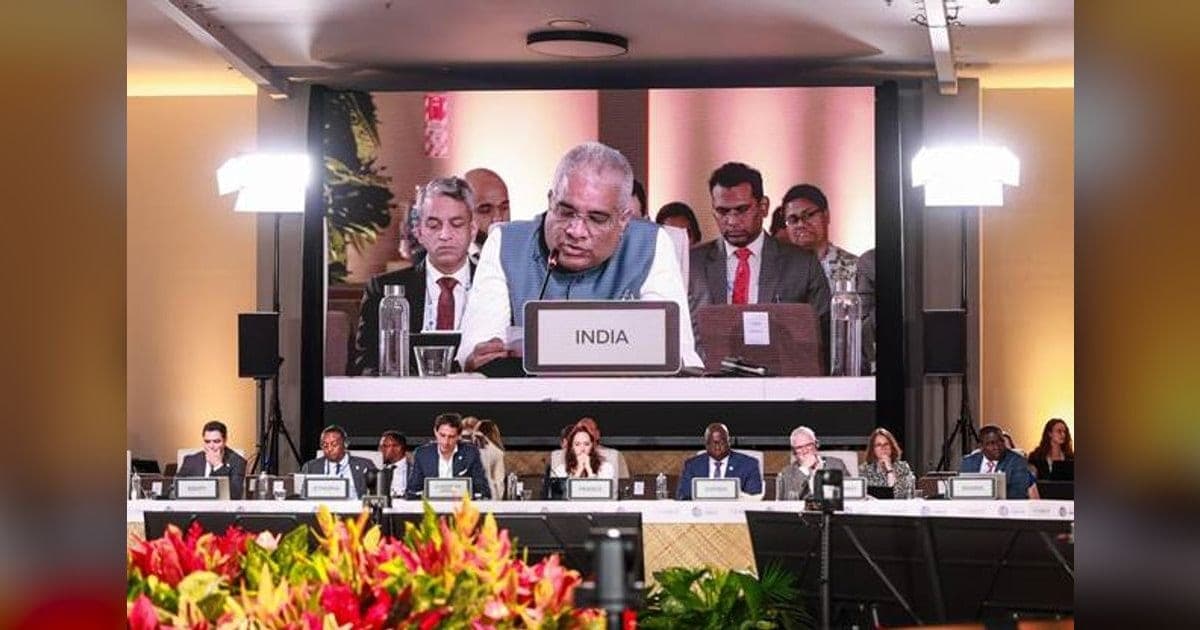
  1. Pre-COP31 in Fiji: Bhupender Yadav Leads Indian Delegation
  2. Additive Manufacturing: MeitY's NSAM Moves to NSAM 2.0 Phase
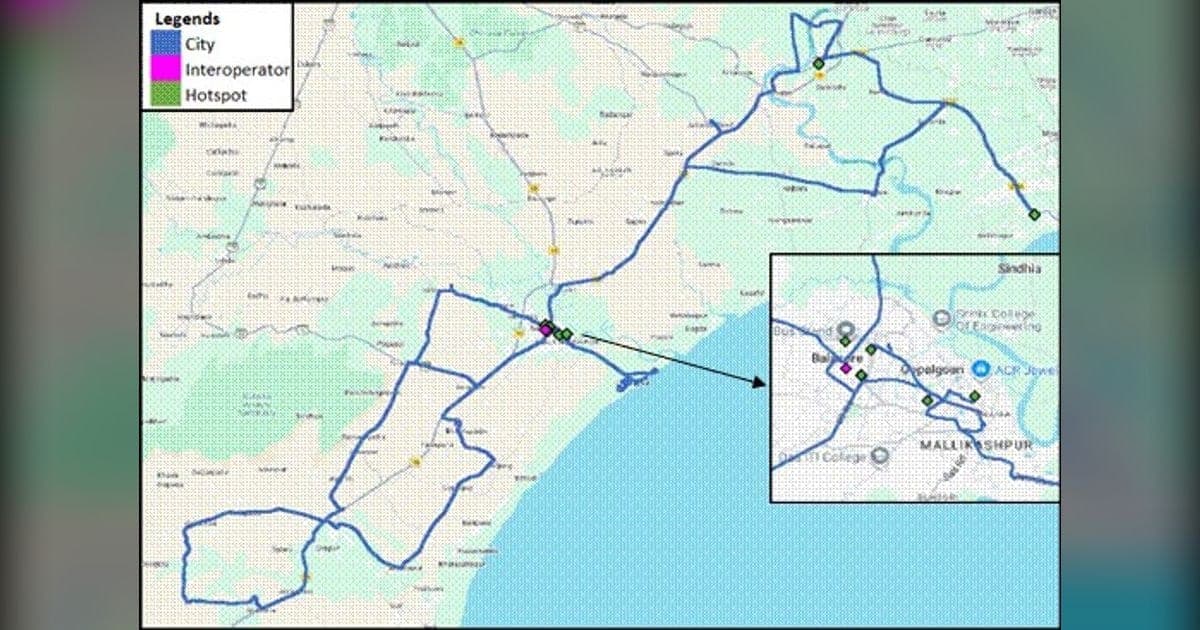
  3. TRAI Drive Test Grades Mobile Networks in Balasore City
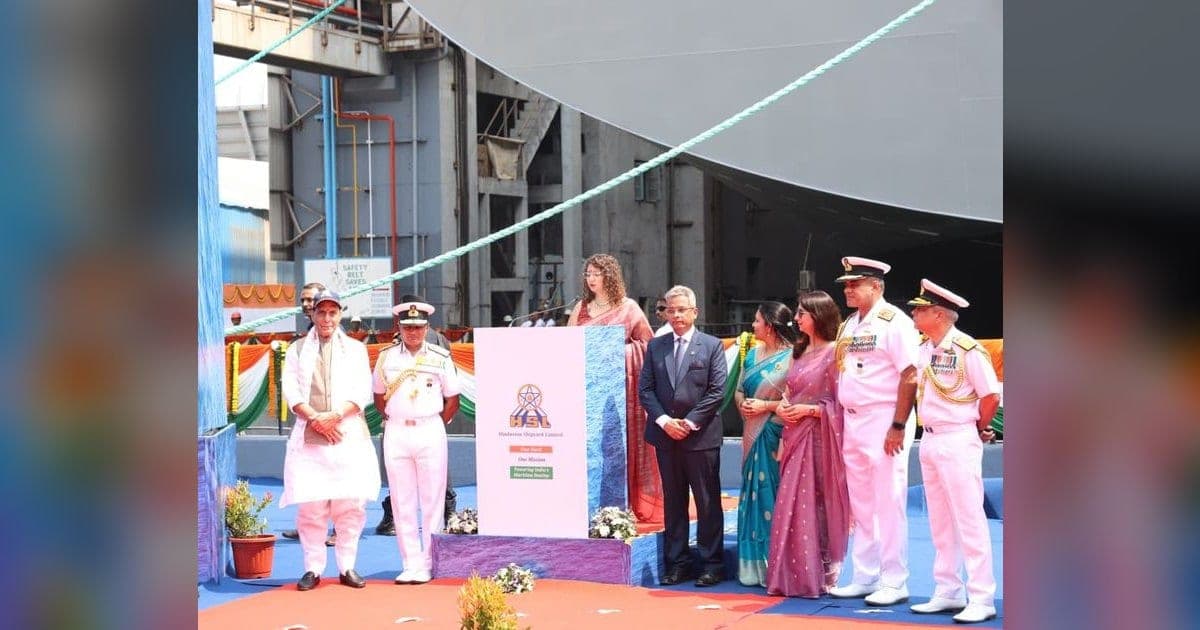
  4. Fleet Support Ship FSS-1 Launched at Hindustan Shipyard
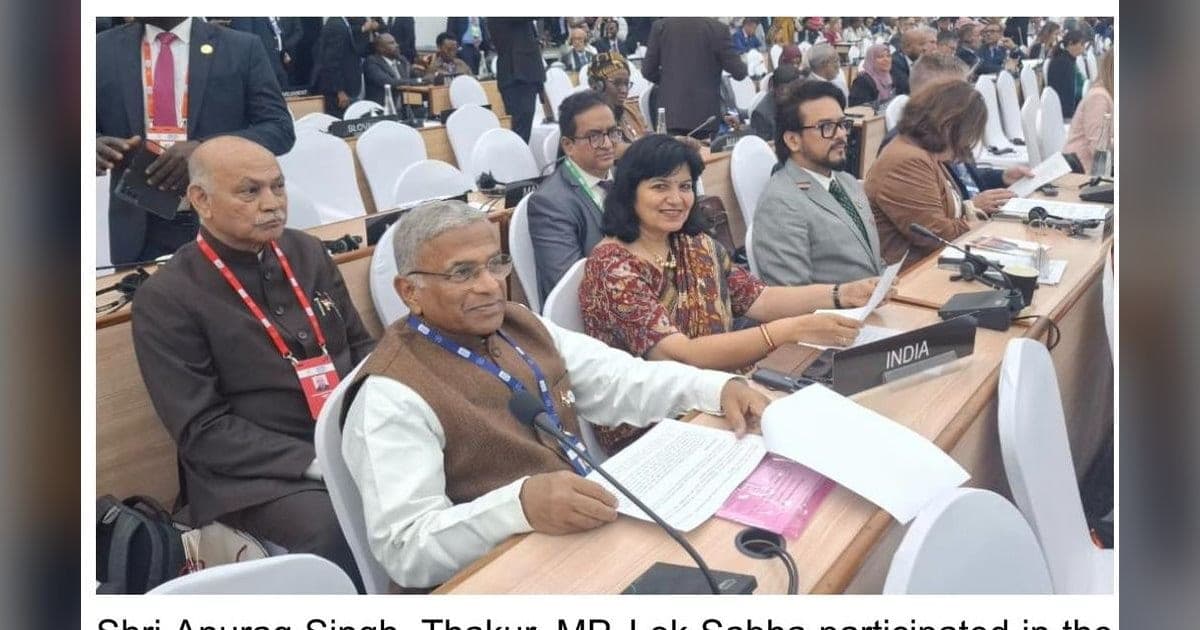
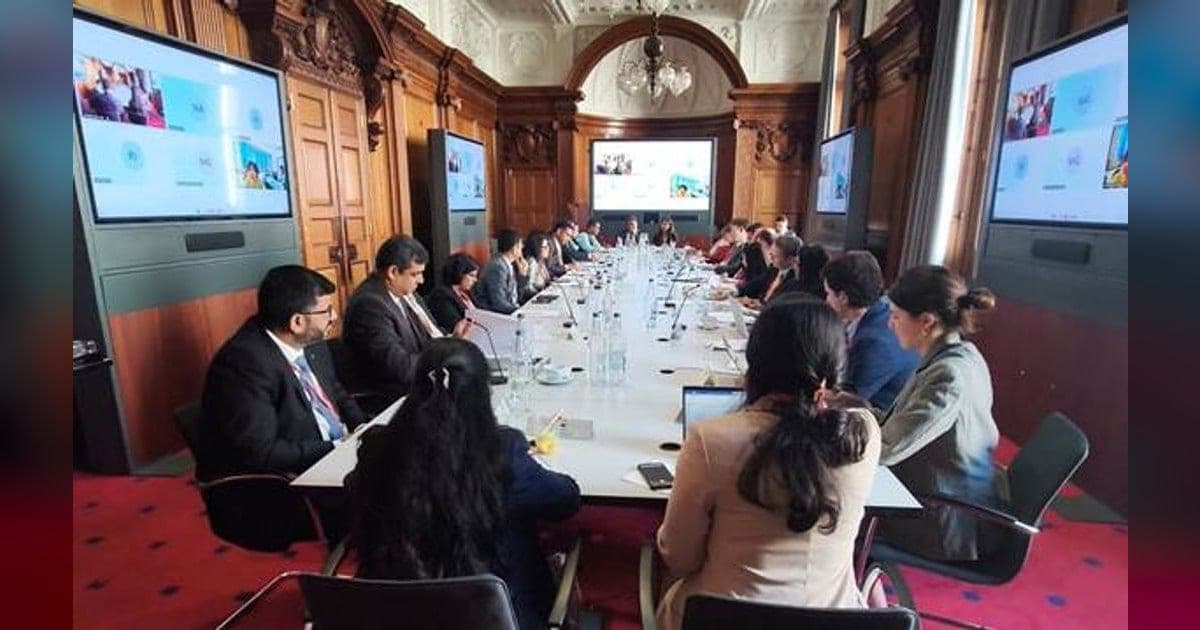
  5. 153rd IPU Assembly: Harivansh Leads India in Arusha
  6. Piyush Goyal Meets Top US Firms in New York on Investment
  7. MoSPI Releases Environmental Accounts Strategy for 2026-2030
  8. Textiles Ministry Wraps Up Swachhata Hi Seva 2026 Drive
  9. India-EFTA TEPA Covers 99.6 Per Cent of India's Exports
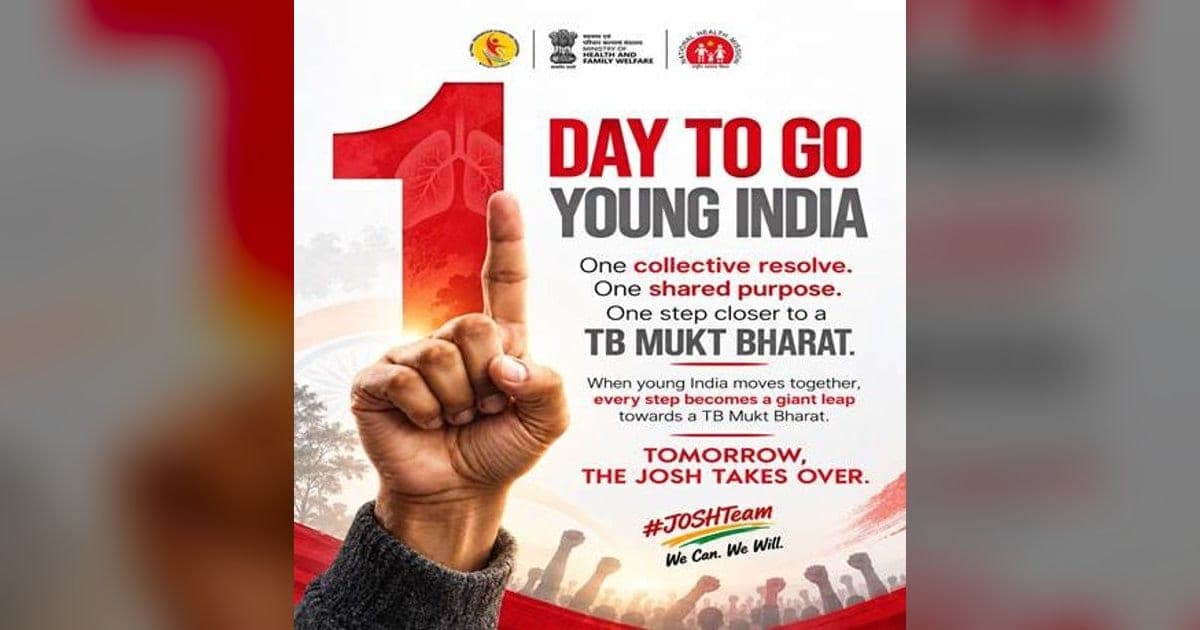
  10. JOSH Teams Launched for TB Mukt Bharat in 55 Districts
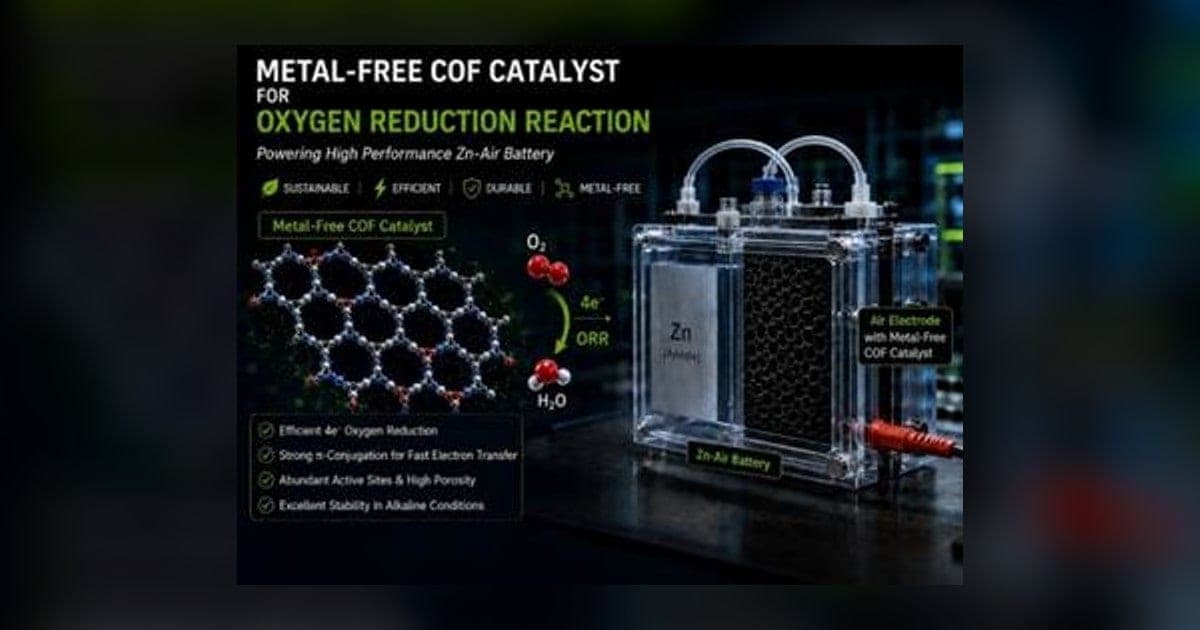
  11. Metal-Free Catalyst TTT-DHTD Rivals Platinum in Zn-Air Cells
  12. DWBDNC Governing Body: Two New Members Sworn In
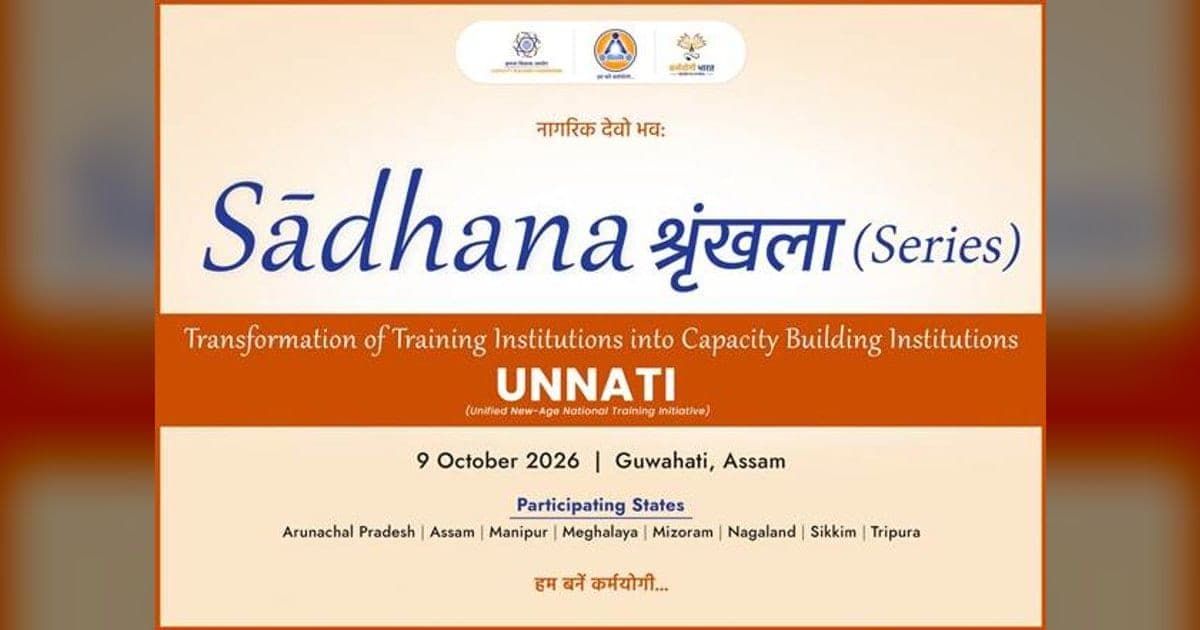
  13. Sadhana Shrinkhla 2026: Guwahati Hosts 2nd CBC Workshop
  14. DST Begins Special Campaign 6 on Swachhata and E-Waste
  15. SAREX-2026 Opens Off Paradip With 30 Nations Joining
  16. India-Ghana MoU Links ICAR With Crops Research Institute
  17. Rajnath Singh Approves Revised SOP for MoD Proof Ranges
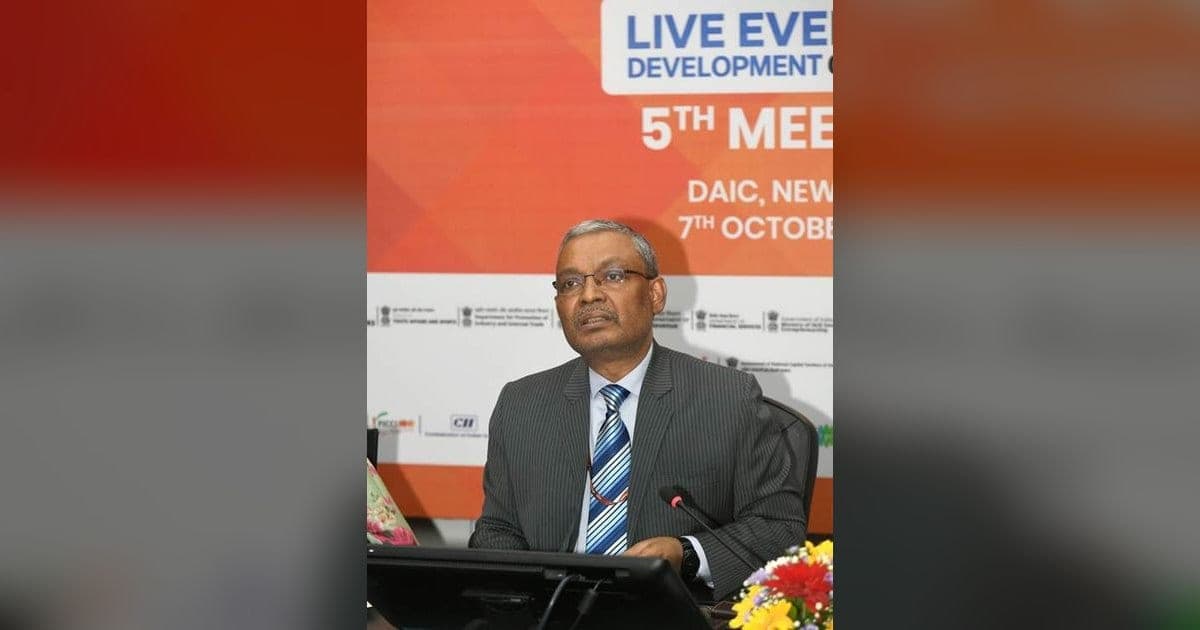
  18. Live Events Sector Grows 44 Per Cent in a Single Year
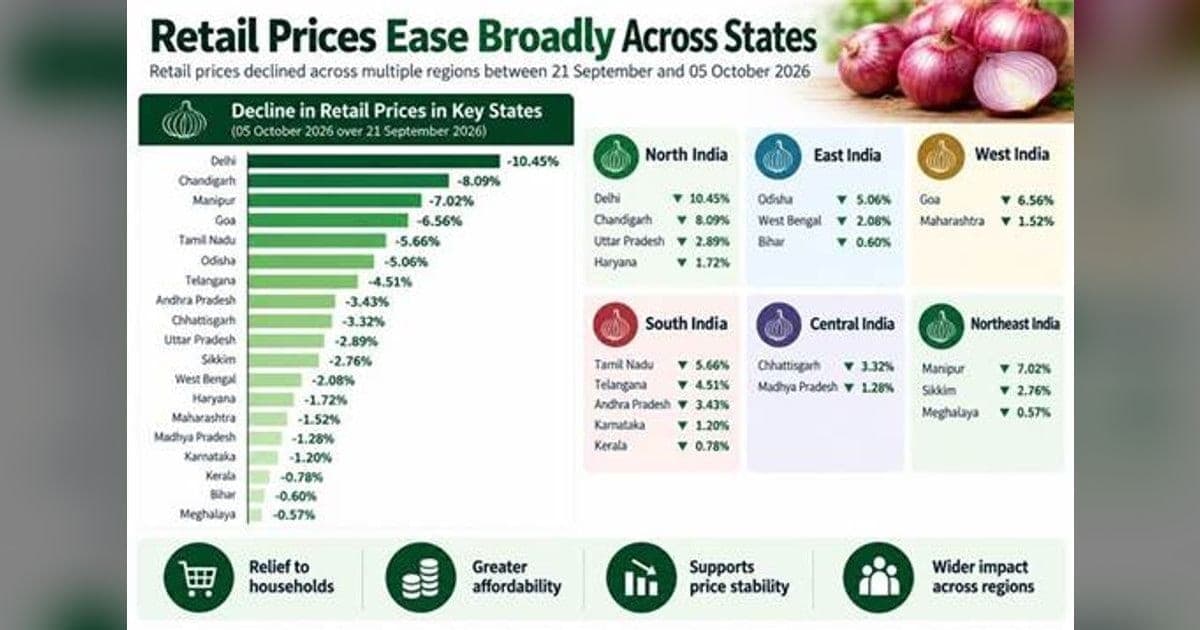
  19. Onion Prices Ease as Kharif Arrivals Gain Momentum
  20. 8th PM Mementos Auction Lists 16 Chhattisgarh Works

One-liner Current Affairs

  • Union Environment Minister Bhupender Yadav led the Indian delegation at the UNFCCC Pre-COP31 meeting in Fiji, co-hosted by Australia, Fiji and Tuvalu
  • MeitY released the National Strategy for Additive Manufacturing (NSAM) in February 2022; it targets a 5 per cent share of the global AM market and about one billion US dollars added to GDP.
  • TRAI released the findings of an Independent Drive Test conducted in Balasore city, in the Odisha licensed service area, for August 2026.
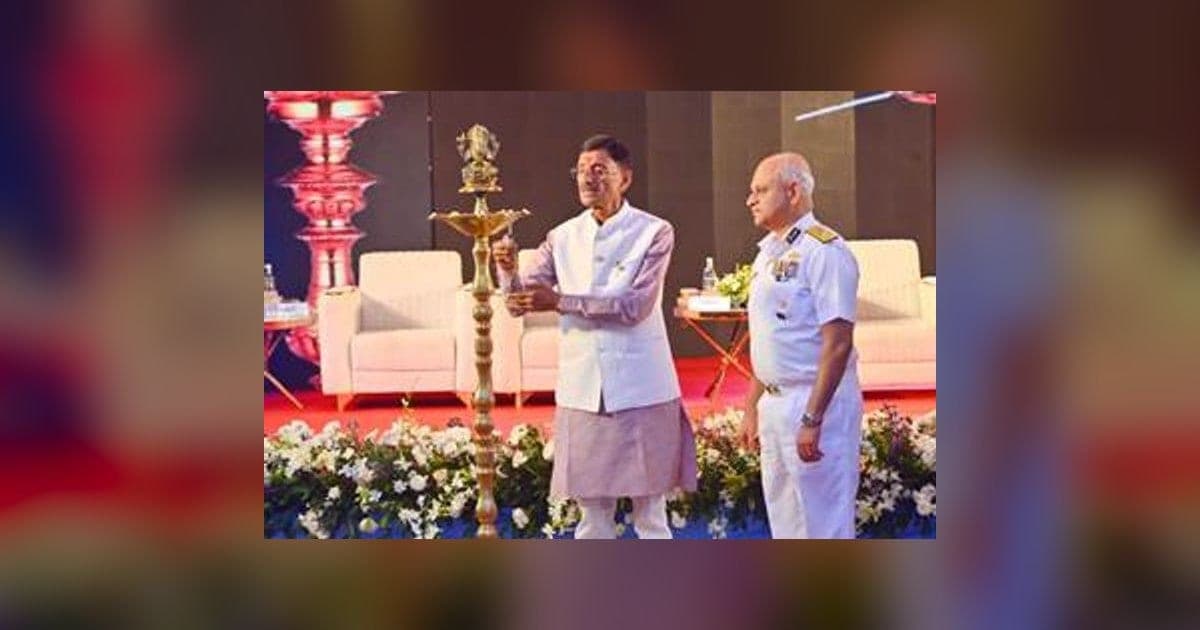
  • FSS-1, the first Fleet Support Ship, was launched on 6 October 2026 at Hindustan Shipyard Limited, Visakhapatnam, with Raksha Mantri Rajnath Singh as chief guest
  • The 153rd Assembly of the Inter-Parliamentary Union (IPU) is being held at Arusha, Tanzania; India's delegation is led by Rajya Sabha Deputy Chairman Harivansh
  • Union Commerce and Industry Minister Piyush Goyal met senior leaders of leading US companies in New York to invite investment into India
  • MoSPI has released a document titled Strategy for Environmental Economic Accounts in India 2026-2030, extending the earlier 2022-2026 strategy
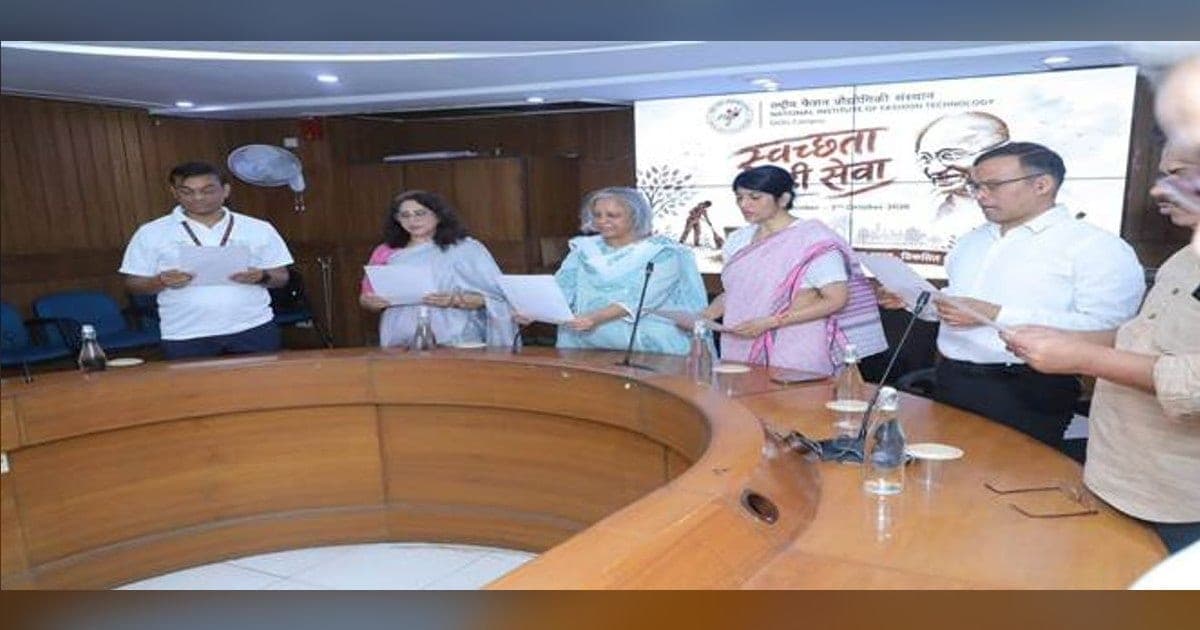
  • The Ministry of Textiles concluded its participation in the Swachhata Hi Seva (SHS) 2026 campaign, organised from 17 September to 2 October 2026
  • The India-EFTA Trade and Economic Partnership Agreement took effect on 1 October 2025 and has now completed its first year
  • JOSH stands for Joint Squad for Health; the teams will be launched on 8 October 2026 at Bharat Mandapam, New Delhi
  • Indian scientists have developed TTT-DHTD, a metal-free organic porous material that works as an air-electrode catalyst in zinc-air batteries
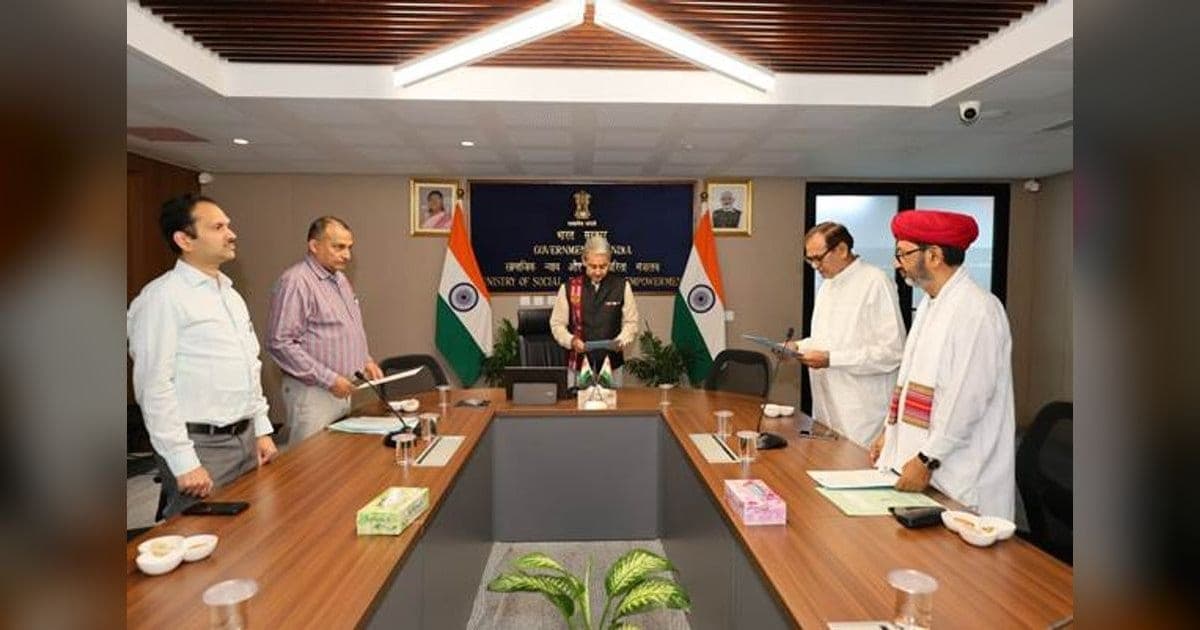
  • Shri Narayan Dewasi and Shri Swaroop Singh Banjara took the oath as Members of the Governing Body of the DWBDNC
  • The Capacity Building Commission will hold the second regional workshop of Sadhana Shrinkhla (Series) 2026 at Guwahati, Assam, on 9 October 2026
  • DST completed the preparatory phase of Special Campaign 6 on 30 September 2026; the implementation phase runs from 2 October to 31 October 2026
  • Raksha Rajya Mantri Sanjay Seth inaugurated the Multinational Search and Rescue Exercise SAREX-2026 on 7 October 2026
  • ICAR, New Delhi, and the Crops Research Institute (CSIR-CRI), Accra, signed a Memorandum of Understanding on agricultural research, education and technology transfer
  • Raksha Mantri Rajnath Singh approved a revised Standard Operating Procedure for use of MoD proof ranges, field firing ranges and test facilities by Indian defence industry
  • India’s live events sector grew 44 per cent over the past year with around 34,000 events and now supports more than one crore livelihoods
  • Fresh kharif onion arrivals have begun from Karnataka, Andhra Pradesh and Rajasthan, with all-India kharif acreage about 5 per cent above last year
  • Sixteen mementos from Chhattisgarh form part of the 8th PM Mementos collection put up for auction

National

View all →

International

View all →

Banking & Finance

View all →

Science & Technology

View all →

Appointments

View all →

Government Schemes

View all →

Environment

View all →

Reports & Indices

View all →

Summits & Conferences

View all →

Persons in News

View all →

Today's MCQs

Q2.General ScienceAsked in: Bihar · BPSC AE Paper 3, 2019Medium

A hydrogen bomb creates devastating explosion because of

  1. A.nuclear fission and nuclear fusion
  2. B.nuclear fission
  3. C.the use of the cryogenic hydrogen
  4. D.the use of ultra pressed hydrogen
Show answer
Correct answer: A. nuclear fission and nuclear fusion

A hydrogen bomb, also called a thermonuclear bomb, works in two steps. A fission explosion of uranium or plutonium produces the temperature of millions of degrees needed to force light nuclei together, and the fusion of those nuclei then releases far more energy than the fission stage alone.

Q3.General ScienceEasy

Radioactivity was discovered by which scientist?

  1. A.Henri Becquerel
  2. B.Marie Curie
  3. C.Ernest Rutherford
  4. D.Wilhelm Roentgen
Show answer
Correct answer: A. Henri Becquerel

In 1896 Becquerel found that a uranium salt kept in the dark fogged a wrapped photographic plate, which showed that the salt emitted its own penetrating radiation without being exposed to light.

Q5.General ScienceMedium

When a nucleus emits an alpha particle, how do its mass number and atomic number change?

  1. A.Mass number falls by 2 and atomic number by 1
  2. B.Mass number falls by 4 and atomic number by 2
  3. C.Mass number is unchanged and atomic number rises by 1
  4. D.Both remain unchanged
Show answer
Correct answer: B. Mass number falls by 4 and atomic number by 2

An alpha particle takes away two protons and two neutrons, so the parent loses four units of mass number and two units of atomic number and becomes an element two places earlier in the periodic table; uranium-238, for instance, becomes thorium-234.

Q7.General ScienceMedium

In a nuclear reactor, heavy water is used mainly for which purpose?

  1. A.As a moderator
  2. B.As a fuel
  3. C.As a control rod
  4. D.As shielding
Show answer
Correct answer: A. As a moderator

Heavy water, in which the hydrogen of ordinary water is replaced by deuterium, slows the fast neutrons released in fission to low speeds at which they are far more likely to split further uranium nuclei, and it absorbs very few neutrons in doing so, which is why Indian pressurised heavy…

Q8.General ScienceMedium

Control rods used to regulate the rate of a nuclear chain reaction are commonly made of which materials?

  1. A.Graphite and heavy water
  2. B.Cadmium and boron
  3. C.Lead and concrete
  4. D.Uranium and plutonium
Show answer
Correct answer: B. Cadmium and boron

Both absorb neutrons strongly, so pushing the rods into the core removes neutrons and slows the chain reaction, while withdrawing them allows the reaction to build up; this is how the power of a reactor is controlled and how it is shut down.

Q9.General ScienceEasy

The energy radiated by the Sun is produced mainly by which process?

  1. A.Nuclear fission of uranium
  2. B.Nuclear fusion of hydrogen nuclei
  3. C.Chemical combustion of hydrogen
  4. D.Radioactive decay of heavy elements
Show answer
Correct answer: B. Nuclear fusion of hydrogen nuclei

In the core of the Sun, at temperatures of millions of degrees, hydrogen nuclei fuse in stages to form helium, and the small amount of mass lost in the process appears as energy according to Einstein's mass-energy relation.

Q11.General ScienceMedium

Which was the first nuclear power station to be set up in India?

  1. A.Tarapur, Maharashtra
  2. B.Kalpakkam, Tamil Nadu
  3. C.Rawatbhata, Rajasthan
  4. D.Narora, Uttar Pradesh
Show answer
Correct answer: A. Tarapur, Maharashtra

The Tarapur Atomic Power Station was the first nuclear power station in India and also the first in Asia, built with American collaboration and using boiling water reactors, unlike the pressurised heavy water reactors of the later Indian stations.

Q16.GeographyMedium

The Damodar Valley Corporation, India's first multipurpose river valley project, was modelled on which authority?

  1. A.Tennessee Valley Authority of the United States
  2. B.Rhine Commission of Europe
  3. C.Volga Authority of the Soviet Union
  4. D.Yangtze Commission of China
Show answer
Correct answer: A. Tennessee Valley Authority of the United States

The Damodar Valley Corporation was created by an Act of 1948 as an autonomous body for an entire river basin, with flood control, irrigation, power and navigation under one management, exactly on the pattern of the Tennessee Valley Authority set up in America in 1933.

Q17.GeographyMedium

Which article of the Constitution empowers Parliament to provide for the adjudication of inter-state river water disputes?

  1. A.Article 252
  2. B.Article 262
  3. C.Article 263
  4. D.Article 280
Show answer
Correct answer: B. Article 262

Article 262 allows Parliament to make a law for the adjudication of any dispute about the use, distribution or control of the waters of an inter-state river or river valley, and to bar the Supreme Court and all other courts from such disputes.

Q18.GeographyMedium

The Kaveri water dispute involves which group of states and union territories?

  1. A.Karnataka, Maharashtra, Telangana and Andhra Pradesh
  2. B.Karnataka, Tamil Nadu, Kerala and Puducherry
  3. C.Tamil Nadu, Kerala, Goa and Karnataka
  4. D.Odisha, Chhattisgarh, Jharkhand and West Bengal
Show answer
Correct answer: B. Karnataka, Tamil Nadu, Kerala and Puducherry

The Kaveri rises in Karnataka at Talakaveri in the Brahmagiri hills, flows through Tamil Nadu to the delta, receives tributaries from Kerala and serves the Karaikal region of Puducherry, so all four are parties.

Q22.GeographyMedium

The Sardar Sarovar project is built on which river, and which four states share its benefits?

  1. A.Tapi; Gujarat, Maharashtra, Madhya Pradesh and Rajasthan
  2. B.Narmada; Gujarat, Madhya Pradesh, Maharashtra and Rajasthan
  3. C.Mahi; Gujarat, Rajasthan, Madhya Pradesh and Maharashtra
  4. D.Chambal; Rajasthan, Madhya Pradesh, Gujarat and Uttar Pradesh
Show answer
Correct answer: B. Narmada; Gujarat, Madhya Pradesh, Maharashtra and Rajasthan

The Sardar Sarovar dam stands on the Narmada in Narmada district of Gujarat, and the Narmada Water Disputes Tribunal, whose award came in 1979, divided the water among these four states and fixed the dam's height.

Q23.GeographyHard

The Mahanadi water dispute, for which a tribunal was constituted in 2018, is between which two states?

  1. A.Odisha and Chhattisgarh
  2. B.Odisha and Andhra Pradesh
  3. C.Chhattisgarh and Madhya Pradesh
  4. D.Odisha and West Bengal
Show answer
Correct answer: A. Odisha and Chhattisgarh

The Mahanadi rises in Chhattisgarh and flows into Odisha, where the Hirakud reservoir depends on its flow, so the barrages built upstream in Chhattisgarh brought a dispute that led the Union government to constitute a tribunal in 2018 under the Inter-State River Water Disputes Act, 1956.

Q24.GeographyMedium

Under which law does the Union government constitute a tribunal to decide an inter-state river water dispute?

  1. A.River Boards Act, 1956
  2. B.Inter-State River Water Disputes Act, 1956
  3. C.Environment (Protection) Act, 1986
  4. D.Water (Prevention and Control of Pollution) Act, 1974
Show answer
Correct answer: B. Inter-State River Water Disputes Act, 1956

Passed under Article 262, this Act requires the Union government to constitute a tribunal when a state asks for one and the dispute cannot be settled by negotiation, and the award of the tribunal, once notified, has the force of a decree of the Supreme Court.

Q25.Indian EconomyEasy

The Pradhan Mantri Jan Dhan Yojana was launched in which year?

  1. A.2012
  2. B.2014
  3. C.2015
  4. D.2016
Show answer
Correct answer: B. 2014

The Pradhan Mantri Jan Dhan Yojana was launched on 28 August 2014 as the national mission for financial inclusion, offering a zero-balance Basic Savings Bank Deposit Account, a RuPay debit card with accident insurance cover and an overdraft facility for accounts operated satisfactorily.

Q26.Indian EconomyEasy

The Unified Payments Interface is developed and operated by which organisation?

  1. A.Reserve Bank of India
  2. B.State Bank of India
  3. C.National Payments Corporation of India
  4. D.Securities and Exchange Board of India
Show answer
Correct answer: C. National Payments Corporation of India

NPCI, set up in 2008 as the umbrella organisation for retail payments in the country, built and runs the Unified Payments Interface, along with RuPay, IMPS, the Aadhaar Enabled Payment System, the National Automated Clearing House and FASTag.

Q27.Indian EconomyMedium

Which of the following activities is a payments bank in India not permitted to undertake?

  1. A.Accepting small deposits from customers
  2. B.Giving loans and issuing credit cards
  3. C.Issuing debit cards to customers
  4. D.Selling insurance products as an agent
Show answer
Correct answer: B. Giving loans and issuing credit cards

Payments banks were licensed on the recommendation of the Nachiket Mor Committee to widen access to deposits and payments, and the Reserve Bank's guidelines expressly bar them from lending and from issuing credit cards; their funds must go into government securities and deposits with other banks.

Q28.Indian EconomyMedium

Under the Pradhan Mantri MUDRA Yojana, the Shishu category covers loans up to what amount?

  1. A.Twenty-five thousand rupees
  2. B.Fifty thousand rupees
  3. C.One lakh rupees
  4. D.Five lakh rupees
Show answer
Correct answer: B. Fifty thousand rupees

MUDRA loans to non-farm micro enterprises are graded in three named categories: Shishu for loans up to fifty thousand rupees, Kishore for loans above fifty thousand and up to five lakh, and Tarun for loans above five lakh and up to ten lakh, with a higher slab added later for…

Q30.Indian EconomyEasy

The JAM trinity, central to direct benefit transfer in India, stands for which combination?

  1. A.Jan Dhan, Aadhaar and Mobile
  2. B.Jan Dhan, Atal Pension and MUDRA
  3. C.Jan Suraksha, Aadhaar and Micro insurance
  4. D.Jan Dhan, Ayushman and MGNREGA
Show answer
Correct answer: A. Jan Dhan, Aadhaar and Mobile

The expression describes the three pieces that together make a cash transfer possible: a bank account opened under the Jan Dhan Yojana to receive the money, the Aadhaar number to identify the beneficiary and remove duplicate names, and the mobile phone through which the beneficiary is informed and can transact.

Q31.Indian EconomyMedium

The Pradhan Mantri Jeevan Jyoti Bima Yojana provides life insurance cover of what amount, and to which age group?

  1. A.One lakh rupees, ages 18 to 50
  2. B.Two lakh rupees, ages 18 to 50
  3. C.Two lakh rupees, ages 18 to 70
  4. D.Five lakh rupees, ages 21 to 60
Show answer
Correct answer: B. Two lakh rupees, ages 18 to 50

The Pradhan Mantri Jeevan Jyoti Bima Yojana is a one-year renewable life insurance cover of two lakh rupees on death from any cause, open to holders of a savings bank account between eighteen and fifty years of age, with the premium debited from the account.

Q32.Indian EconomyMedium

The Atal Pension Yojana is open to subscribers of which age group?

  1. A.18 to 40 years
  2. B.18 to 50 years
  3. C.21 to 55 years
  4. D.25 to 60 years
Show answer
Correct answer: A. 18 to 40 years

The Atal Pension Yojana, launched in 2015 and administered by the Pension Fund Regulatory and Development Authority, admits subscribers between eighteen and forty years of age so that every subscriber contributes for at least twenty years before the pension begins at sixty.

Q34.Indian EconomyHard

The Aadhaar Enabled Payment System allows a customer to transact using which combination?

  1. A.Aadhaar number and fingerprint
  2. B.Debit card and PIN
  3. C.Cheque and passbook
  4. D.Virtual payment address and UPI PIN
Show answer
Correct answer: A. Aadhaar number and fingerprint

The Aadhaar Enabled Payment System lets a customer withdraw or deposit cash, check a balance or transfer money at a micro ATM held by a business correspondent, identifying himself with the bank name, the Aadhaar number and a biometric such as a fingerprint, so neither a card nor a cheque…

Q36.Indian EconomyEasy

The no-frills account introduced by the Reserve Bank for financial inclusion is now known by which name?

  1. A.Basic Savings Bank Deposit Account
  2. B.Recurring Deposit Account
  3. C.Current Account
  4. D.Fixed Deposit Account
Show answer
Correct answer: A. Basic Savings Bank Deposit Account

The Reserve Bank asked banks in 2005 to offer a no-frills account with nil or very low minimum balance so that poor households would not be kept out by charges, and in 2012 the product was renamed the Basic Savings Bank Deposit Account, with a free debit card and a…

Q38.Indian HistoryEasy

The Brihadisvara temple at Thanjavur was built by which ruler?

  1. A.Rajendra I
  2. B.Rajaraja I
  3. C.Kulottunga I
  4. D.Rajaraja II
Show answer
Correct answer: B. Rajaraja I

The temple at Thanjavur, known both as the Rajarajesvara temple after its builder and as the Brihadisvara temple, was completed in 1010 during the reign of Rajaraja I. Its vimana is one of the tallest of any medieval Indian temple and its walls carry long inscriptions recording grants, servants and…

Q41.Indian HistoryHard

The Uttaramerur inscriptions, famous for describing the election of village committees, belong to which dynasty?

  1. A.Pallava
  2. B.Chola
  3. C.Rashtrakuta
  4. D.Chalukya
Show answer
Correct answer: B. Chola

The inscriptions on the temple walls at Uttaramerur in Tamil Nadu, of the tenth century, set out in detail how the sabha of that brahmadeya village chose the members of its committees: who was qualified by landholding, house, learning and age, who was disqualified, and how name-tickets were drawn from…

Q43.Indian HistoryMedium

The famous Chola bronze images, such as Shiva as Nataraja, were made by which technique?

  1. A.Lost-wax process
  2. B.Sand casting
  3. C.Repousse work
  4. D.Granulation
Show answer
Correct answer: A. Lost-wax process

In this method, called cire perdue, the image is first modelled in wax, then covered with clay to form a mould; the wax is melted and drained out, molten metal is poured into the hollow, and the clay is broken away to reveal a single solid image that cannot be…

Q44.Indian HistoryHard

Which Chola ruler was defeated at the battle of Takkolam by the Rashtrakuta king Krishna III?

  1. A.Aditya I
  2. B.Parantaka I
  3. C.Rajaraja I
  4. D.Kulottunga I
Show answer
Correct answer: B. Parantaka I

Parantaka I had extended Chola power over the Pandya country and taken the title Maduraikonda, but his advance was stopped at Takkolam, in present-day Tamil Nadu, where the Rashtrakuta king Krishna III defeated the Chola army and the crown prince Rajaditya was killed in the fighting.

Q46.Indian HistoryMedium

Ayyavole, Manigramam and Nanadesi were what kind of organisations in the Chola period?

  1. A.Merchant guilds
  2. B.Military regiments
  3. C.Temple committees
  4. D.Land revenue grades
Show answer
Correct answer: A. Merchant guilds

Ayyavole, also called the Five Hundred of Ayyavole, along with Manigramam and Nanadesi, were associations of traders who handled inland and overseas commerce, financed temples, maintained their own guards and left inscriptions in South India and as far away as Sumatra.

Q47.Indian HistoryHard

The Kallanai or Grand Anicut across the Kaveri river is traditionally credited to which ruler?

  1. A.Karikala of the early Cholas
  2. B.Rajaraja I
  3. C.Rajendra I
  4. D.Rajaraja II
Show answer
Correct answer: A. Karikala of the early Cholas

The Kallanai, known in English as the Grand Anicut, is a dam built across the Kaveri to divert water into the delta channels, and tradition assigns it to Karikala, a king of the early Cholas of the Sangam age who ruled from Uraiyur.

Q48.Indian HistoryHard

In the Chola period, a village granted to brahmanas and governed by its own assembly was known as what?

  1. A.Devadana
  2. B.Brahmadeya
  3. C.Vellanvagai
  4. D.Pallichchandam
Show answer
Correct answer: B. Brahmadeya

A brahmadeya was land or a whole village granted to brahmanas, usually free of several taxes, and its assembly of adult male brahmana landholders was the sabha or mahasabha, which worked through committees called variyams; the Uttaramerur inscriptions describe such a sabha.

Q50.Indian PolityAsked in: Delhi · 5 Nov 2019Medium

Which article of the Indian Constitution defines the money bill?

  1. A.Article 114
  2. B.Article 112
  3. C.Article 116
  4. D.Article 110
Show answer
Correct answer: D. Article 110

Article 110 defines a Money Bill as a bill dealing only with matters such as the imposition or abolition of a tax, borrowing by the Government of India, the custody of the Consolidated Fund or the Contingency Fund, and the appropriation of money out of the Consolidated Fund.

Quiz of the day

More current affairs