






Skip to content
GK24

5 October 2026 Current Affairs: PMGSY Chintan Shivir, ITRA Study

29 updates· 50 MCQsLast updated

The current affairs for 5 October 2026 cover 29 stories and 96 practice questions. The edition covers Science & Technology, International, National, Economy, Summits & Conferences, Government Schemes, Environment, Defence, Reports & Indices, Appointments, Important Days. Every fact is drawn from an official government release, and each article cites the release it came from. Candidates preparing for SSC, Banking, UPSC, Railway and State exams can use the one-liners below for a quick revision of the day.

Quiz of the day25 questions · 25 minutesStart Quiz

Top Headlines

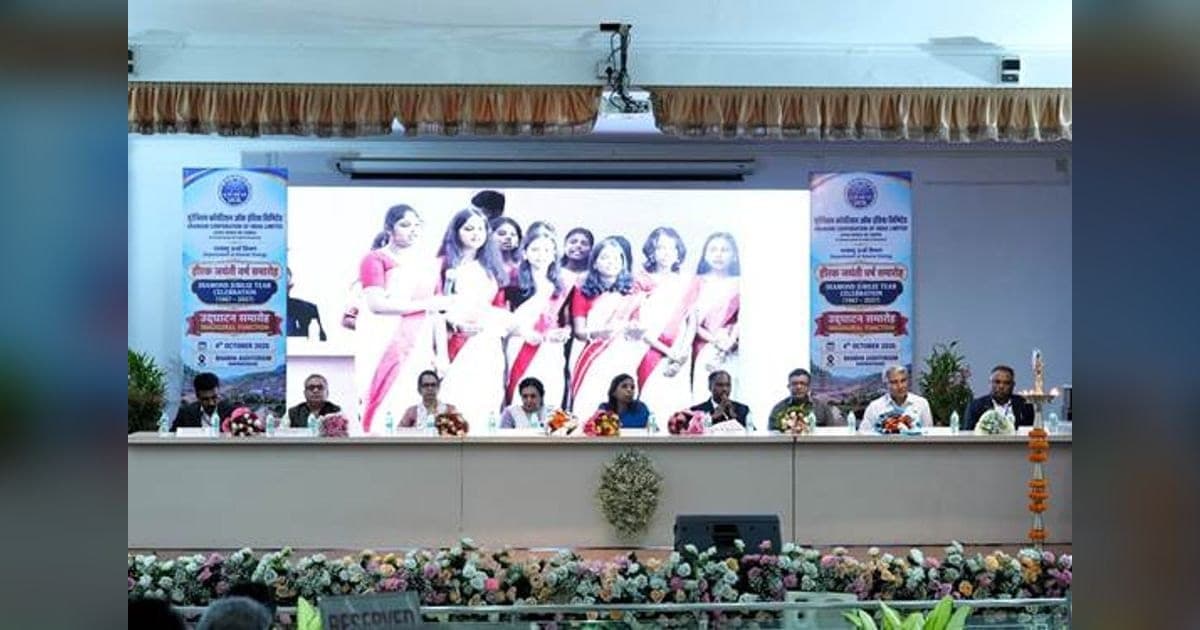
  1. UCIL Marks Diamond Jubilee Year of Uranium Mining
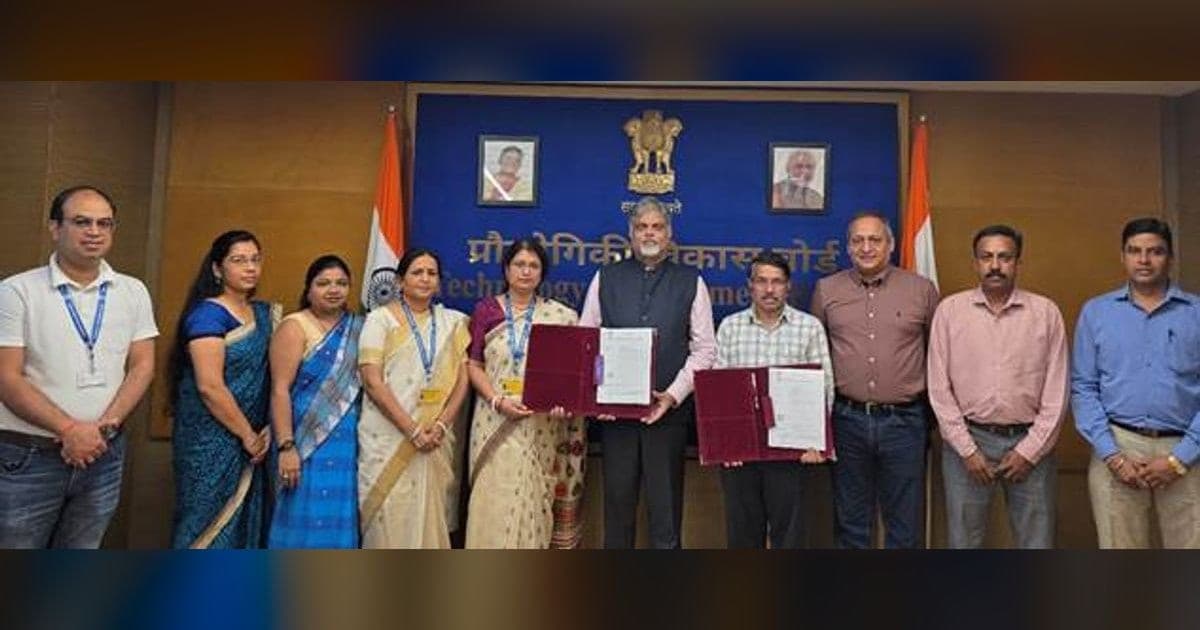
  2. TDB Backs Project VeerAI With Rs 130 Crore for AI Vision Chip
  3. India, Switzerland Sign Mobility and Infrastructure Agreements
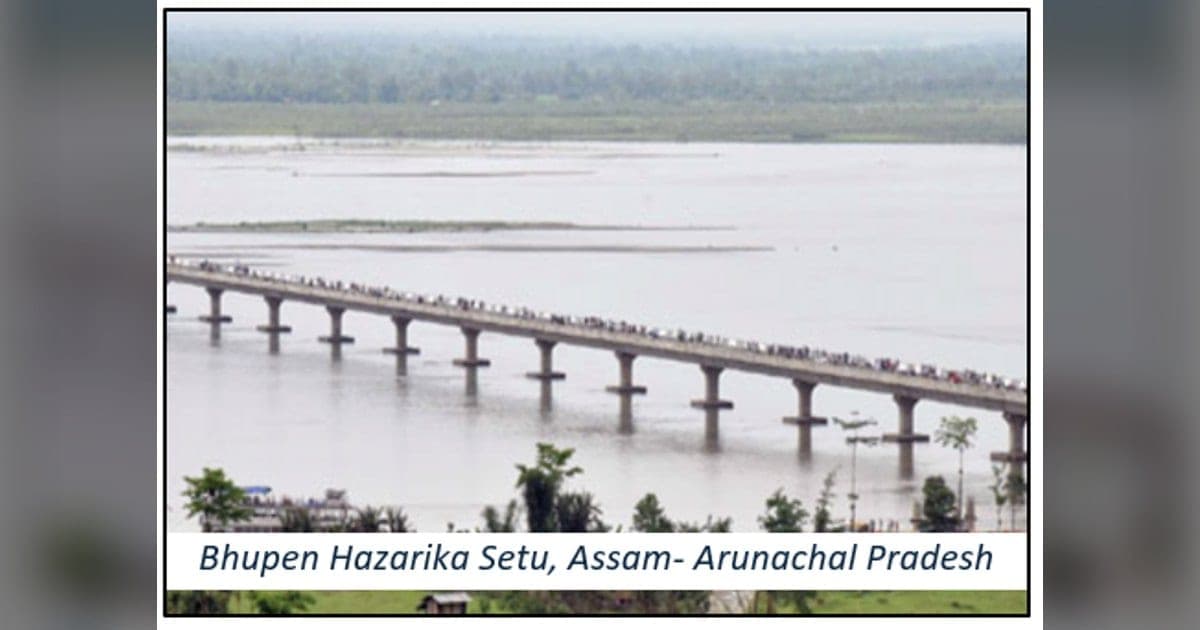
  4. Infrastructure Push Cuts Travel Time, 549 Trains Speeded Up
  5. Coal India Offtake Reaches 384.2 MT in First Half of 2026-27
  6. Sanchar Saathi Portal Crosses 30 Crore Visits Against Telecom Fraud
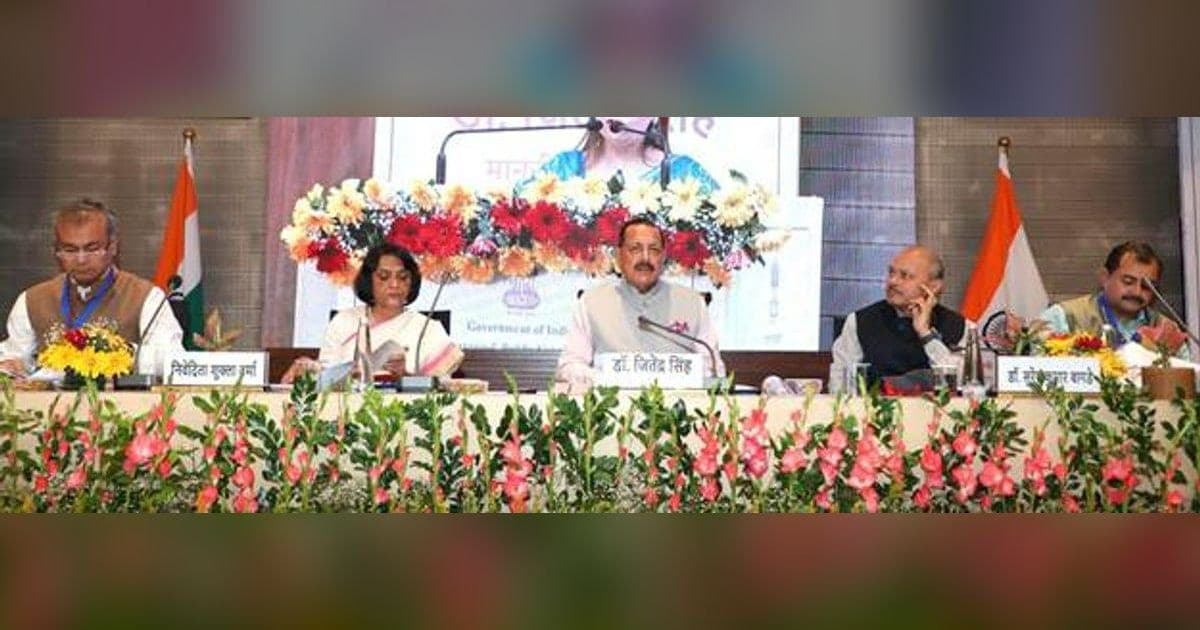
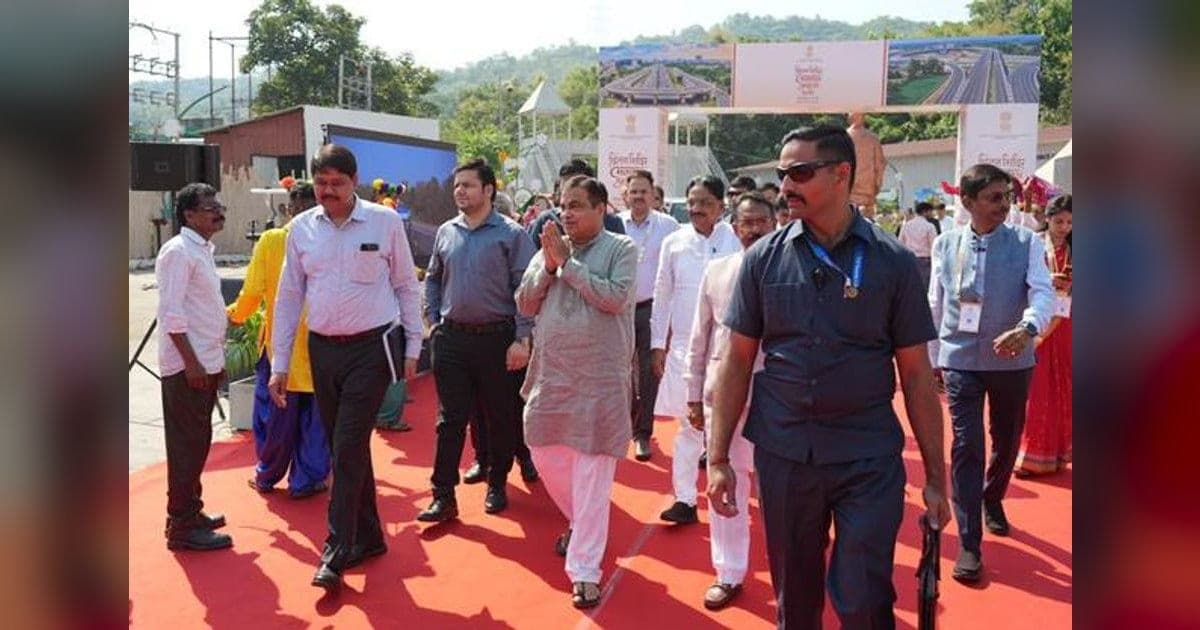
  7. Gadkari Opens Chintan Shivir 2026 on Highway Infrastructure
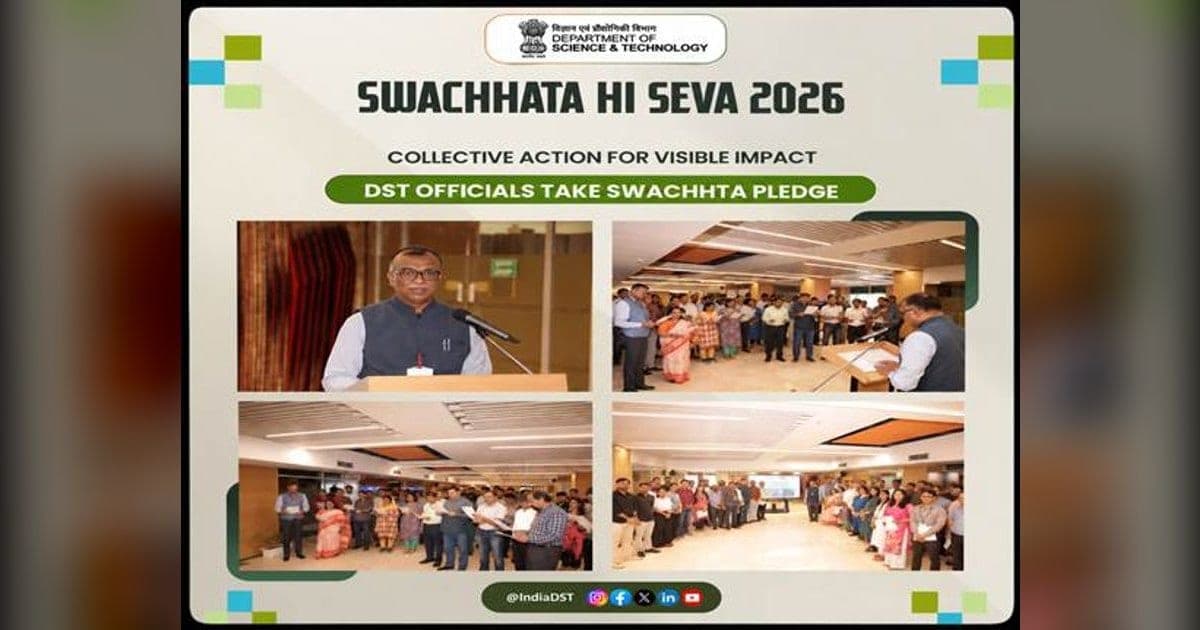
  8. DST Marks Swachhata Hi Sewa 2026, Felicitates 110 Safai Mitras
  9. Kuno Cheetah KJP21 Delivers Five Cubs, India Tally Reaches 60
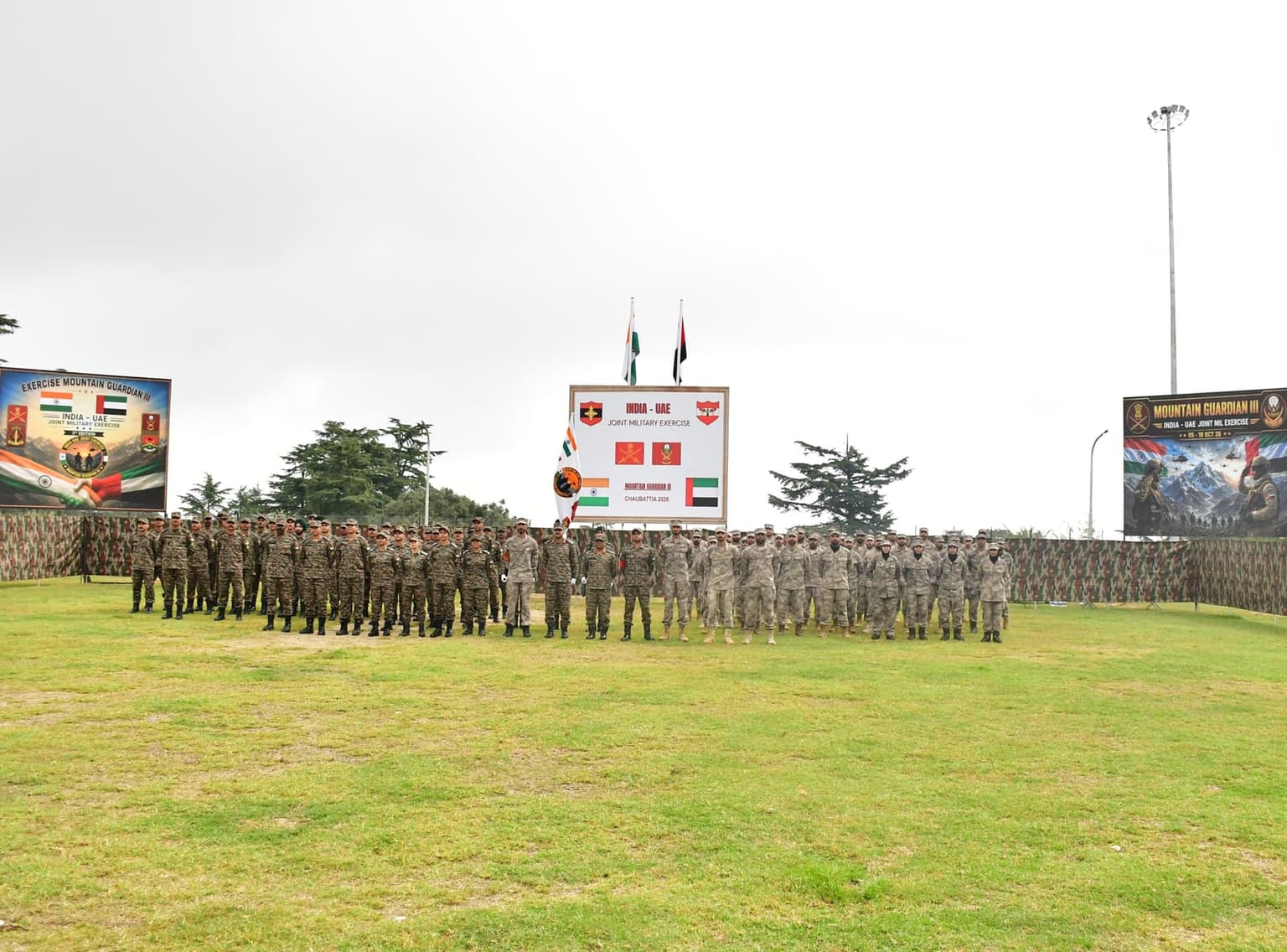
  10. Exercise Mountain Guardian 2026 Begins at Chaubatia, Uttarakhand
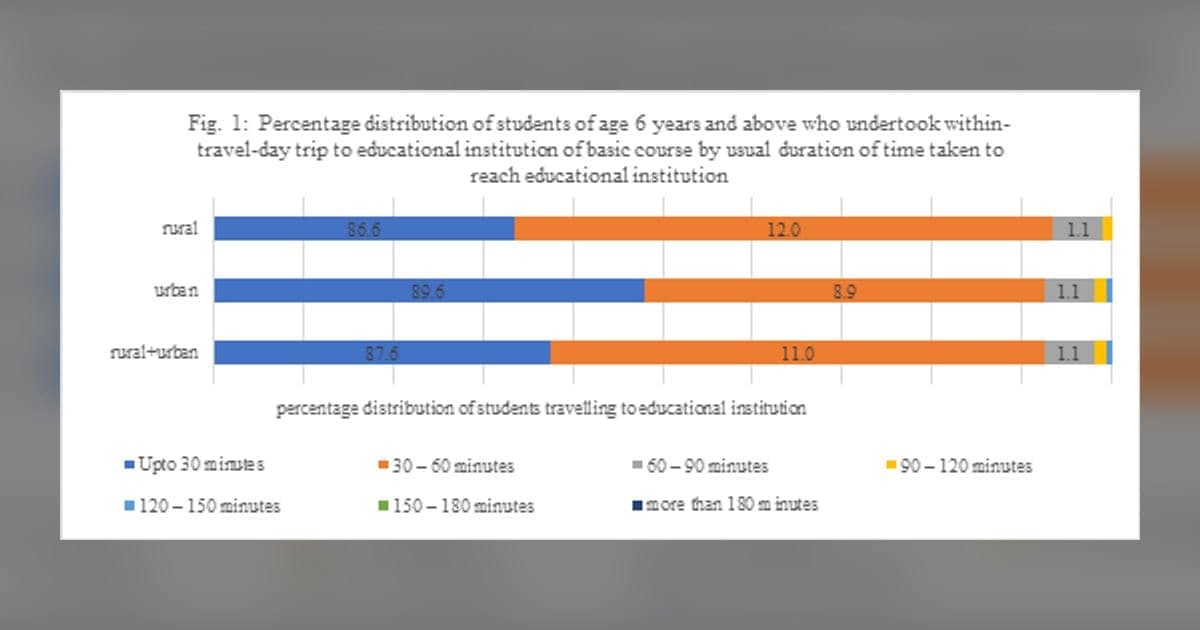
  11. First National Household Travel Survey: Two-Wheelers Lead at 42.6%
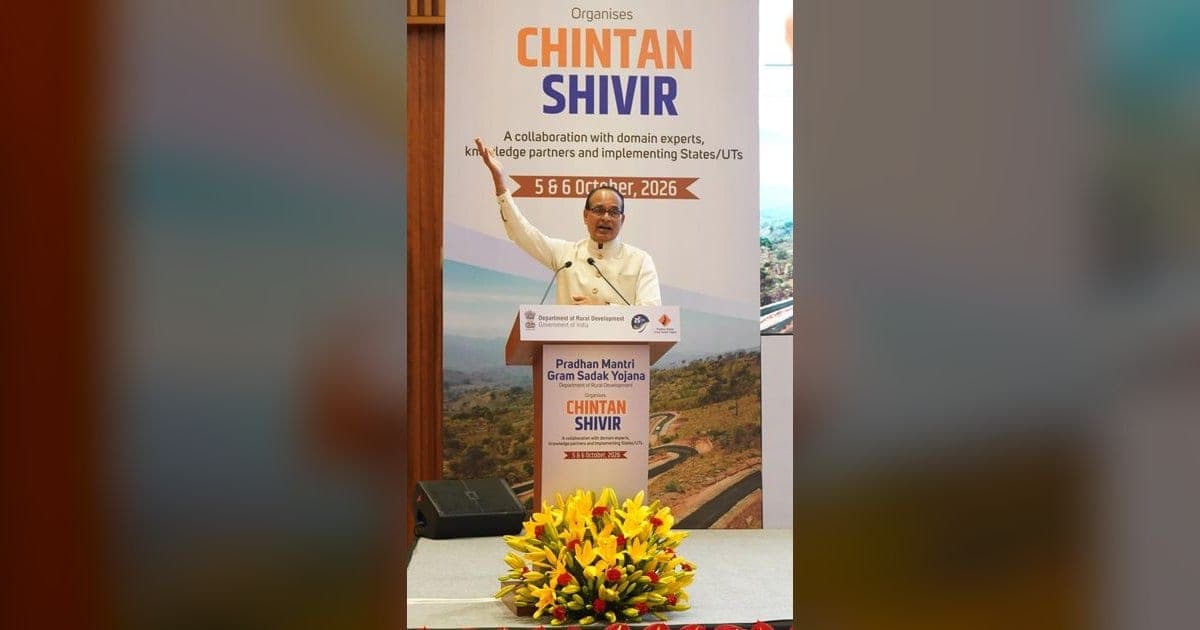
  12. PMGSY Chintan Shivir: 62 Thousand km Roads in Fourth Phase
  13. ITRA Study: Ayurveda with Yoga Cuts Bedwetting by 70 Per Cent
  14. 17th Pension Adalat Clears 756 of 897 Old Grievances
  15. First Fleet Support Ship FSS-1 to Be Launched at Visakhapatnam
  16. HAL Koraput to Hand Over 2,000th Aero-Engine in Odisha
  17. Windergy India 2026 in Chennai, Wind Capacity at 58.52 GW
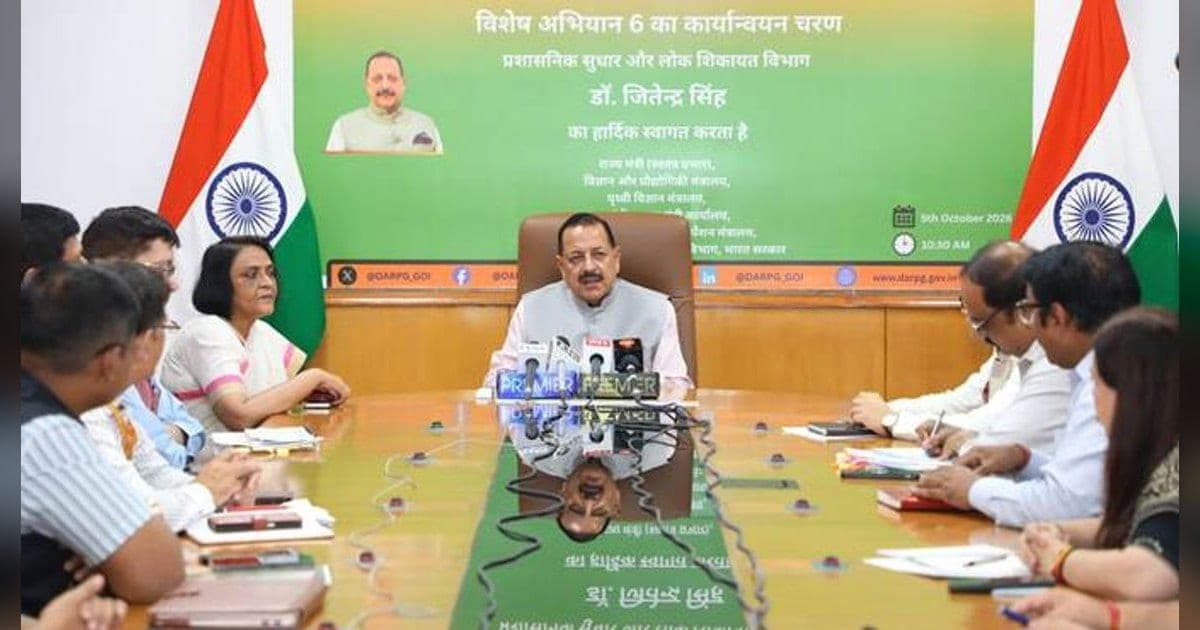
  18. Special Campaign 6 Reviewed, E-Files and Waste to Wealth Push
  19. Swachhta Udyami Yojana and NFSC: Three Scheme Case Studies
  20. Three High Court Chief Justices Made Supreme Court Judges

One-liner Current Affairs

  • Uranium Corporation of India Limited (UCIL), a PSU under the Department of Atomic Energy, marked its Diamond Jubilee Year on 4 October 2026, six decades after being incorporated on 4 October 1967.
  • The Technology Development Board, under the Department of Science and Technology, signed an agreement with BigEndian Semiconductors of Bengaluru for Rs 130 crore of support from the Research Development and Innovation (RDI) Fund
  • The India–EFTA Trade and Economic Partnership Agreement is India’s first free trade agreement with an economic bloc in Europe and took effect in October of the previous year
  • The PIB backgrounder Saving Time, Shortening Journeys was issued on 5 October 2026 and measures connectivity in hours saved
  • Coal India’s offtake in the first half of 2026-27 was 384.2 MT against 357.0 MT a year earlier, a rise of 27.2 MT or 7.6 per cent
  • The Sanchar Saathi portal, developed by the Department of Telecommunications, has crossed 30 crore visits since its launch in May 2023
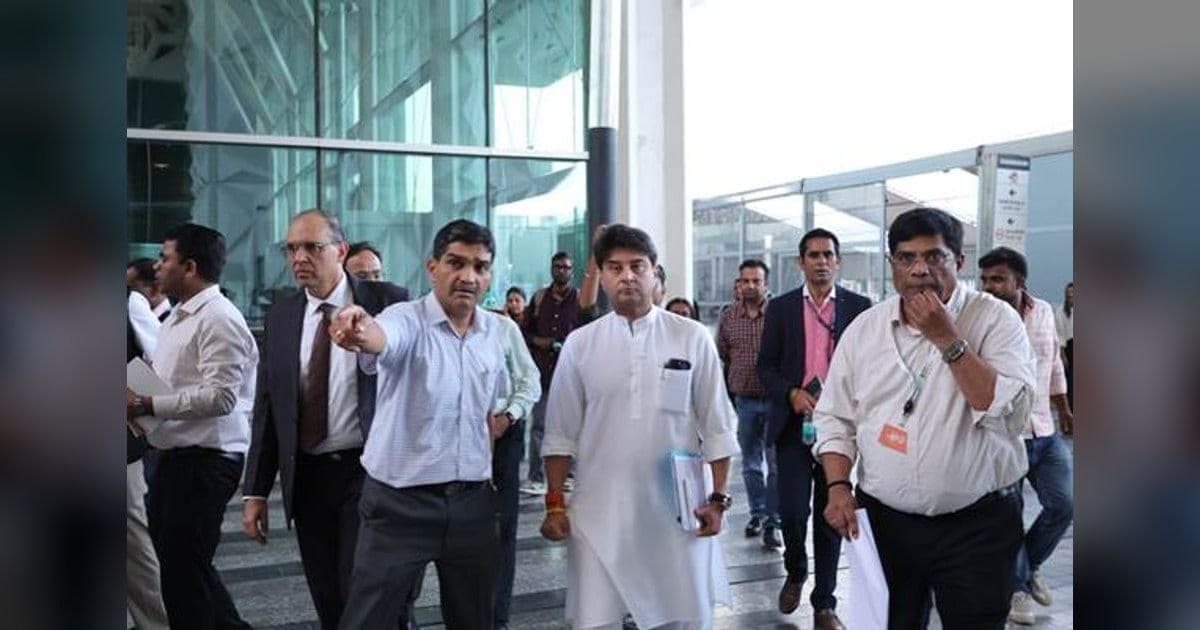
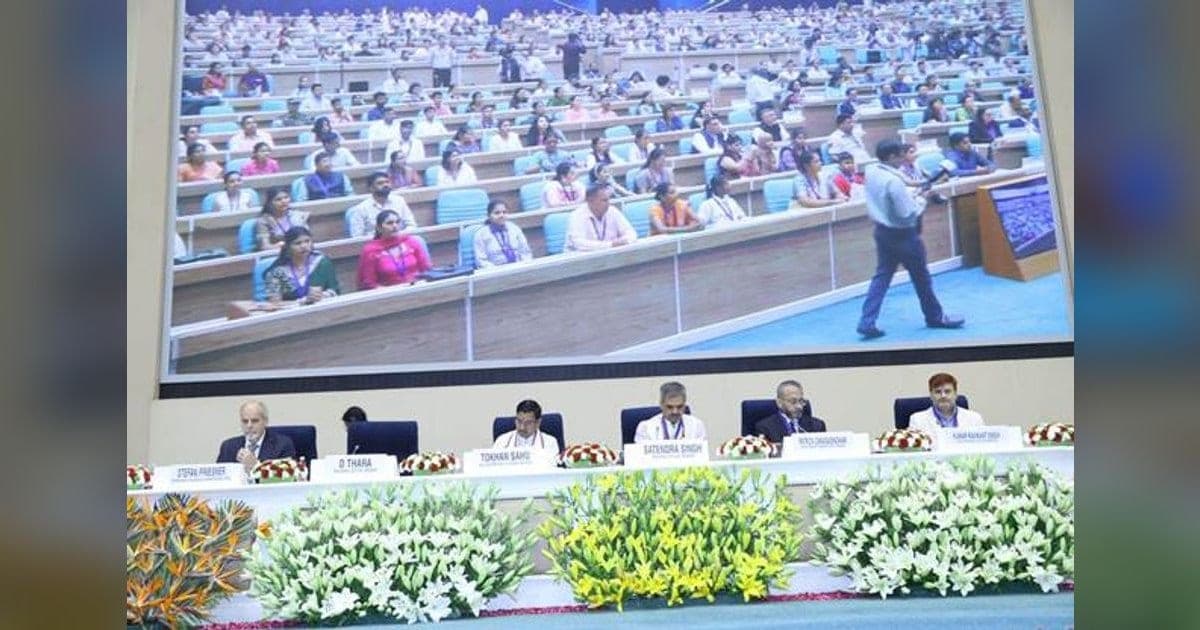
  • Chintan Shivir 2026, a national conclave on highway infrastructure, was inaugurated by Nitin Gadkari at Tent City 2 near the Statue of Unity, Ekta Nagar, Narmada district, Gujarat
  • The Swachhata Hi Sewa 2026 campaign began on 17 September 2026 across DST, its autonomous institutions and the offices of the Survey of India
  • KJP21, a 32-month-old India-born female cheetah, gave birth to five healthy cubs at Kuno National Park on 5 October 2026
  • India–UAE joint military exercise Mountain Guardian 2026 began on 5 October 2026 at the Foreign Training Node, Chaubatia, Uttarakhand
  • NSO under MoSPI released the first-ever National Household Travel Survey, conducted from July 2025 to June 2026, as a factsheet on 5 October 2026
  • The two-day National Chintan Shivir on the Pradhan Mantri Gram Sadak Yojana was held at Bharat Mandapam, New Delhi, on 5 October 2026
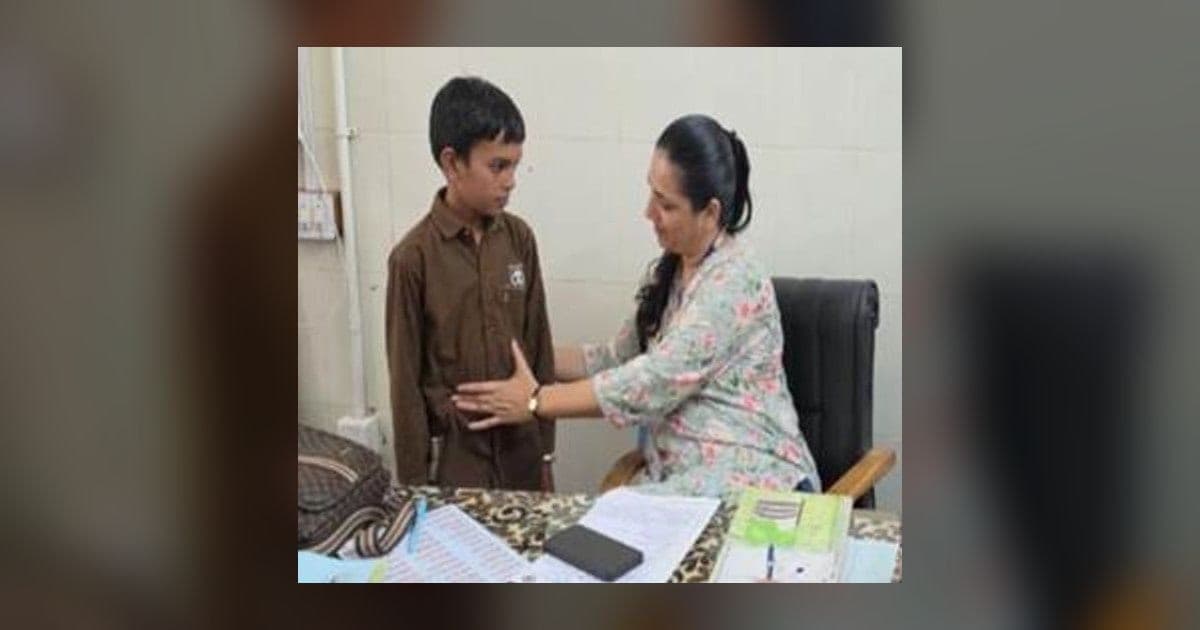
  • A clinical study at ITRA Jamnagar, an Institution of National Importance under the Ministry of Ayush, tested Ayurvedic medicine with yoga for bedwetting in children
  • The 17th All India Pension Adalat was chaired by Dr Jitendra Singh in New Delhi on 5 October 2026
  • Fleet Support Ship-1 (FSS-1) will be launched at Hindustan Shipyard Limited, Visakhapatnam, on 6 October 2026
  • HAL's Koraput division in Odisha will deliver its 2,000th aero-engine on 6 October 2026
  • The 8th edition of Windergy India will be held from 7 to 9 October 2026 at the Chennai Trade Centre
  • Dr Jitendra Singh reviewed Special Campaign 6 at the DARPG office, Sardar Patel Bhawan, New Delhi, on 5 October 2026
  • The Ministry of Social Justice and Empowerment released three scheme beneficiary accounts on 5 October 2026
  • The President of India appointed three sitting High Court Chief Justices as Judges of the Supreme Court of India, announced by the Ministry of Law and Justice on 5 October 2026

National

View all →

International

View all →

Science & Technology

View all →

Appointments

View all →

Government Schemes

View all →

Important Days

View all →

Environment

View all →

Reports & Indices

View all →

Summits & Conferences

View all →

Today's MCQs

Q1.Computer AwarenessMedium

Which was the first digital computer designed and built in India?

  1. A.HEC-2M
  2. B.TIFRAC
  3. C.PARAM 8000
  4. D.TDC-12
Show answer

Correct answer: B. TIFRAC

Explanation

The correct answer is B, TIFRAC. The TIFR Automatic Calculator was completed at the Tata Institute of Fundamental Research in Mumbai in 1960 and is counted as the first digital computer designed and built in India; Jawaharlal Nehru gave it the name TIFRAC. Option A is wrong because the HEC-2M was brought from Britain and installed at the Indian Statistical Institute in Kolkata in 1955, so it was the first computer to work in India but not one built here. Option C is wrong because PARAM 8000 of 1991 was India's first supercomputer, three decades later. Option D is wrong because the TDC-12, a Trombay Digital Computer, was made by the Electronics Corporation of India Limited after it was set up in 1967. Keep the two firsts apart: first computer in India, HEC-2M; first built in India, TIFRAC.

Q2.Computer AwarenessEasy

India's first supercomputer, PARAM 8000, was developed in 1991 by which organisation?

  1. A.ISRO
  2. B.BARC
  3. C.C-DAC
  4. D.DRDO
Show answer

Correct answer: C. C-DAC

Explanation

The correct answer is C, C-DAC. The Centre for Development of Advanced Computing was set up at Pune in 1988 with the specific task of building an indigenous supercomputer after India was refused an American Cray machine, and in 1991 its team completed PARAM 8000, a parallel computer assembled from transputer processors. Option A is wrong because the Indian Space Research Organisation built the SAGA-220 system in 2011, using graphics processors, long after PARAM. Option B is wrong because the Bhabha Atomic Research Centre developed the ANUPAM series of parallel computers, a separate line of work for atomic energy. Option D is wrong because within the Defence Research and Development Organisation it was ANURAG at Hyderabad that built PACE, the Processor for Aerodynamic Computation and Evaluation. C-DAC also built AIRAWAT at Pune for artificial intelligence work, which is its newest well known system.

Q3.Computer AwarenessMedium

The development of the PARAM series of supercomputers in India was led by

  1. A.Homi Jehangir Bhabha
  2. B.Satish Dhawan
  3. C.Raj Reddy
  4. D.Vijay Bhatkar
Show answer

Correct answer: D. Vijay Bhatkar

Explanation

The correct answer is D, Vijay Bhatkar. Vijay Bhatkar led the team at C-DAC that built PARAM 8000 in 1991 and is therefore described as the architect of India's PARAM series of supercomputers. Option A is wrong because Homi Jehangir Bhabha was the founder of the Indian atomic energy programme and of the Tata Institute of Fundamental Research, where TIFRAC was built, but he died in 1966, long before the PARAM project. Option B is wrong because Satish Dhawan was a leader of the Indian space programme and chairman of ISRO, remembered in the name of the launch centre at Sriharikota. Option C is wrong because Raj Reddy is an Indian-born computer scientist who worked on artificial intelligence and speech recognition in the United States and was not part of the PARAM project.

Q4.Computer AwarenessMedium

C-DAC, the Centre for Development of Advanced Computing, was set up in which year?

  1. A.1976
  2. B.1988
  3. C.1991
  4. D.1998
Show answer

Correct answer: B. 1988

Explanation

The correct answer is B, 1988. C-DAC was established at Pune in 1988 under the Department of Electronics, with a mission to design and build an indigenous supercomputer after the United States declined to supply a Cray machine to India. Option A is wrong because 1976 is the year the National Informatics Centre was set up to build computing for government. Option C is wrong because 1991 is the year the first product of that mission, PARAM 8000, was completed, a common confusion in this question; 1991 is also the year of the Software Technology Parks of India scheme. Option D is wrong because 1998 belongs to other events in Indian science and has no bearing here. The pair to memorise is C-DAC in 1988 and PARAM 8000 in 1991, three years later.

Q5.Computer AwarenessHard

The first computer to be installed and used in India, in 1955, was at

  1. A.the Indian Statistical Institute, Kolkata
  2. B.the Tata Institute of Fundamental Research, Mumbai
  3. C.the Indian Institute of Science, Bengaluru
  4. D.the Bhabha Atomic Research Centre, Trombay
Show answer

Correct answer: A. the Indian Statistical Institute, Kolkata

Explanation

The correct answer is A, the Indian Statistical Institute, Kolkata. The HEC-2M, brought from Britain, was installed at the Indian Statistical Institute in 1955 and is counted as the first computer to work in India; the institute later added a Soviet URAL machine and in 1966 built the ISIJU with Jadavpur University. Option B is wrong because the Tata Institute of Fundamental Research built TIFRAC, completed in 1960, which is the first computer designed and built in India but not the first installed here. Option C is wrong because the Indian Institute of Science, although a major computing centre today and an implementing agency of the National Supercomputing Mission, did not host the first machine. Option D is wrong because the Trombay work came later, through ECIL and the TDC series. The Soviet URAL machine that followed at the same institute is sometimes offered as a distractor here.

Q6.Computer AwarenessMedium

The Electronics Corporation of India Limited (ECIL), which built the TDC series of computers, was set up in 1967 under which department?

  1. A.the Department of Electronics
  2. B.the Ministry of Railways
  3. C.the Department of Atomic Energy
  4. D.the Ministry of Defence
Show answer

Correct answer: C. the Department of Atomic Energy

Explanation

The correct answer is C, the Department of Atomic Energy. ECIL was set up at Hyderabad in 1967 under the Department of Atomic Energy to make electronic equipment for the atomic energy programme, and it produced the TDC series, the Trombay Digital Computers, for laboratory and industrial use. Option A is wrong because the Department of Electronics itself was created only in 1970, three years after ECIL, and it later sponsored C-DAC and ERNET. Option B is wrong because the Ministry of Railways was a large user of computers, installing IBM machines for reservation and accounting work, but it did not set up ECIL. Option D is wrong because the defence line of computing ran through the Defence Research and Development Organisation, whose ANURAG laboratory built the PACE processor. ECIL also made the TDC-316, a later and more capable machine of the same family.

Q7.Computer AwarenessMedium

ERNET, started in 1986, was set up for which purpose?

  1. A.To connect academic and research institutions through a network
  2. B.To computerise railway reservation
  3. C.To link district offices with state capitals
  4. D.To manufacture semiconductor chips in India
Show answer

Correct answer: A. To connect academic and research institutions through a network

Explanation

The correct answer is A. The Education and Research Network, ERNET, was begun in 1986 by the Department of Electronics with support from the United Nations Development Programme to link universities, the Indian Institutes of Technology and research laboratories, and it carried the first academic internet traffic in India. Option B is wrong because railway reservation was computerised separately from 1986 onwards through the Centre for Railway Information Systems. Option C is wrong because the linking of district offices with state capitals and the centre was the work of NICNET, the satellite network of the National Informatics Centre. Option D is wrong because chip making belongs to the Semiconductor Complex at Mohali, set up in the 1970s, and not to a network project at all. NICNET, the satellite network of the National Informatics Centre, is the usual distractor paired with ERNET.

Q8.Computer AwarenessHard

Under the National Supercomputing Mission, the first supercomputer, PARAM Shivay, was installed at

  1. A.IIT Kharagpur
  2. B.IIT (BHU), Varanasi
  3. C.IISER Pune
  4. D.IIT Kanpur
Show answer

Correct answer: B. IIT (BHU), Varanasi

Explanation

The correct answer is B, IIT (BHU), Varanasi. PARAM Shivay, commissioned in 2019 at the Indian Institute of Technology at Banaras Hindu University in Varanasi, was the first supercomputer installed under the National Supercomputing Mission, which was approved in 2015. Option A is wrong because IIT Kharagpur received PARAM Shakti, which followed Shivay. Option C is wrong because IISER Pune received PARAM Brahma. Option D is wrong because IIT Kanpur received PARAM Sanganak. Other systems of the mission include PARAM Yukti at JNCASR Bengaluru, PARAM Ganga at IIT Roorkee, PARAM Ananta at IIT Gandhinagar, PARAM Himalaya at IIT Mandi and PARAM Porul at NIT Tiruchirappalli, so the question is usually set on the first one or on a specific institution's machine. The mission also aims to raise the share of components designed and assembled within India at each stage.

Q9.Computer AwarenessMedium

The National Supercomputing Mission is implemented jointly by which two agencies?

  1. A.ISRO and DRDO
  2. B.BARC and NIC
  3. C.C-DAC and IISc Bengaluru
  4. D.NIC and ERNET India
Show answer

Correct answer: C. C-DAC and IISc Bengaluru

Explanation

The correct answer is C, C-DAC and IISc Bengaluru. The National Supercomputing Mission, approved in 2015, is steered jointly by the Ministry of Electronics and Information Technology and the Department of Science and Technology, and it is implemented by the Centre for Development of Advanced Computing at Pune together with the Indian Institute of Science at Bengaluru. Option A is wrong because ISRO and DRDO build computers for their own space and defence needs, such as SAGA-220 and PACE. Option B is wrong because BARC's ANUPAM series serves atomic energy and the National Informatics Centre runs government networks. Option D is wrong because NIC and ERNET India are network and e-governance bodies, not builders of supercomputers. The mission's aims are to install systems, to make the hardware in India and to train users.

Q10.Computer AwarenessMedium

Pratyush, the supercomputer commissioned in 2018 at the Indian Institute of Tropical Meteorology, Pune, is used mainly for

  1. A.nuclear simulation
  2. B.weather and climate modelling
  3. C.satellite image processing
  4. D.genome sequencing
Show answer

Correct answer: B. weather and climate modelling

Explanation

The correct answer is B, weather and climate modelling. Pratyush was installed at the Indian Institute of Tropical Meteorology in Pune in 2018, with a companion system, Mihir, at the National Centre for Medium Range Weather Forecasting, and the pair was acquired to run high-resolution models for monsoon forecasting, cyclone tracks and climate studies. Option A is wrong because nuclear simulation is done on the ANUPAM systems of the Bhabha Atomic Research Centre. Option C is wrong because satellite image processing is handled by ISRO's own computing facilities, including SAGA-220. Option D is wrong because genome work uses institutional clusters and the systems of the National Supercomputing Mission rather than a dedicated weather machine. Remember the pairing: Pratyush at Pune and Mihir at Noida, both for weather. Mihir takes its name from a word for the sun, and Pratyush from a word for the first light of day.

Q11.Computer AwarenessEasy

The speed of a supercomputer is usually measured in

  1. A.floating point operations per second
  2. B.bits per second
  3. C.hertz per core
  4. D.bytes per instruction
Show answer

Correct answer: A. floating point operations per second

Explanation

The correct answer is A, floating point operations per second. A supercomputer's performance is stated in FLOPS, the number of floating point calculations it completes in a second, which is why the figures appear as teraflops, petaflops and exaflops; a petaflop is a thousand trillion such operations a second. Option B is wrong because bits per second measures the rate at which data moves over a communication link, not computing speed. Option C is wrong because hertz measures the clock frequency of a single processor, and a supercomputer's strength comes from thousands of processors working in parallel rather than from a high clock speed. Option D is wrong because bytes per instruction is not a performance measure at all. The work that needs such speed includes weather forecasting, drug design and the training of large artificial intelligence models.

Q12.Computer AwarenessHard

Which of the following pairs is correctly matched?

  1. A.Flosolver — Bhabha Atomic Research Centre
  2. B.ANUPAM — National Aerospace Laboratories
  3. C.PACE — Indian Space Research Organisation
  4. D.SAGA-220 — Indian Space Research Organisation
Show answer

Correct answer: D. SAGA-220 — Indian Space Research Organisation

Explanation

The correct answer is D. SAGA-220 was built by the Indian Space Research Organisation in 2011 using graphics processing units, so that pair is correct. Option A is wrong because Flosolver was built at the National Aerospace Laboratories in Bengaluru in 1986 and is counted as India's first parallel computer. Option B is wrong because the ANUPAM series of parallel computers was developed by the Bhabha Atomic Research Centre, so options A and B simply have their organisations exchanged. Option C is wrong because PACE, the Processor for Aerodynamic Computation and Evaluation, was built by ANURAG, a laboratory of the Defence Research and Development Organisation at Hyderabad, not by ISRO. The fourth line of this work is C-DAC's PARAM series, which began with PARAM 8000 in 1991. Param Padma of 2002 was the system that first took an Indian machine into the world list of fastest computers.

Q13.GeographyAsked in: SSC CGL · 24 Jul 2023, Shift 4Easy

The centre of a cyclone is a calm area. It is called the ___________ of the storm.

  1. A.base
  2. B.focal point
  3. C.eye
  4. D.trigger point
Show answer

Correct answer: C. eye

Explanation

The correct answer is C, the eye. The eye of a tropical cyclone is the roughly circular column of calm, descending air at its centre, usually a few tens of kilometres across, where the pressure is lowest, the winds are light and the sky is often nearly clear. Around it stands the eye wall, a ring of tall cumulonimbus clouds carrying the strongest winds and the heaviest rain, so the passage of a cyclone over a place gives violent weather, then an interval of calm, then violent weather again from the opposite direction. Option A is wrong because base is not a term used for any part of a cyclone. Option B is wrong because focal point belongs to optics and to earthquake studies, not to meteorology. Option D is wrong because trigger point is not a recognised term in the structure of a storm.

Q14.GeographyAsked in: RRB NTPC · 9 May 2022, Shift 1Easy

Which of the following tropical cyclones had hit the western coast of India in May 2021?

  1. A.Vardah
  2. B.Tauktae
  3. C.Titli
  4. D.Hudhud
Show answer

Correct answer: B. Tauktae

Explanation

The correct answer is B, Tauktae. Tauktae formed in the Arabian Sea in May 2021, intensified into an extremely severe cyclonic storm, moved north along the Konkan coast and made landfall in Gujarat, which is why it is remembered as an Arabian Sea system of the western coast. Option A is wrong because Vardah struck the Tamil Nadu coast near Chennai in December 2016 and came from the Bay of Bengal. Option C is wrong because Titli hit Odisha and Andhra Pradesh in October 2018, again a Bay of Bengal storm of the eastern coast. Option D is wrong because Hudhud crossed the coast at Visakhapatnam in October 2014. Note the useful contrast: the Bay of Bengal produces far more cyclones than the Arabian Sea, so an Arabian Sea landfall such as Tauktae is the one examiners pick out.

Q15.GeographyAsked in: Uttar Pradesh · UPPSC Civil Services General StudiesMedium

Match List - I with List - II and select the correct answer using the codes given below the lists: List - I (Tropical cyclones) List - II (Country) A. Baguio 1. Australia B. Hurricanes 2. China C. Typhoons 3. Philippines D. Willy-Willies 4. United States of America

  1. A.A) 3, B) 4, C) 1, D) 2
  2. B.A) 3, B) 4, C) 2, D) 1
  3. C.A) 2, B) 3, C) 4, D) 1
  4. D.A) 2, B) 1, C) 3, D) 4
Show answer

Correct answer: B. A) 3, B) 4, C) 2, D) 1

Explanation

The correct answer is B. The local names of the tropical cyclone are a standing favourite: baguio belongs to the Philippines, hurricane to the United States and the wider Atlantic and Caribbean region, typhoon to China and the north-western Pacific, and willy-willy to Australia. That gives A with 3, B with 4, C with 2 and D with 1, which is option B. Option A is wrong because it pairs typhoons with Australia and willy-willies with China, reversing the last two. Option C is wrong because it begins by sending baguio to China. Option D is wrong because it pairs hurricanes with Australia and willy-willies with the United States. Add two more names to the list while revising: the storm is simply called a cyclone in the Indian Ocean and taifu in Japan.

Q16.GeographyAsked in: SSC CGL · 20 Jul 2023, Shift 1Medium

Which of the following cyclones did NOT hit India during the years 2021-2022?

  1. A.Yaas
  2. B.Julia
  3. C.Tauktae
  4. D.Gulab
Show answer

Correct answer: B. Julia

Explanation

The correct answer is B, Julia. Julia was a storm of the Atlantic basin and never approached India, so it cannot belong to a list of Indian landfalls. Option A is wrong because Yaas crossed the Odisha coast near Balasore in May 2021, only days after Tauktae struck the opposite coast. Option C is wrong because Tauktae formed in the Arabian Sea in May 2021 and made landfall in Gujarat. Option D is wrong because Gulab crossed the north Andhra Pradesh coast in September 2021 and its remnant later re-formed in the Arabian Sea as Shaheen. The point of the question is that the names of the north Indian Ocean storms come from a panel of countries of the region, so a name from the Atlantic list, where the storms are named separately, is the odd one out.

Q17.GeographyEasy

Relative humidity of the air is measured by which of the following instruments?

  1. A.Barometer
  2. B.Anemometer
  3. C.Hygrometer
  4. D.Hydrometer
Show answer

Correct answer: C. Hygrometer

Explanation

The correct answer is C, a hygrometer. A hygrometer measures the humidity of the air, and the common working form is the psychrometer, a pair of wet and dry bulb thermometers whose difference in reading is converted into relative humidity with a table. Option A is wrong because a barometer measures atmospheric pressure, the mercury barometer and the aneroid barometer being its two forms. Option B is wrong because an anemometer measures wind speed. Option D is wrong because a hydrometer, whose name differs by a single letter, measures the relative density of a liquid and has nothing to do with the atmosphere; this near-identical pair is the trap in the question. Remember the related definitions as well: air that holds all the vapour it can at a given temperature is saturated, and the temperature at which it becomes saturated is the dew point.

Q18.GeographyMedium

Which of the following is expressed as a percentage?

  1. A.Absolute humidity
  2. B.Relative humidity
  3. C.Specific humidity
  4. D.Dew point
Show answer

Correct answer: B. Relative humidity

Explanation

The correct answer is B, relative humidity. Relative humidity compares the water vapour actually present in the air with the maximum amount the air could hold at that temperature, so it is a ratio and is stated as a percentage; air at a hundred per cent relative humidity is saturated. Option A is wrong because absolute humidity is the actual weight of vapour in a given volume of air and is stated in grams per cubic metre. Option C is wrong because specific humidity is the weight of vapour in a unit weight of air, stated in grams per kilogram, and it is preferred in weather work because it does not change as the air expands or contracts. Option D is wrong because the dew point is a temperature, stated in degrees. Note also that heating air lowers its relative humidity even when no vapour has been added or removed.

Q19.GeographyMedium

Which cloud is known for bringing thunder, lightning and hail, and is called the thunderstorm cloud?

  1. A.Cirrus
  2. B.Altostratus
  3. C.Stratus
  4. D.Cumulonimbus
Show answer

Correct answer: D. Cumulonimbus

Explanation

The correct answer is D, cumulonimbus. The cumulonimbus is a cloud of great vertical extent that can rise from near the ground almost to the top of the troposphere, and the strong updraughts inside it produce thunder, lightning, heavy showers and hail; it is the cloud of the thunderstorm and the eye wall of a cyclone is built of such clouds. Option A is wrong because cirrus is a high, thin, feathery cloud of ice crystals that gives no rain. Option B is wrong because altostratus is a middle cloud forming a grey sheet through which the sun shows faintly. Option C is wrong because stratus is a low, uniform, layered cloud associated with drizzle and dull weather. Remember the height classes: high clouds about six to twelve kilometres, middle clouds two to six, low clouds up to two.

Q20.GeographyMedium

The brief, heavy afternoon showers of the equatorial belt are an example of which type of rainfall?

  1. A.Convectional rainfall
  2. B.Orographic rainfall
  3. C.Frontal rainfall
  4. D.Cyclonic rainfall
Show answer

Correct answer: A. Convectional rainfall

Explanation

The correct answer is A, convectional rainfall. In the equatorial belt the ground is strongly heated through the morning, the warm moist air rises in powerful convection currents, cools as it rises, condenses into towering cumulonimbus and falls as a short, very heavy shower in the afternoon, which is why it is nicknamed four o'clock rain. Option B is wrong because orographic rainfall needs a mountain barrier to force the moist air upward, and it leaves a rain shadow on the leeward slope. Options C and D are wrong because frontal or cyclonic rainfall is produced where a warm air mass rides over a cold one along a front; it is slow, widespread and typical of temperate latitudes, as in the western disturbances that water north-west India in winter. The three types to keep apart are therefore convectional, orographic and cyclonic.

Q21.GeographyHard

Tropical cyclones do not form within about five degrees of the equator because

  1. A.the sea surface temperature there is too low
  2. B.there is not enough moisture in the air
  3. C.the Coriolis force is too weak to set the air spinning
  4. D.the air there is always descending
Show answer

Correct answer: C. the Coriolis force is too weak to set the air spinning

Explanation

The correct answer is C. The Coriolis force, which arises from the rotation of the earth, is zero at the equator and very weak for a few degrees on either side, so converging air cannot be deflected into the spiral that makes a cyclone; the belt within about five degrees of the equator is therefore free of tropical cyclones even though it is warm. Option A is wrong because the equatorial seas are the warmest in the world, well above the twenty-seven degrees Celsius a cyclone needs. Option B is wrong because the equatorial air is the most humid on earth. Option D is wrong because the equatorial belt is a zone of rising air and low pressure, not of descending air; descending air belongs to the subtropical high-pressure belts near thirty degrees. The other conditions are a wide warm sea, weak change of wind with height and divergence aloft.

Q22.GeographyHard

According to the classification used by the India Meteorological Department, a storm is called a super cyclonic storm when the sustained wind speed is

  1. A.62 to 87 kilometres per hour
  2. B.88 to 117 kilometres per hour
  3. C.118 to 166 kilometres per hour
  4. D.222 kilometres per hour and above
Show answer

Correct answer: D. 222 kilometres per hour and above

Explanation

The correct answer is D. The India Meteorological Department grades a system of the north Indian Ocean by its sustained wind speed, and the highest grade, the super cyclonic storm, begins at two hundred and twenty-two kilometres per hour. Option A is wrong because sixty-two to eighty-seven kilometres per hour is the band of an ordinary cyclonic storm, the stage at which the system is given a name. Option B is wrong because eighty-eight to one hundred and seventeen kilometres per hour is a severe cyclonic storm. Option C is wrong because one hundred and eighteen to one hundred and sixty-six kilometres per hour is a very severe cyclonic storm, and the band above it, up to two hundred and twenty-one, is the extremely severe cyclonic storm. Below the storm stages lie the depression at thirty-one to forty-nine and the deep depression at fifty to sixty-one kilometres per hour.

Q23.GeographyMedium

Which of the following is true of a temperate cyclone but not of a tropical cyclone?

  1. A.It forms along a front where two air masses of different temperature meet
  2. B.It has a calm central eye surrounded by a wall of cumulonimbus
  3. C.It weakens rapidly as soon as it crosses the coast
  4. D.It cannot form within five degrees of the equator
Show answer

Correct answer: A. It forms along a front where two air masses of different temperature meet

Explanation

The correct answer is A. A temperate or extra-tropical cyclone is a frontal system: it forms between about thirty-five and sixty-five degrees latitude where a cold polar air mass meets a warm subtropical one, and the warm air is forced to rise along the front, giving slow and widespread rain over a large area. Option B is wrong because the eye and the eye wall belong only to the tropical cyclone; a temperate cyclone has no eye. Option C is wrong because it is the tropical cyclone that dies quickly over land, having lost its supply of warm moist air, while a temperate cyclone travels across continents from west to east. Option D is wrong because the five-degree rule describes where tropical cyclones cannot form; temperate cyclones form far from the equator in any case, so the statement does not distinguish them.

Q24.GeographyEasy

Condensation that takes place on a cold surface when the dew point is below the freezing point gives

  1. A.dew
  2. B.frost
  3. C.fog
  4. D.mist
Show answer

Correct answer: B. frost

Explanation

The correct answer is B, frost. When the surface on which condensation occurs is below the freezing point and the dew point is also below it, the vapour changes directly into tiny ice crystals instead of water droplets, and that white deposit is frost; it is common on clear, calm winter nights when the ground loses heat rapidly by radiation. Option A is wrong because dew forms in the same way but when the dew point is above freezing, so the moisture settles as drops of water. Option C is wrong because fog is condensation on dust and smoke nuclei in the air near the ground, which reduces visibility sharply. Option D is wrong because mist is the thinner, less dense form of the same phenomenon, with better visibility than fog. The essential conditions for dew and frost are a clear sky, still air, high relative humidity and a cold long night.

Q25.Indian EconomyEasy

NABARD was established in which year?

  1. A.1975
  2. B.1979
  3. C.1982
  4. D.1990
Show answer

Correct answer: C. 1982

Explanation

The correct answer is C, 1982. The National Bank for Agriculture and Rural Development was set up on 12 July 1982 under the NABARD Act, 1981, as the apex institution for credit to agriculture and rural development, taking over the work of the Reserve Bank's Agricultural Credit Department and Rural Planning and Credit Cell and of the Agricultural Refinance and Development Corporation. Option A is wrong because 1975 is the year the regional rural banks were set up, under an ordinance later replaced by the RRB Act of 1976. Option B is wrong because 1979 is the year the Reserve Bank appointed the CRAFICARD committee under B. Sivaraman, whose recommendation led to NABARD; the committee is not the bank. Option D is wrong because 1990 is the year SIDBI began operations, under its Act of 1989.

Q26.Indian EconomyMedium

NABARD was set up on the recommendation of which committee?

  1. A.Narasimham Committee
  2. B.Sivaraman Committee (CRAFICARD)
  3. C.Nachiket Mor Committee
  4. D.Rangarajan Committee
Show answer

Correct answer: B. Sivaraman Committee (CRAFICARD)

Explanation

The correct answer is B, the Sivaraman Committee. The Reserve Bank appointed the Committee to Review the Arrangements for Institutional Credit for Agriculture and Rural Development, known as CRAFICARD, in 1979 under the chairmanship of B. Sivaraman, and its recommendation led to the NABARD Act, 1981 and the creation of NABARD in 1982. Option A is wrong because the Narasimham Committee reported on banking sector reforms in 1991 and 1998 and is associated with prudential norms, capital adequacy and the reduction of the statutory liquidity ratio. Option C is wrong because the Nachiket Mor Committee of 2013 and 2014 proposed comprehensive financial services for small businesses and low-income households and led to payments banks and small finance banks. Option D is wrong because the Rangarajan Committee is remembered for its work on financial inclusion and on poverty estimation.

Q27.Indian EconomyEasy

The head office of the Small Industries Development Bank of India (SIDBI) is located at

  1. A.Mumbai
  2. B.New Delhi
  3. C.Hyderabad
  4. D.Lucknow
Show answer

Correct answer: D. Lucknow

Explanation

The correct answer is D, Lucknow. SIDBI has its head office at Lucknow in Uttar Pradesh, which makes it the one major apex financial institution of the country not headquartered in a metropolitan financial centre, and that is exactly why the question is asked. Option A is wrong because Mumbai is the head office of the Reserve Bank, of NABARD, of the EXIM Bank, of IDBI and of NaBFID. Option B is wrong because New Delhi is the head office of IFCI and of the National Housing Bank. Option C is wrong because Hyderabad has no apex development bank, although it hosts other national institutions. Keep the three together while revising: NABARD and the EXIM Bank in Mumbai, the National Housing Bank in New Delhi and SIDBI in Lucknow. SIDBI also runs the Udyami Mitra portal and acts as the manager of the government's fund of funds for start-ups.

Q28.Indian EconomyMedium

Which institution is the first development finance institution established in India?

  1. A.IFCI
  2. B.IDBI
  3. C.ICICI
  4. D.SIDBI
Show answer

Correct answer: A. IFCI

Explanation

The correct answer is A, IFCI. The Industrial Finance Corporation of India was set up in 1948 under the Industrial Finance Corporation Act of that year to provide medium and long-term finance to industry, which makes it the first development finance institution in the country; it was converted into a company in 1993. Option B is wrong because IDBI came much later, in 1964, as a wholly owned subsidiary of the Reserve Bank, and was delinked from it in 1976. Option C is wrong because ICICI was set up in 1955 as a private sector institution with the support of the World Bank, and it merged into ICICI Bank in 2002 in what is called a reverse merger. Option D is wrong because SIDBI began only in 1990 and is confined to micro, small and medium enterprises.

Q29.Indian EconomyMedium

The Export-Import Bank of India began operations in which year?

  1. A.1957
  2. B.1982
  3. C.1990
  4. D.2006
Show answer

Correct answer: B. 1982

Explanation

The correct answer is B, 1982. The EXIM Bank was established on 1 January 1982 under the Export-Import Bank of India Act, 1981, is wholly owned by the Government of India, has its head office in Mumbai, and finances and promotes India's foreign trade, including the lines of credit the government extends to other countries. Option A is wrong because 1957 is the year the Export Risk Insurance Corporation was set up, the body renamed ECGC in 1983, which insures export credit rather than providing it. Option C is wrong because 1990 is the year SIDBI began work. Option D is wrong because 2006 saw the creation of the India Infrastructure Finance Company Limited and of the National Export Insurance Account trust, which the EXIM Bank administers. Note that NABARD and the EXIM Bank share the year 1982.

Q30.Indian EconomyMedium

The Micro Units Development and Refinance Agency (MUDRA) was set up as a subsidiary of

  1. A.NABARD
  2. B.the Reserve Bank of India
  3. C.SIDBI
  4. D.the State Bank of India
Show answer

Correct answer: C. SIDBI

Explanation

The correct answer is C, SIDBI. MUDRA was created in 2015 as a subsidiary of SIDBI to refinance the small loans given by banks, microfinance institutions and non-banking finance companies under the Pradhan Mantri Mudra Yojana, the loans being classified as Shishu up to fifty thousand rupees, Kishore from fifty thousand to five lakh and Tarun from five lakh to ten lakh. Option A is wrong because NABARD's own lending subsidiaries are NABKISAN Finance, NABSAMRUDDHI Finance and NABFINS, and its mandate is agriculture and rural development. Option B is wrong because the Reserve Bank is the regulator and does not run such schemes, although NHB and IDBI were once its subsidiaries. Option D is wrong because the State Bank of India is a commercial bank that lends under the scheme rather than refinancing it.

Q31.Indian EconomyHard

The Rural Infrastructure Development Fund (RIDF) is maintained with

  1. A.NABARD
  2. B.SIDBI
  3. C.the Ministry of Rural Development
  4. D.the National Housing Bank
Show answer

Correct answer: A. NABARD

Explanation

The correct answer is A, NABARD. The Rural Infrastructure Development Fund was created in 1995 to 1996 and is maintained with NABARD; it is funded by the amounts commercial banks fall short of in their priority sector lending targets, and NABARD lends from it to state governments for rural roads, bridges, irrigation works, warehouses and similar assets. Option B is wrong because SIDBI's funds, such as the cluster development fund and the risk capital schemes, serve micro, small and medium enterprises. Option C is wrong because the Ministry of Rural Development runs budget-funded schemes such as the employment guarantee and rural housing programmes, while RIDF is a refinance fund inside a bank. Option D is wrong because the National Housing Bank refinances housing finance. Remember that NABARD also operates the watershed, tribal and irrigation funds.

Q32.Indian EconomyMedium

Which institution supervises and inspects the regional rural banks and the cooperative banks on behalf of the Reserve Bank of India?

  1. A.SIDBI
  2. B.NABARD
  3. C.the Securities and Exchange Board of India
  4. D.the Indian Banks' Association
Show answer

Correct answer: B. NABARD

Explanation

The correct answer is B, NABARD. Besides refinancing them, NABARD carries out the inspection and supervision of the regional rural banks, the state cooperative banks and the district central cooperative banks on behalf of the Reserve Bank, and it also prepares the potential linked credit plans from which district credit plans are drawn. Option A is wrong because SIDBI finances and promotes micro, small and medium enterprises and supervises none of these banks. Option C is wrong because the Securities and Exchange Board of India regulates the securities market, the stock exchanges, mutual funds and intermediaries, not rural banks. Option D is wrong because the Indian Banks' Association is an industry body of banks that frames model practices and has no statutory supervisory power at all. NABARD's inspection power over these banks flows from section 35(6) of the Banking Regulation Act, 1949.

Q33.Indian EconomyHard

The National Housing Bank was established in which year as the apex institution for housing finance?

  1. A.1982
  2. B.1985
  3. C.1988
  4. D.1991
Show answer

Correct answer: C. 1988

Explanation

The correct answer is C, 1988. The National Housing Bank was established on 9 July 1988 under the National Housing Bank Act, 1987, with its head office in New Delhi, to refinance and regulate housing finance; it was set up as a wholly owned subsidiary of the Reserve Bank, whose shareholding was transferred to the Government of India in 2019. Option A is wrong because 1982 belongs to NABARD and the EXIM Bank. Option B is wrong because 1985 is not the year of any apex institution, although the Sukhamoy Chakravarty committee on the monetary system reported then. Option D is wrong because 1991 is the year of the new economic policy and of the first Narasimham Committee on banking reform. A useful chain for revision runs 1948, 1955, 1964, 1982, 1988, 1990 and 2021.

Q34.Indian EconomyMedium

The Credit Guarantee Fund Trust for Micro and Small Enterprises (CGTMSE) was set up by the Government of India jointly with

  1. A.NABARD
  2. B.the Reserve Bank of India
  3. C.the EXIM Bank
  4. D.SIDBI
Show answer

Correct answer: D. SIDBI

Explanation

The correct answer is D, SIDBI. CGTMSE was established in 2000 by the Government of India together with SIDBI to guarantee loans given without collateral or third-party guarantee to micro and small enterprises, so that a lender's fear of security does not keep a small unit out of formal credit. Option A is wrong because NABARD's guarantee and refinance work is in agriculture and rural development, not in the small industry guarantee scheme. Option B is wrong because the Reserve Bank regulates banks and does not operate such a trust. Option C is wrong because the EXIM Bank works in foreign trade, where the comparable risk cover comes from ECGC and the National Export Insurance Account. SIDBI also runs the cluster development fund and venture capital through SIDBI Venture Capital Limited. The guarantee cover applies to term loans as well as to working capital given to eligible small units.

Q35.Indian EconomyHard

The National Bank for Financing Infrastructure and Development (NaBFID) was set up under an Act of which year?

  1. A.2016
  2. B.2021
  3. C.2019
  4. D.2014
Show answer

Correct answer: B. 2021

Explanation

The correct answer is B, 2021. NaBFID was created by the National Bank for Financing Infrastructure and Development Act, 2021 as a development finance institution for long-term infrastructure finance, with its head office in Mumbai, and it is the newest of the country's apex development institutions. Option A is wrong because 2016 is the year of the Insolvency and Bankruptcy Code and of the amendment that gave the Reserve Bank its monetary policy committee. Option C is wrong because 2019 is the year the Reserve Bank's shareholding in the National Housing Bank was transferred to the Government of India. Option D is wrong because 2014 saw the Pradhan Mantri Jan Dhan Yojana and the setting up of the Mudra scheme's parent framework in the following year. For infrastructure, remember IIFCL in 2006 and NaBFID in 2021.

Q36.Indian EconomyEasy

Which of the following is NOT a function of a development finance institution such as NABARD or SIDBI?

  1. A.Accepting ordinary savings and current account deposits from the public
  2. B.Refinancing banks and other lenders in its sector
  3. C.Guaranteeing loans made by other lenders
  4. D.Promoting and advising institutions working in its sector
Show answer

Correct answer: A. Accepting ordinary savings and current account deposits from the public

Explanation

The correct answer is A. A development finance institution is not a deposit-taking bank for the public; it raises resources from bonds and debentures, from the government, from the Reserve Bank and from multilateral agencies, and uses them for long-term lending. Option B is wrong as a choice because refinance is the core business of these institutions: NABARD refinances rural and cooperative banks and SIDBI refinances the lenders to small units. Option C is wrong as a choice because guarantees are part of the same work, as in the credit guarantee trust for micro and small enterprises. Option D is wrong as a choice because promotion, training, consultancy and the drafting of credit plans are written into their mandates; NABARD prepares potential linked credit plans and runs the self-help group linkage programme.

Q37.Indian HistoryAsked in: SSC GD Constable · 6 March 2019, Shift 1Medium

Who was the first and the most important king of the Rashtrakuta dynasty of Karnataka who defeated the Chalukyas of Badami?

  1. A.Dantidurga
  2. B.Harihara I
  3. C.Uttama
  4. D.Bindusara
Show answer

Correct answer: A. Dantidurga

Explanation

The correct answer is A, Dantidurga. Dantidurga founded the Rashtrakuta dynasty in the middle of the eighth century, threw off the overlordship of the Chalukyas of Badami by defeating Kirtivarman II, and took imperial titles; his successors ruled from Manyakheta, the modern Malkhed. Option B is wrong because Harihara I founded the Vijayanagara empire with his brother Bukka in 1336, six centuries later and in a different part of the Deccan. Option C is wrong because Uttama was a Chola ruler who came between Parantaka II and Rajaraja I, and belonged to the Tamil country, not Karnataka. Option D is wrong because Bindusara was the second Mauryan emperor, the son of Chandragupta Maurya and the father of Ashoka, and has nothing to do with the Rashtrakutas. Remember the chain: the Chalukyas of Badami were overthrown by the Rashtrakutas, who were later displaced by the Chalukyas of Kalyani. Krishna I of the Rashtrakutas is remembered for the Kailasa temple at Ellora, and Amoghavarsha I for the Kannada work Kavirajamarga.

Q38.Indian HistoryAsked in: SSC CGL · 01 Dec 2022, Shift 3Medium

Which of the following town was built by the ruler Vijayalaya in Kaveri delta?

  1. A.Tiruchirappalli
  2. B.Tiruppur
  3. C.Madurai
  4. D.Thanjavur
Show answer

Correct answer: D. Thanjavur

Explanation

The correct answer is D, Thanjavur. Vijayalaya, who founded the line of the imperial Cholas in the middle of the ninth century, captured the Kaveri delta from the Muttaraiyar chiefs and built Thanjavur, which became the Chola capital and later the site of Rajaraja I's Brihadeeswara temple. Option A is wrong because Tiruchirappalli, with its rock fort, is associated with the Pallavas and later the Nayakas of Madurai rather than with Vijayalaya. Option B is wrong because Tiruppur is a modern textile town of western Tamil Nadu with no place in Chola history. Option C is wrong because Madurai was the capital of the Pandyas, the rivals the Cholas fought repeatedly in the far south. Remember the Chola capitals in order: Thanjavur under Vijayalaya and Rajaraja I, and Gangaikonda Cholapuram built by Rajendra I.

Q39.Indian HistoryAsked in: SSC CGL · 09 Sept, 2024, Shift 1Easy

Mahendravarman I was the ruler of which of the following dynasties?

  1. A.Pandya
  2. B.Chola
  3. C.Chalukya
  4. D.Pallava
Show answer

Correct answer: D. Pallava

Explanation

The correct answer is D, Pallava. Mahendravarman I ruled the Pallava kingdom from Kanchipuram in the early seventh century, fought Pulakeshin II of Badami, began the rock-cut mandapas of the Tamil country and bore the titles Vichitrachitta and Mattavilasa, the second being the name of the Sanskrit farce attributed to him. Option A is wrong because the Pandyas ruled from Madurai and are remembered for rulers such as Nedunjeliyan and, much later, Maravarman Sundara Pandya. Option B is wrong because the Chola line of this period begins with Vijayalaya in the ninth century, two centuries after Mahendravarman. Option C is wrong because the Chalukyas of Badami were the Pallavas' chief enemies; it was Pulakeshin II who defeated Mahendravarman I and Narasimhavarman I who later sacked Badami in revenge. Keep the Pallava rulers in order: Simhavishnu, Mahendravarman I, Narasimhavarman I and Narasimhavarman II Rajasimha.

Q40.Indian HistoryAsked in: SSC GD Constable · 10 Dec 2021, Shift 1Easy

Between 4th to 9th century, Kanchipuram served as the capital of which kingdom?

  1. A.Pandya
  2. B.Chera
  3. C.Pallava
  4. D.Chola
Show answer

Correct answer: C. Pallava

Explanation

The correct answer is C, Pallava. Kanchipuram in northern Tamil Nadu was the Pallava capital from about the fourth century until the dynasty fell to the Cholas in the ninth, and it was there that Hiuen Tsang was received by Narasimhavarman I and that the Kailasanatha temple was raised by Narasimhavarman II Rajasimha. Option A is wrong because the Pandya capital was Madurai, with Korkai as its port. Option B is wrong because the Cheras of the Sangam age ruled the Kerala coast with Vanji as their capital and Muziris and Tondi as their ports. Option D is wrong because the imperial Cholas ruled from Thanjavur and later from Gangaikonda Cholapuram; they took Kanchipuram from the Pallavas only at the end of this period. Fix the pairs: Kanchi for the Pallavas, Madurai for the Pandyas, Thanjavur for the Cholas.

Q41.Indian HistoryAsked in: Madhya Pradesh · MPPSC Assistant Professor 2022 History PHard

Who is given the credit for the creation weapons like Mahashilakantaka and Rathmoosal?

  1. A.Mahapadmanand
  2. B.Shishunag
  3. C.Ajatshatru
  4. D.Chanda Pradyota
Show answer

Correct answer: C. Ajatshatru

Explanation

The correct answer is C, Ajatashatru. The Buddhist text Mahaparinibbana Sutta and the Jaina tradition credit Ajatashatru of the Haryanka dynasty with two engines used in his long war against the Lichchhavis of Vaishali: the Mahashilakantaka, which hurled great stones, and the Rathamusala, a chariot fitted with a mace that swept down ranks of soldiers. Option A is wrong because Mahapadma Nanda founded the Nanda dynasty a century later and is remembered for his vast army and his humble origin. Option B is wrong because Shishunaga founded the Shishunaga dynasty after the Haryankas and is remembered for destroying the power of Avanti. Option D is wrong because Chanda Pradyota was the ruler of Avanti, a rival of Magadha, not its king. Remember the Haryanka order: Bimbisara, Ajatashatru and then Udayin, who founded Pataliputra.

Q42.Indian HistoryEasy

Who was the founder of the Nanda dynasty of Magadha?

  1. A.Dhana Nanda
  2. B.Mahapadma Nanda
  3. C.Shishunaga
  4. D.Kalashoka
Show answer

Correct answer: B. Mahapadma Nanda

Explanation

The correct answer is B, Mahapadma Nanda. Mahapadma Nanda founded the Nanda dynasty in about the middle of the fourth century BCE after displacing the Shishunagas, and the Puranas call him Ekarat, the sole sovereign, and Sarva-kshatrantaka, the destroyer of all Kshatriyas, because he is described as a ruler of low birth who uprooted the older ruling families. Option A is wrong because Dhana Nanda was the last of the line, the ruler whom Chandragupta Maurya overthrew with Chanakya's help. Option C is wrong because Shishunaga founded the earlier Shishunaga dynasty, which the Nandas replaced. Option D is wrong because Kalashoka, or Kakavarna, was a Shishunaga ruler in whose reign the second Buddhist council was held at Vaishali. The order to remember is Haryanka, Shishunaga, Nanda and then Maurya. The later Guptas of Magadha are a separate, weaker line and should not be confused with this imperial house.

Q43.Indian HistoryMedium

The founder of the Gupta dynasty was

  1. A.Sri Gupta
  2. B.Chandragupta I
  3. C.Samudragupta
  4. D.Ghatotkacha
Show answer

Correct answer: A. Sri Gupta

Explanation

The correct answer is A, Sri Gupta. Sri Gupta, who bore the modest title Maharaja, is named in the inscriptions as the founder of the Gupta family, and he was followed by his son Ghatotkacha. Option B is wrong because Chandragupta I, the third ruler, was the first important king of the house: he took the grand title Maharajadhiraja, married the Lichchhavi princess Kumaradevi and is connected with the beginning of the Gupta era in 319 to 320 CE, which is why he is often mistaken for the founder. Option C is wrong because Samudragupta was his son, the conqueror whose campaigns Harisena recorded in the Prayaga Prashasti on the Allahabad pillar and whom modern writers call the Napoleon of India. Option D is wrong because Ghatotkacha was the second ruler, between Sri Gupta and Chandragupta I.

Q44.Indian HistoryMedium

The Shunga dynasty was founded by a commander who killed which last Mauryan ruler?

  1. A.Dasharatha
  2. B.Samprati
  3. C.Brihadratha
  4. D.Devavarman
Show answer

Correct answer: C. Brihadratha

Explanation

The correct answer is C, Brihadratha. Pushyamitra Shunga, the commander of the Mauryan army, killed the last Mauryan ruler Brihadratha in about 185 BCE and founded the Shunga dynasty, which ruled from Pataliputra and Vidisha and under which the Sanchi and Bharhut stupas were enlarged. Options A, B and D are wrong because Dasharatha, Samprati and Devavarman were all earlier rulers of the declining Mauryan line that followed Ashoka; the Puranas place Brihadratha at the end of the list. The dynasty that followed the Shungas was the Kanva dynasty, founded by Vasudeva, who killed the last Shunga, Devabhuti. Examiners often pair these two palace revolutions, so keep the sequence clear: Maurya, then Shunga under Pushyamitra, then Kanva under Vasudeva, then the Satavahanas in the Deccan. The Shunga period is also asked for Patanjali and for the Heliodorus pillar at Besnagar near Vidisha.

Q45.Indian HistoryMedium

Who founded the Pala dynasty of Bengal?

  1. A.Dharmapala
  2. B.Gopala
  3. C.Devapala
  4. D.Mahipala
Show answer

Correct answer: B. Gopala

Explanation

The correct answer is B, Gopala. Gopala was elected ruler by the chiefs of Bengal in about 750 CE, ending a long period of disorder known in the sources as matsyanyaya, and founded the Pala dynasty, which became one of the three contenders in the tripartite struggle for Kannauj. Option A is wrong because Dharmapala was his son, the ruler who extended Pala power to Kannauj and founded the Vikramshila monastery, and who is also credited with reviving Nalanda. Option C is wrong because Devapala, the son of Dharmapala, marks the height of Pala power but is the third ruler, not the founder. Option D is wrong because Mahipala I belongs to a later revival of the dynasty in the eleventh century. The Palas were Buddhist, which is why their monasteries and the Pala school of bronzes are asked about together with the names.

Q46.Indian HistoryHard

The Satavahana dynasty was founded by Simuka with its capital at

  1. A.Pratishthana
  2. B.Vatapi
  3. C.Amaravati
  4. D.Vengi
Show answer

Correct answer: A. Pratishthana

Explanation

The correct answer is A, Pratishthana. The Satavahanas, who rose in the Deccan after the Mauryas, were founded by Simuka and ruled from Pratishthana, the modern Paithan on the Godavari in Maharashtra; their greatest king, Gautamiputra Satakarni, is praised in the Nashik inscription of his mother Gautami Balashri. Option B is wrong because Vatapi, the modern Badami, was the capital of the Chalukyas, founded by Pulakeshin I several centuries later. Option C is wrong because Amaravati on the Krishna was a great Buddhist stupa site that flourished under Satavahana patronage but was not their capital. Option D is wrong because Vengi was the capital of the Eastern Chalukyas and earlier of the Ikshvakus and Salankayanas. The Satavahanas are also remembered for issuing lead coins and for the Prakrit inscriptions of Nashik and Nanaghat.

Q47.Indian HistoryMedium

Which ruler founded the Chalukya dynasty of Badami?

  1. A.Pulakeshin II
  2. B.Pulakeshin I
  3. C.Vikramaditya VI
  4. D.Kirtivarman II
Show answer

Correct answer: B. Pulakeshin I

Explanation

The correct answer is B, Pulakeshin I. Pulakeshin I founded the Chalukya dynasty of Badami in the middle of the sixth century, made Vatapi, the modern Badami in Karnataka, his capital, and performed the Ashvamedha sacrifice. Option A is wrong because Pulakeshin II was the greatest ruler of the house, the king who checked Harshavardhana on the Narmada, defeated Mahendravarman I of Kanchi and received the embassy of the Persian king, as the Aihole inscription of Ravikirti records; he is the fourth ruler, not the founder. Option C is wrong because the Vikramadityas of the later Chalukya line ruled from Kalyani, a revival of the family after the Rashtrakutas. Option D is wrong because Kirtivarman II was the last ruler of the Badami line, defeated by Dantidurga of the Rashtrakutas. The Chalukya branches worth separating are Badami, Kalyani and Vengi, the last being the Eastern Chalukyas.

Q48.Indian HistoryHard

The Gurjara-Pratihara dynasty, one of the three powers in the tripartite struggle for Kannauj, was founded by

  1. A.Mihira Bhoja
  2. B.Vatsaraja
  3. C.Nagabhata I
  4. D.Rajyapala
Show answer

Correct answer: C. Nagabhata I

Explanation

The correct answer is C, Nagabhata I. Nagabhata I founded the Gurjara-Pratihara dynasty in the eighth century in the region of Malwa and Rajasthan and is remembered for checking the Arab advance from Sindh, a success the inscriptions describe in heroic terms. Option A is wrong because Mihira Bhoja was the greatest ruler of the house in the ninth century, a devotee of Vishnu who issued the Adivaraha coins and whose court the Arab traveller Sulaiman described; he is not the founder. Option B is wrong because Vatsaraja fought the first round of the tripartite struggle with the Palas and the Rashtrakutas but came several reigns after Nagabhata I. Option D is wrong because Rajyapala belongs to the end of the line, when Kannauj fell to Mahmud of Ghazni. The three contenders to remember are the Palas, the Pratiharas and the Rashtrakutas.

Q49.Indian PolityAsked in: Uttar Pradesh · 27 August 2023Easy

Which writs in the Indian Constitution mean To be informed or To be certified?

  1. A.Prohibition
  2. B.Quo-Warranto
  3. C.Certiorari
  4. D.Habeas Corpus
Show answer

Correct answer: C. Certiorari

Explanation

The correct answer is C, Certiorari. Certiorari is Latin for to be certified or to be informed, and the writ does exactly that: a higher court calls up the record of a case from a lower court or tribunal, either to transfer the matter to itself or to quash an order already passed because of excess of jurisdiction, lack of jurisdiction or an error of law. It is a curative writ, issued after the order exists. Option A is wrong because prohibition means to forbid; it is preventive and stops a subordinate court while the proceeding is still pending. Option B is wrong because quo warranto means by what authority and questions a person's title to a public office. Option D is wrong because habeas corpus means to have the body of, and is used to produce a detained person before the court so that the legality of the detention can be tested.

Q50.Indian PolityAsked in: Delhi · 28 Oct 2017Easy

Power of issuing a writ of Habeas Corpus lies with

  1. A.Supreme Court
  2. B.High Courts
  3. C.District and Session Court
  4. D.Both (A) and (B)
Show answer

Correct answer: D. Both (A) and (B)

Explanation

The correct answer is D, Both (A) and (B). Habeas corpus can be issued by the Supreme Court under Article 32, where it is a remedy for the breach of the Fundamental Right to personal liberty, and by every High Court under Article 226, which covers Fundamental Rights and any other purpose as well. Options A and B are each incomplete for that reason: naming only one of the two courts leaves out a jurisdiction the Constitution expressly grants. Option C is wrong because a district and sessions court has no writ jurisdiction at all; writs are a constitutional power given only to the Supreme Court and the High Courts, and Article 32(3) allows Parliament to extend the power to another court, which it has never done. Remember also that habeas corpus is the one writ that can be issued against a private person as well as against the state.

Quiz of the day

More current affairs