
ITRA Study: Ayurveda with Yoga Cuts Bedwetting by 70 Per Cent
A study at ITRA Jamnagar found that Ayurvedic medicine combined with four yoga asanas improved bedwetting in children by about 70 per cent in eight weeks.
Why in News
On 5 October 2026 the Ministry of Ayush reported that a clinical study at ITRA Jamnagar found an integrated Ayurveda and yoga approach improved bedwetting in children by about 70 per cent, with the findings published in the AYU Journal.
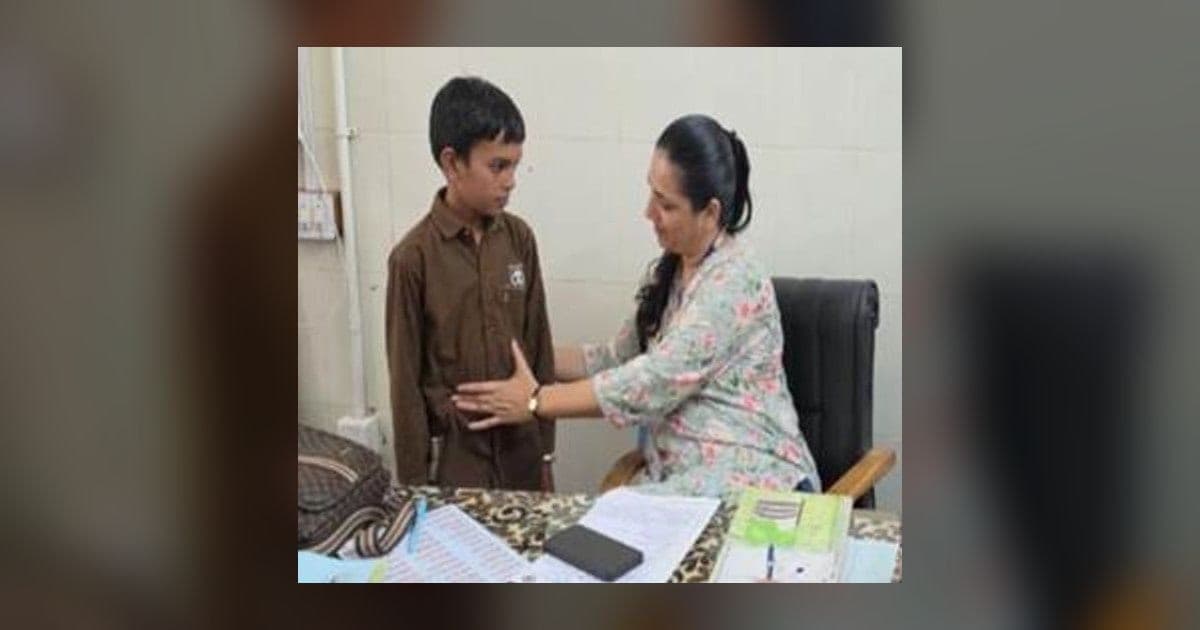
A clinical study at the Institute of Teaching and Research in Ayurveda (ITRA), Jamnagar, an Institution of National Importance under the Ministry of Ayush, has found that pairing Ayurvedic medicine with yoga asanas works better than medicine alone in managing nocturnal enuresis, the condition commonly called bedwetting, in children. The Ministry released the findings on 5 October 2026 and the research paper has been published in the AYU Journal.
How the study was designed
The work was carried out by the Department of Kaumarbhritya, the paediatrics department of the institute. It ran for eight weeks and involved about 38 children aged between 6 and 14 years, who were split into two groups.
- Group 1 received only Medhya Rasayana Churna, a formulation of Brahmi, Shankhpushpi, Yashtimadhu or liquorice and Guduchi, given twice a day with milk
- Group 2 received the same formulation along with four yoga asanas practised every morning and evening: Utkatasana, Ardha-Shalabhasana, Bhujangasana and Shavasana
What the results showed
| Parameter | Medicine alone | Medicine with yoga |
| Reduction in bedwetting frequency | About 38 per cent | About 70 per cent |
| Improvement in memory | About 31 per cent | About 61 per cent |
Children in the combined group also showed about 66 per cent less irritability, with gains in behavioural measures. Regular practice of the asanas was linked to a fall of about 71 per cent in hyperactivity, and concentration and morale improved as well.
Who did the work
The paper was prepared and presented by Prof. Vaidya Virendra Kori, Vaidya Sagar Bhinde and Vaidya Amisha Bavarva, who analysed the data gathered during the trial before the paper was accepted for publication. Prof. Dr. Tanuja Nesari, Director of ITRA, Jamnagar, said bedwetting can in some cases be tied to difficulty in bladder control as well as to psychological and behavioural factors.
Why the combination may help
The study suggests that asanas such as Utkatasana and Bhujangasana may help strengthen the pelvic region and improve bladder control, while Ayurvedic ingredients including Brahmi and Shankhpushpi have long been used for their calming effect and their role in mental well-being. The findings point to the value of putting suitable lifestyle practice together with traditional systems of medicine. The institute added that bedwetting is common among children and should be handled with sensitivity and proper medical advice rather than scolding.
Important Facts
| Study by | Department of Kaumarbhritya, Institute of Teaching and Research in Ayurveda (ITRA), Jamnagar |
|---|---|
| Ministry | Ministry of Ayush; ITRA is an Institution of National Importance |
| Condition studied | Nocturnal enuresis, or bedwetting, in children |
| Duration and sample | Eight weeks, about 38 children aged 6 to 14 years |
| Medicine | Medhya Rasayana Churna of Brahmi, Shankhpushpi, Yashtimadhu and Guduchi, twice daily with milk |
| Yoga asanas | Utkatasana, Ardha-Shalabhasana, Bhujangasana and Shavasana |
| Main result | About 70 per cent improvement with medicine and yoga against about 38 per cent with medicine alone |
| Published in | AYU Journal |
| Director of ITRA | Prof. Dr. Tanuja Nesari |
Exam Point of View
Remember the institute (ITRA, Jamnagar, an Institution of National Importance under the Ministry of Ayush), the department (Kaumarbhritya or paediatrics), the duration (eight weeks), the sample (about 38 children aged 6 to 14), the medicine (Medhya Rasayana Churna of Brahmi, Shankhpushpi, Yashtimadhu and Guduchi), the four asanas, the journal (AYU) and the director’s name.
Practice Questions
The study on managing bedwetting in children through Ayurveda and yoga was conducted at which institute?
- A.All India Institute of Ayurveda, New Delhi
- B.Institute of Teaching and Research in Ayurveda, Jamnagar
- C.National Institute of Ayurveda, Jaipur
- D.Central Council for Research in Yoga and Naturopathy
Show answer
Correct answer: B. Institute of Teaching and Research in Ayurveda, Jamnagar
Explanation
The correct answer is the Institute of Teaching and Research in Ayurveda, Jamnagar. The clinical study was carried out by the Department of Kaumarbhritya, the paediatrics wing of this institute, which is an Institution of National Importance under the Ministry of Ayush, and the findings were published in the AYU Journal. Option A names another leading Ayurveda institute under the same ministry, which makes it the most tempting wrong choice, but the work reported here was not done there. Option C is also an Ayurveda institute of standing, yet it did not conduct this trial. Option D is a research council that works on yoga and naturopathy rather than the institute credited with this study. Aspirants should link the institute with its city, its status as an Institution of National Importance, the Ministry of Ayush and the name of its director, since any of these can be asked.
By about how much did bedwetting improve in the group that received Ayurvedic medicine along with yoga asanas?
- A.About 31 per cent
- B.About 38 per cent
- C.About 61 per cent
- D.About 70 per cent
Show answer
Correct answer: D. About 70 per cent
Explanation
The correct answer is about 70 per cent. Children who took the Ayurvedic formulation and also practised the four selected asanas showed roughly 70 per cent improvement in the frequency of bedwetting over the eight weeks of the study. Option B, about 38 per cent, is the improvement recorded in the group that received the medicine alone, so it belongs to the comparison group rather than the combined one. Option A, about 31 per cent, is the improvement in memory among children on medicine alone and is placed here to test whether a candidate separates the parameters. Option C, about 61 per cent, is the memory improvement in the combined group, again a different measure. The study also reported about 66 per cent less irritability and about 71 per cent less hyperactivity in the combined group, so each percentage needs to be tied to its own parameter.
Which Ayurvedic formulation was given to the children in both groups of the study?
- A.Chyawanprash
- B.Medhya Rasayana Churna
- C.Triphala Churna
- D.Ashwagandha Churna
Show answer
Correct answer: B. Medhya Rasayana Churna
Explanation
The correct answer is Medhya Rasayana Churna. Children in both groups received this formulation, made of Brahmi, Shankhpushpi, Yashtimadhu, which is liquorice, and Guduchi, administered twice a day with milk. The second group additionally practised Utkatasana, Ardha-Shalabhasana, Bhujangasana and Shavasana in the morning and evening. Option A, Chyawanprash, is a well known Ayurvedic preparation but was not the one tested here. Option C, Triphala Churna, is used for digestive complaints and does not figure in this trial. Option D is a distractor built around a single herb rather than the compound formulation named in the study. The ingredients matter for the explanation offered by the researchers, since Brahmi and Shankhpushpi have traditionally been used for their calming effect and their role in supporting mental well-being in children.
Frequently Asked Questions
Where was the Ayurveda and yoga study on bedwetting conducted?
At the Institute of Teaching and Research in Ayurveda (ITRA), Jamnagar, an Institution of National Importance under the Ministry of Ayush. The work was done by its Department of Kaumarbhritya, which is paediatrics.
What improvement did the combined approach show?
About 70 per cent improvement in the frequency of bedwetting, against about 38 per cent in children who received only the Ayurvedic formulation. Memory, irritability and hyperactivity measures also improved more in the combined group.
Which yoga asanas were used in the study?
Four asanas practised in the morning and evening: Utkatasana, Ardha-Shalabhasana, Bhujangasana and Shavasana. The study suggests Utkatasana and Bhujangasana may help strengthen the pelvic region and bladder control.
What medicine was given to the children?
Medhya Rasayana Churna, a formulation of Brahmi, Shankhpushpi, Yashtimadhu or liquorice and Guduchi, administered twice a day with milk to children in both groups.
Sources
Current Affairs 5 October 2026
- UCIL Marks Diamond Jubilee Year of Uranium MiningScience & Technology
- TDB Backs Project VeerAI With Rs 130 Crore for AI Vision ChipScience & Technology
- India, Switzerland Sign Mobility and Infrastructure AgreementsInternational
- Infrastructure Push Cuts Travel Time, 549 Trains Speeded UpNational
- Coal India Offtake Reaches 384.2 MT in First Half of 2026-27Economy
- Sanchar Saathi Portal Crosses 30 Crore Visits Against Telecom FraudScience & Technology
- Gadkari Opens Chintan Shivir 2026 on Highway InfrastructureSummits & Conferences
- DST Marks Swachhata Hi Sewa 2026, Felicitates 110 Safai MitrasGovernment Schemes
Related Current Affairs
- Science & Technology
IMC 2026 Theme Scale Without Boundaries, 10th Edition at Yashobhoomi
5 October 2026 · 2 min read
- Science & Technology
Sanchar Saathi Portal Crosses 30 Crore Visits Against Telecom Fraud
5 October 2026 · 2 min read
- Science & Technology
TDB Backs Project VeerAI With Rs 130 Crore for AI Vision Chip
5 October 2026 · 2 min read
- Science & Technology
National Supercomputing Mission Reaches 40 Systems, 68 PF
4 October 2026 · 2 min read
- Science & Technology
India Demonstrates First 5.56 km Free-Space Quantum Key Link
3 October 2026 · 2 min read




Related GK
- Science Policy and Research Funding in India: Exam Notes
6 October 2026 · Science & Technology
- Goa GK: Liberation, Statehood, Geography and Facts
6 October 2026 · Indian States & UTs
- Statues, Towers and Landmarks of India for Exams
6 October 2026 · Static GK
Take the Quiz
- Current Affairs Quiz
SSC CHSL Current Affairs Quiz: 5 October 2026
25 questions25 minutesStart Quiz