
Skip to content
GK24

Current Affairs 21 September 2026: Today's GK & MCQs

8 updates· 49 MCQsLast updated

The current affairs for 21 September 2026 cover 8 stories and 49 practice questions. The edition covers International, Sports, Environment, National, Banking & Finance, Economy, Government Schemes, Science & Technology. Every fact is drawn from an official government release, and each article cites the release it came from. Candidates preparing for SSC, Banking, UPSC, Railway and State exams can use the one-liners below for a quick revision of the day.

Quiz of the day25 questions · 25 minutesStart Quiz

Top Headlines

  1. India–New Zealand FTA to Enter into Force on 20 October 2026
  2. Asian Games 2026: India Win Three Medals in Men's 10m Air Rifle
  3. Swachh Sagar Surakshit Sagar 5.0: 15 Lakh Take Ocean Pledge
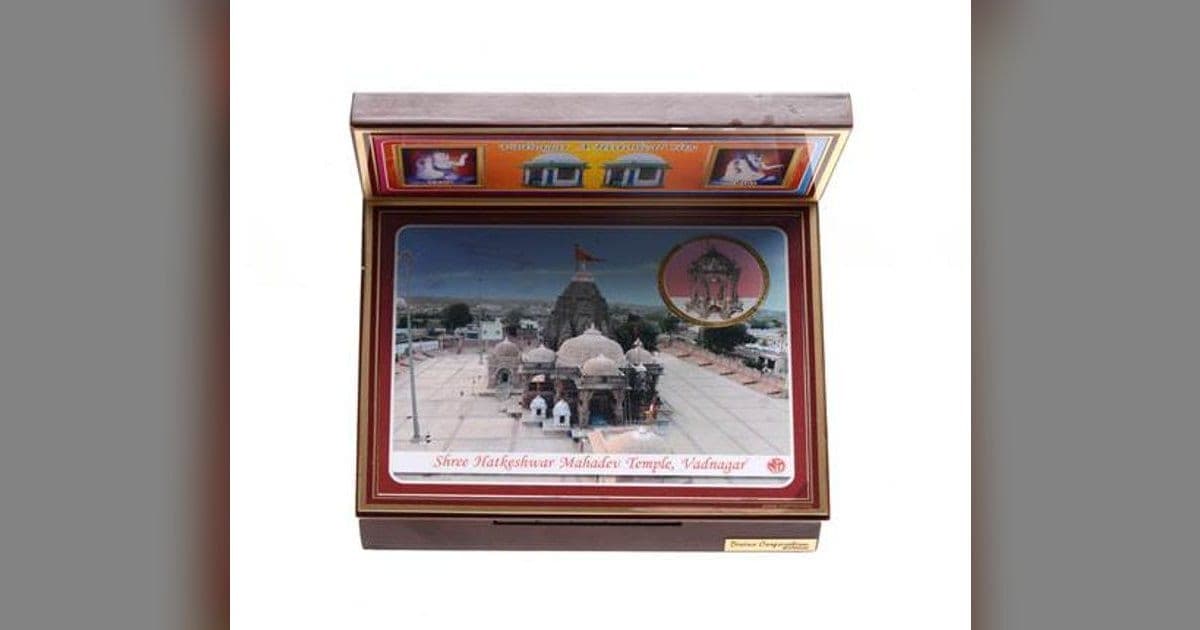
  4. PM Mementos e-Auction 2026: Gujarat's Heritage Goes Under the Hammer
  5. Government Urges PSB and RRB Staff to Call Off Bank Strikes
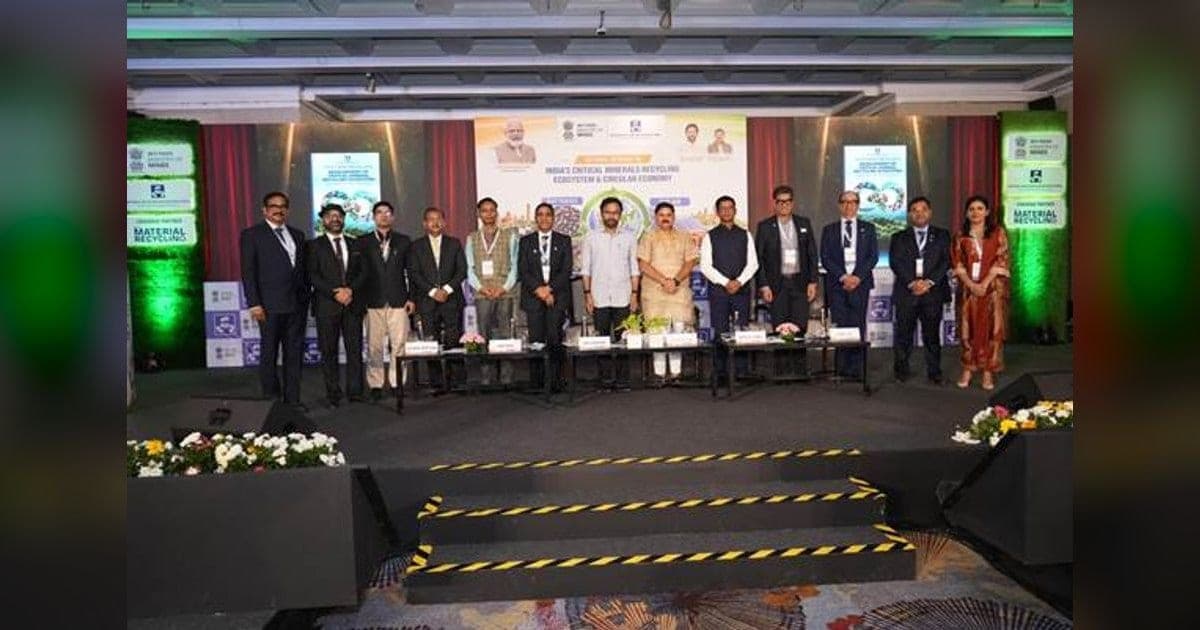
  6. Mines Ministry Launches Concept Paper on Critical Mineral Recycling
  7. Jal Jeevan Mission 2.0: Nal Jal Mitra and Sujalam Shakti Push
  8. Office of PSA Holds First State Nodal Officers Meeting on I-STEM

One-liner Current Affairs

  • The India–New Zealand FTA will enter into force on 20 October 2026, the day of Dussehra–Vijayadashami
  • It was signed on 27 April 2026 at Bharat Mandapam, New Delhi, by Piyush Goyal and Todd McClay
  • All tariff lines covering 100% of India's exports to New Zealand become duty-free from day one
  • India won silver in the men's 10m air rifle team event at the Asian Games 2026 through Rudrankksh Balasaheb Patil, Himanshu Dhillon and Parth Rakesh Mane
  • Himanshu Dhillon won silver in the individual men's 10m air rifle
  • Rudrankksh Balasaheb Patil won bronze in the individual men's 10m air rifle
  • Swachh Sagar Surakshit Sagar 5.0 was held from 12 to 19 September 2026
  • The coastal clean-up covered 231 locations across 13 States/UTs
  • 15 lakh people took the Ocean Conservation Pledge during the campaign
  • The 8th edition of the PM Mementos e-Auction began on 17 September 2026 and offers 1,498 mementos
  • It is organised by the Ministry of Culture through the National Gallery of Modern Art (NGMA), New Delhi
  • Proceeds go to the Namami Gange Programme for the rejuvenation of the River Ganga
  • The Finance Ministry appealed to PSB and RRB employees on 21 September 2026 to refrain from strikes
  • The unions' two demands were five-day banking and withdrawal of the Performance Linked Incentive scheme; the PLI scheme has been kept in abeyance
  • G. Kishan Reddy inaugurated the National Seminar on India's Critical Minerals Recycling Ecosystem and Circular Economy on 21 September 2026
  • The seminar was organised by the Ministry of Mines with the Materials Recycling Association of India (MRAI)
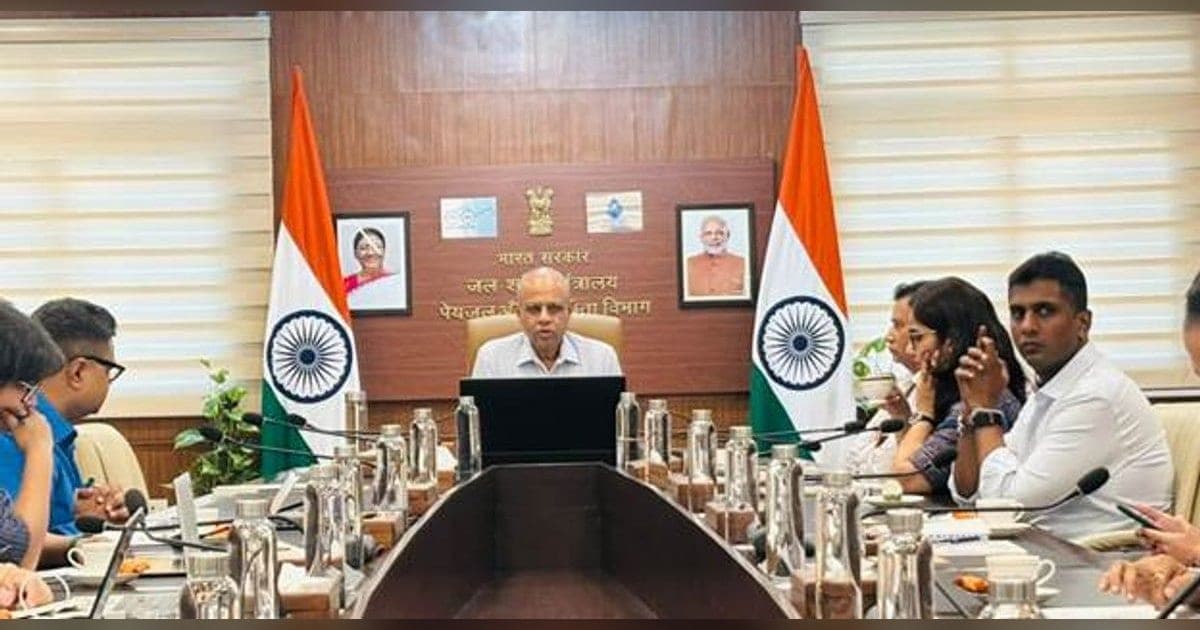
  • DDWS held its first National Virtual Conference with States/UTs on a skilled rural water workforce under Jal Jeevan Mission 2.0 on 21 September 2026
  • Nal Jal Mitra offers a 510-hour Short-Term Training course and a 120-hour Recognition of Prior Learning pathway
  • The Office of the PSA convened the first State Governments Nodal Officers Meeting for the I-STEM portal on 21 September 2026
  • The meeting was chaired by Dr (Mrs) Parvinder Maini, Scientific Secretary, and had nodal officers from 23 States and 4 UTs

National

View all

International

View all

Banking & Finance

View all

Science & Technology

View all

Government Schemes

View all

Environment

View all

Today's MCQs

Q1.Indian PolityAsked in: SSC MTS · 4 May 2023, Shift 1Easy

The constituent assembly was formed on the recommendation of the Cabinet Mission which visited India in______.

  1. A.1962
  2. B.1959
  3. C.1952
  4. D.1946
Show answer

Correct answer: D. 1946

Explanation

The correct answer is 1946. The Cabinet Mission came to India in 1946 to work out how power would be handed over, and its plan laid down how a Constituent Assembly would be formed: 389 seats in all, 296 for British India and 93 for the princely states, with the members from the provinces elected indirectly by the provincial legislative assemblies. Elections to the British Indian seats followed in July and August 1946, and the Assembly held its first meeting on 9 December 1946.

The other years cannot be right. The Constitution was adopted on 26 November 1949 and came into force on 26 January 1950, so an Assembly formed in 1952, 1959 or 1962 would have had nothing left to write. A good way to fix this date is to tie it to two others from the same year: the elections of July and August 1946, and the first sitting in December 1946.

Q2.Indian PolityAsked in: SSC MTS · 18 Oct 2021, Shift 1Easy

When did the first meeting of the Constituent Assembly take place?

  1. A.January 1950
  2. B.August 1945
  3. C.December 1946
  4. D.July 1948
Show answer

Correct answer: C. December 1946

Explanation

The correct answer is December 1946. The Constituent Assembly met for the first time on 9 December 1946. The Muslim League boycotted the sitting and pressed its demand for a separate Pakistan, and Dr Sachchidananda Sinha, the oldest member, presided as temporary President. Two days later, on 11 December 1946, Dr Rajendra Prasad was elected the permanent President of the Assembly.

The other options are dates from before or after the Assembly's work. August 1945 is more than a year before the Cabinet Mission Plan of 1946 created the Assembly. July 1948 falls in the middle of its work, after the Draft Constitution had been published in February 1948. January 1950 is the very end: the last session was held on 24 January 1950 and the Constitution came into force on 26 January 1950. Remember the pair that is asked most often: first meeting on 9 December 1946, and Rajendra Prasad elected on 11 December 1946.

Q3.Indian PolityMedium

Who presided over the first meeting of the Constituent Assembly as its temporary President?

  1. A.Dr Rajendra Prasad
  2. B.Dr Sachchidananda Sinha
  3. C.Jawaharlal Nehru
  4. D.G.V. Mavalankar
Show answer

Correct answer: B. Dr Sachchidananda Sinha

Explanation

The correct answer is Dr Sachchidananda Sinha. When the Constituent Assembly met for the first time on 9 December 1946, Sinha, its oldest member, was made the temporary President, following the French practice of letting the senior-most member preside until a regular head is chosen.

Dr Rajendra Prasad is the classic trap: he was elected the permanent President of the Assembly on 11 December 1946, two days after the first sitting, so he did not preside over the first meeting. Jawaharlal Nehru's best-known role in the Assembly was moving the Objectives Resolution on 13 December 1946 and chairing committees such as the Union Powers Committee. G.V. Mavalankar presided when the Assembly sat as the Dominion Legislature, the country's first Parliament, not when it met to frame the Constitution. Keep the three offices apart: temporary President Sinha, President Prasad, and Mavalankar for the legislative sittings.

Q4.Indian PolityAsked in: SSC GD Constable · 18 Feb 2019, Shift 3Easy

Who replaced Sachchidananda Sinha as Chairman of the Constituent Assembly of India?

  1. A.Pt. Jawaharlal Nehru
  2. B.Dr. Rajendra Prasad
  3. C.Sardar Vallabhbhai Patel
  4. D.Mohandas Karamchand Gandhi
Show answer

Correct answer: B. Dr. Rajendra Prasad

Explanation

The correct answer is Dr Rajendra Prasad. Dr Sachchidananda Sinha presided over the first sitting of the Constituent Assembly on 9 December 1946 only as its temporary President. On 11 December 1946 the Assembly elected Dr Rajendra Prasad as its permanent President, and he held that office until the Assembly finished its work. On 24 January 1950, at its last session, the Assembly also elected him the first President of India.

The other names played different parts. Jawaharlal Nehru moved the Objectives Resolution and chaired the Union Powers, Union Constitution and States Committees. Sardar Vallabhbhai Patel chaired the Provincial Constitution Committee and the Advisory Committee on Fundamental Rights and Minorities. Mahatma Gandhi was not a member of the Constituent Assembly at all. Exams like to pair the words "temporary" and "permanent", so fix the sequence: Sinha first, then Prasad two days later.

Q5.Indian PolityAsked in: SSC CGL · 2 Dec 2022, Shift 1Easy

Who moved the Objective Resolution that was later adapted as the Preamble of the Constitution of India?

  1. A.Rajendra Prasad
  2. B.JB Kripalani
  3. C.Jawaharlal Nehru
  4. D.BR Ambedkar
Show answer

Correct answer: C. Jawaharlal Nehru

Explanation

The correct answer is Jawaharlal Nehru. Nehru moved the Objectives Resolution in the Constituent Assembly on 13 December 1946, and the Assembly adopted it on 22 January 1947. The resolution set out what the Constitution was meant to achieve: an independent, sovereign republic in which all people would have justice, equality and freedom, with safeguards for minorities and backward classes. Those ideas were later shaped into the Preamble.

Dr Rajendra Prasad was the President of the Assembly and presided over its debates; he did not move this resolution. J.B. Kripalani chaired the Fundamental Rights Sub-Committee. Dr B.R. Ambedkar chaired the Drafting Committee, which was set up only on 29 August 1947, months after the resolution had been adopted. A tidy way to remember the order: Nehru stated the objectives first, and Ambedkar's committee turned them into a draft later.

Q6.Indian PolityAsked in: SSC CHSL · 12 Oct 2020, Shift 3Easy

Who was the chairman of the drafting committee of the Constitution of India?

  1. A.B.R. Ambedkar
  2. B.K.M. Munshi
  3. C.Sardar Vallabhbhai Patel
  4. D.Mohammad Saadullah
Show answer

Correct answer: A. B.R. Ambedkar

Explanation

The correct answer is B.R. Ambedkar. The Drafting Committee was set up on 29 August 1947 with seven members, and Dr B.R. Ambedkar was its chairman. The committee published the Draft Constitution in February 1948, and Ambedkar piloted it through the Assembly's clause-by-clause debate, which is why he is remembered as the chief architect of the Constitution.

K.M. Munshi and Mohammad Saadullah were members of the same committee, not its chairman, which makes them the most tempting wrong answers. Sardar Vallabhbhai Patel was not on the Drafting Committee; he chaired the Provincial Constitution Committee and the Advisory Committee on Fundamental Rights, Minorities and Tribal and Excluded Areas. Learn the full list of seven members too, because a common variant asks which name was not a member: Ambedkar, N. Gopalaswamy Ayyangar, Alladi Krishnaswamy Ayyar, K.M. Munshi, Syed Mohammad Saadullah, N. Madhava Rau and T.T. Krishnamachari.

Q7.Indian PolityAsked in: SSC CHSL · 2 Aug 2023, Shift 4Medium

Who among the following personalities was appointed as the legal advisor of the Constituent Assembly that drafted the document of the Constitution?

  1. A.HVR Iyengar
  2. B.S.N. Mukherjee
  3. C.B.R. Ambedkar
  4. D.BN Rau
Show answer

Correct answer: D. BN Rau

Explanation

The correct answer is B.N. Rau. Sir Benegal Narsing Rau was appointed the constitutional (legal) adviser to the Constituent Assembly. He studied the constitutions of other countries and prepared the initial draft of the Constitution, which the Drafting Committee then worked on before publishing its own draft in February 1948.

B.R. Ambedkar is the most likely wrong pick: he chaired the Drafting Committee and steered the Constitution through the Assembly, but he was not the Assembly's adviser. H.V.R. Iyengar served as the Secretary of the Constituent Assembly, an administrative office, and S.N. Mukherjee was its chief draftsman. The distinction the question tests is between the adviser who prepared the first draft (Rau) and the committee chairman who guided the final text (Ambedkar). Questions sometimes use the words "legal adviser" and sometimes "constitutional adviser"; both point to B.N. Rau.

Q8.Indian PolityAsked in: SSC GD Constable · 15 Feb 2019, Shift 3Easy

When did the Indian Constituent assembly adopt the constitution?

  1. A.26 November 1949
  2. B.26 January 1950
  3. C.26 November 1950
  4. D.26 January 1949
Show answer

Correct answer: A. 26 November 1949

Explanation

The correct answer is 26 November 1949. On that day the Constituent Assembly adopted the Constitution, and the date is now observed every year as Constitution Day. Some provisions, such as those on citizenship, elections, the provisional Parliament and temporary and transitional matters, took effect on 26 November 1949 itself.

26 January 1950 is the trap in this question: it is the date the Constitution came into force, now celebrated as Republic Day, not the date it was adopted. The day was chosen because the Congress had observed 26 January as Purna Swaraj Day in 1930. The other two options, 26 November 1950 and 26 January 1949, simply swap the years and match no event in the making of the Constitution. When you revise, keep the pair together in the right order: adopted on 26 November 1949, in force from 26 January 1950.

Q9.Indian PolityMedium

How long did the Constituent Assembly take to complete the Constitution of India?

  1. A.2 years, 11 months and 18 days
  2. B.3 years, 2 months and 10 days
  3. C.2 years, 6 months and 20 days
  4. D.1 year, 11 months and 18 days
Show answer

Correct answer: A. 2 years, 11 months and 18 days

Explanation

The correct answer is 2 years, 11 months and 18 days. The Assembly first met on 9 December 1946 and completed its work when the Constitution was adopted on 26 November 1949. In that time it held 11 sessions spread over 165 days, of which 114 days were spent considering the Draft Constitution. The total cost came to about ₹64 lakh.

The other options are built to look close. 1 year, 11 months and 18 days copies the months and days but drops a whole year. 3 years, 2 months and 10 days would carry the work past January 1950, when the Constitution had already come into force. 2 years, 6 months and 20 days is simply too short. A quick check that works in the exam hall: from December 1946 to late November 1949 is just under three years, which leaves only the first option standing.

Q10.Indian PolityAsked in: SSC CGL · 24 Jul 2023, Shift 3Easy

From which country were the Directive Principles of State Policy of the Indian Constitution borrowed?

  1. A.The USSR
  2. B.The US
  3. C.Ireland
  4. D.China
Show answer

Correct answer: C. Ireland

Explanation

The correct answer is Ireland. The Directive Principles of State Policy in Part IV of the Constitution were modelled on the Irish Constitution. India also took two other features from Ireland: the nomination of members to the Rajya Sabha and the method of electing the President.

The other countries gave different features. The USSR is the source of the Fundamental Duties and of the ideal of social, economic and political justice in the Preamble. The United States gave the Fundamental Rights, judicial review, the independence of the judiciary and the impeachment of the President. China is not counted among the sources of the Indian Constitution at all. The pair most often confused is Rights and Principles: Fundamental Rights come from the USA, while the Directive Principles come from Ireland. A simple memory hook is "Rights from America, Directions from Ireland".

Q11.Indian PolityAsked in: SSC CHSL · 25 Mar 2018, Shift 2Medium

The concept of suspension of fundamental rights in the Indian Constitution has been taken from which country’s constitution?

  1. A.France
  2. B.Germany
  3. C.Russia
  4. D.Australia
Show answer

Correct answer: B. Germany

Explanation

The correct answer is Germany. The provision for suspending Fundamental Rights during an Emergency was taken from the Weimar Constitution of Germany. It is the only feature of the Indian Constitution usually traced to that source.

The other options are sources of different features. France gave the idea of a republic and the ideals of liberty, equality and fraternity in the Preamble. Russia, as the former USSR, gave the Fundamental Duties and the ideal of social, economic and political justice. Australia gave the Concurrent List, freedom of trade and commerce, and the joint sitting of the two Houses of Parliament. The emergency provisions as a whole are drawn largely from the Government of India Act, 1935, so a question on "emergency provisions" in general points there, while one on "suspension of Fundamental Rights during an Emergency" points to Germany. Read the wording carefully before choosing.

Q12.Indian PolityMedium

Who was the first to put forward the idea of a Constituent Assembly for India, in 1934?

  1. A.M.N. Roy
  2. B.Jawaharlal Nehru
  3. C.Mahatma Gandhi
  4. D.Subhas Chandra Bose
Show answer

Correct answer: A. M.N. Roy

Explanation

The correct answer is M.N. Roy. Manabendra Nath Roy, a pioneer of the communist movement in India, was the first to put forward the idea of a Constituent Assembly, in 1934. The Indian National Congress took up the idea and made it an official demand in 1935, and the British government accepted the demand in principle in the August Offer of 1940. The Assembly itself was finally formed in 1946 under the Cabinet Mission Plan.

Jawaharlal Nehru is the most tempting wrong answer, because he became closely identified with the demand and later moved the Objectives Resolution in the Assembly on 13 December 1946; but the idea was first put forward by Roy. Mahatma Gandhi and Subhas Chandra Bose are not credited with first proposing it. When a question uses the words "first" or "originally", it is usually testing exactly this: the difference between who proposed an idea and who carried it forward.

Q13.Indian PolityMedium

What was the total strength of the Constituent Assembly as fixed by the Cabinet Mission Plan?

  1. A.299
  2. B.389
  3. C.296
  4. D.395
Show answer

Correct answer: B. 389

Explanation

The correct answer is 389. The Cabinet Mission Plan of 1946 fixed the total strength of the Constituent Assembly at 389 seats: 296 for British India and 93 for the princely states. Of the 296 British Indian seats, 292 were for the eleven governors' provinces and 4 for the chief commissioners' provinces.

Every other option is a real number from the same chapter, placed to catch a hurried reader. 299 is the strength of the Assembly after Partition, when the members from the areas that went to Pakistan left. 296 is only the share of British India, without the princely states. 395 is not a count of members at all: it is the number of Articles in the Constitution as originally adopted. Questions on this topic often place these numbers side by side, so link each one to what it counts: 389 members at the start, 299 after Partition, 296 seats for British India and 395 original Articles.

Q14.Indian PolityAsked in: RRB NTPC · 14 Jun 2022, Shift 2Easy

Fill in the blank using words contained in the Preamble to the Constitution of India: We, ______, having solemnly resolved to constitute India into a SOVEREIGN SOCIALIST SECULAR DEMOCRATIC REPUBLIC and to secure to all its citizens....

  1. A.The Supreme Court
  2. B.The Indian Parliament
  3. C.The Central Government
  4. D.The People of India
Show answer

Correct answer: D. The People of India

Explanation

The correct answer is The People of India. The Preamble opens with the words "We, the people of India", which name the people as the source from which the Constitution draws its authority. The Constitution was not handed down by a government, a court or a legislature; the people, through their Constituent Assembly, adopted, enacted and gave it to themselves on 26 November 1949.

The Supreme Court, the Indian Parliament and the Central Government are all created by the Constitution, so none of them can be its source of authority. Each of them exercises only the powers the Constitution gives it. This is the first of the four things the Preamble tells us, the others being the nature of the Indian State (sovereign, socialist, secular, democratic, republic), its objectives (justice, liberty, equality and fraternity) and the date of adoption. A fill-in-the-blank question like this one tests whether you know the exact opening words, so learn the text as written.

Q15.Indian PolityAsked in: SSC CHSL · 10 Jul 2024, Shift 3Medium

Which of the following word sequences is correct as per the Preamble to the Constitution?

  1. A.Sovereign, secular, socialist, democratic, republic
  2. B.Sovereign, socialist, secular, democratic, republic
  3. C.Secular, democratic, secular, socialist, sovereign
  4. D.Socialist, secular, democratic, republic, sovereign
Show answer

Correct answer: B. Sovereign, socialist, secular, democratic, republic

Explanation

The correct answer is Sovereign, socialist, secular, democratic, republic. This is the order in which the Preamble describes India: "a SOVEREIGN SOCIALIST SECULAR DEMOCRATIC REPUBLIC". Socialist and secular were inserted between sovereign and democratic by the 42nd Amendment in 1976; before that the phrase read "sovereign democratic republic".

The first option swaps socialist and secular, which is the most common slip, since both words were added at the same time. The third option repeats "secular" and begins with the wrong word, and the fourth moves "sovereign" from the front to the end. A simple way to hold the order is to say the three S-words by sound: So, So, Se (Sovereign, Socialist, Secular), followed by the original last two words, Democratic Republic. The two words added in 1976 sit together in the middle.

Q16.Indian PolityAsked in: SSC MTS · 15 Jun 2023, Shift 3Easy

Which among the following words were added to the Preamble in the 42nd amendment of the Indian constitution?

  1. A.Socialist
  2. B.Democratic
  3. C.Republic
  4. D.Sovereign
Show answer

Correct answer: A. Socialist

Explanation

The correct answer is Socialist. The 42nd Constitutional Amendment Act, 1976 added three words to the Preamble: "Socialist" and "Secular" to the description of India, and "Integrity" to the phrase "unity and integrity of the Nation". It is the only amendment ever made to the Preamble.

Democratic, Republic and Sovereign were all in the Preamble from the start: as adopted on 26 November 1949, it described India as a "sovereign democratic republic". That is why they are wrong here. Questions on this amendment come in several forms: which word was added, which word was not added, or how many words were added. Keep all three in mind together: Socialist, Secular and Integrity, added in 1976. A related fact worth linking is the Kesavananda Bharati case of 1973, which had held three years earlier that the Preamble is part of the Constitution and can be amended without changing its basic features.

Q17.Indian PolityAsked in: SSC CGL · 27 Jul 2023, Shift 1Medium

Which of the following is mentioned in the Preamble of the Constitution of India?

  1. A.Liberty of thought, expression, belief, faith and worship
  2. B.Fraternity assuring human dignity
  3. C.Equality of status and employment
  4. D.Justice, social, economic and administrative
Show answer

Correct answer: A. Liberty of thought, expression, belief, faith and worship

Explanation

The correct answer is Liberty of thought, expression, belief, faith and worship. These are the exact words the Preamble uses for liberty, and they appear in it just as written here.

Each of the other options changes one word of the real text, which is exactly how this question catches people. The Preamble speaks of fraternity "assuring the dignity of the individual" and the unity and integrity of the Nation, not "human dignity". It promises equality "of status and of opportunity", not of status and employment. And justice in the Preamble is "social, economic and political"; the word "administrative" does not appear. When an option looks almost right, compare it word for word with the text: justice (social, economic, political), liberty (thought, expression, belief, faith, worship), equality (status, opportunity) and fraternity (dignity of the individual, unity and integrity of the Nation).

Q18.Indian PolityAsked in: SSC CHSL · 9 Mar 2023, Shift 3Easy

The idea of the Preamble of the Indian Constitution is borrowed from the Constitution of _______.

  1. A.USSR (Present Russia)
  2. B.Canada
  3. C.Britain
  4. D.United States of America
Show answer

Correct answer: D. United States of America

Explanation

The correct answer is United States of America. The idea of beginning a constitution with a preamble was borrowed from the Constitution of the USA, whose own text opens with the words "We the People". The content of India's Preamble, however, comes from Jawaharlal Nehru's Objectives Resolution, moved in the Constituent Assembly on 13 December 1946 and adopted on 22 January 1947.

The other countries are sources of different parts of the Preamble or of the Constitution. The USSR is the source of the ideal of social, economic and political justice. Britain gave parliamentary government, the rule of law and single citizenship. Canada gave the model of a federation with a strong Centre. Be careful to separate two different questions that look alike: the idea of having a preamble came from the USA, while the ideals of liberty, equality and fraternity written inside it came from the French Revolution.

Q19.Indian PolityAsked in: SSC CPO · 11 Nov 2022, Shift 3Easy

The principles of Liberty, Equality and Fraternity were adopted from the Constitution of:

  1. A.United Kingdom
  2. B.France
  3. C.Canada
  4. D.Ireland
Show answer

Correct answer: B. France

Explanation

The correct answer is France. The ideals of liberty, equality and fraternity in the Preamble were taken from France, where they were the watchwords of the French Revolution. France is also the source of the idea of a republic.

The other options gave India different features. The United Kingdom is the source of parliamentary government, the rule of law, the cabinet system and single citizenship. Canada gave the idea of a federation with a strong Centre and residuary powers vested in the Centre. Ireland gave the Directive Principles of State Policy and the method of electing the President. The ideal of justice in the Preamble, the fourth of its objectives, has a different source again: the Russian Revolution. So of the four objectives, three (liberty, equality and fraternity) trace to France and one (justice) traces to the former USSR, a split that examiners like to test.

Q20.Indian PolityMedium

From which source did the ideal of social, economic and political justice in the Preamble come?

  1. A.The French Revolution
  2. B.The American Declaration of Independence
  3. C.The Russian Revolution
  4. D.The British Magna Carta
Show answer

Correct answer: C. The Russian Revolution

Explanation

The correct answer is the Russian Revolution. The ideal of justice in the Preamble, described as social, economic and political, was inspired by the Russian Revolution of 1917, which is why books often list the former USSR as its source. It sits alongside the three objectives drawn from France.

The French Revolution is the source of liberty, equality and fraternity, the other three objectives, so it is the most tempting wrong answer. The American connection is to the idea of having a preamble at all, taken from the Constitution of the United States, not to the ideal of justice. The Magna Carta is a landmark of English constitutional history but is not the source of anything in the Preamble. A good way to remember the split: of the four objectives, justice points east, to Russia, while liberty, equality and fraternity point west, to France.

Q21.Indian PolityMedium

In which case did the Supreme Court reverse its earlier view and hold that the Preamble is a part of the Constitution?

  1. A.Berubari Union case (1960)
  2. B.Golaknath case (1967)
  3. C.LIC of India case (1995)
  4. D.Kesavananda Bharati case (1973)
Show answer

Correct answer: D. Kesavananda Bharati case (1973)

Explanation

The correct answer is the Kesavananda Bharati case (1973). In the Berubari Union case of 1960 the Supreme Court had said that the Preamble is not a part of the Constitution, though it is a key to the minds of its makers. In Kesavananda Bharati the Court rejected that view and held that the Preamble is a part of the Constitution and can be amended, provided its basic features are not changed.

The Berubari Union case is the earlier decision that was reversed, so it cannot be the answer. The LIC of India case of 1995 came later and only reaffirmed that the Preamble is an integral part of the Constitution; it did not reverse anything. The Golaknath case of 1967 concerned Parliament's power to amend Fundamental Rights, not the status of the Preamble. The word "reverse" in the question is the clue: it points to the case that overturned Berubari, which is Kesavananda Bharati.

Q22.Indian PolityAsked in: RRB NTPC · 17 Mar 2026, Shift 3Medium

The Preamble primarily serves as which of the following?

  1. A.A schedule to the Constitution
  2. B.A guiding principle for interpretation
  3. C.A financial guideline
  4. D.An enforceable part of law
Show answer

Correct answer: B. A guiding principle for interpretation

Explanation

The correct answer is A guiding principle for interpretation. The Preamble is not enforceable in a court of law: it is neither a source of power for the legislature nor a limit on its powers. Its main legal use is as an aid to interpretation. When the meaning of a provision of the Constitution is unclear, courts look to the Preamble to understand the objectives the framers had in mind.

The other options describe things the Preamble is not. It is not a schedule: the Constitution's schedules are separate lists placed at the end of the text, such as the list of languages. It is not a financial guideline. And it is not an enforceable part of law, which is the most tempting wrong answer: even after the Kesavananda Bharati case (1973) held that the Preamble is a part of the Constitution, it remained non-justiciable. Being part of the Constitution and being enforceable in court are two different things, and this question tests exactly that difference.

Q23.Indian PolityEasy

Who described the Preamble as the 'identity card of the Constitution'?

  1. A.N.A. Palkhivala
  2. B.K.M. Munshi
  3. C.Sir Ernest Barker
  4. D.Dr B.R. Ambedkar
Show answer

Correct answer: A. N.A. Palkhivala

Explanation

The correct answer is N.A. Palkhivala. Nani Ardeshir Palkhivala, one of India's most eminent jurists and constitutional lawyers, called the Preamble the "identity card of the Constitution", because it tells us in one sentence what the Constitution is, where its authority comes from and what it sets out to achieve.

The other names are linked to different descriptions, and examiners use them precisely because they sound right. K.M. Munshi, a member of the Drafting Committee, called the Preamble the "political horoscope" of the sovereign democratic republic. Sir Ernest Barker, the British political scientist, described it as the "key-note" of the Constitution. Dr B.R. Ambedkar chaired the Drafting Committee, and his best-known description is of Article 32, which he called the heart and soul of the Constitution. Learn these as pairs, because questions often give the phrase and ask for the person, or the other way round.

Q24.Indian PolityEasy

How many times has the Preamble to the Constitution of India been amended?

  1. A.Never
  2. B.Once
  3. C.Twice
  4. D.Three times
Show answer

Correct answer: B. Once

Explanation

The correct answer is once. The Preamble has been amended only one time, by the 42nd Constitutional Amendment Act, 1976. That amendment added three words: "Socialist" and "Secular" to the description of India, and "Integrity" to the phrase "unity and integrity of the Nation".

"Never" is wrong because the 1976 change is on record; it is also why the Preamble as quoted today differs from the text adopted on 26 November 1949, which described India only as a "sovereign democratic republic". "Twice" and "three times" confuse the number of amendments with the number of words added, which is three. Keep the two numbers apart: one amendment, three words. The fact that the Preamble can be amended at all was settled by the Supreme Court in the Kesavananda Bharati case (1973), which held that it is a part of the Constitution and can be amended so long as its basic features are not destroyed.

Q25.InternationalEasy

The India–New Zealand Free Trade Agreement will enter into force on which date?

  1. A.27 April 2026
  2. B.16 September 2026
  3. C.20 October 2026
  4. D.1 January 2027
Show answer

Correct answer: C. 20 October 2026

Explanation

The correct answer is 20 October 2026. On 21 September 2026, Commerce and Industry Minister Piyush Goyal and New Zealand's Trade and Investment Minister Todd McClay announced that the agreement would come into force on that day, which is Dussehra–Vijayadashami. Goyal said the auspicious day had been chosen on purpose.

The other dates are all connected with the agreement, which is why they mislead. 27 April 2026 is the date the FTA was signed at Bharat Mandapam in New Delhi. 16 September 2026 is the date New Zealand's Parliament passed the legislation needed to implement it. 1 January 2027 has no link with the agreement at all. Keep the three dates in order: signed in April, approved by New Zealand's Parliament in September, in force from October.

Q26.InternationalMedium

Under the India–New Zealand FTA, New Zealand has committed to facilitate investment of how much into India?

  1. A.USD 10 billion
  2. B.USD 15 billion
  3. C.USD 20 billion
  4. D.USD 25 billion
Show answer

Correct answer: C. USD 20 billion

Explanation

The correct answer is USD 20 billion. The agreement includes New Zealand's commitment to facilitate investment of this amount into India, and the Commerce Ministry says it is expected to benefit Indian agriculture, manufacturing, infrastructure and start-ups.

The other figures are distractors. Do not confuse the investment commitment with the trade target: under the Strategic Partnership "Roadmap to 2030", the two countries aim to double two-way trade in goods and services to NZ$7 billion, about ₹35,000 crore, by 2030. Bilateral merchandise trade was only about USD 1.1 billion in 2025-26, which shows how much room there is to grow. Investment commitments of this kind have become a feature of India's recent trade agreements with developed economies, alongside tariff cuts.

Q27.InternationalMedium

How many Temporary Employment Entry visas for skilled Indians does the India–New Zealand FTA provide?

  1. A.1,000
  2. B.3,000
  3. C.5,000
  4. D.10,000
Show answer

Correct answer: C. 5,000

Explanation

The correct answer is 5,000. The agreement sets aside a dedicated quota of 5,000 Temporary Employment Entry visas for skilled Indian professionals, giving them a clear route to work in New Zealand.

The figure of 1,000 is also in the agreement, but for a different visa: it is the number of Working Holiday visas available each year to young Indians, which makes it the most tempting wrong answer. 3,000 and 10,000 are distractors. The services chapter also opens about 118 sectors, including IT, professional services, audio-visual, construction and tourism, with Most-Favoured Nation treatment in about 139 sub-sectors. For students, there is no cap, and STEM graduates get post-study work rights of up to three years, while doctoral scholars get up to four.

Q28.InternationalMedium

Which of the following has been kept out of tariff concessions under the India–New Zealand FTA to protect Indian farmers?

  1. A.Dairy products
  2. B.Wooden logs
  3. C.Coking coal
  4. D.Metal scrap
Show answer

Correct answer: A. Dairy products

Explanation

The correct answer is Dairy products. To safeguard farmers, India has excluded sensitive products from tariff concessions: dairy, animal meat except sheep meat, key agricultural commodities, sugar and edible oils. This matters because New Zealand is one of the world's largest dairy exporters, and dairy has long been India's most sensitive issue in trade talks.

The other three options are the opposite case. Wooden logs, coking coal and metal scrap are inputs that Indian manufacturers will now be able to import from New Zealand free of duty, which lowers their costs and helps them compete in global markets. For New Zealand's apples, kiwifruit and Manuka honey, the agreement offers only limited access through tariff rate quotas with a minimum import price and seasonal windows, backed by an Agriculture Productivity Partnership to help Indian growers.

Q29.SportsEasy

At the Asian Games 2026, which medal did India's men's 10m air rifle team of Rudrankksh Balasaheb Patil, Himanshu Dhillon and Parth Rakesh Mane win?

  1. A.Gold
  2. B.Silver
  3. C.Bronze
  4. D.Finished fourth
Show answer

Correct answer: B. Silver

Explanation

The correct answer is Silver. On 21 September 2026 the trio of Rudrankksh Balasaheb Patil, Himanshu Dhillon and Parth Rakesh Mane won silver in the men's 10m air rifle team event. The Prime Minister congratulated them, praising their "great combined score" and saying that their focus, consistency and teamwork had made India proud.

Gold is wrong, as the team finished second, and bronze is the colour of Rudrankksh Patil's individual medal, not the team's, which is why it tempts. "Finished fourth" is simply wrong. In a team event of this kind, the scores of the three shooters are added together, so every shot counts towards the final ranking. Two of the three, Himanshu Dhillon and Rudrankksh Patil, also won individual medals in the same discipline, giving India three medals from men's 10m air rifle.

Q30.SportsMedium

Who won India's individual silver medal in men's 10m air rifle at the Asian Games 2026?

  1. A.Rudrankksh Balasaheb Patil
  2. B.Parth Rakesh Mane
  3. C.Himanshu Dhillon
  4. D.Aishwary Pratap Singh Tomar
Show answer

Correct answer: C. Himanshu Dhillon

Explanation

The correct answer is Himanshu Dhillon. In the individual men's 10m air rifle, Himanshu Dhillon won silver, and the Prime Minister highlighted his calm under pressure and remarkable accuracy. It was his second medal of the day, after the team silver.

Rudrankksh Balasaheb Patil also won an individual medal in the same event, but it was bronze, which makes him the most tempting wrong answer. Parth Rakesh Mane was the third member of the silver-winning team but did not win an individual medal. Aishwary Pratap Singh Tomar is an Indian rifle shooter who is not part of this story, added as a distractor. Remember the split: team silver for all three; individual silver for Himanshu Dhillon; individual bronze for Rudrankksh Patil.

Q31.SportsMedium

The Asian Games 2026, where India won medals in men's 10m air rifle, are being hosted by which country?

  1. A.China
  2. B.South Korea
  3. C.Japan
  4. D.Qatar
Show answer

Correct answer: C. Japan

Explanation

The correct answer is Japan. The 2026 Asian Games, the 20th edition of the event, are being hosted by the Japanese cities of Aichi and Nagoya. India's shooters won their three men's 10m air rifle medals there on 21 September 2026.

China is the tempting wrong answer because the previous edition of the Games was held in Hangzhou, China. South Korea has hosted the Asian Games in the past, at Seoul, Busan and Incheon, and Qatar hosted them at Doha, but neither is the host this time. Questions on multi-sport events often pair the host city with the edition number, so remember both together: the 20th Asian Games, Aichi–Nagoya, Japan. The Asian Games are held every four years under the Olympic Council of Asia.

Q32.EnvironmentEasy

The coastal clean-up under 'Swachh Sagar Surakshit Sagar' 5.0 covered how many locations?

  1. A.131
  2. B.231
  3. C.331
  4. D.431
Show answer

Correct answer: B. 231

Explanation

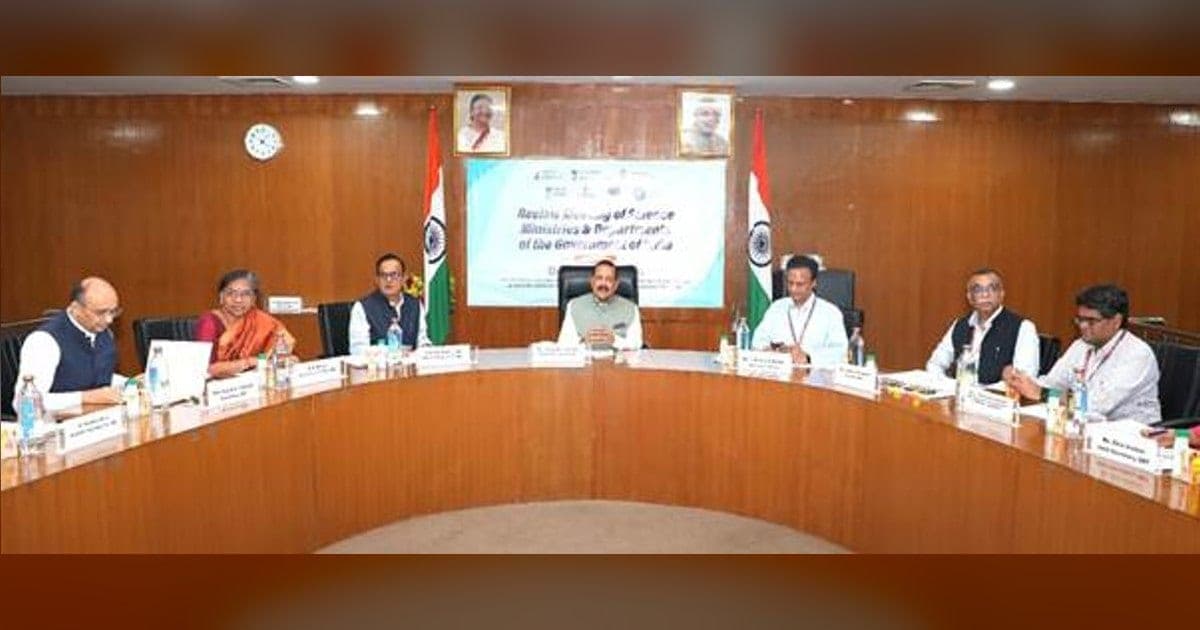
The correct answer is 231. Swachh Sagar Surakshit Sagar 5.0 was conducted from 12 to 19 September 2026, and its coastal clean-up covered 231 locations across 13 States/UTs. Union Minister Dr Jitendra Singh reviewed the campaign on 21 September 2026 and applauded the scale of public participation.

The other figures are distractors built around the correct one. Questions on this campaign usually test three numbers together, so learn them as a set: 231 locations, 13 States/UTs and 15 lakh people who took the Ocean Conservation Pledge. The name of the campaign means "Clean Sea, Safe Sea", and it brought together citizens, students, coastal communities, government agencies, scientific institutions and volunteers in a nationwide effort for cleaner coasts and safer seas along India's long coastline.

Q33.EnvironmentMedium

'Vigyan Ki Baat', a monthly lecture series showcasing India's autonomous scientific institutions, was launched by which body?

  1. A.Department of Biotechnology
  2. B.Council of Scientific and Industrial Research
  3. C.Department of Science & Technology
  4. D.Ministry of Earth Sciences
Show answer

Correct answer: C. Department of Science & Technology

Explanation

The correct answer is Department of Science & Technology. 'Vigyan Ki Baat' is a monthly lecture series launched by DST to showcase the work of India's autonomous scientific institutions and take their achievements to a wider audience. Its first edition, held on 29 August 2026, drew more than 7,500 people from academia, research and industry, and the second edition, on 26 September 2026, will feature the Director of the S.N. Bose National Centre for Basic Sciences.

The other options were all part of the same review meeting, which is why they confuse. The Department of Biotechnology and the Ministry of Earth Sciences take part in the joint digital outreach effort, and CSIR is preparing for CSIR@85. The proposed Digital Library of Scientific Achievements is being built with CSIR-NIScPR as the nodal institution, not DST.

Q34.EnvironmentMedium

How many people took the Ocean Conservation Pledge during 'Swachh Sagar Surakshit Sagar' 5.0?

  1. A.5 lakh
  2. B.10 lakh
  3. C.15 lakh
  4. D.25 lakh
Show answer

Correct answer: C. 15 lakh

Explanation

The correct answer is 15 lakh. During Swachh Sagar Surakshit Sagar 5.0, held from 12 to 19 September 2026, 15 lakh people took the Ocean Conservation Pledge, a commitment to keep the sea and the coast free of litter. Dr Jitendra Singh highlighted this figure while reviewing the campaign and asked that the momentum of public participation be sustained.

The other options are distractors. The pledge figure is the one most likely to be asked because it appears in the headline of the government release, alongside the 231 clean-up locations in 13 States/UTs. Ocean litter is dominated by plastic, which breaks down into microplastics and enters the marine food chain, and campaigns like this aim to change behaviour on land, where most of that waste starts, as well as to clean the beaches themselves.

Q35.NationalEasy

The proceeds of the PM Mementos e-Auction go to which programme?

  1. A.Swachh Bharat Kosh
  2. B.Namami Gange Programme
  3. C.PM CARES Fund
  4. D.National Defence Fund
Show answer

Correct answer: B. Namami Gange Programme

Explanation

The correct answer is Namami Gange Programme. The money raised by the PM Mementos e-Auction supports Namami Gange, the national mission dedicated to the conservation, rejuvenation and protection of the River Ganga and its ecosystem. Since the series began in January 2019, the earlier editions have raised more than ₹50 crore for the project.

The other options are real government funds, which is why they are plausible. Swachh Bharat Kosh collects contributions for sanitation under the Swachh Bharat Mission. The PM CARES Fund was set up for emergency and disaster relief. The National Defence Fund supports the welfare of the armed forces and their families. None of them receives the auction money. The 8th edition of the auction began on 17 September 2026 and offers 1,498 mementos online.

Q36.NationalMedium

The PM Mementos e-Auction is organised by the Ministry of Culture through which institution?

  1. A.Lalit Kala Akademi
  2. B.National Museum, New Delhi
  3. C.National Gallery of Modern Art, New Delhi
  4. D.Indira Gandhi National Centre for the Arts
Show answer

Correct answer: C. National Gallery of Modern Art, New Delhi

Explanation

The correct answer is National Gallery of Modern Art, New Delhi. The Ministry of Culture organises the PM Mementos e-Auction through NGMA, and the auction gives citizens, collectors, institutions and art enthusiasts a chance to acquire mementos presented to the Prime Minister on various occasions. It is conducted online on the portal pmmementos.gov.in.

The other three are also institutions under the Ministry of Culture, which makes them strong distractors. The Lalit Kala Akademi is the national academy of fine arts. The National Museum in New Delhi holds India's major collection of antiquities. The Indira Gandhi National Centre for the Arts works on research and documentation of the arts. Only NGMA runs this auction, whose 8th edition started on 17 September 2026.

Q37.NationalMedium

The Pithora painting featured in the PM Mementos e-Auction 2026 is associated with which communities of central Gujarat?

  1. A.Rathwa, Bhil and Bhilala
  2. B.Warli and Kokna
  3. C.Gond and Baiga
  4. D.Santhal and Munda
Show answer

Correct answer: A. Rathwa, Bhil and Bhilala

Explanation

The correct answer is Rathwa, Bhil and Bhilala. The Ministry of Culture's note on the auction describes a framed Pithora painting associated with these communities of central Gujarat, featuring horses, deities and motifs that represent the beliefs behind the art. Pithora paintings are traditionally made on the walls of homes as a ritual offering, and the horse is one of their most recognisable figures.

The other pairs are linked with different tribal art traditions, which is how exams test this topic. Warli painting, with its stick-like figures, comes from the Warli and neighbouring communities of the Maharashtra–Gujarat border. Gond art belongs to central India, especially Madhya Pradesh, and the Baiga live in the same region. The Santhal and Munda are communities of eastern India. Other Gujarat items in the auction include a Mata-ni-Pachedi textile, Lippan art and a Bhujodi shawl.

Q38.Banking & FinanceEasy

Bank unions have called strikes in September–October 2026 mainly over which demand that remains pending?

  1. A.Withdrawal of the Performance Linked Incentive scheme
  2. B.Implementation of five-day banking
  3. C.Restoration of the Old Pension Scheme
  4. D.Merger of Regional Rural Banks
Show answer

Correct answer: B. Implementation of five-day banking

Explanation

The correct answer is Implementation of five-day banking. The United Forum of Bank Unions and some other unions in public sector banks, supported by Regional Rural Banks, raised two principal demands: a five-day working week for banks and withdrawal of the Performance Linked Incentive scheme. The Finance Ministry says the strikes are now about the single demand of a five-day week, which is still being examined.

Withdrawal of the PLI scheme is the trap. It was one of the two original demands, but the Government met it by keeping the scheme in abeyance, so it is no longer pending. The Old Pension Scheme and the merger of Regional Rural Banks are not part of these strikes. A one-day strike was held on 11 September 2026; a three-day strike is set for 28 to 30 September and an indefinite one from 26 October 2026.

Q39.Banking & FinanceMedium

In which year were the 2nd and 4th Saturdays of every month declared holidays for Public Sector Banks?

  1. A.2012
  2. B.2015
  3. C.2019
  4. D.2020
Show answer

Correct answer: B. 2015

Explanation

The correct answer is 2015. In its appeal of 21 September 2026, the Ministry of Finance recalled that the Government, in the interest of bank employees, declared the 2nd and 4th Saturdays of every month as holidays for public sector banks in 2015. The remaining Saturdays are working days and, the Ministry said, an important opportunity for many citizens to use banking services.

The other years are distractors. This fact matters because the unions' pending demand, five-day banking, would turn every Saturday into a holiday. The Government's argument is that customers already lose two Saturdays a month, and that the planned strike from 28 to 30 September, next to a weekend and the half-yearly closing on 30 September, would mean an effective five-day shutdown of banking at a sensitive time of the financial year.

Q40.Banking & FinanceMedium

By how much was the Staff Welfare Fund of Public Sector Banks enhanced in August 2024?

  1. A.25%
  2. B.40%
  3. C.56%
  4. D.75%
Show answer

Correct answer: C. 56%

Explanation

The correct answer is 56%. The Staff Welfare Fund is money that public sector banks set aside for the welfare of working and retired staff, covering health expenses, canteen subsidies, sports and cultural activities and educational help. The Finance Ministry listed its 56% increase in August 2024 among the measures taken for bank employees.

The other percentages are distractors. The same list includes other points worth knowing: PSBs recruited about 4,82,800 employees from FY 2014-15 to FY 2025-26, with recruitment doubling in the last three years; as of 1 July 2026, 95.84% of officer posts and 92% of subordinate/award staff posts were filled; and negotiations on the next Bipartite Settlement began early, aiming to finish before the November 2027 deadline. Bipartite settlements are wage agreements between bank managements and unions.

Q41.EconomyMedium

What did the Ministry of Mines launch at the National Seminar on India's Critical Minerals Recycling Ecosystem and Circular Economy on 21 September 2026?

  1. A.A critical minerals trading exchange
  2. B.Concept Paper on Critical Mineral Recycling Ecosystem
  3. C.New E-Waste (Management) Rules
  4. D.A list of new critical mineral blocks for auction
Show answer

Correct answer: B. Concept Paper on Critical Mineral Recycling Ecosystem

Explanation

The correct answer is Concept Paper on Critical Mineral Recycling Ecosystem. At the seminar in New Delhi, the Union Ministers launched this paper, which outlines a strategic framework for strengthening critical mineral recycling in India. It focuses on resource efficiency, recovery of minerals from secondary sources such as e-waste and End-of-Life products, and building a circular and self-reliant ecosystem.

The other options sound plausible but did not happen at this event. No trading exchange was launched. E-waste management rules are framed by the Ministry of Environment, Forest and Climate Change, not by the Mines Ministry. Auctions of critical mineral blocks are a separate process run by the Ministry of Mines and were not part of this seminar. The seminar was inaugurated by G. Kishan Reddy and organised with the Materials Recycling Association of India.

Q42.EconomyMedium

The Ministry of Mines organised the national seminar on critical minerals recycling in collaboration with which body?

  1. A.Federation of Indian Chambers of Commerce and Industry
  2. B.Materials Recycling Association of India
  3. C.Confederation of Indian Industry
  4. D.Indian Bureau of Mines
Show answer

Correct answer: B. Materials Recycling Association of India

Explanation

The correct answer is Materials Recycling Association of India. The day-long National Seminar on "India's Critical Minerals Recycling Ecosystem and Circular Economy" was organised by the Ministry of Mines in collaboration with MRAI, an industry body of recyclers. It brought together policymakers, industry leaders, recyclers, researchers and academia.

FICCI and CII are broad industry chambers that often partner with ministries on events, which is why they are tempting, but neither organised this seminar. The Indian Bureau of Mines is a subordinate office of the Ministry of Mines that deals with mineral conservation and regulation of mining, so it is also a strong distractor. Remember the pair for this story: Ministry of Mines plus MRAI, with Union Minister G. Kishan Reddy, Minister of State Satish Chandra Dubey and Secretary Keshav Chandra speaking at the event.

Q43.EconomyMedium

The term 'black mass', discussed at the critical minerals recycling seminar, refers to what?

  1. A.Coal dust left after washing coal
  2. B.Residue from crude oil refining
  3. C.Silt removed from river beds
  4. D.Material recovered from spent lithium-ion batteries
Show answer

Correct answer: D. Material recovered from spent lithium-ion batteries

Explanation

The correct answer is Material recovered from spent lithium-ion batteries. When used lithium-ion batteries are collected, dismantled and shredded, the result is a dark powder called black mass. It contains valuable metals such as lithium, cobalt, nickel and manganese, along with graphite, which can be extracted by further processing. One of the technical sessions at the seminar dealt with lithium-ion battery metal recovery and the export of black mass.

The other options are distractors taken from other industries. Coal dust and refinery residue have nothing to do with critical minerals recycling, and river silt is unrelated. The issue of black mass matters because if it is simply exported, the valuable metals are recovered abroad; processing it within the country keeps those critical minerals in the domestic supply chain, which is the goal of the circular economy approach.

Q44.Government SchemesMedium

Under the Nal Jal Mitra programme of Jal Jeevan Mission 2.0, how long is the Short-Term Training course for new entrants?

  1. A.120 hours
  2. B.240 hours
  3. C.360 hours
  4. D.510 hours
Show answer

Correct answer: D. 510 hours

Explanation

The correct answer is 510 hours. At its virtual conference on 21 September 2026, the Department of Drinking Water and Sanitation briefed States on the two pathways of the Nal Jal Mitra programme: a 510-hour Short-Term Training course for new entrants, and a 120-hour Recognition of Prior Learning pathway for people who already work on rural water systems, such as plumbers, electricians, pump attendants and operators.

That is why 120 hours is the trap: it is a real figure from the same programme, but for the RPL route, not for new entrants. The other two options are distractors. Nal Jal Mitra is an NSQF-aligned qualification developed with the Ministry of Skill Development and Entrepreneurship, and it trains multi-skilled village technicians to handle pumps, pipelines, treatment systems and electrical fittings. States were asked to prioritise local youth.

Q45.Government SchemesMedium

'Sujalam Shakti', discussed under Jal Jeevan Mission 2.0, is a women-led initiative for what purpose?

  1. A.Village-level water quality testing and disinfection
  2. B.Building rainwater harvesting structures
  3. C.Running village solar pumps
  4. D.Collecting water tariffs
Show answer

Correct answer: A. Village-level water quality testing and disinfection

Explanation

The correct answer is Village-level water quality testing and disinfection. Sujalam Shakti aims to create a trained workforce of village women for water quality surveillance, testing and basic disinfection, and to strengthen women's role in rural water governance. It is based on the NSQF Level-2 qualification "Fundamentals of Basic Water Quality Testing and Disinfection", which covers sampling, the use of Field Test Kits, chlorination, sanitary inspection, source protection and digital reporting.

The other options describe different activities that are not part of this initiative. The first phase aims to train about 1.35 to 1.70 lakh women through State Rural Livelihood Missions, Panchayati Raj Institutions and Rural Self Employment Training Institutes. States were advised to give priority to women already testing water under Jal Jeevan Mission and to Self-Help Group members, and to register Sujalam Shakti members on the Gram Panchayat dashboard.

Q46.Government SchemesMedium

Which department organised the first National Virtual Conference with States/UTs on a skilled rural water workforce under Jal Jeevan Mission 2.0?

  1. A.Department of Water Resources, River Development and Ganga Rejuvenation
  2. B.Department of Drinking Water and Sanitation
  3. C.Department of Rural Development
  4. D.Department of Land Resources
Show answer

Correct answer: B. Department of Drinking Water and Sanitation

Explanation

The correct answer is Department of Drinking Water and Sanitation. DDWS, which is part of the Ministry of Jal Shakti, organised the conference on 21 September 2026 as a follow-up to its Departmental Summit of 1 to 2 September 2026. Jal Jeevan Mission, which aims to give rural households tap water connections, is run by this department through the National Jal Jeevan Mission.

The Department of Water Resources, River Development and Ganga Rejuvenation is the other department of the Ministry of Jal Shakti, which makes it the most tempting wrong answer; it handles rivers, irrigation and the Namami Gange programme. The Department of Rural Development and the Department of Land Resources are under the Ministry of Rural Development. States were asked to draft JJM 2.0 HR policies in coordination with rural development and Panchayati Raj departments.

Q47.Science & TechnologyMedium

The I-STEM portal for sharing scientific research facilities was launched by the Prime Minister in which month and year?

  1. A.January 2018
  2. B.January 2020
  3. C.August 2021
  4. D.January 2023
Show answer

Correct answer: B. January 2020

Explanation

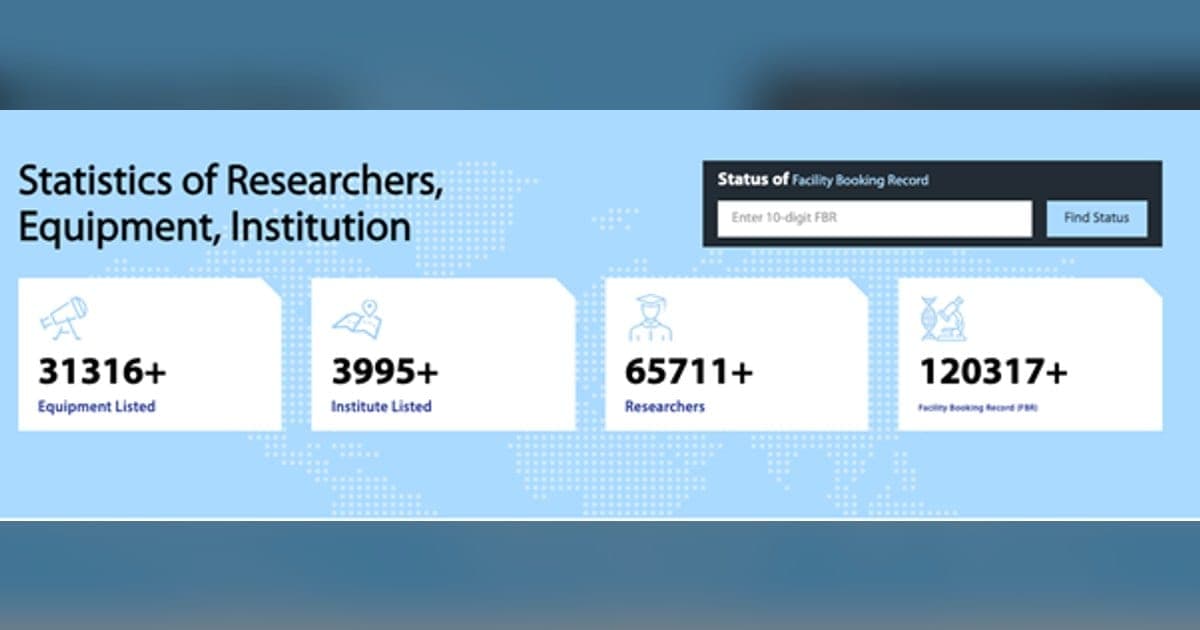
The correct answer is January 2020. I-STEM, the Indian Science Technology and Engineering facilities Map, was conceived and supported by the Office of the Principal Scientific Adviser and launched by the Prime Minister in January 2020. Since then it has grown into a national resource with more than 31,000 scientific instruments across nearly 4,000 institutions and over 65,000 registered users.

The other dates are distractors. The portal came back into the news on 21 September 2026, when the Office of the PSA held the first State Governments Nodal Officers Meeting, chaired by Scientific Secretary Dr Parvinder Maini, with officers from 23 States and 4 UTs. The aim is to bring State universities and laboratories onto I-STEM so that expensive publicly funded instruments are shared rather than bought again by every institution.

Q48.Science & TechnologyMedium

The I-STEM portal was conceived and is supported by which office?

  1. A.NITI Aayog
  2. B.Department of Science & Technology
  3. C.Office of the Principal Scientific Adviser
  4. D.Council of Scientific and Industrial Research
Show answer

Correct answer: C. Office of the Principal Scientific Adviser

Explanation

The correct answer is Office of the Principal Scientific Adviser. The PSA's Office conceived and supports I-STEM, and it was this office that convened the first State Governments Nodal Officers Meeting for the portal on 21 September 2026. The meeting was chaired by Dr (Mrs) Parvinder Maini, Scientific Secretary in the Office of the PSA.

The other options are plausible because they are all part of India's science administration. NITI Aayog is the government's policy think tank. The Department of Science & Technology funds research and runs many science programmes. CSIR is a network of national laboratories, and its own ANALYTICS portal for instruments is now being integrated with I-STEM through API links, which makes it a particularly tempting wrong answer. But the portal itself belongs to the Office of the PSA.

Q49.Science & TechnologyMedium

According to the Office of the PSA, the I-STEM portal lists more than how many scientific instruments?

  1. A.11,000
  2. B.21,000
  3. C.31,000
  4. D.41,000
Show answer

Correct answer: C. 31,000

Explanation

The correct answer is 31,000. The Office of the Principal Scientific Adviser says I-STEM now lists more than 31,000 scientific instruments across nearly 4,000 institutions, and has over 65,000 registered users. Listing of publicly funded equipment that costs more than ₹20 lakh on the portal further strengthens shared access to research infrastructure.

The other numbers are distractors. For exams, keep the three scale figures together: 31,000-plus instruments, about 4,000 institutions and 65,000-plus users. Also keep the meeting figures separate from the portal figures: the first State Governments Nodal Officers Meeting on 21 September 2026 had officers from 23 States and 4 UTs. The purpose of the portal is to improve utilisation of existing equipment and reduce duplication of investment across the research system.

Quiz of the day

More current affairs