
Innovative Public Toilets Mark 12 Years of Swachh Bharat
As the Swachh Bharat Mission completes twelve years, cities from Bengaluru to Tirupati have rebuilt public toilets using scrap buses, recycled plastic and smart fittings.
Why in News
A PIB backgrounder of 2 October 2026 set out how Indian cities have redesigned public toilets as the Swachh Bharat Mission, launched on 2 October 2014, completes twelve years, with examples from Bengaluru, Navi Mumbai, Bhopal, Karad and Tirupati.
The Swachh Bharat Mission, launched on 2 October 2014, completes twelve years, and a PIB account of its sanitation work shows how far the idea of a public toilet has travelled. Cities first built toilets and worked towards Open Defecation Free status, many going on to ODF+ and ODF++. In 2022 the Toilets 2.0 initiative under the urban arm of the mission set a new aim: that community and public toilets be safe, clean and inviting. A user can find the nearest one through the SBM Toilet Locator on the Swachhata app.
A scrap bus in Bengaluru
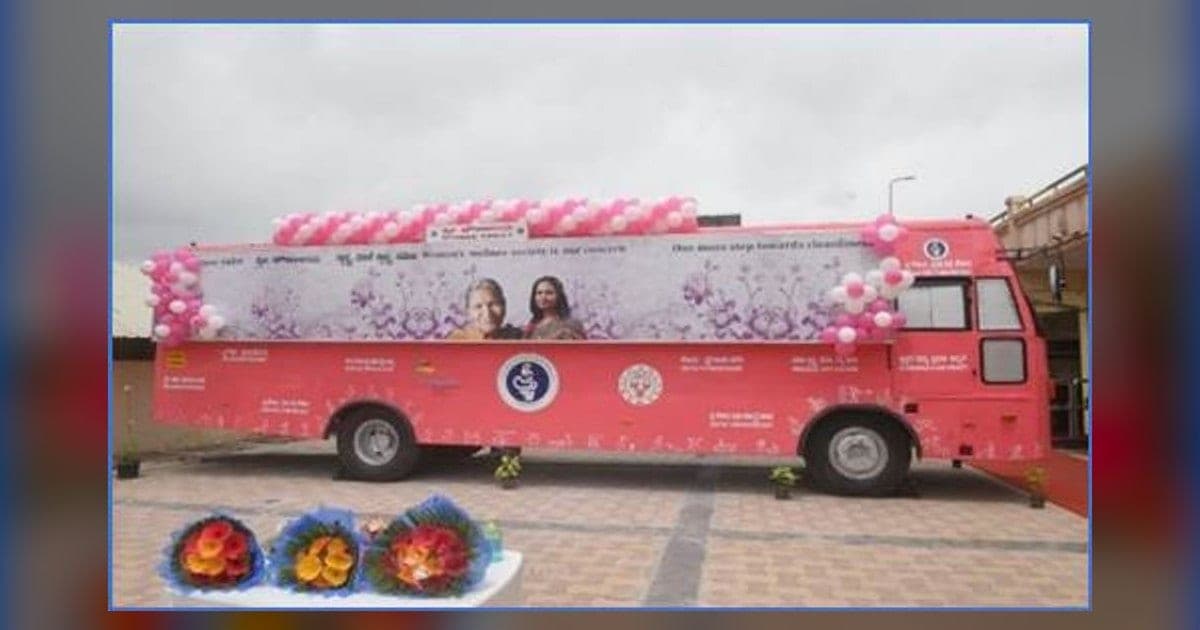
At the Majestic terminal of the Karnataka State Road Transport Corporation in Bengaluru, an old bus was turned into the Sthree Toilet, meant for women alone. It has three Indian-style and two Western-style commodes, a sanitary napkin vending machine and an incinerator, and a space where mothers can feed babies and change nappies. Its sensor lights run on solar power the facility generates itself.
Recycled plastic in Navi Mumbai
The Navi Mumbai Municipal Corporation built its Aspirational Toilets at Sector 14, Koparkhairane, near the Nisargudyan urban garden, where 8,000 to 9,000 people come every day.
| Material reused | Quantity |
| Recycled plastic sheeting | 426 square metres |
| Single-use plastic | 5.3 metric tonnes |
| Plastic bottles | 11,700 |
| Bottle caps | 35,200 |
| Computer keyboards | 85, repurposed |
| Scrap metal | 284 kg |
Freshrooms in Bhopal
At the 10 Number Market, the Bhopal Municipal Corporation runs Freshrooms, built on a Design-Build-Operate-Transfer model under a public-private partnership. The Smart Lounge there covers 800 to 1,000 square feet and serves 500 to 1,000 visitors a day, with sensor-based toilets, touch-free urinals, hot and cold showers, lockers, Wi-Fi and a cafe.
Sanitary waste at Karad
Karad, in the Satara district of Maharashtra, segregates, collects and processes its sanitary and biomedical waste in full, gathering 300 to 350 kg a day. The municipal council placed red bins in public toilets, worked with women residents to break the taboo, and partnered the Karad Hospital Association for a 600 kg a day Common Biomedical Waste Treatment Facility, whose incinerator reaches 1,200 degrees Celsius with emissions monitored in real time and linked to the State Pollution Control Board.
Pilgrims at Tirupati
The Tirupati Municipal Corporation runs a Pink Toilet Complex for women near the bus station, serving 12,000 to 15,000 users a day on a three-shift cleaning system, and a common complex near the railway station for the 20,000 to 25,000 devotees who visit the Govindarajaswamy Temple area daily, with ramps, handrails and facilities for transgender persons and Divyaang users.
Important Facts
| Mission | Swachh Bharat Mission, launched on 2 October 2014 |
|---|---|
| Years completed | Twelve |
| Toilets 2.0 | Initiative of 2022 under Swachh Bharat Mission-Urban for community and public toilets |
| Finding a toilet | SBM Toilet Locator on the Swachhata app |
| Bengaluru | Sthree Toilet for women, built from a scrap bus at the KSRTC Majestic terminal |
| Navi Mumbai | Aspirational Toilets at Sector 14, Koparkhairane, using 426 square metres of recycled plastic sheeting |
| Navi Mumbai materials | 11,700 plastic bottles, 35,200 bottle caps, 85 computer keyboards and 284 kg of scrap metal |
| Bhopal | Freshrooms at the 10 Number Market on a Design-Build-Operate-Transfer model under a public-private partnership |
| Karad | In Satara district, Maharashtra; 300 to 350 kg of sanitary waste collected daily |
| Karad facility | 600 kg a day Common Biomedical Waste Treatment Facility, incinerator up to 1,200 degrees Celsius |
| Tirupati | Pink Toilet Complex for women serving 12,000 to 15,000 users daily |
| Tirupati railway station complex | Caters to 20,000 to 25,000 devotees daily in the Govindarajaswamy Temple area |
Exam Point of View
The launch date of the Swachh Bharat Mission, 2 October 2014, and the twelve years it completes are the first facts. Then Toilets 2.0 of 2022 under the urban mission and the SBM Toilet Locator on the Swachhata app. City-wise pairings are the likely questions: Sthree Toilet from a scrap bus at the KSRTC Majestic terminal in Bengaluru; Aspirational Toilets of recycled plastic at Koparkhairane in Navi Mumbai; Freshrooms on a DBOT model at Bhopal; sanitary waste treatment at Karad in Satara district with an incinerator at 1,200 degrees Celsius; and the Pink Toilet Complex at Tirupati.
Practice Questions
On which date was the Swachh Bharat Mission launched?
- A.15 August 2014
- B.2 October 2014
- C.2 October 2015
- D.26 January 2015
Show answer
Correct answer: B. 2 October 2014
Explanation
The correct answer is 2 October 2014, the date from which the mission counts the twelve years it now completes. Option A names Independence Day of the same year, a date often associated with the announcement of national programmes, which makes it the most attractive wrong choice. Options C and D shift the year forward and would put the anniversary out by a full twelve months. The mission began by getting cities to build toilets, raise awareness and work towards Open Defecation Free status, after which many went further and achieved ODF plus and ODF double plus grades. Its urban arm later added a quality goal through the Toilets two point zero initiative, and a user can now locate the nearest community or public facility through the toilet locator on the Swachhata application. Linking the launch date to the Gandhi Jayanti of that year is the easiest way to retain it.
The Sthree Toilet, built from a scrap bus for women travellers, is at a bus terminal in which city?
- A.Bengaluru
- B.Bhopal
- C.Navi Mumbai
- D.Tirupati
Show answer
Correct answer: A. Bengaluru
Explanation
The correct answer is Bengaluru, in Karnataka, where an old vehicle at the Majestic terminal of the Karnataka State Road Transport Corporation was converted into a facility for women alone. It holds three Indian-style and two Western-style commodes, a sanitary napkin vending machine and an incinerator for menstrual hygiene, and a dedicated space where mothers can feed babies and change nappies, while its sensor lights run on solar power the facility itself generates. The three wrong options are the other cities in the same account, each with a different innovation: Bhopal runs the Freshrooms smart lounges at a market, Navi Mumbai built toilets out of recycled plastic at Koparkhairane, and Tirupati maintains large complexes for pilgrims. Matching each city to its own innovation is the surest way to answer whichever pairing the question asks for.
How many plastic bottles and bottle caps were used in building the Aspirational Toilets at Koparkhairane, Navi Mumbai?
- A.9,500 bottles and 28,400 caps
- B.11,700 bottles and 35,200 caps
- C.14,200 bottles and 41,000 caps
- D.7,600 bottles and 19,800 caps
Show answer
Correct answer: B. 11,700 bottles and 35,200 caps
Explanation
The correct answer is 11,700 bottles and 35,200 caps. The structure built by the Navi Mumbai Municipal Corporation at Sector 14, Koparkhairane, uses 426 square metres of recycled plastic sheeting, which includes 5.3 metric tonnes of single-use plastic, and the builders also reused 85 repurposed computer keyboards and 284 kg of scrap metal. A fountain running on treated sewage water completes the design, and the site stands near the Nisargudyan urban garden where 8,000 to 9,000 visitors come each day. The other options carry invented counts of the sort an examiner uses to test whether a candidate has learnt the bottle figure together with the cap figure. The toilet also has separate sections for men and women, units for children and for persons with disabilities, baby care stations and sanitary pad vending machines.
Karad, the city which fully segregates and processes its sanitary and biomedical waste, lies in which district?
- A.Sangli, Maharashtra
- B.Satara, Maharashtra
- C.Kolhapur, Maharashtra
- D.Solapur, Maharashtra
Show answer
Correct answer: B. Satara, Maharashtra
Explanation
The correct answer is Satara district of Maharashtra. The municipal council there collects 300 to 350 kg of sanitary waste a day from hospitals, clinics, households and other premises, placed red bins inside public toilets, and worked with women residents to form awareness groups that carried the message through residential areas. It allotted land for a Common Biomedical Waste Treatment Facility of 600 kg a day, which the Karad Hospital Association operates and maintains, and the council pays nothing for the treatment of the waste it collects. The central incinerator reaches temperatures of up to 1,200 degrees Celsius, gases are filtered, and emissions are watched in real time through a link to the State Pollution Control Board system. The other three options are neighbouring districts of western Maharashtra, close enough to be tempting but not the right one.
Frequently Asked Questions
When was the Swachh Bharat Mission launched?
On 2 October 2014. The mission completes twelve years, and cities have moved from building toilets to keeping them clean, safe, inclusive and sustainable under its urban second phase.
What is the Sthree Toilet and where is it?
A toilet for women built from a scrap bus at the Majestic bus terminal of the Karnataka State Road Transport Corporation in Bengaluru, with three Indian-style and two Western-style commodes and solar-powered sensor lights.
What materials went into the Aspirational Toilets of Navi Mumbai?
426 square metres of recycled plastic sheeting including 5.3 metric tonnes of single-use plastic, along with 11,700 plastic bottles, 35,200 bottle caps, 85 repurposed computer keyboards and 284 kg of scrap metal.
How does Karad handle sanitary waste?
It segregates, collects and processes its sanitary and biomedical waste fully, gathering 300 to 350 kg a day, and treats it at a 600 kg a day Common Biomedical Waste Treatment Facility run with the Karad Hospital Association.
Sources
- https://www.pib.gov.in/PressReleasePage.aspx?PRID=2318095 (opens in a new tab) — Press Information Bureau
Current Affairs 2 October 2026
- Survey of India Marks 28 Standard Place Names in LadakhNational
- Special Campaign 6 Starts With E-Waste Disposal in FocusGovernment Schemes
- Meghwal Leads Ek Ped Maa Ke Naam Drive at IIAC in DelhiEnvironment
- RoDTEP Export Scheme Extended Up to 31 December 2026Economy
- RELIEF Timelines Extended for West Asia Route ExportersEconomy
- Goyal at G20 Trade Ministers Meeting in Milwaukee, USSummits & Conferences
- APEDA Sends Bihar Makhana From Purnea to GreeceEconomy
- NITI Aayog Holds SDG Budgeting Workshop in KolkataNational
Related Current Affairs
- Government Schemes
Special Campaign 6 Starts With E-Waste Disposal in Focus
2 October 2026 · 2 min read
- Government Schemes
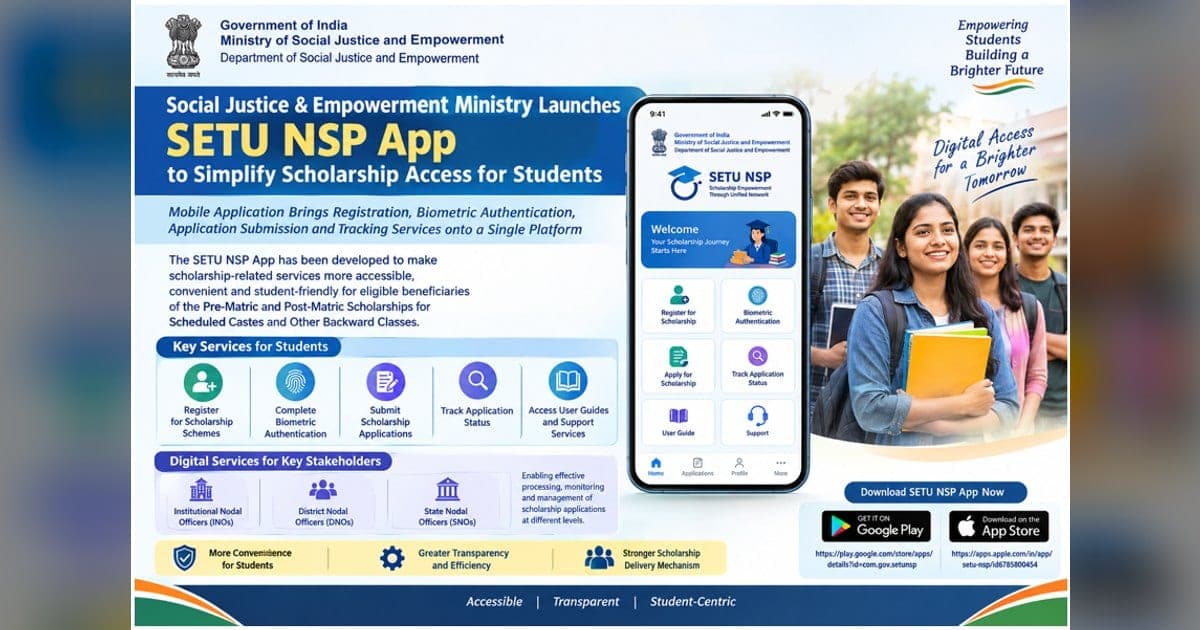
SETU NSP App Brings Scholarship Services to One Platform
1 October 2026 · 2 min read
- Government Schemes
Jal Jeevan Mission 2.0 Sets Aside Rs 5,000 Crore for Tribal Villages
1 October 2026 · 2 min read


Related GK
- Artificial Intelligence and the IndiaAI Mission: Exam Notes
2 October 2026 · Science & Technology
- Chhattisgarh GK: Formation, Minerals and Culture
2 October 2026 · Indian States & UTs
- Famous Cities and Their Nicknames: Full List
2 October 2026 · Static GK
Take the Quiz
- Current Affairs Quiz
SSC CHSL Current Affairs Quiz: 2 October 2026
17 questions17 minutesStart Quiz