
Health Ministry Proposes Curbs on Prescription Drug Advertising
A draft amendment to the Drugs Rules, 1945 would bar retailers and wholesalers from advertising Schedule H, H1 and X medicines without Central sanction.
Why in News
On 9 October 2026 the Union Health Ministry announced a draft amendment to the Drugs Rules, 1945, extending the requirement of prior Central Government sanction for advertising Schedule H, H1 and X medicines to retail and wholesale drug licence holders.
The Union Ministry of Health and Family Welfare has floated a draft change to the Drugs Rules, 1945 that would pull chemists, wholesalers and distributors into the net of rules governing advertisements for medicines sold only on a doctor's prescription.
The gap being closed
As the law stands, a drug maker may not advertise a medicine listed in Schedule H, Schedule H1 or Schedule X unless the Central Government has cleared it first. The matching bar, however, was never written out for the firms that stock and sell those medicines. The ministry says that silence left room for unauthorised promotion, and the amendment is meant to shut it.
What the draft does
A fresh sub-rule, numbered twenty-two, is to be inserted under Rule 65 of the Drugs Rules. It would carry the advertising restriction across to every holder of a licence to sell, stock, exhibit or offer for sale, or to distribute drugs, which covers both retail and wholesale licensees. Under the proposed words, no advertisement of a medicine in Schedule H, Schedule H1 or Schedule X may be issued without the previous sanction of the Central Government.
How it reached this stage
| Rules amended | Drugs Rules, 1945 |
| Gazette notification | G.S.R. 861(E), dated 28 September 2026 |
| Advisory body consulted | Drugs Technical Advisory Board |
| Window for comments | 30 days from the date the Gazette copies are made public |
The draft was notified through Gazette Notification G.S.R. 861(E) of 28 September 2026, after the ministry consulted the Drugs Technical Advisory Board (DTAB). The proposal follows what the 93rd meeting of the DTAB, held on 16 February 2026, recommended when it examined whether the rules needed a provision on advertisements put out by firms licensed to sell and distribute medicines.
Why it matters
The ministry expects the change to tighten oversight along the whole pharmaceutical supply chain, discourage promotion of prescription drugs by those not authorised to advertise them, and bring down the risk that patients medicate themselves wrongly. The medicines in these schedules need a doctor's supervision and include certain antibiotics and psychotropic drugs, where misuse carries a public health cost. Objections and suggestions have been invited from the public and from stakeholders within thirty days of the Gazette copies being made available, and whatever arrives in time will be weighed before the amendment is finalised.
Important Facts
| Ministry | Ministry of Health and Family Welfare |
|---|---|
| Rules being amended | Drugs Rules, 1945 |
| Schedules covered | Schedule H, Schedule H1 and Schedule X |
| New provision | Sub-rule 22 inserted under Rule 65 |
| Gazette notification | G.S.R. 861(E), dated 28 September 2026 |
| Body consulted | Drugs Technical Advisory Board (DTAB) |
| Recommending meeting | 93rd DTAB meeting, 16 February 2026 |
| Comment period | 30 days from the date Gazette copies are made public |
Exam Point of View
Remember the rules being amended (Drugs Rules, 1945), the schedules covered (H, H1 and X), the new provision (sub-rule 22 under Rule 65), the Gazette notification (G.S.R. 861(E) of 28 September 2026), the advisory body (Drugs Technical Advisory Board), the meeting behind it (93rd DTAB meeting of 16 February 2026) and the 30-day window for objections. Schedule H and H1 cover prescription-only medicines and Schedule X the more tightly controlled psychotropic drugs.
Practice Questions
The Health Ministry's draft amendment on advertising of prescription medicines seeks to amend which rules?
- A.The Drugs Rules, 1945
- B.The Drugs and Magic Remedies Rules, 1955
- C.The Food Safety and Standards Rules, 2011
- D.The Clinical Establishments Rules, 2012
Show answer
Explanation
The correct answer is the Drugs Rules, 1945. The Union Ministry of Health and Family Welfare has proposed an amendment to these rules so that the requirement of prior Central Government sanction for advertising drugs listed in Schedule H, Schedule H1 and Schedule X extends to entities licensed to sell and distribute medicines, and not only to manufacturers. The vehicle is a new sub-rule inserted under Rule 65. Option B names a different legal instrument concerned with objectionable advertisements of remedies, which is not what the ministry has moved to change here. Option C deals with food and not with medicines, and is administered by a separate regulator. Option D concerns the registration and standards of clinical establishments, again outside the subject of drug advertisements. The point to carry is that schedules H, H1 and X sit inside the Drugs Rules of 1945.
Through which Gazette notification was the draft amendment on prescription drug advertising notified?
- A.G.S.R. 612(E) dated 12 August 2026
- B.G.S.R. 861(E) dated 28 September 2026
- C.S.O. 904(E) dated 1 October 2026
- D.G.S.R. 455(E) dated 30 June 2026
Show answer
Explanation
The correct answer is G.S.R. 861(E) dated 28 September 2026. The ministry notified the draft amendment through that notification after consulting the Drugs Technical Advisory Board, and it has invited objections and suggestions from stakeholders and from the public within thirty days of the date on which copies of the Gazette carrying the draft rules are made available. Options A, C and D carry invented numbers and dates that appear nowhere in the announcement, and option C also uses the wrong series, since subordinate legislation of this kind is issued as a General Statutory Rule rather than a Statutory Order. For the examination, pair three details together: the notification number, the date of 28 September 2026 and the consultation with the Drugs Technical Advisory Board that preceded it.
Which meeting of the Drugs Technical Advisory Board recommended a provision on advertisements by drug sale and distribution licence holders?
- A.The 88th meeting, held in June 2025
- B.The 90th meeting, held in October 2025
- C.The 93rd meeting, held on 16 February 2026
- D.The 95th meeting, held on 4 August 2026
Show answer
Explanation
The correct answer is the 93rd meeting, held on 16 February 2026. That sitting of the Drugs Technical Advisory Board took up the question of whether the rules needed an express provision covering advertisements issued by firms holding licences to sell and distribute medicines, and the draft amendment follows its recommendation. The board was also consulted before the draft was notified in the Gazette. Options A, B and D name meeting numbers and dates that do not appear in the announcement, and all three would place the recommendation either too early or after the notification itself, which was issued on 28 September 2026. Candidates should remember the chain of events in order, namely the board's recommendation in February, the Gazette notification in September and the public comment window of thirty days that follows.
Frequently Asked Questions
What change has the Health Ministry proposed in the Drugs Rules, 1945?
It has proposed inserting sub-rule 22 under Rule 65 so that holders of licences to sell, stock, exhibit, offer for sale or distribute drugs, including retail and wholesale licensees, cannot advertise Schedule H, H1 or X medicines without prior sanction of the Central Government.
Which notification carries the draft amendment?
Gazette Notification G.S.R. 861(E), dated 28 September 2026, issued after consultation with the Drugs Technical Advisory Board. The ministry has invited objections and suggestions within 30 days of the Gazette copies being made available to the public.
Why was the amendment considered necessary?
Existing rules barred only manufacturers from advertising Schedule H, H1 and X drugs without Central sanction, leaving sellers and distributors outside the restriction. The ministry says closing that gap will curb unauthorised promotion and reduce risks from inappropriate self-medication.
Sources
- https://www.pib.gov.in/PressReleasePage.aspx?PRID=2321172 (opens in a new tab) — Press Information Bureau
Current Affairs 9 October 2026
- World Cotton Day Marked by India and Mali at UN HeadquartersImportant Days
- Singapore, India’s Top FDI Source, Hosts Sitharaman VisitEconomy
- Coal Supply to Power Plants Rises 36% From September LowEconomy
- 15th AITIGA Joint Committee Meeting Held in JakartaInternational
- Khadi: NIFT Centre of Excellence Builds 2,129 Design CollectionsGovernment Schemes
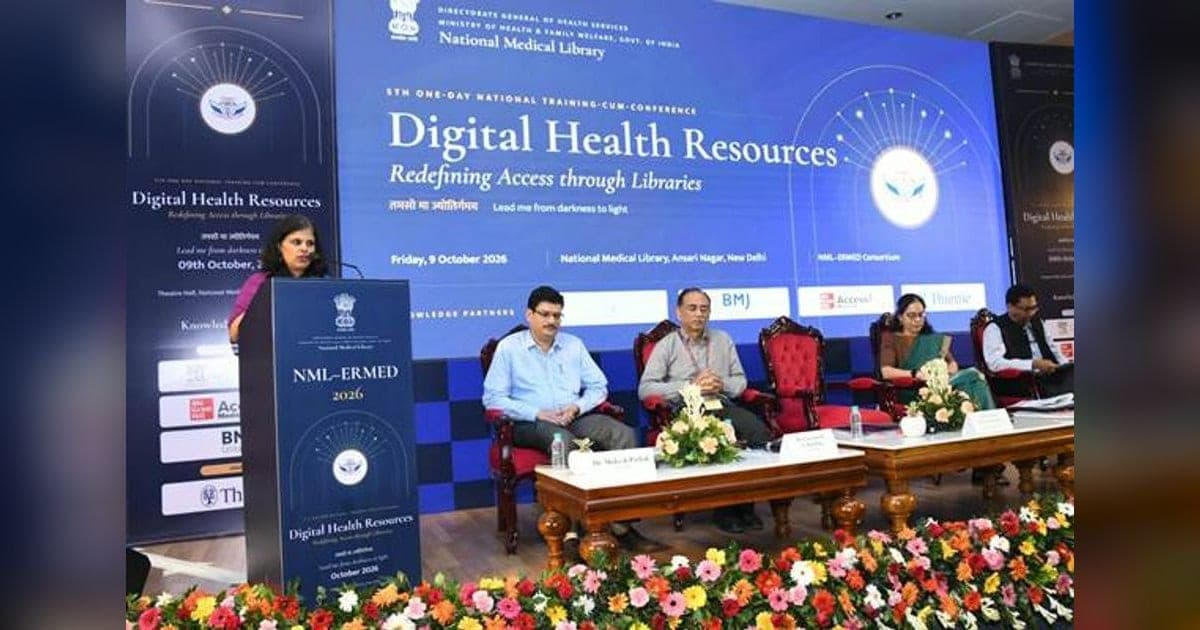
- National Medical Library Holds 5th ERMED Consortium ConferenceNational
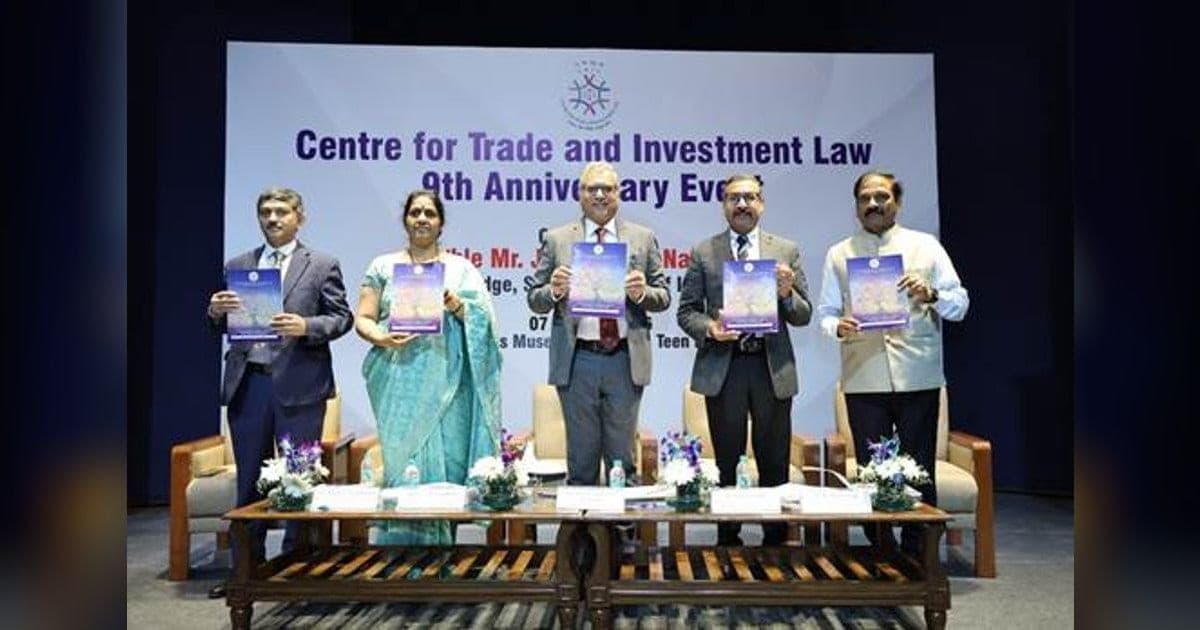
- CTIL Marks 9th Anniversary, Releases Trade MagazineNational
Related Current Affairs

Related GK
- Certification Marks of India: ISI, Agmark and Hallmark
9 October 2026 · Science & Technology
- Union Territories of India: Articles, Capitals and Facts
9 October 2026 · Indian States & UTs
- Jammu and Kashmir and Ladakh GK: Facts for Exams
9 October 2026 · Indian States & UTs
Take the Quiz
- Current Affairs Quiz
State Exams Current Affairs Quiz: 9 October 2026
25 questions25 minutesStart Quiz