
Jal Jeevan Mission 2.0 Regional Meet Ends in Tiruchirappalli
The first Regional Conference on Jal Jeevan Mission 2.0 ended at Tiruchirappalli, with DDWS Secretary Ashok K. K. Meena stressing community ownership of water.
Why in News
The first Regional Conference on Jal Jeevan Mission 2.0 concluded at Tiruchirappalli in Tamil Nadu on 14 November 2026, with the Secretary of the Department of Drinking Water and Sanitation stressing sustainable drinking water services and community ownership.
The first Regional Conference on Jal Jeevan Mission (JJM) 2.0 ended at Tiruchirappalli in Tamil Nadu on 14 November 2026, with the message that a village water supply is a service to be run and not merely a structure to be built. Ashok K. K. Meena, Secretary of the Department of Drinking Water and Sanitation in the Ministry of Jal Shakti, led the concluding session.
A day in the villages
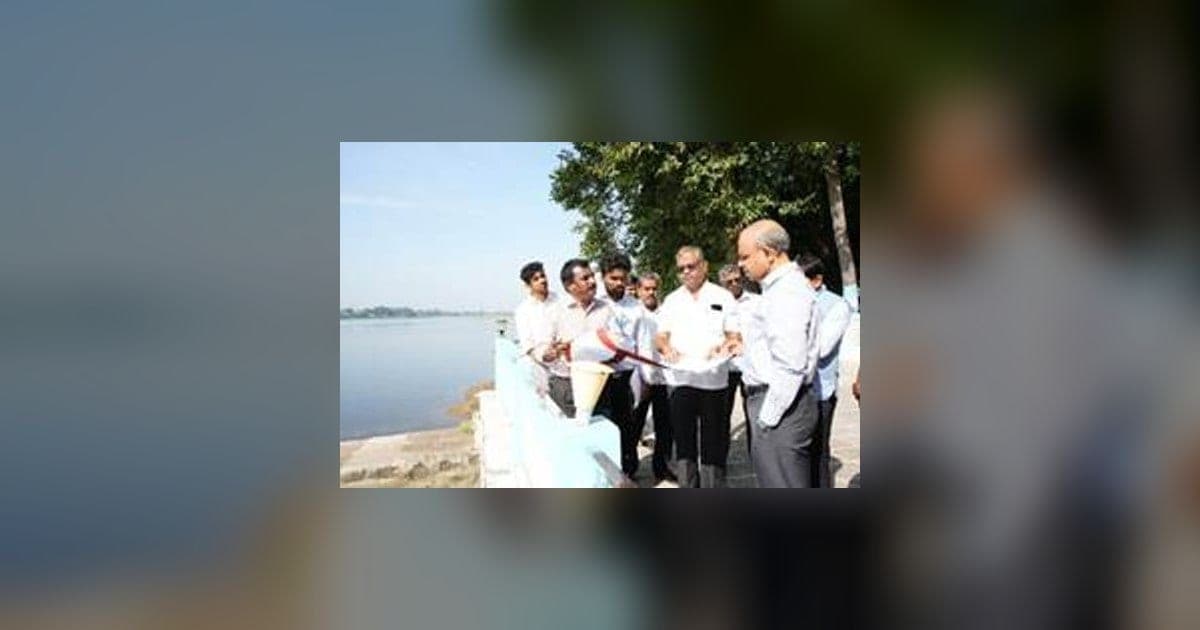
On the second day, five teams led by senior officials, among them the Secretary and the Additional Secretary and Mission Director of the National Jal Jeevan Mission, went out to five villages. The Secretary's own round began at the historic Grand Anicut, also called Kallanai, on the Cauvery river, and went on to the riverbed collector wells and headworks at Vadugakudi. At Palamaneri village he joined the Jal Arpan Diwas celebration, the formal handing over of drinking water works to the Gram Panchayat, planted a sapling and spoke to members of the Village Water and Sanitation Committee. Women of the Sujalam Shakti Group showed how they test water quality with field test kits.
What Jal Arpan is meant to be
The Secretary said the handover should not be read as a ceremony but as the start of a lasting partnership between the state government, the implementing department and the Gram Panchayat. JJM 2.0, he said, looks past the household tap connection towards water that arrives regularly, reliably and safely, with the eventual aim of a 24x7 supply of potable water straight from the tap. He suggested that officials attending a Jal Arpan should drink from a village tap themselves to build public confidence in the quality. Kamal Kishore Soan, Additional Secretary and Mission Director of the National Jal Jeevan Mission, did exactly that during his village visit.
The reforms under JJM 2.0
Joint Secretary D. Senthil Pandian, summing up the two days, said action points, responsible agencies and timelines had been fixed after the Departmental Summit held in September 2026, followed by consultations with the Ministries of Panchayati Raj, Skill Development and Entrepreneurship, Tribal Affairs and Rural Development. The reforms he listed cover institutional accountability, the formal handover of works to Gram Panchayats, operation and maintenance policies, the training of Village Water and Sanitation Committees, dedicated District Technical Units, water quality monitoring, digital mapping through Sujalam Bharat and source sustainability planning using the Decision Support System.
What comes next
States were asked to keep to their reform timelines before a national review proposed for February 2027, for which five Regional Conferences are planned as a structured process. The Secretary urged states to use the Decision Support System for rainwater harvesting and groundwater recharge, and asked for continued training of elected Panchayat representatives in local languages and conditions. Director Hari Narayanan M. of the National Jal Jeevan Mission proposed the vote of thanks, with appreciation for the Government of Tamil Nadu.
Important Facts
| Event | First Regional Conference on Jal Jeevan Mission 2.0 |
|---|---|
| Venue | Tiruchirappalli, Tamil Nadu |
| Ministry | Ministry of Jal Shakti, Department of Drinking Water and Sanitation |
| Secretary, DDWS | Ashok K. K. Meena |
| Mission Director, NJJM | Kamal Kishore Soan, Additional Secretary |
| Jal Arpan Diwas | Formal handover of drinking water infrastructure to the Gram Panchayat; celebrated at Palamaneri village |
| Sites visited | Grand Anicut (Kallanai) on the Cauvery river; collector wells and headworks at Vadugakudi |
| Goal of JJM 2.0 | Regular, reliable and safe service, aiming at 24x7 potable water from household taps |
| Digital tools | Sujalam Bharat for digital mapping; Decision Support System for source sustainability |
| Next step | Five Regional Conferences before a proposed national-level review in February 2027 |
Exam Point of View
Remember the mission (Jal Jeevan Mission 2.0, Ministry of Jal Shakti), the venue of the first Regional Conference (Tiruchirappalli, Tamil Nadu), the Secretary DDWS (Ashok K. K. Meena), the Mission Director NJJM (Kamal Kishore Soan), Jal Arpan Diwas and its meaning, the 24x7 potable water goal, Sujalam Bharat, the Decision Support System, and the plan of five Regional Conferences before a national review in February 2027.
Practice Questions
Where was the first Regional Conference on Jal Jeevan Mission 2.0 held?
- A.Bhopal, Madhya Pradesh
- B.Tiruchirappalli, Tamil Nadu
- C.Guwahati, Assam
- D.Jaipur, Rajasthan
Show answer
The conference was the first of five Regional Conferences planned under the structured review process of Jal Jeevan Mission 2.0, and it was hosted by the Government of Tamil Nadu, which the Secretary of the Department of Drinking Water and Sanitation thanked at the concluding session.
Read the full explanation →Under Jal Jeevan Mission 2.0, what does Jal Arpan Diwas mark?
- A.The sanction of a new rural water supply project
- B.The formal handover of drinking water infrastructure to the Gram Panchayat
- C.The annual testing of groundwater levels in a district
- D.The release of the yearly drinking water quality report
Show answer
At the conference the Secretary of the Department of Drinking Water and Sanitation made a point of saying that Jal Arpan should not be treated as a ceremonial event but as the start of a sustained partnership between the state government, the implementing department and the Panchayat that will run…
Read the full explanation →Which river carries the historic Grand Anicut, also called Kallanai, visited during the Jal Jeevan Mission 2.0 conference?
- A.Godavari
- B.Krishna
- C.Cauvery
- D.Vaigai
Show answer
The Secretary of the Department of Drinking Water and Sanitation began his field visit at the historic Grand Anicut, known locally as Kallanai, which stands on the Cauvery, and then went on to the riverbed collector wells and headworks at Vadugakudi before reaching Palamaneri village for Jal Arpan Diwas.
Read the full explanation →Frequently Asked Questions
Where was the first Regional Conference on Jal Jeevan Mission 2.0 held?
At Tiruchirappalli in Tamil Nadu. It concluded on 14 November 2026, and on the second day five teams of senior officials visited water supply infrastructure and Jal Arpan Diwas celebrations across five villages.
What does Jal Arpan Diwas mark?
The formal handover of drinking water infrastructure to the Gram Panchayat. Officials stressed that it is not a ceremonial handover but the beginning of a sustained partnership between the state government, the implementing department and the Gram Panchayat.
What is the long-term aim of Jal Jeevan Mission 2.0?
To move beyond providing household tap connections towards regular, reliable and safe drinking water services, with the long-term aspiration of a 24x7 potable water supply directly from household taps.
Which tools are being used for water planning under JJM 2.0?
The Decision Support System for planning rainwater harvesting, groundwater recharge and other source sustainability measures, and Sujalam Bharat for digital mapping. District Technical Units and water quality monitoring are also part of the reforms.
Sources
- https://www.pib.gov.in/PressReleasePage.aspx?PRID=2336206 (opens in a new tab) — Press Information Bureau
Current Affairs 14 November 2026
- Pradhan Mantri Janjatiya Vikas Mission Backs 4,172 Van Dhan KendrasGovernment Schemes
- India-Egypt: Piyush Goyal to Co-Chair 7th Joint Trade CommitteeInternational
- National Tribal Literary Festival Ends With 27 LanguagesSummits & Conferences
- DRI Seizes 10.8 kg Amphetamine Hidden In Postal ParcelNational
- Consent Manager Registration Under DPDP Act Comes Into EffectScience & Technology
- Delhi-NCR Air Pollution Review Orders 191 Polluting Units SealedEnvironment
- Janakpur Dham-Ayodhya Weekly Train Cleared by Indian RailwaysInternational
- India Commits 7 Million Euros to Elettra 2.0 Synchrotron, ItalyScience & Technology
Related Current Affairs
- Government Schemes
Odisha to Get 5 Lakh PMAY-Gramin Houses, Chouhan Announces
14 November 2026 · 2 min read
- Government Schemes
Pradhan Mantri Janjatiya Vikas Mission Backs 4,172 Van Dhan Kendras
14 November 2026 · 2 min read
- Government Schemes
NFSC Fellowship Funds PhD, Scholar Joins Utkal University
13 November 2026 · 2 min read
- Government Schemes
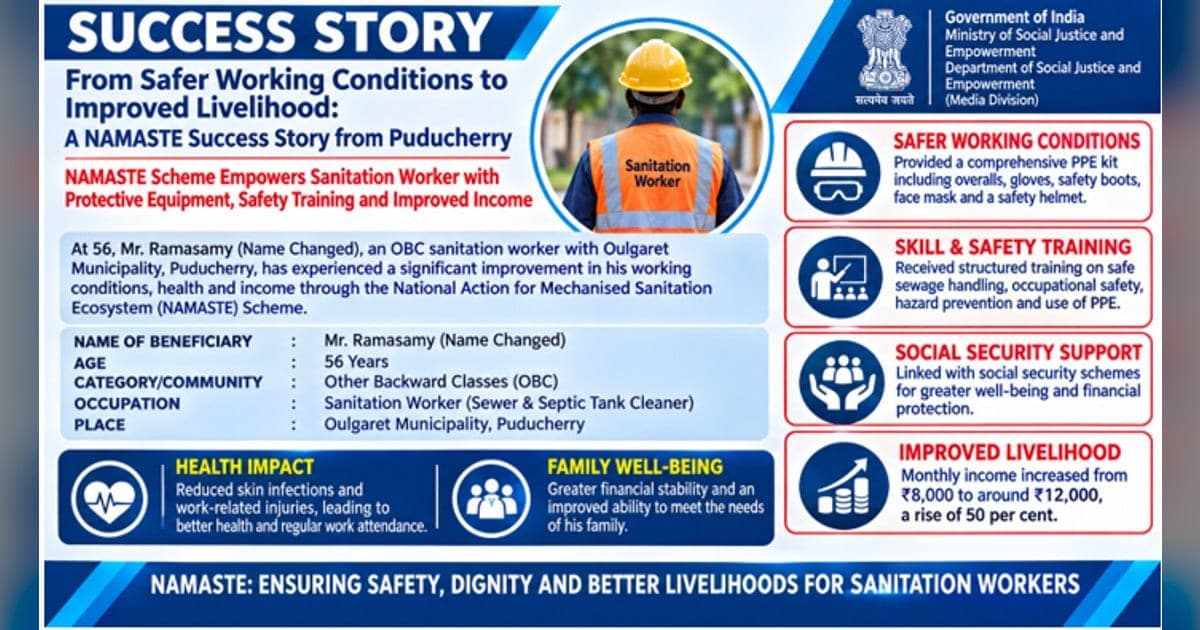
NAMASTE Scheme Raises Puducherry Sanitation Worker's Income 50%
13 November 2026 · 2 min read
- Government Schemes
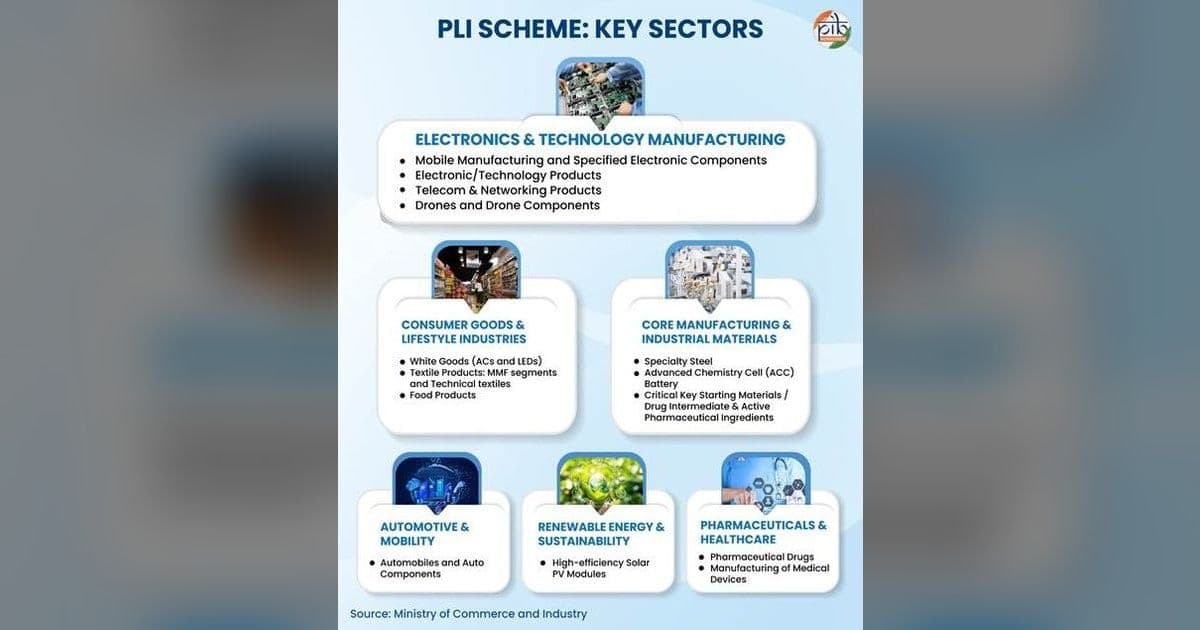
PLI Draws Rs 2.58 Lakh Crore Investment Across 14 Sectors
13 November 2026 · 2 min read
Related GK
- Famous Personalities of Rajasthan: Exam Notes
28 October 2026 · Rajasthan
- Districts and Divisions of Rajasthan: Exam Notes
28 October 2026 · Rajasthan
- Tourism and World Heritage Sites of Rajasthan Notes
27 October 2026 · Rajasthan
Take the Quiz
- Current Affairs Quiz
State Exams Current Affairs Quiz: 14 November 2026
25 questions25 minutesStart Quiz