
ESTIC 2026 Session Takes Up Physical AI and Robotics
A session on autonomous systems, physical AI and robotics at ESTIC 2026 in New Delhi heard that 25 technology innovation hubs work under the NM-ICPS mission.
Why in News
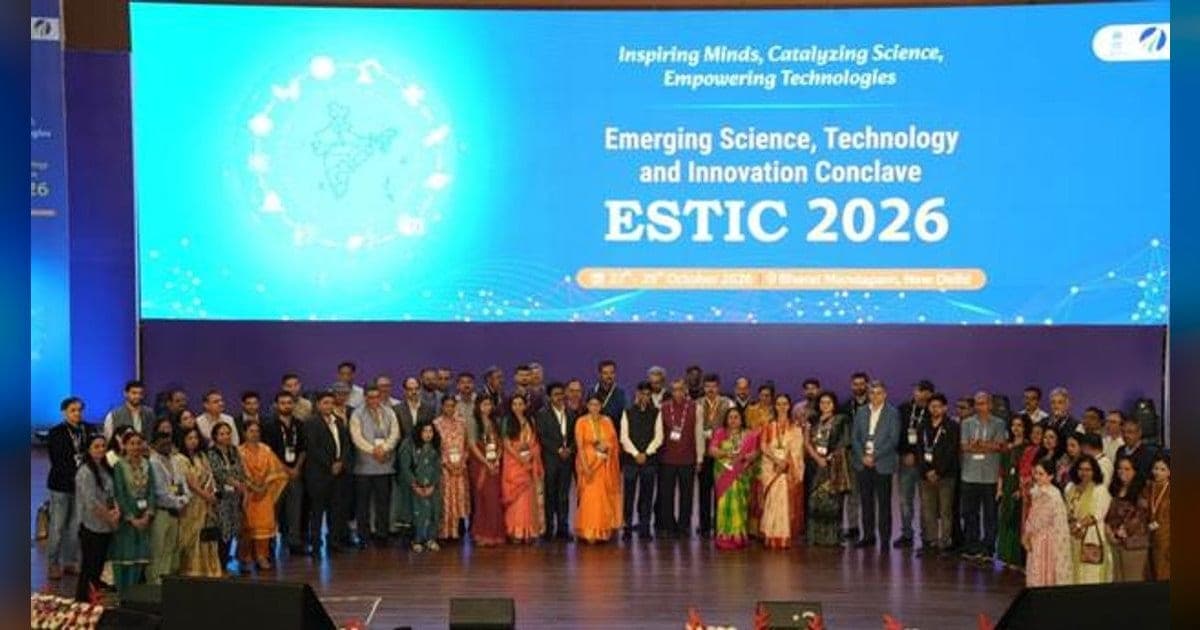
On 29 October 2026 the Department of Science and Technology held a session on autonomous systems, physical AI and robotics at ESTIC 2026 in New Delhi, where the 25 technology innovation hubs of the NM-ICPS mission and a proposed Physical AI Mission were discussed.
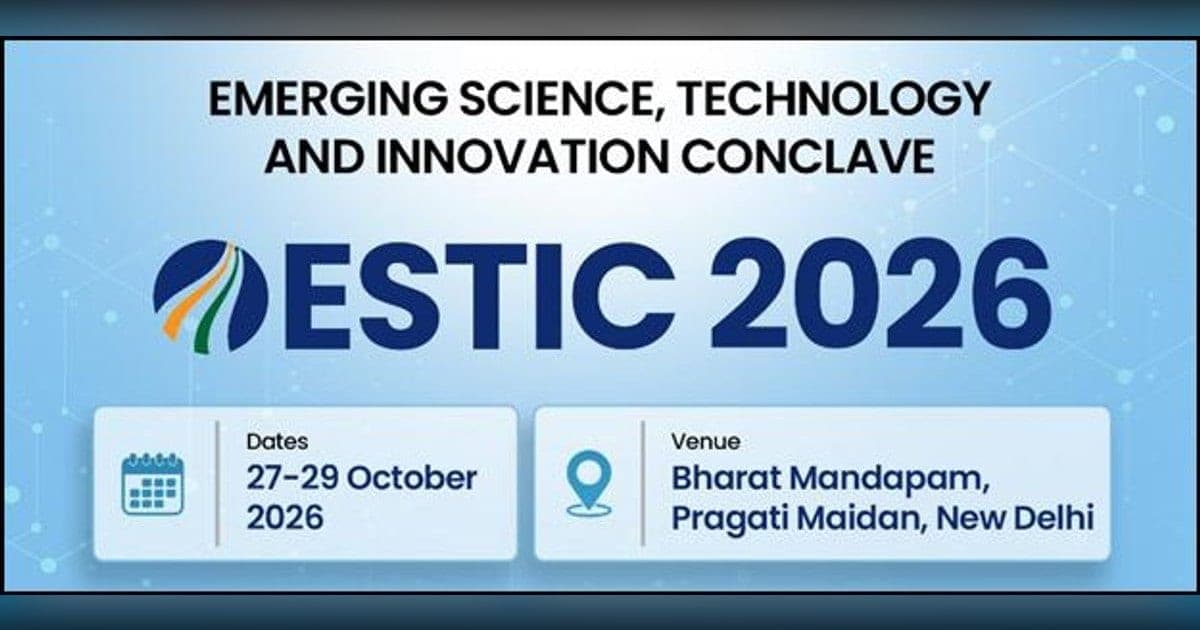
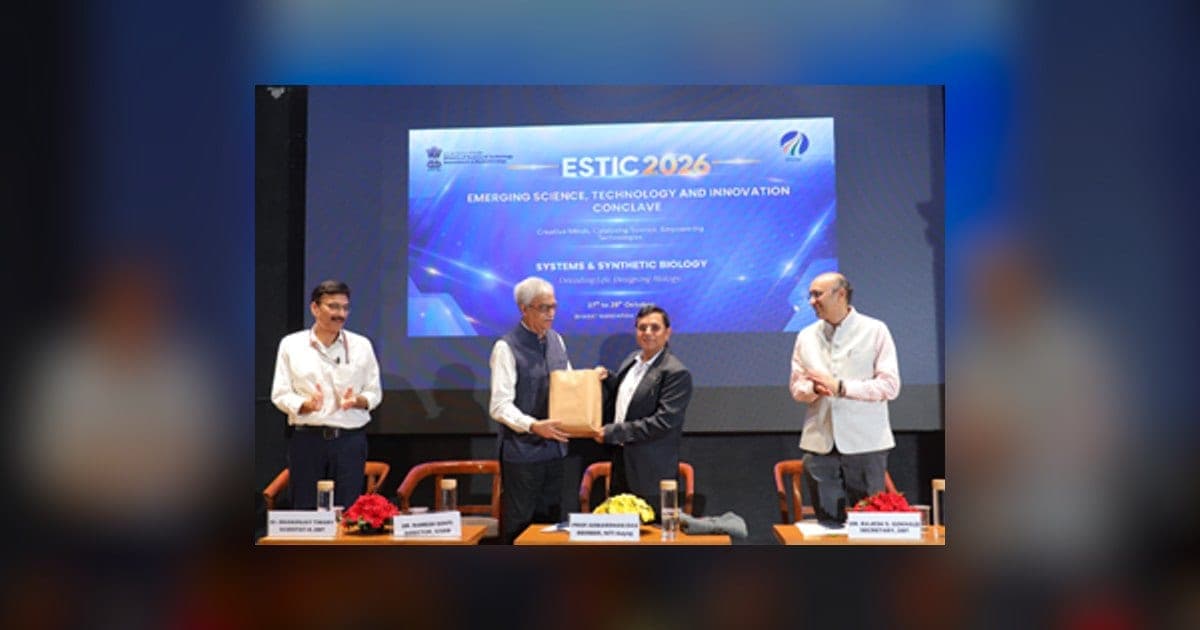
The Department of Science and Technology (DST) held a session on Autonomous Systems, Physical AI and Robotics at the Emerging Science, Technology and Innovation Conclave (ESTIC) 2026 at Bharat Mandapam, New Delhi. Experts at the session weighed how machines that act on their own, physical artificial intelligence and robotics will reshape research and the making of new technology in the years just ahead. The conclave itself ran from 27 to 29 October 2026 and drew people from science, research, industry and the start-up world.
What the DST Secretary said
Prof. Umesh V. Waghmare, Secretary of the Department of Science and Technology, opened the session. He argued that industry, universities, researchers, start-ups and the users of technology have to work as one if autonomous systems, physical AI and robotics are to move ahead, and if ideas from the laboratory are to turn into answers that help society. That meeting of minds, he said, matters most at the point where a finding has to become something usable.
The cyber-physical systems mission
Prof. Waghmare drew attention to DST's National Mission on Interdisciplinary Cyber-Physical Systems (NM-ICPS), under which technology innovation hubs have been set up at 25 leading academic institutions across the country. The hubs put academia in touch with industry and start-ups so that laboratory ideas reach the market. Phase I of the mission is to close in December 2027, and he said the views gathered at the session would feed into the plan for the second phase.
Physical AI is a systems problem
Prof. Abhay Karandikar, Member of NITI Aayog, told the session that physical AI is not only a question of artificial intelligence but equally one of systems engineering. An intelligent physical machine works only when many parts hold together: dependable sensors, efficient actuators, computing that keeps up in real time, sturdy control algorithms, communication with little delay and hardware that is sparing with energy. He drew a sharp line between such systems and conversational AI tools, because a mistake by a robot on a factory floor or by a self-driving vehicle has an immediate physical cost. Reliability, verification, safety, security and trustworthiness must therefore stay at the centre of work in this field.
A Physical AI Mission on the table
Prof. Karandikar said India can build autonomous systems on strengths it already has in systems engineering, electronics, manufacturing, embedded systems, design, telecommunications and software. He added that consultations with stakeholders have examined a proposal for a dedicated Physical AI Mission, and suggested that the next phase of NM-ICPS could be the place to take up this field. The session, numbered six at the conclave, had a keynote address, invited talks and a panel discussion, with speakers from Addverb Technologies, IIT Hyderabad, IIT Delhi, IIT Indore and robotics firms.
Important Facts
| Event | Emerging Science, Technology and Innovation Conclave (ESTIC) 2026 |
|---|---|
| Venue | Bharat Mandapam, New Delhi |
| Dates | 27 to 29 October 2026 |
| Session subject | Autonomous Systems, Physical AI and Robotics |
| Organising department | Department of Science and Technology (DST) |
| DST Secretary | Prof. Umesh V. Waghmare |
| NITI Aayog Member who spoke | Prof. Abhay Karandikar |
| Mission highlighted | National Mission on Interdisciplinary Cyber-Physical Systems (NM-ICPS) |
| Technology innovation hubs | 25 leading academic institutions |
| Phase I of NM-ICPS ends | December 2027 |
| Proposal under consideration | A dedicated Physical AI Mission |
Exam Point of View
Fix the full form of ESTIC (Emerging Science, Technology and Innovation Conclave), its 2026 dates (27 to 29 October) and venue (Bharat Mandapam, New Delhi), the DST Secretary (Prof. Umesh V. Waghmare), the NITI Aayog Member who spoke (Prof. Abhay Karandikar), the full form of NM-ICPS, its 25 technology innovation hubs, the December 2027 close of Phase I and the proposed Physical AI Mission.
Practice Questions
Technology innovation hubs under the National Mission on Interdisciplinary Cyber-Physical Systems have been set up at how many academic institutions?
- A.15
- B.20
- C.25
- D.30
Show answer
The Secretary of the Department of Science and Technology told the session on autonomous systems at the conclave that technology innovation hubs under the National Mission on Interdisciplinary Cyber-Physical Systems have been established at twenty-five leading academic institutions spread across the country.
Read the full explanation →ESTIC 2026, where the session on autonomous systems and robotics was held, was organised at which venue?
- A.Vigyan Bhawan, New Delhi
- B.Bharat Mandapam, New Delhi
- C.Indian Institute of Science, Bengaluru
- D.Science City, Kolkata
Show answer
The Emerging Science, Technology and Innovation Conclave of 2026, in short ESTIC 2026, was held there from the twenty-seventh to the twenty-ninth of October 2026, bringing together people from science, technology, research and industry to discuss emerging technologies and innovation.
Read the full explanation →Who said at ESTIC 2026 that physical AI is as much a systems engineering challenge as an artificial intelligence one?
- A.Prof. Umesh V. Waghmare, Secretary, DST
- B.Prof. Abhay Karandikar, Member, NITI Aayog
- C.Prof. P. Rajalakshmi, IIT Hyderabad
- D.Shri Jalaj A. Dani, Addverb Technologies
Show answer
Speaking at the session, he said physical artificial intelligence is not merely an artificial intelligence problem but also a systems engineering problem, since an intelligent physical system works only when reliable sensors, efficient actuators, real-time computing, robust control algorithms, low-latency communication and energy-efficient hardware all hold together.
Read the full explanation →Frequently Asked Questions
What does ESTIC stand for and where was ESTIC 2026 held?
Emerging Science, Technology and Innovation Conclave. It was held from 27 to 29 October 2026 at Bharat Mandapam in New Delhi.
How many technology innovation hubs work under the NM-ICPS mission?
Twenty-five. The hubs have been set up at 25 leading academic institutions under the National Mission on Interdisciplinary Cyber-Physical Systems of the Department of Science and Technology.
When does Phase I of the NM-ICPS mission end?
In December 2027. Feedback from the ESTIC session on autonomous systems is to be used in framing the plans for the second phase of the mission.
Why is physical AI called a systems engineering challenge?
Because an intelligent physical system depends on reliable sensors, efficient actuators, real-time computing, robust control algorithms, low-latency communication and energy-efficient hardware, and an error by a robot or an autonomous vehicle has immediate physical consequences.
Sources
- https://www.pib.gov.in/PressReleasePage.aspx?PRID=2329907 (opens in a new tab) — Press Information Bureau
Current Affairs 29 October 2026
- ESIC Extends New Amnesty Scheme 2025 Till 31 December 2026Government Schemes
- Rajnath Singh Addresses 13th ADMM-Plus Meeting in CebuSummits & Conferences
- Rabi MSP for 2027-28: Safflower Gets the Biggest RiseEconomy
- Cyclone Arnab: Amit Shah Speaks to Four Chief MinistersNational
- India Tops World in Green Hydrogen Offtake CommitmentsEnvironment
- MeghRaj 2.0 Cloud Now Serves 2,330 Government DepartmentsScience & Technology
- Ganga Flood Control Board's 19th Meeting Launches Punah Bharan AppNational
- Rs 3.36 Crore Settlement for 217 UltraTech Bathinda WorkersEconomy
Related Current Affairs
- Awards & Honours
Viksit Bharat Buildathon 2025 Enters Guinness World Records
28 October 2026 · 2 min read
- Awards & Honours
Viksit Bharat Buildathon 2025 Enters Guinness World Records
27 October 2026 · 2 min read
- Summits & Conferences
NITI Aayog Urges Elected Mayors at 2nd National Urban Conclave
25 October 2026 · 3 min read
Related GK
- Sustainable Development and the SDGs: All 17 Goals
9 October 2026 · Environment & Ecology
- Planning in India and NITI Aayog: Plans, Models and Bodies
25 September 2026 · Indian Economy
Take the Quiz
- Current Affairs Quiz
State Exams Current Affairs Quiz: 29 October 2026
25 questions25 minutesStart Quiz