
NRIDA and IIM Kolkata Sign MoU on PMGSY-IV Impact Study
NRIDA and IIM Kolkata signed an MoU for a four-year impact assessment of rural roads built under PMGSY-IV and PM-JANMAN across 10 States and UTs.
Why in News
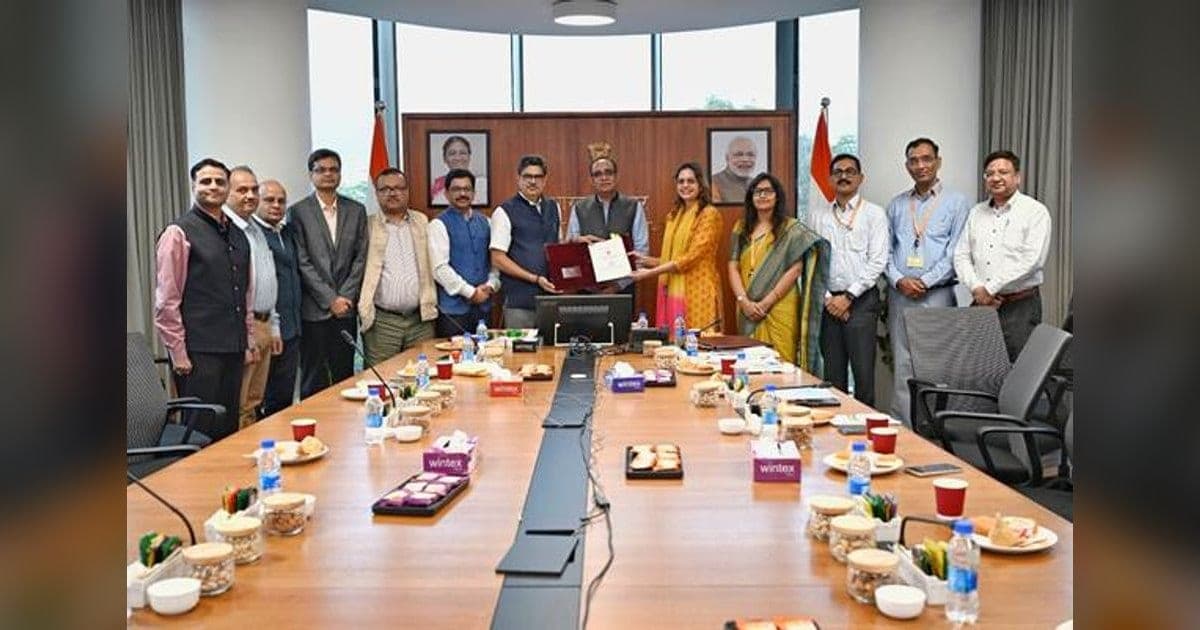
NRIDA and IIM Kolkata signed a Memorandum of Understanding for a four-year longitudinal study of the socio-economic impact of rural roads built under PMGSY-IV and PM-JANMAN, covering 250 roads in 10 States and Union Territories.
The National Rural Infrastructure Development Agency (NRIDA) of the Ministry of Rural Development and the Indian Institute of Management Kolkata signed a Memorandum of Understanding for a four-year longitudinal impact assessment of rural roads built under PMGSY-IV and PM-JANMAN. The aim is to put hard evidence behind rural connectivity spending rather than judge it by kilometres laid alone.
Who signed
Ms Aditi Singh (IAS), Director General of NRIDA, signed for the agency and Prof. Alok Kumar Rai, Director of IIM Kolkata, for the institute. Secretary, Rural Development, Shri Rohit Kansal, and officials of the ministry and the institute were present.
How wide the study runs
The survey covers 10 States and Union Territories, 50 districts, 150 blocks and 250 roads. The States and Union Territory chosen are Andhra Pradesh, Assam, Chhattisgarh, Jammu and Kashmir, Jharkhand, Madhya Pradesh, Odisha, Rajasthan, Sikkim and Uttarakhand. About 5,000 households will be surveyed to record changes in mobility, accessibility and socio-economic conditions.
The three stages
| Stage | Duration |
| Baseline survey, before construction | 14 months |
| Transition period | About 12 months |
| Endline survey, after construction | 22 months |
Because the same households are revisited, the design is called longitudinal: it measures change over time in the same places instead of comparing unrelated samples.
What will be measured
The study will look at travel time and transport cost, livelihoods, employment, income from more than one source, farm and non-farm work, and access to markets. It also covers education, healthcare, women's empowerment, safety, migration patterns and the reach of public and financial services, with attention to how outcomes differ across regions and vulnerable groups.
Why it matters
PMGSY is the flagship rural roads programme and PM-JANMAN is aimed at particularly vulnerable tribal groups. An independent, long-running assessment can show whether a road keeps delivering gains years after it is built, flag gaps in implementation and feed into future planning and policy.
Important Facts
| Agreement | MoU between NRIDA and IIM Kolkata for an impact assessment study |
|---|---|
| Ministry | Ministry of Rural Development |
| Programmes studied | PMGSY-IV and PM-JANMAN |
| Duration | Four-year longitudinal study |
| Coverage | 10 States and UTs, 50 districts, 150 blocks and 250 roads |
| Sample | About 5,000 households |
| Baseline survey | 14 months, before construction |
| Transition period | About 12 months |
| Endline survey | 22 months, after construction |
| Signed by | Aditi Singh (IAS), DG NRIDA and Prof. Alok Kumar Rai, Director, IIM Kolkata |
| Present | Rohit Kansal, Secretary, Rural Development |
Exam Point of View
Remember the two signing bodies (NRIDA and IIM Kolkata), the parent ministry (Rural Development), the two programmes studied (PMGSY-IV and PM-JANMAN), the coverage of 10 States and UTs, 50 districts, 150 blocks and 250 roads, the sample of about 5,000 households, and the 14-month baseline and 22-month endline surveys.
Practice Questions
NRIDA signed an MoU for a four-year impact assessment of PMGSY-IV and PM-JANMAN roads with which institution?
- A.IIM Ahmedabad
- B.IIM Kolkata
- C.IIT Roorkee
- D.National Institute of Rural Development and Panchayati Raj
Show answer
Correct answer: B. IIM Kolkata
Explanation
The correct answer is IIM Kolkata. The National Rural Infrastructure Development Agency, which works under the Ministry of Rural Development, signed the Memorandum of Understanding with the Indian Institute of Management Kolkata for a four-year longitudinal study of roads built under PMGSY-IV and PM-JANMAN. The signatories were NRIDA Director General Aditi Singh and IIM Kolkata Director Alok Kumar Rai, with Rural Development Secretary Rohit Kansal present. Option A, IIM Ahmedabad, is a different management institute and was not party to this agreement, so it is wrong. Option C, IIT Roorkee, is an engineering institute and was not involved here either. Option D, the National Institute of Rural Development and Panchayati Raj, works in the same sector and therefore looks plausible, but it is not the partner named in this MoU, so it is also incorrect.
How many roads will the NRIDA impact assessment study cover?
- A.150
- B.200
- C.250
- D.500
Show answer
Correct answer: C. 250
Explanation
The correct answer is 250. The study will examine that many rural roads, spread across ten States and Union Territories, fifty districts and one hundred and fifty blocks, with a household survey of roughly five thousand families to capture changes in mobility, accessibility and socio-economic conditions. Option A is the number of blocks covered rather than the number of roads, which makes it a tempting but incorrect choice. Option B and option D are round figures that do not match the coverage announced, so both are wrong. Aspirants should keep the four coverage numbers in order, from States and Union Territories to districts, then blocks and finally roads, because questions often swap one of them for another. The States and Union Territory in the study are Andhra Pradesh, Assam, Chhattisgarh, Jammu and Kashmir, Jharkhand, Madhya Pradesh, Odisha, Rajasthan, Sikkim and Uttarakhand.
In the NRIDA study design, how long will the baseline survey conducted before road construction last?
- A.6 months
- B.14 months
- C.22 months
- D.36 months
Show answer
Correct answer: B. 14 months
Explanation
The correct answer is 14 months. The assessment is built in three stages. First comes the baseline or pre-construction survey lasting fourteen months, then a transition period of roughly twelve months, and finally the endline or post-construction survey lasting twenty-two months. Because the same households and the same roads are revisited at each stage, the design is described as longitudinal and can show change over time rather than compare unrelated samples. Option A is shorter than the stated baseline period and is wrong. Option C is the length of the endline survey that follows construction, not the baseline, so it is a common trap. Option D is longer than any single stage in the design and does not match the plan at all. The full study runs for four years and will feed into programme review and future rural infrastructure planning.
Frequently Asked Questions
Which institute has partnered NRIDA for the rural roads impact study?
The Indian Institute of Management Kolkata. Its Director, Prof. Alok Kumar Rai, signed the MoU with NRIDA Director General Aditi Singh for a four-year longitudinal assessment of PMGSY-IV and PM-JANMAN roads.
How many roads and households will the study cover?
250 roads across 10 States and Union Territories, 50 districts and 150 blocks, with a survey of about 5,000 households on mobility, accessibility and socio-economic conditions.
What are the stages of the study?
A baseline survey before construction lasting 14 months, a transition period of about 12 months, and an endline survey after construction lasting 22 months, so the same places are measured over time.
Sources
Current Affairs 29 September 2026
- Literacy Rate Reaches 81.1% as Ten States Declare Full LiteracyReports & Indices
- India's First PRAMAAN Forest Certificates Handed Over in DelhiEnvironment
- NIFT Wins Two Silver Medals at WorldSkills Shanghai 2026Awards & Honours
- Special Campaign 6.0 to Run from 2 to 31 October 2026National
- PM-RKVY: Rs 1200 Crore Sanctioned to 10 States at Rabi MeetGovernment Schemes
- VB-G RAM G Act Guarantees 125 Days of Rural Wage WorkGovernment Schemes
- Two Officials Held for Bribery over FCRA RegistrationNational
- Indian Railways Clears Two New MEMU Services for Meerut CityNational
Related Current Affairs
- Government Schemes
PRAGATI-50 Launched to Build 50 Model Cities for Swachhata
29 September 2026 · 2 min read
- Government Schemes
Jal Shakti Ministry Holds 11th Sujal Gram Samvad on Rural Water
29 September 2026 · 2 min read
- Government Schemes
VB-G RAM G Act Guarantees 125 Days of Rural Wage Work
29 September 2026 · 2 min read
- Government Schemes
PM-RKVY: Rs 1200 Crore Sanctioned to 10 States at Rabi Meet
29 September 2026 · 2 min read
- Government Schemes
PM-MKSSY Bears 40% of Aquaculture Insurance Premium Cost
28 September 2026 · 2 min read
- Government Schemes
PM-AJAY: 18,093 Villages Declared Adarsh Gram by September 2026
28 September 2026 · 2 min read
Related GK
- Famous Personalities and Their Nicknames: Exam List
29 September 2026 · Static GK
- Missile Systems of India: Agni, BrahMos and IGMDP
29 September 2026 · Science & Technology
- Maharashtra GK: Districts, Rivers, Forts and Exam Facts
29 September 2026 · Indian States & UTs
Take the Quiz
- Current Affairs Quiz
SSC CHSL Current Affairs Quiz: 29 September 2026
25 questions25 minutesStart Quiz