
Textiles Ministry Holds Special Campaign 6 Cyber Workshops
The Ministry of Textiles held workshops on cyber security and e-waste management under Special Campaign 6, with over 85 officials taking part on 15 October.
Why in News
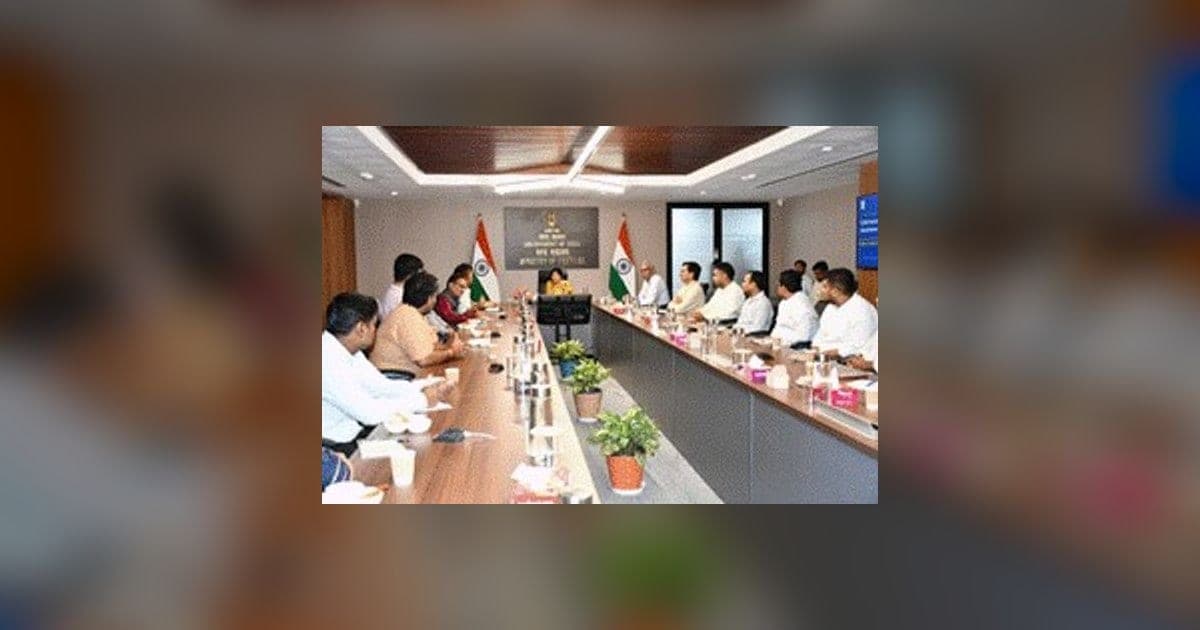
On 16 October 2026 the Ministry of Textiles reported that it had held workshops on cyber security and secure digital disposal and on e-waste management awareness under Special Campaign 6, with more than 85 officials attending.
The Ministry of Textiles held two training workshops on 15 October 2026 as part of Special Campaign 6, the government's drive for cleaner offices and better disposal of waste records and material. One workshop dealt with cyber security and secure digital disposal and the other with e-waste management. More than 85 officials took part, among them all the Nodal Officers of the ministry.
What the campaign is for
Special Campaigns are run across central ministries to clear pending matters, dispose of files and scrap, and tidy up office space. This edition carried the work into two newer areas: the safe handling of digital information and the correct disposal of electronic equipment that has gone out of use.
The cyber security session
Officials and staff were taken through the kinds of attacks now in circulation. The session covered phishing, malware, fraudulent messages sent over messaging applications and the so-called digital arrest frauds, in which a caller poses as a police or investigating officer to frighten a victim into paying. Participants were told how to spot a suspicious email, link, attachment or message, in particular one that pretends to come from a known contact or that asks for money, a one-time password (OTP) or personal details.
The advice given
- Do not click on unknown links or download files that have not been verified.
- Do not share sensitive information over digital channels.
- Check whether a doubtful message is genuine before acting on it.
- Keep up basic cyber hygiene and stay alert.
- Report any cyber incident at once, so that official and personal information stays protected.
The e-waste session
The second workshop explained what careless disposal of electronic waste does to the environment. Officials were told that it contaminates soil and water and lets hazardous substances escape, which can put both human health and ecosystems at risk. The session then set out the other side of the ledger: reuse, repair and recycling of electronic equipment conserve resources, recover materials of value, cut the demand for fresh raw material and reduce how much waste ends up in landfills.
How equipment must be disposed of
Staff were made aware that obsolete electronic and electrical equipment has to be segregated properly, handled safely and sent for disposal only through authorised channels, in keeping with the e-waste management rules in force. The sessions urged the adoption of sustainable office practices, making the point that responsible disposal supports environmental protection, efficient use of resources and the wider shift to a circular economy, in which material is kept in use instead of being thrown away.
Important Facts
| Organiser | Ministry of Textiles |
|---|---|
| Held under | Special Campaign 6 |
| Date of the workshops | 15 October 2026 |
| Participation | More than 85 officials, including all Nodal Officers |
| Workshop topics | Cyber security and secure digital disposal; e-waste management awareness |
| Cyber threats covered | Phishing, malware, fraudulent messaging-app messages and digital arrest scams |
| What never to share | Money, one-time passwords (OTPs) and personal information sought through suspicious messages |
| E-waste harms cited | Soil and water contamination and release of hazardous substances |
| Required practice | Segregation, safe handling and disposal only through authorised channels |
| Larger goal | Sustainable office practices and a circular economy |
Exam Point of View
Remember that these workshops were held under Special Campaign 6, that the organiser was the Ministry of Textiles, the date was 15 October 2026 and more than 85 officials including all Nodal Officers took part, that the cyber threats listed were phishing, malware, fraudulent messages and digital arrest scams, and that e-waste must be segregated and disposed of only through authorised channels under the e-waste management rules.
Practice Questions
The Ministry of Textiles held workshops on cyber security and e-waste management under which government campaign?
- A.Swachh Bharat Mission
- B.Special Campaign 6
- C.Digital India Mission
- D.Mission Karmayogi
Show answer
The two workshops, one on cyber security and secure digital disposal and the other on e-waste management awareness, were organised by the Ministry of Textiles under this campaign on 15 October 2026, and more than 85 officials attended, among them all the Nodal Officers of the ministry.
Read the full explanation →Which of the following was NOT among the cyber threats discussed at the Ministry of Textiles session?
- A.Phishing attacks
- B.Malware
- C.Digital arrest scams
- D.Cryptojacking of office servers
Show answer
The awareness session dealt with phishing attacks, malware, fraudulent messages sent through messaging applications and digital arrest scams, in which a caller pretends to be an investigating or police officer in order to frighten the victim into paying money.
Read the full explanation →According to the e-waste awareness session, obsolete electronic and electrical equipment must be disposed of in which manner?
- A.Through authorised channels after proper segregation
- B.Along with ordinary office waste
- C.By burning it within the office premises
- D.By storing it indefinitely in godowns
Show answer
Officials were made aware that obsolete electronic and electrical equipment needs to be segregated, handled safely and disposed of only through authorised channels, in keeping with the e-waste management rules that apply.
Read the full explanation →Frequently Asked Questions
Under which campaign did the Ministry of Textiles hold these workshops?
Special Campaign 6. The two workshops, on cyber security and secure digital disposal and on e-waste management awareness, were held on 15 October 2026 with more than 85 officials attending.
Which cyber threats were discussed in the session?
Phishing attacks, malware, fraudulent messages sent through messaging applications and digital arrest scams. Officials were warned about messages that impersonate known contacts or ask for money, OTPs or personal information.
How should obsolete electronic equipment be disposed of?
It must be segregated properly, handled safely and sent for disposal only through authorised channels, as required by the e-waste management rules.
Why does improper e-waste disposal matter?
It contaminates soil and water and releases hazardous substances that can harm human health and ecosystems. Reuse, repair and recycling instead conserve resources and reduce the waste sent to landfills.
Sources
Current Affairs 16 October 2026
- India Builds Safer Navigation on 111 National WaterwaysNational
- APEDA Flags Off Maiden Palmyra Jaggery Export to BulgariaEconomy
- Polish Youth Delegation Ends Jamsaheb Memorial Exchange in IndiaInternational
- Ayush Patent Report Records 4,077 Filings Since 2014-15Reports & Indices
- First Kanda Express Takes 440 MT Onions to AgartalaEconomy
- BHASHINI and IISc Build Sourashtra Text-to-Speech ModelsScience & Technology
Related Current Affairs
Related GK
- Population and Tribes of MP: Bhil, Gond and Baiga
16 October 2026 · Madhya Pradesh
- Industries of Madhya Pradesh: Pithampur, Cement and Mills
16 October 2026 · Madhya Pradesh
- Industries and Minerals of Haryana: Towns and Products
16 October 2026 · Haryana
Take the Quiz
- Current Affairs Quiz
State Exams Current Affairs Quiz: 16 October 2026
24 questions24 minutesStart Quiz