
Mushroom Cultivation Powers Rural Livelihoods Across India
Mushroom farming is lifting rural incomes, with Bihar's Anantpur declared a Mushroom Village and over 250 Jeevika women linked to the trade in Nalanda.
Why in News
On 10 November 2026 the Press Information Bureau published a backgrounder on mushroom cultivation, tracing how training at Krishi Vigyan Kendras turned small growers in Andhra Pradesh, Bihar, Gujarat and Uttarakhand into entrepreneurs.
A backgrounder from the Press Information Bureau sets out how mushroom cultivation has grown into a livelihood option within India's horticulture sector, drawing in farmers, women and rural youth who have little land and little capital to spare.
Why mushrooms suit small holdings
Mushrooms carry little in the way of calories, fat and carbohydrate, while supplying protein, dietary fibre, vitamins and minerals. They can be raised in a small space, in villages as well as in towns and on their fringes. Farm waste serves as the growing medium, so the crop needs less land, less water and less money than most conventional farming. Cultivation moves through composting, spawning, casing, pinning, cropping and harvesting. Spawning mixes the seed with compost, casing lays soil over the compost to hold moisture, and pinning is the stage at which tiny pinheads appear.
From waste picker to grower
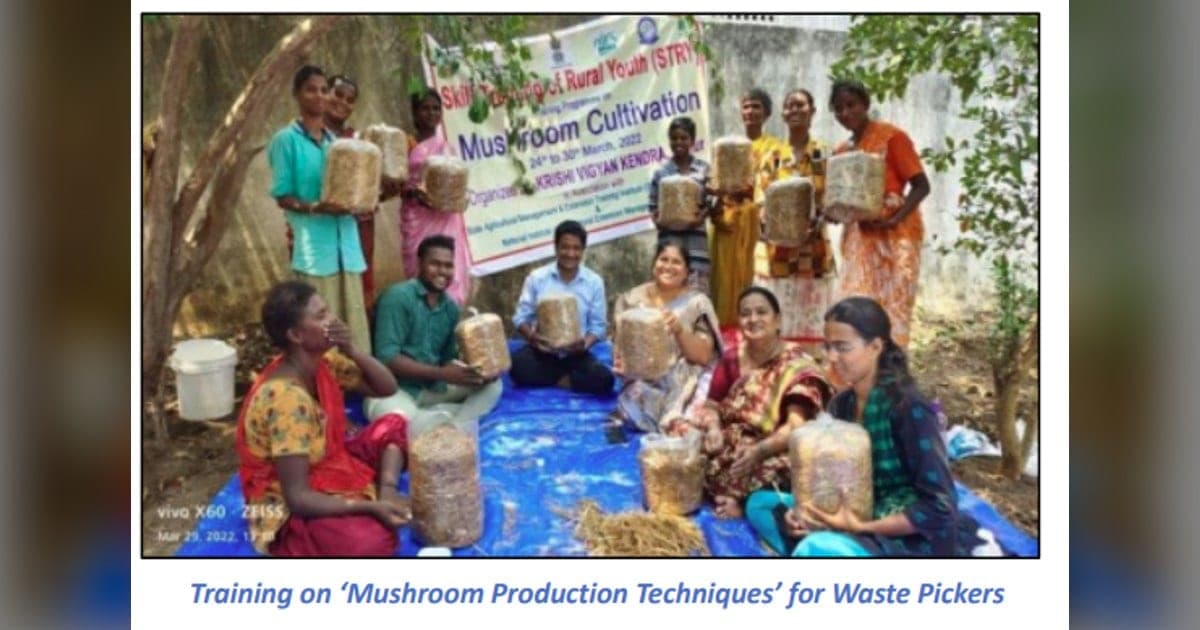
Ruthu of Ippatam village in Guntur district, Andhra Pradesh, was working as a waste picker at the age of 20. A short course under the Skill Training for Rural Youth scheme at Krishi Vigyan Kendra, Guntur, run with SAMETI of Andhra Pradesh and the National Institute of Agricultural Extension Management at Hyderabad, taught her milky mushroom production. She now supplies the local market and earns about Rs 35,000 a month.
The Mushroom Village of Bihar
Anita Devi began in 2010 with the Krishi Vigyan Kendra at Harnaut block, Nalanda district. As oyster and milky white mushrooms spread through Anantpur and the villages around it, the State Agriculture Department declared Anantpur a Mushroom Village in 2012, and she came to be called the Mushroom Mahila. She set up a spawn laboratory with a Rs 15 lakh subsidy from the National Horticulture Mission and floated Madhopur Farmers Producers Company Limited. By 2023 more than 250 women of Jeevika Self-Help Groups were working in this trade in Nalanda.
Engineers and hill farmers
Anjanaben Gamit, a civil engineer from Tapi in Gujarat, started oyster mushrooms in 2017 in a shed of 15 by 10 feet; her first crop of about 140 kg fetched Rs 28,000 against a cost of Rs 11,000. Hiresha Verma of Charba village near Dehradun began in 2013 with 25 bags and now runs Han Agrocare, which employs 15 people and has trained more than 2,000 women and farmers in the hills.
Important Facts
| Document | PIB Backgrounder on mushroom cultivation |
|---|---|
| Mushroom Village | Anantpur, Harnaut block, Nalanda district, Bihar; declared in 2012 |
| Mushroom Mahila | Anita Devi of Anantpur |
| Spawn laboratory subsidy | Rs 15 lakh under the National Horticulture Mission |
| Producer company | Madhopur Farmers Producers Company Limited |
| Jeevika women linked by 2023 | More than 250 in Nalanda district |
| Skill scheme | Skill Training for Rural Youth, with SAMETI and MANAGE, Hyderabad |
| Cultivation stages | Composting, spawning, casing, pinning, cropping, harvesting |
| Varieties named | Milky, oyster, milky white, button, shiitake and Ganoderma |
| Research institute | ICAR-Directorate of Mushroom Research, Solan |
Exam Point of View
Remember the names and the places: Anantpur in Nalanda district of Bihar, declared a Mushroom Village in 2012; Anita Devi, the Mushroom Mahila, whose spawn laboratory came with a Rs 15 lakh subsidy from the National Horticulture Mission; the ICAR-Directorate of Mushroom Research at Solan; MANAGE at Hyderabad and the Skill Training for Rural Youth scheme; and the stages of cultivation - composting, spawning, casing, pinning, cropping and harvesting.
Practice Questions
Which village in Nalanda district of Bihar was declared a Mushroom Village by the State Agriculture Department?
- A.Anantpur
- B.Harnaut
- C.Madhopur
- D.Ippatam
Show answer
Mushroom growing in that village began with Anita Devi, who took guidance from the Krishi Vigyan Kendra at Harnaut block in 2010 and raised oyster and milky white mushrooms on farm waste.
Read the full explanation →Anita Devi set up her spawn production laboratory with a subsidy from which mission?
- A.National Horticulture Mission
- B.National Food Security Mission
- C.National Livestock Mission
- D.National Bamboo Mission
Show answer
Good quality spawn had become the binding constraint as mushroom growing spread from Anantpur to the villages around it, so the laboratory addressed a critical input rather than production itself.
Read the full explanation →Under which initiative did Ruthu of Ippatam village receive short-term training in mushroom production?
- A.Skill Training for Rural Youth
- B.Deen Dayal Upadhyaya Grameen Kaushalya Yojana
- C.Pradhan Mantri Kaushal Vikas Yojana
- D.Rashtriya Krishi Vikas Yojana
Show answer
Ruthu of Ippatam village in Guntur district, Andhra Pradesh, was a waste picker at the age of 20 when she joined a short course under this initiative at Krishi Vigyan Kendra, Guntur.
Read the full explanation →Frequently Asked Questions
Which village is known as the Mushroom Village of Bihar?
Anantpur in Harnaut block of Nalanda district. The State Agriculture Department gave it that name in 2012, after mushroom growing spread from Anita Devi's unit to the villages around.
Who is called the Mushroom Mahila?
Anita Devi of Anantpur in Nalanda. She set up a spawn production laboratory with a Rs 15 lakh subsidy under the National Horticulture Mission and founded Madhopur Farmers Producers Company Limited.
What are the stages of mushroom cultivation?
Composting, spawning, casing, pinning, cropping and harvesting. Spawning mixes spawn with compost, casing spreads soil over the compost to hold moisture, and pinning is when pinheads appear.
Sources
- https://www.pib.gov.in/PressReleasePage.aspx?PRID=2334518 (opens in a new tab) — Press Information Bureau
Current Affairs 10 November 2026
Read the full edition →Related Current Affairs
- Government Schemes
MY Bharat-NSS Diwali Sneh Milan Covers 153 Institutions
9 November 2026 · 2 min read
- Government Schemes
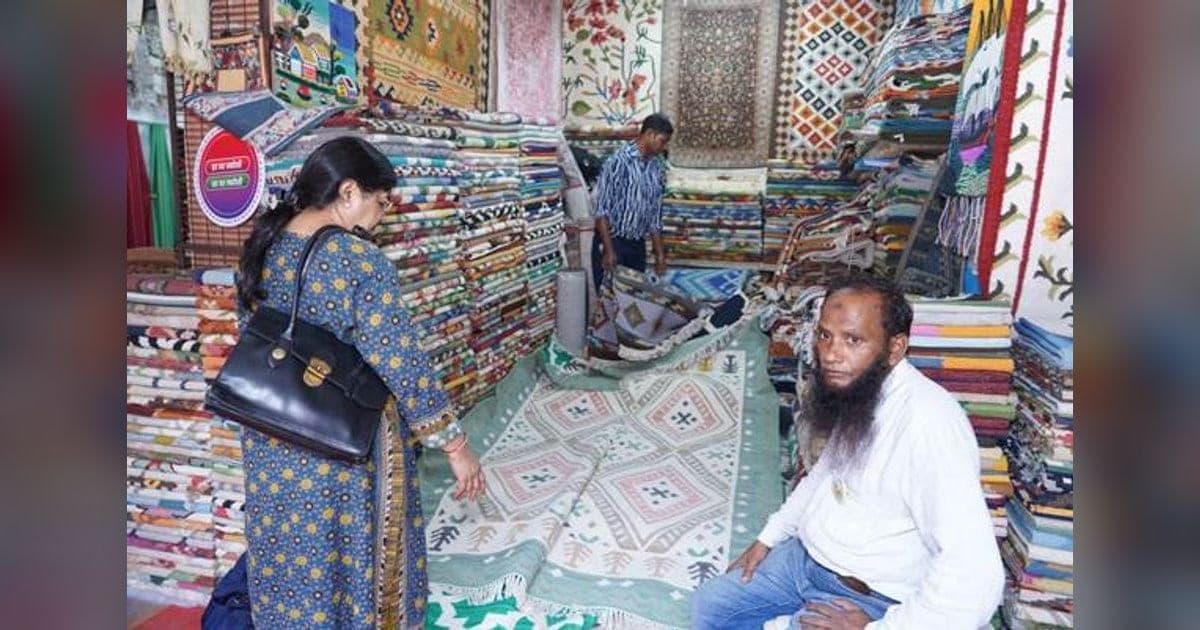
Shilp Samagam Mela 2026 Crosses Rs 55.46 Lakh in Artisan Sales
9 November 2026 · 2 min read
- Government Schemes
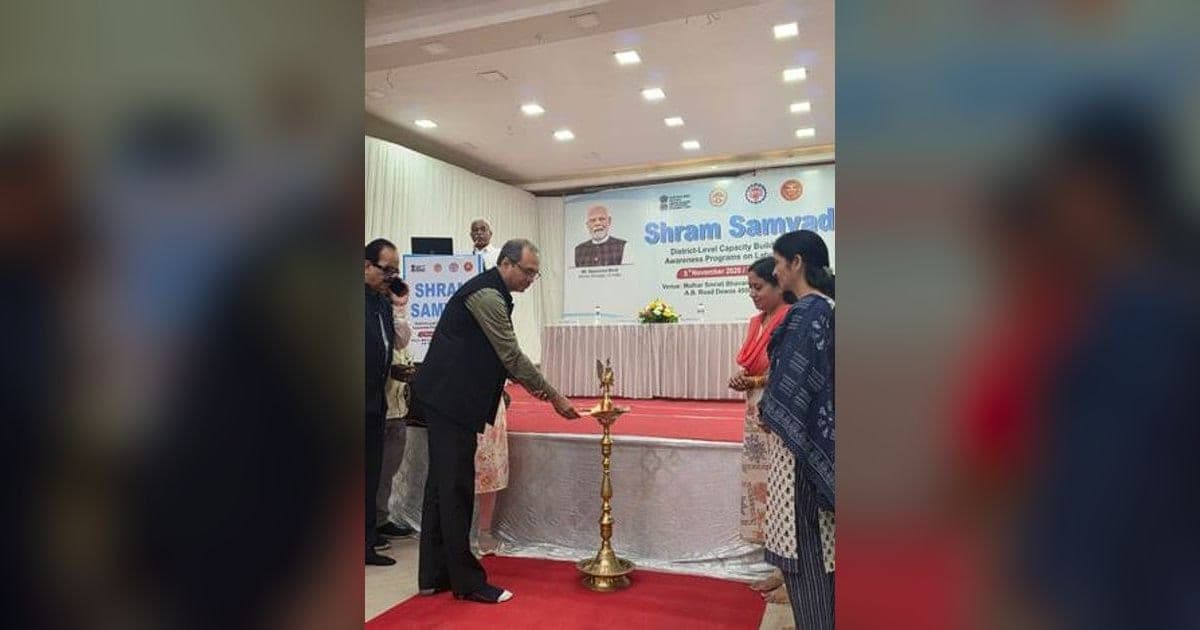
Shram Samvad on Labour Codes Held at Dewas in Madhya Pradesh
8 November 2026 · 2 min read
- Government Schemes
Special Campaign 6: Record ₹970.33 Crore From Scrap Disposal
6 November 2026 · 2 min read


Related GK
- Famous Personalities of Rajasthan: Exam Notes
28 October 2026 · Rajasthan
- Districts and Divisions of Rajasthan: Exam Notes
28 October 2026 · Rajasthan
- Tourism and World Heritage Sites of Rajasthan Notes
27 October 2026 · Rajasthan