
India Targets 100 GW Nuclear Power Capacity by 2047
Union Minister Dr. Jitendra Singh said India's nuclear programme serves peaceful ends and the country aims at 100 GW of nuclear capacity by 2047.
Why in News
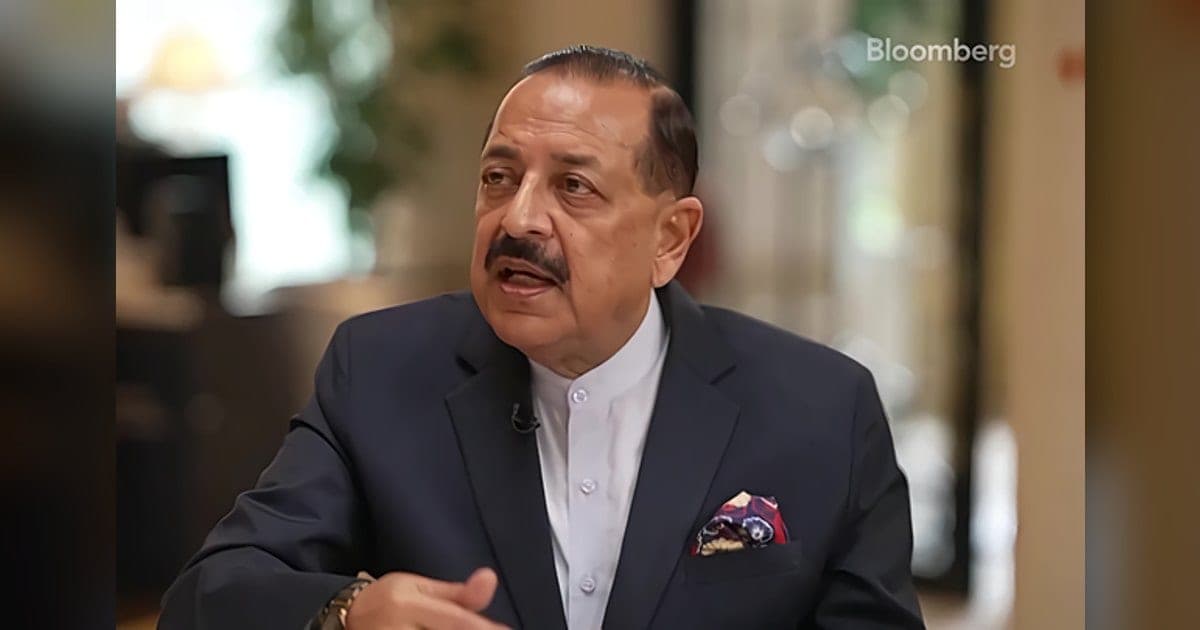
On 20 October 2026 the Department of Atomic Energy carried Union Minister Dr. Jitendra Singh's remarks that India's nuclear programme is dedicated to peaceful purposes rather than warfare, and that the country is aiming at 100 GW of nuclear power capacity by 2047 along with Net Zero emissions by 2070.
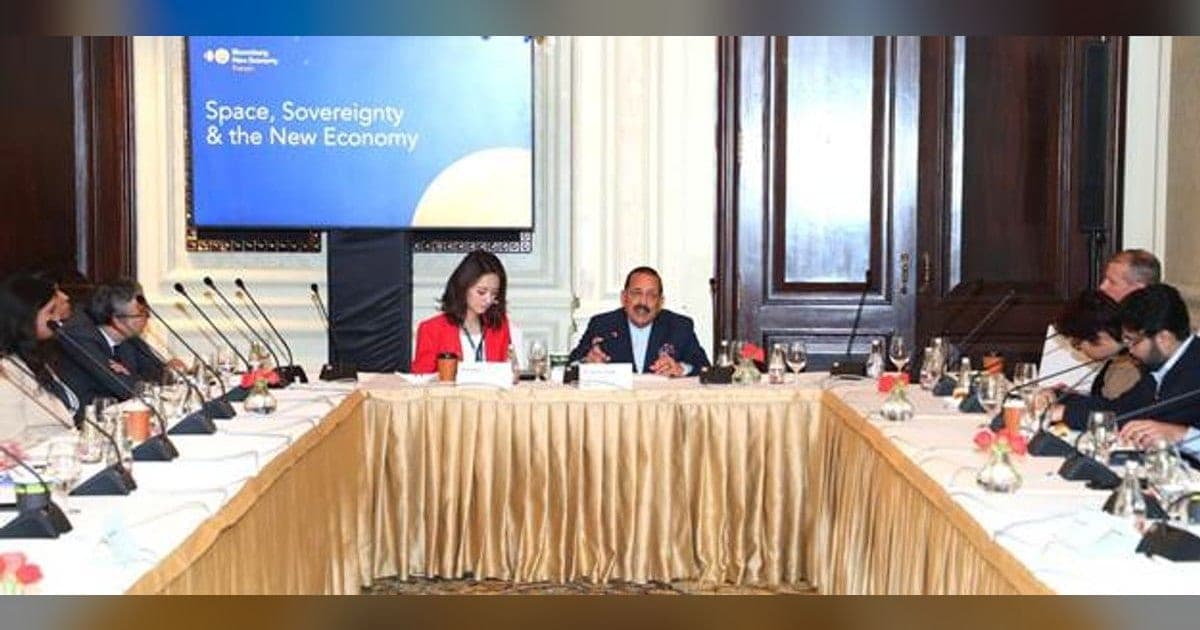
Union Minister Dr. Jitendra Singh has said that India's nuclear programme is meant for peaceful work and not for warfare, restating the thinking that has guided the country's atomic effort from its earliest days. He was speaking in a conversation on the margins of the Bloomberg Economy Forum 2026, and the remarks were carried by the Department of Atomic Energy on 20 October 2026.
The two targets to remember
The Minister placed the atomic plans inside the country's longer development and clean-energy goals. India is working towards 100 GW of nuclear power capacity by 2047, and towards Net Zero emissions by 2070. Nuclear generation, he said, is expected to sit alongside the other sources in the power mix because it can supply clean electricity without a break, which makes it a complement rather than a rival to the rest of the programme.
Why artificial intelligence changes the demand
Dr. Singh tied atomic power to the next stage of technological growth. As artificial intelligence spreads and the data centres behind it multiply, the call will be for a dependable supply of electricity on a large and continuous scale, and nuclear plants are expected to help carry that load in an increasingly technology-driven economy.
He described AI as a tool that belongs across fields rather than a field of its own, useful from space research and the life sciences to other branches of science and technology. On handling it well, the Minister said, "One has to be intelligent enough to use Artificial Intelligence." The gains, he added, are real in every domain, but keeping the technology from being misused by individuals or other actors is the harder task. Regulations exist, he noted, yet integrity at the level of the person and of the nation is what finally decides whether a technology is used responsibly.
Homi Bhabha, and room for private players
The Minister recalled Dr. Homi Bhabha, the architect of India's nuclear programme, saying that vision still steers a journey built around peaceful application and national development, even as the country widens its capabilities for newer developmental and technological needs.
He also pointed to the wider opening of critical and sensitive sectors to non-government players, which has enlarged the room for private industry in areas that were traditionally more closed, and created openings for firms to add to innovation, technological advance and national development. Taken together, the two threads he drew are the ones the country will lean on as it moves towards its goals for 2047 and its climate commitment for 2070: a firmer base of clean and reliable electricity, and a careful, human-led use of new technology.
Important Facts
| Who said it | Union Minister Dr. Jitendra Singh |
|---|---|
| Department | Department of Atomic Energy |
| Occasion | Sidelines of the Bloomberg Economy Forum 2026 |
| Nuclear capacity target | 100 GW by 2047 |
| Net Zero target | 2070 |
| Architect of India's nuclear programme | Dr. Homi Bhabha |
| Purpose of the programme | Peaceful purposes, not warfare |
| New demand driver named | Artificial intelligence and data centres |
| Date of the release | 20 October 2026 |
Exam Point of View
Learn the two figures together: 100 GW of nuclear power capacity by 2047, and Net Zero emissions by 2070. Also remember who said it (Union Minister Dr. Jitendra Singh), the department behind the release (Department of Atomic Energy), the occasion (on the sidelines of the Bloomberg Economy Forum 2026), the name Dr. Homi Bhabha as the architect of India's nuclear programme, the stand that the programme is for peaceful purposes and not warfare, and the link drawn between nuclear power and the electricity demand of artificial intelligence and data centres.
Practice Questions
India is working towards how much nuclear power capacity by 2047?
- A.50 GW
- B.75 GW
- C.100 GW
- D.150 GW
Show answer
Union Minister Dr. Jitendra Singh said the country's atomic ambitions have to be read against its longer development goals and its clean energy commitments, and named this figure as the nuclear power capacity India is targeting by 2047.
Read the full explanation →By which year does India aim to reach Net Zero emissions, as named in these remarks?
- A.2037
- B.2047
- C.2060
- D.2070
Show answer
The correct answer is 2070, the year Union Minister Dr. Jitendra Singh named for India's Net Zero emissions commitment while explaining why nuclear power matters to the country's energy plans.
Read the full explanation →Who was recalled by the Minister as the architect of India's nuclear programme?
- A.Dr. Vikram Sarabhai
- B.Dr. Homi Bhabha
- C.Dr. A. P. J. Abdul Kalam
- D.Dr. Raja Ramanna
Show answer
The correct answer is Dr. Homi Bhabha, whom Dr. Jitendra Singh recalled as the architect of India's nuclear programme, saying that his vision continues to guide a journey built around peaceful application and national development.
Read the full explanation →On the sidelines of which forum did Dr. Jitendra Singh make these remarks on nuclear energy and AI?
- A.World Economic Forum
- B.Raisina Dialogue
- C.Bloomberg Economy Forum 2026
- D.India Energy Week
Show answer
The correct answer is the Bloomberg Economy Forum 2026, on the sidelines of which the Union Minister spoke in an exclusive conversation about the peaceful character of India's nuclear programme and the power needs of an economy turning towards artificial intelligence.
Read the full explanation →Frequently Asked Questions
What is India's nuclear power capacity target, and by when?
100 GW of nuclear power capacity by 2047. Union Minister Dr. Jitendra Singh named this target alongside the goal of Net Zero emissions by 2070.
Who is described as the architect of India's nuclear programme?
Dr. Homi Bhabha. Dr. Jitendra Singh said his vision continues to guide an atomic journey built around peaceful use and national development.
Why was nuclear energy linked with artificial intelligence?
Because AI and the data centres that run it need electricity on a large and continuous scale, a load nuclear generation is expected to help meet.
What did the Minister say about using artificial intelligence?
That AI is a tool across sectors rather than a domain in itself, and that "One has to be intelligent enough to use Artificial Intelligence."
Sources
- https://www.pib.gov.in/PressReleasePage.aspx?PRID=2325436 (opens in a new tab) — Press Information Bureau
Current Affairs 20 October 2026
- UDAN Completes 10 Years, Modified UDAN Opens Next PhaseGovernment Schemes
- Green Diwali Campaign Launched for 130 NCAP CitiesEnvironment
- Rajnath Singh at 25th SCO Heads of Government Meet in DushanbeSummits & Conferences
Related Current Affairs
- Science & Technology
MoES-AcSIR MoU: 10 Earth Science Institutes to Award PhDs
19 October 2026 · 2 min read
- Science & Technology
Kufri Jamunia: ICAR-CPRI's Biofortified Purple Potato
18 October 2026 · 2 min read
- Science & Technology
STPI Tech Conclave at IIT BHU Puts AI to Work in Health Care
18 October 2026 · 2 min read
- Science & Technology
India Eyes USD 40-45 Billion Space Economy in 7-8 Years
17 October 2026 · 2 min read
- Science & Technology
BSIP Study Reconstructs 4,600 Years of Monsoon History
16 October 2026 · 2 min read
- Science & Technology
Indian Scientists Identify Martian Analogue Sites in Tamil Nadu
16 October 2026 · 2 min read
Related GK
- Fairs, Festivals and the Kumbh Mela of Uttar Pradesh
20 October 2026 · Uttar Pradesh
- 1857 and the Peasant and Tribal Movements of Rajasthan
20 October 2026 · Rajasthan
- Fairs and Festivals of Madhya Pradesh: Simhastha and Bhagoria
20 October 2026 · Madhya Pradesh
Take the Quiz
- Current Affairs Quiz
State Exams Current Affairs Quiz: 20 October 2026
16 questions16 minutesStart Quiz