
CDS Opens Project Seabird Phase IIA Housing at Karwar
General NS Raja Subramani opened Project Seabird Phase IIA housing and trunk infrastructure at Naval Base Karwar, including two towers of 60 dwelling units.
Why in News
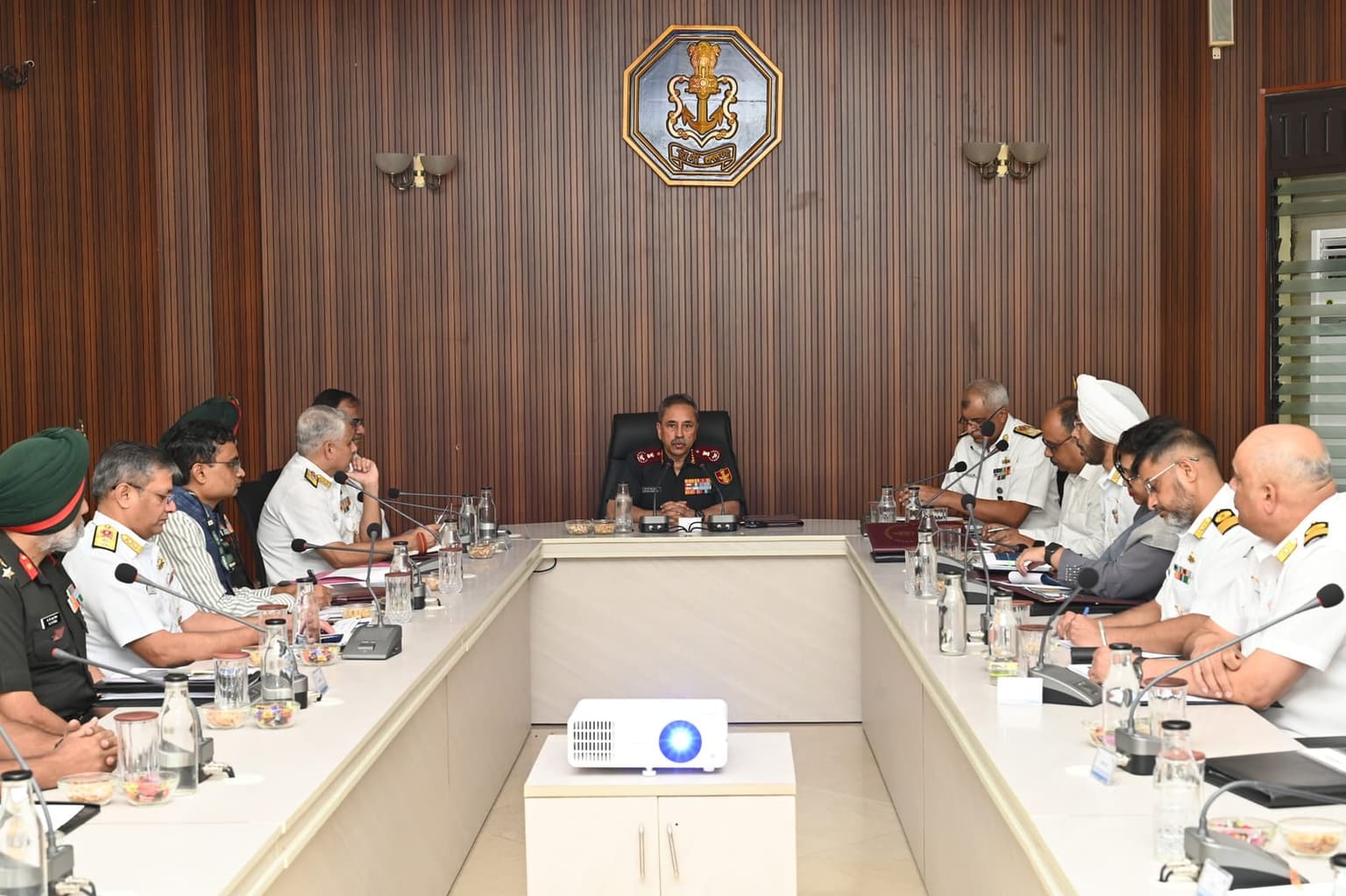
On 8 October 2026 the Chief of Defence Staff, General NS Raja Subramani, inaugurated residential and trunk infrastructure of Project Seabird Phase IIA at the Naval Base, Karwar, in the presence of the Director General Seabird.
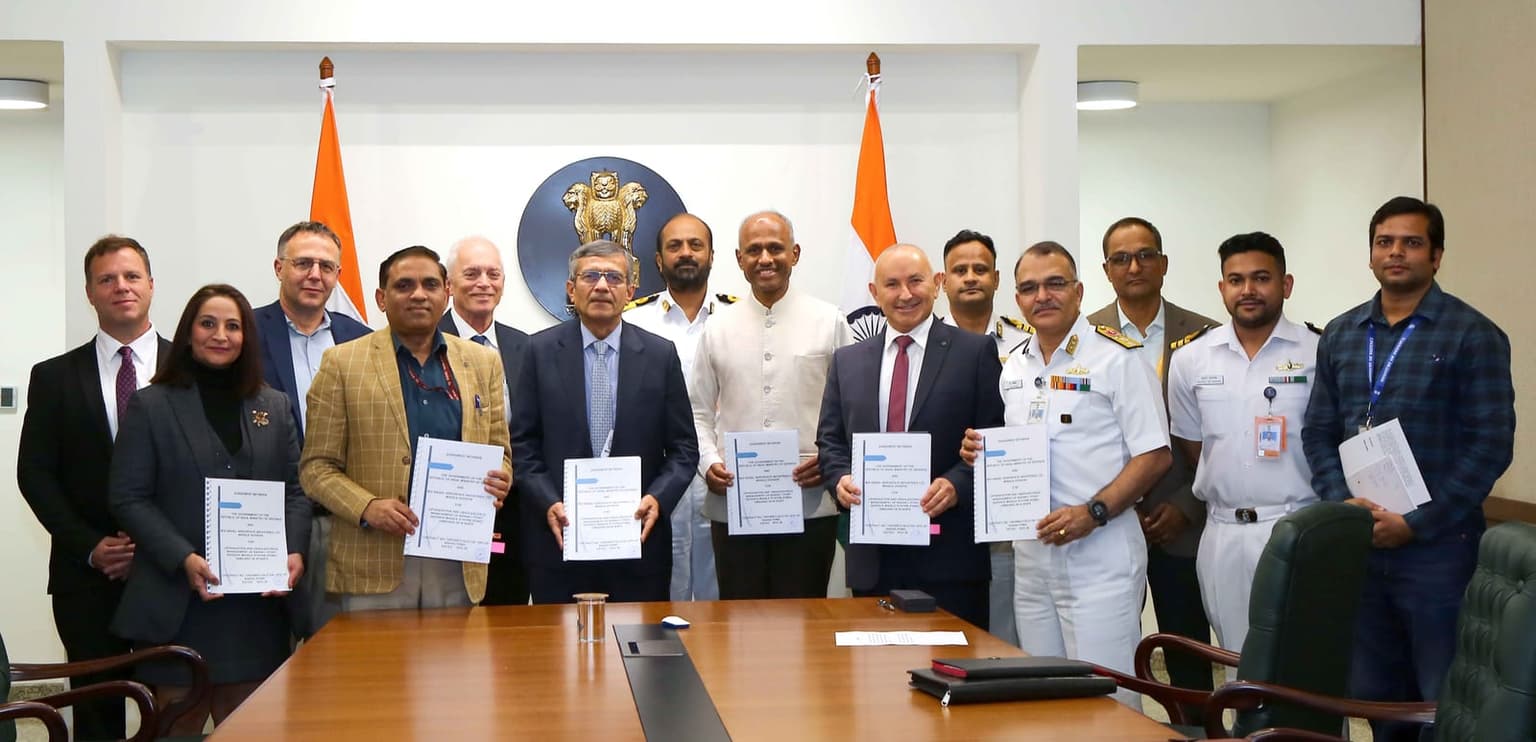
The Chief of Defence Staff, General NS Raja Subramani, who also holds charge as Secretary of the Department of Military Affairs, opened new residential and support infrastructure raised under Project Seabird Phase IIA at the Naval Base, Karwar. The buildings were handed over on 8 October 2026, and the Ministry of Defence announced the event on 9 October 2026. Vice Admiral Vivek Dahiya, Director General Seabird, was present with other senior officers.
What was handed over
The newly opened quarters stand at two locations inside the base, East of Manzil Creek (EOMC) and Amadalli. They comprise one tower holding 60 dwelling units of married accommodation for senior sailors, a second tower of 60 dwelling units for naval defence civilians, inliving quarters for 156 personnel of the Defence Security Corps, and a kindergarten school for children on the base. Critical trunk utility lines and amenity facilities that serve these buildings were commissioned at the same time.
Who built it
The housing blocks with their amenity facilities were constructed by NCC Ltd of Hyderabad. The trunk infrastructure, which carries water, power and other services across the township, was executed by Cemindia Projects India Ltd.
The larger project
Phase IIA is the stage of Project Seabird now under way, and its purpose is to let the Indian Navy base warships and submarines at Karwar. Its scope covers a dual-use Naval Air Station, a full-fledged naval dockyard, and logistics facilities for both ships and aircraft. Once complete, the base will support roughly 10,000 uniformed personnel and defence civilians along with their families, which the Ministry expects to lift industry, tourism and employment across the Uttara Kannada region.
Green and indigenous
The construction follows the norms of the Ministry of Environment, Forest and Climate Change and of the Indian Green Building Council, and the project is to carry an IGBC Gold rating when it is finished. In keeping with Aatmanirbhar Bharat, more than 90 per cent of the materials and equipment used has been sourced from within the country.
Important Facts
| Event | Inauguration of Project Seabird Phase IIA infrastructure |
|---|---|
| Inaugurated by | General NS Raja Subramani, Chief of Defence Staff and Secretary, Department of Military Affairs |
| Place | Naval Base, Karwar (EOMC and Amadalli), Uttara Kannada region |
| Date of event | 8 October 2026 (release issued 9 October 2026) |
| Also present | Vice Admiral Vivek Dahiya, Director General Seabird |
| Housing opened | 60 dwelling units for married senior sailors, 60 for naval defence civilians, inliving units for 156 DSC personnel, one KG school |
| Builders | NCC Ltd, Hyderabad (housing); Cemindia Projects India Ltd (trunk infrastructure) |
| Phase IIA scope | Dual-use Naval Air Station, full-fledged naval dockyard, logistics facilities for ships and aircraft |
| Eventual strength | About 10,000 uniformed and civilian personnel with families |
| Green rating | IGBC Gold on completion; over 90 per cent indigenous materials and equipment |
Exam Point of View
Remember that Project Seabird is the Indian Navy base at Karwar, that Phase IIA includes a dual-use Naval Air Station and a full naval dockyard, the two sites EOMC and Amadalli, the 60 plus 60 dwelling units and 156 DSC units, the IGBC Gold target, the over 90 per cent indigenous content and the figure of about 10,000 personnel with families.
Practice Questions
Who inaugurated the Project Seabird Phase IIA residential infrastructure at Naval Base, Karwar?
- A.The Chief of the Naval Staff
- B.General NS Raja Subramani, Chief of Defence Staff
- C.The Raksha Mantri
- D.Vice Admiral Vivek Dahiya, Director General Seabird
Show answer
He is also Secretary of the Department of Military Affairs, and he opened the new housing for senior sailors and naval defence civilians, along with trunk utility and amenity infrastructure, at the Karwar base.
Read the full explanation →About how many uniformed personnel and defence civilians, with their families, will the Karwar naval base support once Project Seabird is complete?
- A.About 2,500
- B.About 5,000
- C.About 10,000
- D.About 25,000
Show answer
The base at Karwar, when the work is finished, will house roughly 10,000 uniformed and civilian personnel together with their families, and the Ministry expects this to strengthen the local economy, industry and tourism and to generate direct and indirect jobs across the Uttara Kannada region.
Read the full explanation →Which green building rating is Project Seabird expected to receive on completion?
- A.IGBC Gold
- B.IGBC Platinum
- C.GRIHA Five Star
- D.LEED Silver
Show answer
The project is being built to the norms of the Ministry of Environment, Forest and Climate Change and of the Indian Green Building Council, and on completion it is to be rated IGBC Gold.
Read the full explanation →Frequently Asked Questions
What is Project Seabird?
It is the Indian Navy base being developed at Karwar so that ships and submarines can be based there. Phase IIA includes a dual-use Naval Air Station, a full-fledged naval dockyard and logistics facilities for ships and aircraft.
Who inaugurated the Phase IIA infrastructure and when?
General NS Raja Subramani, Chief of Defence Staff and Secretary, Department of Military Affairs, inaugurated it at Naval Base Karwar on 8 October 2026, with Vice Admiral Vivek Dahiya, Director General Seabird, present.
What accommodation was opened at Karwar?
Two towers of 60 dwelling units each, one for married senior sailors and one for naval defence civilians, inliving quarters for 156 Defence Security Corps personnel and a KG school, at East of Manzil Creek and Amadalli.
How green and how indigenous is the project?
It follows the norms of the Ministry of Environment, Forest and Climate Change and the Indian Green Building Council and will be IGBC Gold rated on completion, with more than 90 per cent of materials and equipment sourced in India.
Sources
- https://www.pib.gov.in/PressReleasePage.aspx?PRID=2321333 (opens in a new tab) — Press Information Bureau
Current Affairs 9 October 2026
- World Cotton Day Marked by India and Mali at UN HeadquartersImportant Days
- Singapore, India’s Top FDI Source, Hosts Sitharaman VisitEconomy
- Coal Supply to Power Plants Rises 36% From September LowEconomy
- 15th AITIGA Joint Committee Meeting Held in JakartaInternational
- Health Ministry Proposes Curbs on Prescription Drug AdvertisingNational
- Khadi: NIFT Centre of Excellence Builds 2,129 Design CollectionsGovernment Schemes
- National Medical Library Holds 5th ERMED Consortium ConferenceNational
- CTIL Marks 9th Anniversary, Releases Trade MagazineNational
Related Current Affairs
Related GK
- Famous Personalities of Rajasthan: Exam Notes
28 October 2026 · Rajasthan
- Districts and Divisions of Rajasthan: Exam Notes
28 October 2026 · Rajasthan
- Tourism and World Heritage Sites of Rajasthan Notes
27 October 2026 · Rajasthan
Take the Quiz
- Current Affairs Quiz
Defence Current Affairs Quiz: October 2026
50 questions50 minutesStart Quiz