
PLFS Sampling Design to Change from January 2027: NSO
The National Statistics Office will change the Periodic Labour Force Survey sampling design and schedule from January 2027 and add a stratum for gig workers.
Why in News
On 23 October 2026 the National Statistics Office invited comments on proposed changes in the sampling design, estimation procedure and schedule of the Periodic Labour Force Survey, to take effect from January 2027.
The National Statistics Office (NSO), which works under the Ministry of Statistics and Programme Implementation, has proposed changes in the sampling design, the estimation procedure and the schedule of the Periodic Labour Force Survey (PLFS) from January 2027. A concept note setting out the details has been put on the ministry's website, and comments from policymakers, researchers, academic and research institutions and the general public have been invited within 15 days of the press note.
How the survey has grown
The NSO has run the PLFS since 2017. Its sampling design was revamped from January 2025 so that monthly, quarterly and annual estimates could be produced and indicators worked out below the state level. Questions on education and skilling were added then, and since January 2026 information on digital platform workers, a subset of gig workers, has been collected on an experimental basis.
What changes in the sampling design
| New stratum | A Second Stage Stratum based on digital platform work, because the existing arrangement did not catch enough such workers |
| Strata count | Four Second Stage Strata in rural areas and five in urban areas |
| Households per unit | 14 households in each selected First Stage Unit |
| New panel | Panel 6, drawn for the two-year period 2027-2028 from an updated frame |
The updated frame will reflect the latest Urban Frame Survey, urbanisation and de-urbanisation, the creation, splitting or merger of districts and other administrative units, and a follow-up updation of the rural Census 2011 frame. Criteria for sample allocation and stratification have also been revised on the strength of experience with Panel 5.
The transition
For the first three months from January 2027 the sample will carry units from both the Panel 5 frame and the updated Panel 6 frame. Pooled monthly estimates based on both frames will appear in the monthly bulletins for those months, and Relative Standard Error estimates will not be presented for them. The idea is to keep the monthly and quarterly labour market estimates coming without a break.
What changes in the questionnaire
- A binary question has been added in Block 5 of Schedule 0.0PL to find households where any member has ever done digital platform work in the reference period. It will be asked in both rural and urban households.
- Schedule 10.4 gets new questions on own-use production of goods, unpaid household and caregiving work, volunteer work and unpaid trainee work.
- These items will be canvassed in rural and urban areas during the first visit only, for persons aged 15 years and above, which allows annual reporting on such activities.
Important Facts
| Survey | Periodic Labour Force Survey (PLFS) |
|---|---|
| Conducted by | National Statistics Office, Ministry of Statistics and Programme Implementation |
| Running since | 2017 |
| Earlier revamp | Sampling design revamped from January 2025 |
| Gig worker data | Digital platform workers covered experimentally since January 2026 |
| Changes effective | January 2027 |
| New panel | Panel 6, for the two-year period 2027-2028 |
| Second Stage Strata | Four in rural areas, five in urban areas |
| Households per First Stage Unit | 14 |
| Transition | First three months pooled from Panel 5 and Panel 6 frames, no Relative Standard Error shown |
| Comments window | 15 days from the date of the press note |
| Age for unpaid-work questions | 15 years and above, first visit only |
Exam Point of View
Remember that the PLFS is run by the National Statistics Office under the Ministry of Statistics and Programme Implementation and has been conducted since 2017; the January 2025 revamp; experimental data on digital platform workers since January 2026; the January 2027 changes with Panel 6 for 2027-2028; four rural and five urban Second Stage Strata with 14 households per First Stage Unit; the 15-day window for comments; and the age cut-off of 15 years for the unpaid-work questions.
Practice Questions
Which body conducts the Periodic Labour Force Survey in India?
- A.The Reserve Bank of India
- B.The National Statistics Office under the Ministry of Statistics and Programme Implementation
- C.NITI Aayog
- D.The Ministry of Labour and Employment
Show answer
That office has been conducting the Periodic Labour Force Survey since 2017, and the survey has steadily widened to meet the demand for labour market statistics that arrive sooner and can be broken down further.
Read the full explanation →From which month will the modified sampling design and schedule of the Periodic Labour Force Survey take effect?
- A.January 2025
- B.January 2026
- C.January 2027
- D.April 2027
Show answer
The modified sampling design, the changed estimation procedure and the revised schedule all take effect from that month, when fresh samples for the two-year period 2027-2028, known as Panel 6, will be drawn from an updated sampling frame.
Read the full explanation →Under the revised design, how many Second Stage Strata will there be and how many households will be canvassed in each First Stage Unit?
- A.Four rural and five urban strata, with 14 households per First Stage Unit
- B.Five rural and four urban strata, with 12 households per First Stage Unit
- C.Three rural and three urban strata, with 16 households per First Stage Unit
- D.Four rural and four urban strata, with 15 households per First Stage Unit
Show answer
A new Second Stage Stratum based on digital platform work is being introduced because experience showed that the earlier arrangement did not capture an adequate number of such workers, while the rest of the stratum structure and composition is retained.
Read the full explanation →Frequently Asked Questions
From when will the new PLFS sampling design apply?
From January 2027, when fresh samples for the two-year period 2027-2028, called Panel 6, will be drawn from an updated sampling frame. Changes in the survey schedule take effect at the same time.
Why is a new Second Stage Stratum being added?
Because experience from the survey in 2026 showed that the existing arrangement did not capture enough digital platform workers. The new stratum takes the count to four in rural areas and five in urban areas, with 14 households in each selected First Stage Unit.
Which body conducts the Periodic Labour Force Survey?
The National Statistics Office, under the Ministry of Statistics and Programme Implementation. It has been conducting the survey since 2017, and the design was revamped from January 2025 to allow monthly, quarterly and annual estimates.
What new questions on unpaid work have been added?
Schedule 10.4 now asks about own-use production of goods, unpaid household and caregiving activities, volunteer work and unpaid trainee work. These are canvassed during the first visit only, for persons aged 15 years and above.
Sources
- https://www.pib.gov.in/PressReleasePage.aspx?PRID=2327153 (opens in a new tab) — Press Information Bureau
Current Affairs 23 October 2026
- AgriVoltaics World Conference 2026 Meets in New DelhiEnvironment
- Ameena Nazreen Wins Global Youth Institute Award in USAAwards & Honours
- Indo-Pacific Regional Dialogue 2026 to Be Held in New DelhiDefence
Related Current Affairs
- Reports & Indices
PAIMANA Dashboard Update: Highway Awards Up 62.9 Per Cent
16 October 2026 · 2 min read
- Reports & Indices
Ayush Patent Report Records 4,077 Filings Since 2014-15
16 October 2026 · 2 min read
- Reports & Indices
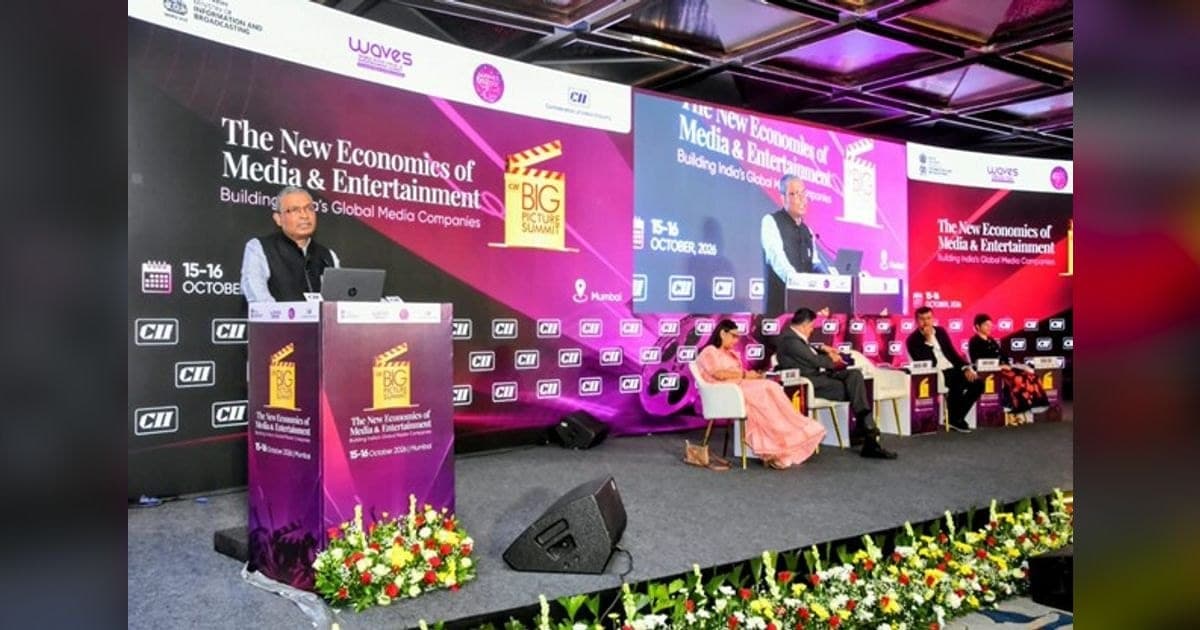
CII White Paper Charts $100 Billion Media Entertainment Goal
15 October 2026 · 2 min read
- Reports & Indices
NITI Aayog Unveils Data Centre Evaluation Framework for States
15 October 2026 · 2 min read
- Reports & Indices
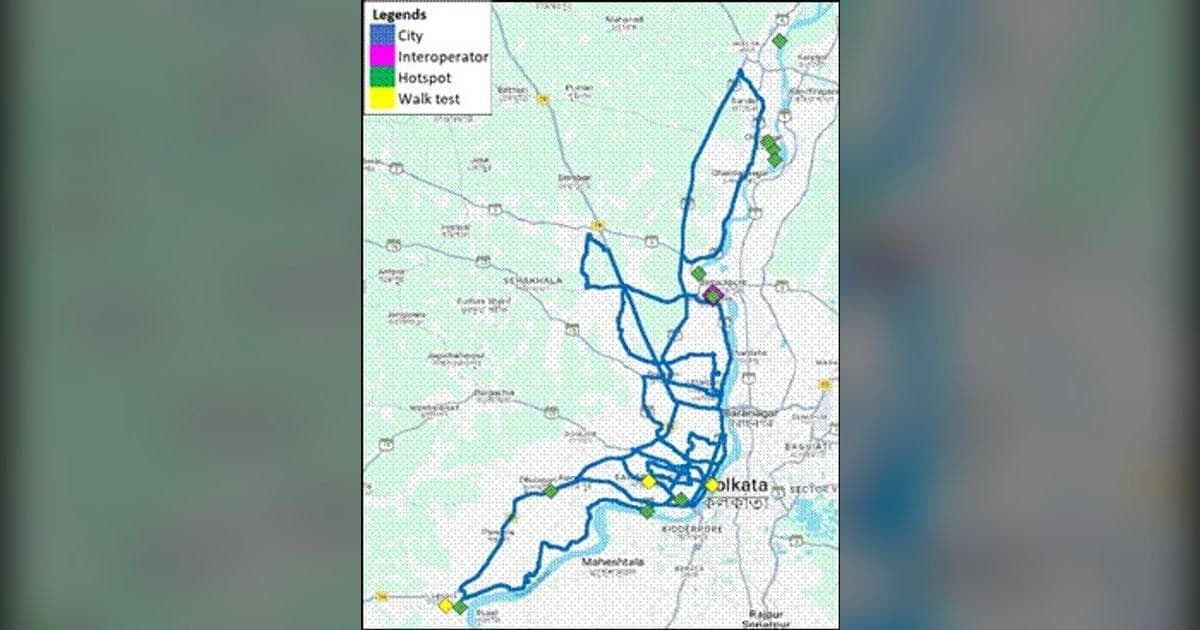
TRAI Drive Tests Rate Mobile Quality in Kolkata, Andaman
15 October 2026 · 2 min read
Related GK
- MP Governor, CM and Vidhan Sabha: Articles and Facts
23 October 2026 · Madhya Pradesh
- Haryana Sports and Sportspersons: Medals and Facts
23 October 2026 · Haryana
- Bihar Governor, CM and Legislature: Articles and Facts
23 October 2026 · Bihar
Take the Quiz
- Current Affairs Quiz
State Exams Current Affairs Quiz: 23 October 2026
12 questions12 minutesStart Quiz