
DRI Seizes 5.8 kg Gold from Car Cavity at Visakhapatnam
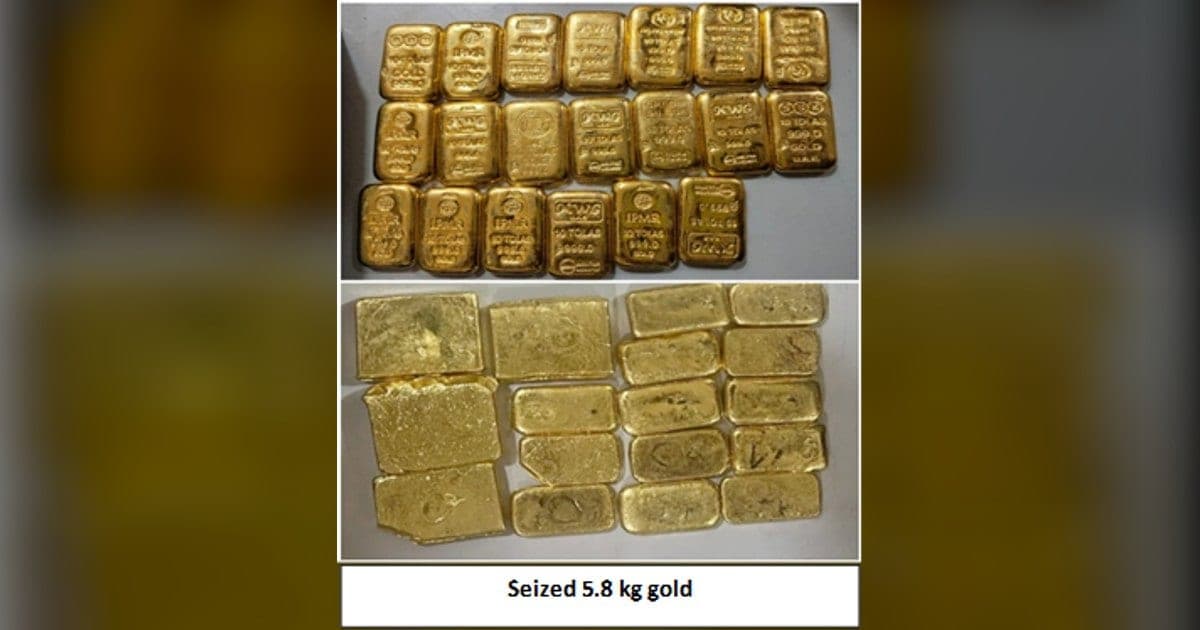
The Directorate of Revenue Intelligence recovered 5,832.90 grams of 24-carat foreign gold worth about Rs 8.98 crore from a car cavity at Visakhapatnam.
Why in News
On 11 October 2026 the Ministry of Finance announced that DRI had recovered 5,832.90 grams of foreign-origin gold worth about Rs 8.98 crore from a purpose-built cavity in a car at Visakhapatnam, arrested two persons and exposed a fresh concealment method used by gold smuggling networks.
The Directorate of Revenue Intelligence (DRI), the anti-smuggling arm that functions under the Ministry of Finance, has broken up a gold run that began in Kolkata and was headed for Hyderabad. Officers who had kept watch along a national highway chased the car down and stopped it at Visakhapatnam in Andhra Pradesh during 8 and 9 October 2026, and the two men travelling in it were taken into custody.
Where the gold was hidden
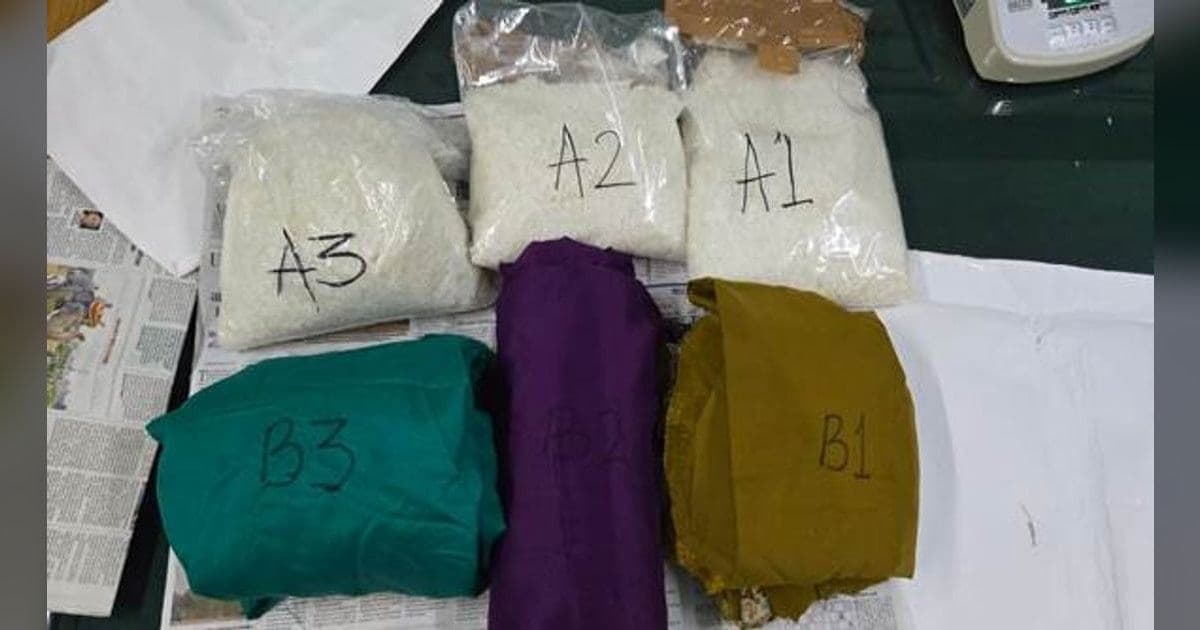
The vehicle gave nothing away at first sight. A slow, piece-by-piece rummaging of the interior finally exposed a hollow that had been built into the body of the car below the leg space of the front passenger seat. Three packets drawn out of it held 5,832.90 grams of foreign-origin gold of 24-carat purity, valued at roughly Rs 8.98 crore. Both men said the metal had crossed into India over the Indo-Bangladesh border and was being carried south to Hyderabad. The gold was seized under the Customs Act, 1962, and the pair were arrested.
A method the agency has met before
The case closely resembled a recovery DRI made three weeks earlier. On 18 and 19 September 2026 its officers stopped two Thar vehicles near the Palwal toll plaza outside Delhi and pulled more than 15 kg of foreign gold, worth over Rs 23 crore, out of spaces engineered into the chassis of the two vehicles. Early intelligence in that case pointed to Myanmar as the source country, against Bangladesh in the Visakhapatnam seizure.
The two cases side by side
| Case | Gold recovered | Value |
| Visakhapatnam, 8 and 9 October 2026 | 5,832.90 grams, 24-carat | About Rs 8.98 crore |
| Palwal toll plaza, 18 and 19 September 2026 | More than 15 kg | More than Rs 23 crore |
Read together, the two seizures show how far carriers now go to survive a roadside check: spaces cut into a chassis or a floor pan, then sealed and finished so that only a full strip-down of the vehicle brings them to light. The agency says its attention stays on reading such changing concealment methods, taking apart the networks behind them and protecting the revenue that smuggled bullion evades.
Important Facts
| Agency | Directorate of Revenue Intelligence (DRI) |
|---|---|
| Ministry | Ministry of Finance |
| Gold seized | 5,832.90 grams of foreign-origin gold, 24-carat |
| Value | About Rs 8.98 crore |
| Place of interception | Visakhapatnam, Andhra Pradesh |
| Dates of operation | 8 and 9 October 2026 |
| Route | Kolkata to Hyderabad by car |
| Concealment | Cavity built below the leg space of the front passenger seat |
| Law applied | Customs Act, 1962 |
| Arrests | Two occupants of the car |
| Earlier similar case | More than 15 kg worth over Rs 23 crore near Palwal toll plaza, 18 and 19 September 2026 |
Exam Point of View
Remember the quantity (5,832.90 grams, about 5.8 kg), the purity (24-carat), the value (about Rs 8.98 crore), the agency (DRI, under the Ministry of Finance), the place (Visakhapatnam, Andhra Pradesh), the route (Kolkata to Hyderabad), the law invoked (Customs Act, 1962), the border named (Indo-Bangladesh) and the comparable Palwal case of more than 15 kg worth over Rs 23 crore traced to Myanmar.
Practice Questions
Which agency seized 5,832.90 grams of foreign-origin gold from a cavity in a car at Visakhapatnam?
- A.Central Bureau of Investigation
- B.Directorate of Revenue Intelligence
- C.Narcotics Control Bureau
- D.Enforcement Directorate
Show answer
Explanation
The correct answer is the Directorate of Revenue Intelligence. DRI, which functions under the Ministry of Finance, is the central agency that gathers intelligence on smuggling and acts on it, and it carried out this interception at Visakhapatnam after chasing a car travelling from Kolkata towards Hyderabad. The gold, weighing 5,832.90 grams and of 24-carat purity, was valued at about Rs 8.98 crore and was seized under the Customs Act, 1962. The Central Bureau of Investigation in option A investigates corruption and serious crime and does not handle customs seizures. The Narcotics Control Bureau in option C deals with narcotic drugs and psychotropic substances, not bullion smuggling. The Enforcement Directorate in option D works on foreign exchange and money laundering cases, so it is not the agency that made this recovery either.
Where in the car was the smuggled gold concealed?
- A.Inside the spare wheel in the boot
- B.In a cavity below the leg space of the front passenger seat
- C.Inside the fuel tank
- D.Behind the dashboard panel
Show answer
Explanation
The correct answer is a cavity below the leg space of the front passenger seat. The car revealed nothing on a first inspection, and only a long, systematic rummaging of the interior brought to light a space that had been specially fabricated beneath the leg room of the seat beside the driver. Three packets of 24-carat gold weighing 5,832.90 grams together were drawn out of that hollow. Option A is wrong because the gold was not in the spare wheel, and option C is wrong because the fuel tank was not the hiding place in this case. Option D names the dashboard, which again is not where the packets were found. In the comparable Palwal case the cavities were cut into the chassis of two vehicles rather than under a seat, which shows that carriers vary the location of such hollows.
Which border did the arrested men say the gold had been smuggled across?
- A.The India-Nepal border
- B.The India-Myanmar border
- C.The India-Bangladesh border
- D.The India-Bhutan border
Show answer
Explanation
The correct answer is the India-Bangladesh border. The two occupants of the car admitted in their statements that the gold had entered India over the Indo-Bangladesh border and was being taken to Hyderabad, which matches the Kolkata starting point of the journey. Option B names Myanmar, and that is the trap in this question: Myanmar was the country indicated by early intelligence in a different case, the recovery of more than 15 kg of gold worth over Rs 23 crore near the Palwal toll plaza on 18 and 19 September 2026, not in the Visakhapatnam seizure. Option A, the India-Nepal border, and option D, the India-Bhutan border, do not figure in either case. The gold recovered at Visakhapatnam was seized under the Customs Act, 1962.
Frequently Asked Questions
How much gold did DRI seize at Visakhapatnam?
Three packets holding 5,832.90 grams of 24-carat foreign-origin gold, valued at about Rs 8.98 crore, were taken out of a cavity in a car during 8 and 9 October 2026.
Under which law was the gold seized?
Under the Customs Act, 1962. Both occupants of the car were arrested, and they said the gold had been smuggled into India over the Indo-Bangladesh border.
Which earlier case did DRI compare it with?
A seizure on 18 and 19 September 2026 near the Palwal toll plaza outside Delhi, where more than 15 kg of gold worth over Rs 23 crore was recovered from cavities in the chassis of two Thar vehicles, with the metal believed to have come from Myanmar.
Sources
- https://www.pib.gov.in/PressReleasePage.aspx?PRID=2322059 (opens in a new tab) — Press Information Bureau
Current Affairs 11 October 2026
- Mission for Aatmanirbharta in Pulses Completes One YearGovernment Schemes
- DRI Seizes 7.8 kg Smuggled Gold in Eastern Region, Six HeldNational
- DRI Seizes 5.753 kg Crystal Meth from Train PassengerNational
- Railways Notifies 3,548 Graduate NTPC Posts Under CEN 06/2026National
- INS Trishul Reaches Plymouth for Exercise KONKAN-26 with Royal NavyDefence
- Fit India Sundays on Cycle 94th Edition Rides Through VaranasiSports
- Yuva Sangam Phase VII Takes Uttarakhand Youth to West BengalGovernment Schemes
- INS Sahyadri Reaches Vladivostok for Exercise INDRA 2026Defence
Related Current Affairs
Related GK
- Uttar Pradesh Location and Physical Divisions for Exams
12 October 2026 · Uttar Pradesh
- Rajasthan Location and Physical Divisions: Extent, Aravalli, Thar
12 October 2026 · Rajasthan
- Madhya Pradesh Location and Physical Divisions for Exams
12 October 2026 · Madhya Pradesh
Take the Quiz
- Current Affairs Quiz
State Exams Current Affairs Quiz: 11 October 2026
25 questions25 minutesStart Quiz