
RIS Study Puts Ayush Services Economy at $36.92 Billion
A Research and Information System for Developing Countries study valued the Ayush services economy at US$36.92 billion in FY2024-25, growing at 16.91 per cent.

Why in News
On 30 September 2026 the Ministry of Ayush publicised an RIS study valuing the Ayush services economy at US$36.92 billion in FY2024-25, growing at 16.91 per cent a year and supporting 1.76 million livelihoods, with a projection of US$216-318 billion by 2047.
The Ayush services sector is now one of the fastest growing service industries in the country, worth an estimated US$36.92 billion in FY2024-25, according to a study by the Research and Information System for Developing Countries (RIS). The sector has been expanding at a compound annual rate of 16.91 per cent since FY2022-23. The report was formally brought out at the 11th Ayurveda Day function held in Nagpur on 23 September.
How the estimate was built
This is the first time the money value of Ayush services has been measured through a nationally scaled survey taken at the level of individual establishments. The survey covered 15,914 establishments across all six Ayush systems. Vaidya Rajesh Kotecha, Secretary of the Ministry of Ayush, said the exercise gives policy makers an evidence base for investment and reform decisions. Professor Sachin Kumar Sharma, Director General of RIS, said the numbers show Ayush is no longer a fringe activity but a knowledge-based service economy.
Where the revenue comes from
Clinics and day-care centres together account for more than 71 per cent of the sector’s revenue. Among the six systems, Ayurveda is the single largest, at close to 48 per cent of the whole.
| Segment or system | Estimated revenue |
|---|---|
| Standalone clinics | US$16.21 billion |
| Day-care centres | US$10.13 billion |
| Ayurveda (largest system) | US$17.73 billion |
| Medical Value Travel revenue, FY25 | US$1.77 billion |
Jobs, women and wellness
The sector directly supports 1.76 million livelihoods, with more than a million of those jobs sitting in local and standalone clinics. Women make up 43 per cent of the whole Ayush workforce and cross half the staff in several organised segments: above 60 per cent in spas and resorts offering Ayush services, 58 per cent in educational institutions, 57 per cent in day-care centres and 53 per cent in hospitals. The wellness segment, which includes yoga centres, spas and resorts, grew at a 21.29 per cent compound rate, with yoga centres alone adding about 75 per cent to their revenue over two years.
Foreign patients and the road to 2047
Medical Value Travel brought in US$1.77 billion in FY25. Foreign patients are only about 5 per cent of patient numbers yet contribute an estimated 15 to 25 per cent of revenue in the hospital segment, partly because therapies such as Panchakarma and residential yoga keep a patient in for 5 to 11 days on average. A working website raises an establishment’s odds of drawing international patients 3.6 times, and NABH or ISO accreditation roughly doubles them. The study projects the sector could reach US$216 billion to US$318 billion by 2047, and sets out four pillars for getting there: the knowledge value chain, enterprise and institutional capability, global competitiveness with Medical Value Travel, and innovation through digital technology and artificial intelligence.
Important Facts
| Report | Study on the economic contribution of the Ayush services sector |
|---|---|
| Conducted by | Research and Information System for Developing Countries (RIS) |
| Released at | 11th Ayurveda Day celebrations, Nagpur, 23 September |
| Sector size | US$36.92 billion in FY2024-25 |
| Growth rate | 16.91 per cent CAGR since FY2022-23 |
| Survey base | 15,914 establishments across all six Ayush systems |
| Employment | 1.76 million livelihoods; women are 43 per cent of the workforce |
| Largest system | Ayurveda, US$17.73 billion, nearly 48 per cent of revenue |
| Medical Value Travel | US$1.77 billion revenue in FY25 |
| Projection for 2047 | US$216 billion to US$318 billion |
Exam Point of View
Remember the study body (RIS), the size of the Ayush services economy (US$36.92 billion in FY2024-25), the growth rate (16.91 per cent CAGR since FY2022-23), the survey size (15,914 establishments), the employment figure (1.76 million), Ayurveda’s share (US$17.73 billion), Medical Value Travel revenue (US$1.77 billion) and the 2047 projection of US$216-318 billion.
Practice Questions
According to the RIS study, what was the size of India’s Ayush services economy in FY2024-25?
- A.US$17.73 billion
- B.US$36.92 billion
- C.US$1.77 billion
- D.US$216 billion
Show answer
Correct answer: B. US$36.92 billion
Explanation
The correct answer is US$36.92 billion, the estimated economic contribution of the Ayush services sector in FY2024-25, growing at a compound annual rate of 16.91 per cent since FY2022-23. Option A, US$17.73 billion, is the revenue of Ayurveda alone, the largest of the six Ayush systems, which is close to 48 per cent of the sector rather than all of it. Option C, US$1.77 billion, is the Medical Value Travel revenue earned in FY25, a narrow slice built on foreign patients who make up only about 5 per cent of patient numbers. Option D, US$216 billion, is the lower end of the projection for 2047, not a present figure at all. Only option B states what the sector was worth in the year the study measured.
Which organisation carried out the study on the economic contribution of the Ayush services sector?
- A.NITI Aayog
- B.Research and Information System for Developing Countries (RIS)
- C.Indian Council of Medical Research
- D.National Statistical Office
Show answer
Correct answer: B. Research and Information System for Developing Countries (RIS)
Explanation
The correct answer is the Research and Information System for Developing Countries, better known as RIS, whose Director General, Professor Sachin Kumar Sharma, presented the findings. RIS is a policy research institute that works on trade and development questions, which is why an economic measurement of a health sector fell to it rather than to a medical body. Option C, the Indian Council of Medical Research, is the apex body for biomedical research in India and plausible at first glance, but it studies health and disease, not the money value of a service industry. Option A, NITI Aayog, is the government think tank and does publish sector reports, yet it did not author this one. Option D, the National Statistical Office, compiles official statistics but did not conduct this establishment-level survey. The survey behind the study covered 15,914 establishments across all six Ayush systems.
How many livelihoods does the Ayush services sector support, as per the study?
- A.1.76 million
- B.17.6 million
- C.76 lakh
- D.4.3 million
Show answer
Correct answer: A. 1.76 million
Explanation
The correct answer is 1.76 million livelihoods, which the study says the Ayush services sector directly supports, with more than a million of those jobs concentrated in local and standalone clinics. Option B, 17.6 million, is the same digits shifted by one decimal place, a trap for anyone reading quickly. Option C, 76 lakh, is another rewriting of the digits in Indian units and is far above the measured figure. Option D, 4.3 million, plays on 43 per cent, which is the share of women in the Ayush workforce rather than any count of jobs; in several organised segments female participation crosses half, reaching above 60 per cent in spas and resorts offering Ayush services and 58 per cent in educational institutions. So only option A names the employment figure the study reports.
Frequently Asked Questions
How big is India’s Ayush services economy, according to the RIS study?
US$36.92 billion in FY2024-25, growing at a compound annual rate of 16.91 per cent since FY2022-23. The study projects US$216 billion to US$318 billion by 2047.
Which Ayush system contributes the most revenue?
Ayurveda, at US$17.73 billion, nearly 48 per cent of the sector. Standalone clinics earned US$16.21 billion and day-care centres US$10.13 billion.
What does the study say about employment in the sector?
It supports 1.76 million livelihoods, more than a million of them in local and standalone clinics. Women are 43 per cent of the workforce, above 60 per cent in Ayush-based spas and resorts and 58 per cent in educational institutions.
Sources
Current Affairs 30 September 2026
- CAFE Norms 2027-32 Notified, Fuel Use to Fall 16.7 Per CentEnvironment
- UPSC Completes 100 Years of Merit-Based RecruitmentNational
- Second Naval Commanders Conference 2026 Opens in New DelhiDefence
- MHI Industry Accelerator Impact Report Released at NavigyaanScience & Technology
- SBM 2.0: Rs 11,785 Crore Approved for Sewage Treatment PlantsEnvironment
- TRAI Releases Mobile Network Drive Test Findings for SonitpurScience & Technology
- Special Campaign 6 to Run from 2 to 31 October 2026National
- PSS Buying of Rs 5,547.99 Crore Cleared for Kharif 2026-27Government Schemes
Related Current Affairs
- Reports & Indices
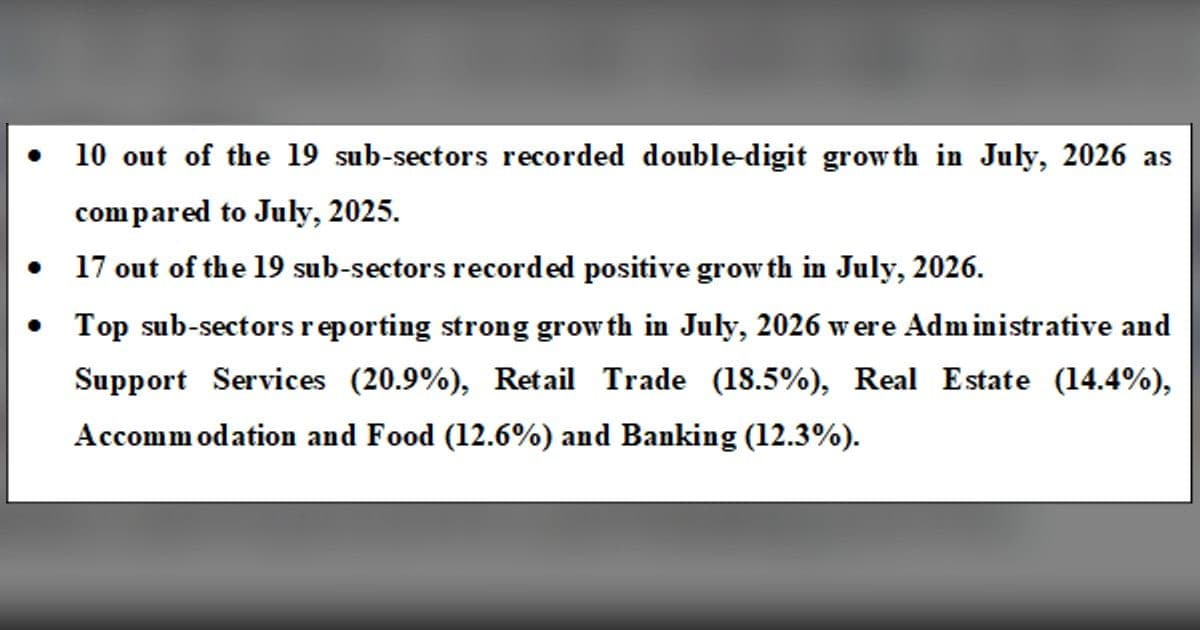
MoSPI Releases Trial Index of Services Production for July 2026
29 September 2026 · 2 min read
- Reports & Indices
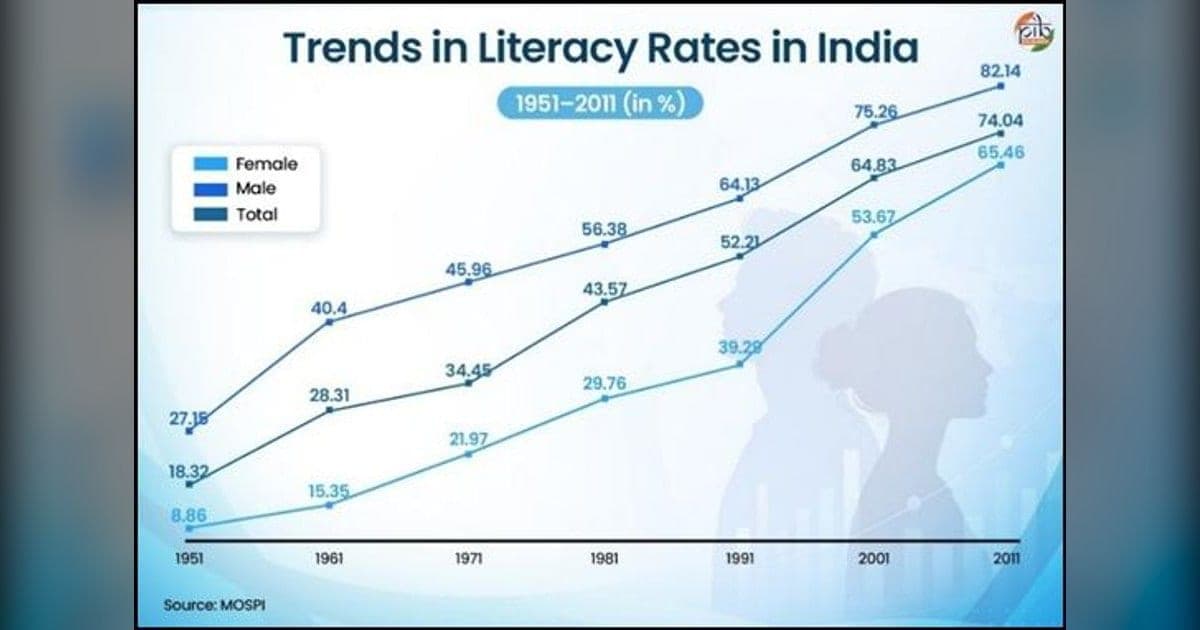
Literacy Rate Reaches 81.1% as Ten States Declare Full Literacy
29 September 2026 · 2 min read
- Reports & Indices
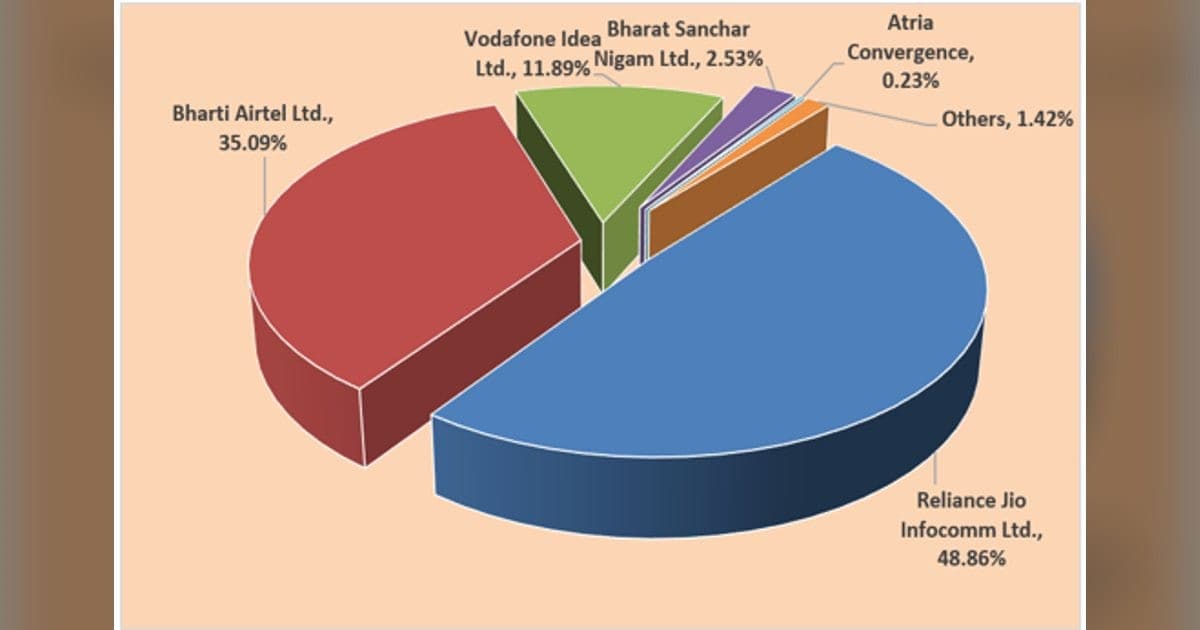
Broadband Users Reach 1101.21 Million in India in August 2026
28 September 2026 · 2 min read
- Reports & Indices
NITI Aayog Releases Ninth Trade Watch Quarterly Edition
16 September 2026 · 2 min read
- Reports & Indices
PLFS Bulletin August 2026: LFPR Rises to 55.6 Per Cent
15 September 2026 · 2 min read
- Reports & Indices
NSO Releases First District-Level Estimates of Unincorporated Sector
10 September 2026 · 2 min read

Related GK
- Punjab GK: Formation, Rivers, History and Exam Facts
30 September 2026 · Indian States & UTs
- Indian Defence Forces and Missiles: Static GK and PYQs
30 September 2026 · Static GK
- Biotechnology in Agriculture and Health: Notes and PYQs
30 September 2026 · Science & Technology
Take the Quiz
- Current Affairs Quiz
State Exams Current Affairs Quiz: 30 September 2026
25 questions25 minutesStart Quiz