
Special Campaign 6 Ends: MoRTH Clears 5,960 Grievances
The Ministry of Road Transport and Highways wound up Special Campaign 6, run from 2 to 31 October 2026, after beating its targets on every listed parameter.
Why in News
On 16 November 2026 the Ministry of Road Transport and Highways announced the successful conclusion of Special Campaign 6, held from 2 to 31 October 2026 for cleanliness and the disposal of pending matters, with the Department of Biotechnology reporting its own results the same day.
The Ministry of Road Transport and Highways (MoRTH) and its agencies have wound up the Special Campaign for Disposal of Pending Matters (SCDPM) 6, which ran from 2 to 31 October 2026. The ministry said on 16 November 2026 that it had crossed 100 per cent of the targets fixed under the campaign’s various heads. The Department of Biotechnology, in the Ministry of Science and Technology, reported the close of its own drive over the same month.
Cleanliness taken to the highways
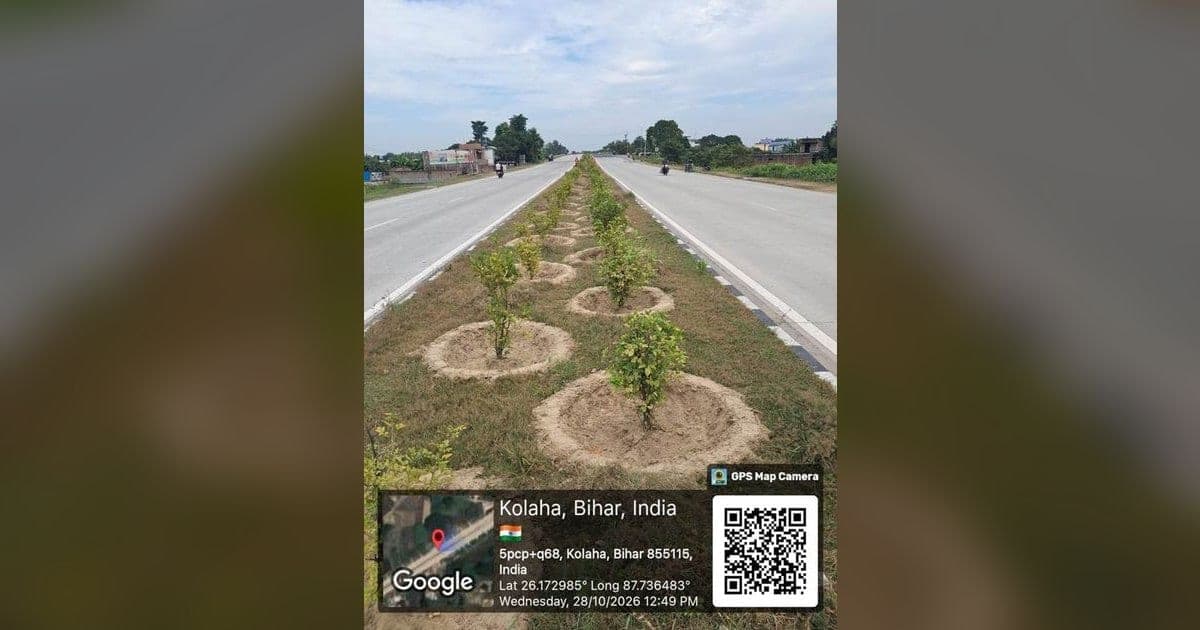
This year the ministry folded highway repair into the cleanliness drive, so that the roads themselves, and not only office premises, were covered. Field formations reported more than 95,000 km of national highways and service roads made free of potholes, while signage and road markings were improved along stretches of over 65,000 km. About 5,000 working toilets were cleaned and more than 500 toilets at toll plazas were refurbished. Plantation was taken up along central verges across more than 7,000 km.
Files and complaints disposed
| Parameter | Disposed |
| Public grievances | 5,960 |
| Public grievance appeals | 1,013 |
| Old physical files and e-files reviewed | 14,625 |
| References from Members of Parliament | 304 |
| State government references | 77 |
Four parliamentary assurances and 17 references from the Prime Minister’s Office were also settled, along with three inter-ministerial consultation references.
Where the work was done
Cleanliness and sanitation work was carried out at more than 4,960 locations, among them offices, construction camps and sites, highway stretches, toll plazas, wayside amenities, roadside dhabas, bus stops and flyovers. More than 1134 kg of scrap, e-waste included, was disposed of, which brought in revenue of Rs 1,20,100. The ministry’s Secretary reviewed progress every week and a nodal officer followed up with the agencies.
The biotechnology department’s drive
The Department of Biotechnology cleaned and beautified 191 sites against a target of 158, or 121 per cent, and freed 71,363 square feet of office space against a target of 47,486 square feet. Scrap disposal earned it Rs 50,79,846 from e-waste. It also put out 211 posts on social media platforms to spread word of the drive.
The campaign before it
MoRTH had run its highway cleanliness and upkeep work in step with the Swachhata Hi Seva campaign, held from 17 September 2026 to 2 October 2026, before Special Campaign 6 began on 2 October 2026.
Important Facts
| Campaign | Special Campaign for Disposal of Pending Matters (SCDPM) 6 |
|---|---|
| Period | 2 to 31 October 2026 |
| Preceded by | Swachhata Hi Seva campaign, 17 September 2026 to 2 October 2026 |
| Pothole-free roads | More than 95,000 km of national highways and service roads |
| Signage and markings | Improved over more than 65,000 km |
| Public grievances disposed | 5,960, with 1,013 appeals |
| Files reviewed | 14,625 old physical files and e-files |
| Locations covered | More than 4,960 |
| Scrap disposal | More than 1134 kg, earning Rs 1,20,100 |
| Department of Biotechnology | 191 sites cleaned against a target of 158, and 71,363 square feet of space freed |
Exam Point of View
Remember the campaign name and number (Special Campaign for Disposal of Pending Matters 6), the dates (2 to 31 October 2026), the preceding Swachhata Hi Seva campaign (17 September to 2 October 2026), and MoRTH key figures: over 95,000 km pothole-free, 65,000 km of signage, 5,960 grievances, 1,013 appeals, 14,625 files, 4,960 locations and Rs 1,20,100 from scrap. For the Department of Biotechnology note 191 sites cleaned and 71,363 square feet freed.
Practice Questions
During which period was Special Campaign 6 for the disposal of pending matters conducted?
- A.17 September to 2 October 2026
- B.2 to 31 October 2026
- C.2 October to 2 November 2026
- D.1 to 30 November 2026
Show answer
Both the Ministry of Road Transport and Highways and the Department of Biotechnology described their drives as having run through that month, and the ministry announced the conclusion on 16 November 2026.
Read the full explanation →How many kilometres of national highways and service roads were reported made pothole-free during Special Campaign 6?
- A.More than 7,000 km
- B.More than 65,000 km
- C.More than 95,000 km
- D.More than 1,25,000 km
Show answer
Field formations of the Ministry of Road Transport and Highways reported that this length of national highways and service roads had been made free of potholes, the ministry having folded road repair into the cleanliness drive so that highway users would feel the difference.
Read the full explanation →How many public grievances did the Ministry of Road Transport and Highways dispose of during Special Campaign 6?
- A.1,013
- B.4,960
- C.5,960
- D.14,625
Show answer
Among the parameters on which the ministry reported crossing its targets, the disposal of public grievances stood at this figure.
Read the full explanation →Which campaign, run from 17 September to 2 October 2026, preceded Special Campaign 6 at the Ministry of Road Transport and Highways?
- A.Swachh Bharat Mission-Urban 2.0
- B.Swachhata Hi Seva
- C.Swachh Survekshan
- D.Special Campaign 5
Show answer
The ministry said it had carried out cleanliness, maintenance and improvement work tied to its core functions in a coordinated way under that campaign, held from 17 September 2026 to 2 October 2026, and then under Special Campaign 6 from 2 October to 31 October 2026, with the aim of…
Read the full explanation →Frequently Asked Questions
When was Special Campaign 6 conducted?
From 2 to 31 October 2026. The Ministry of Road Transport and Highways and its agencies concluded the Special Campaign for Disposal of Pending Matters 6 in that window and reported crossing 100 per cent of the targets set under its various parameters.
What did the Ministry of Road Transport and Highways achieve on the highways during the campaign?
More than 95,000 km of national highways and service roads were made pothole-free, road signage and markings were improved along more than 65,000 km, about 5,000 working toilets were cleaned, over 500 toilets at toll plazas were refurbished and plantation was taken up along more than 7,000 km of central verges.
How many pending matters did the ministry dispose of?
It disposed of 5,960 public grievances and 1,013 grievance appeals, reviewed 14,625 old physical files and e-files, and settled 304 references from Members of Parliament, 77 state government references, four parliamentary assurances and 17 references from the Prime Minister office.
Sources
- सड़क परिवहन और राजमार्ग मंत्रालय ने स्वच्छता को संस्थागत बनाने और लंबित मामलों को कम करने के लिए विशेष अभियान 6 का सफलतापूर्वक समापन किया (opens in a new tab) — Press Information Bureau
- विज्ञान एवं प्रौद्योगिकी मंत्रालय के जैव प्रौद्योगिकी विभाग (डीबीटी) ने 2 से 31 अक्टूबर, 2026 तक आयोजित विशेष अभियान 6 सफलतापूर्वक संपन्न किया (opens in a new tab) — Press Information Bureau
Current Affairs 16 November 2026
- India-Egypt 7th Joint Trade Committee Meets at Ministerial LevelInternational
- Modi Departs for 23rd ASEAN-India Summit in ManilaSummits & Conferences
- WPI Inflation Climbs to 12.29 Per Cent in October 2026Economy
- 31st CII Partnership Summit 2026 Held in VisakhapatnamSummits & Conferences
- Vice-President Opens 17th Odisha Assembly Orientation ProgrammeState News
- Kutch Earthquake 2001: Rebuilding, GSDMA and Key FiguresNational
- COVID-19 Response: 22.89 Crore Precaution Doses AdministeredNational
- National FRA Digital Platform Launched for Forest Rights ClaimsGovernment Schemes
Related Current Affairs
Related GK
- Famous Personalities of Rajasthan: Exam Notes
28 October 2026 · Rajasthan
- Districts and Divisions of Rajasthan: Exam Notes
28 October 2026 · Rajasthan
- Tourism and World Heritage Sites of Rajasthan Notes
27 October 2026 · Rajasthan
Take the Quiz
- Current Affairs Quiz
SSC CHSL Current Affairs Quiz: 16 November 2026
16 questions16 minutesStart Quiz