
Mines Ministry Opens 9th Critical Mineral Auction Tranche
Coal and Mines Minister G. Kishan Reddy opened the ninth tranche of critical mineral block e-auctions, offering 20 blocks, along with the third exploration licence round.
Why in News
On 5 November 2026 the Ministry of Mines opened the ninth round of e-auction for critical and strategic mineral blocks in Goa, together with the third round of Exploration Licence auctions and a fresh amendment easing the bidder requirement.
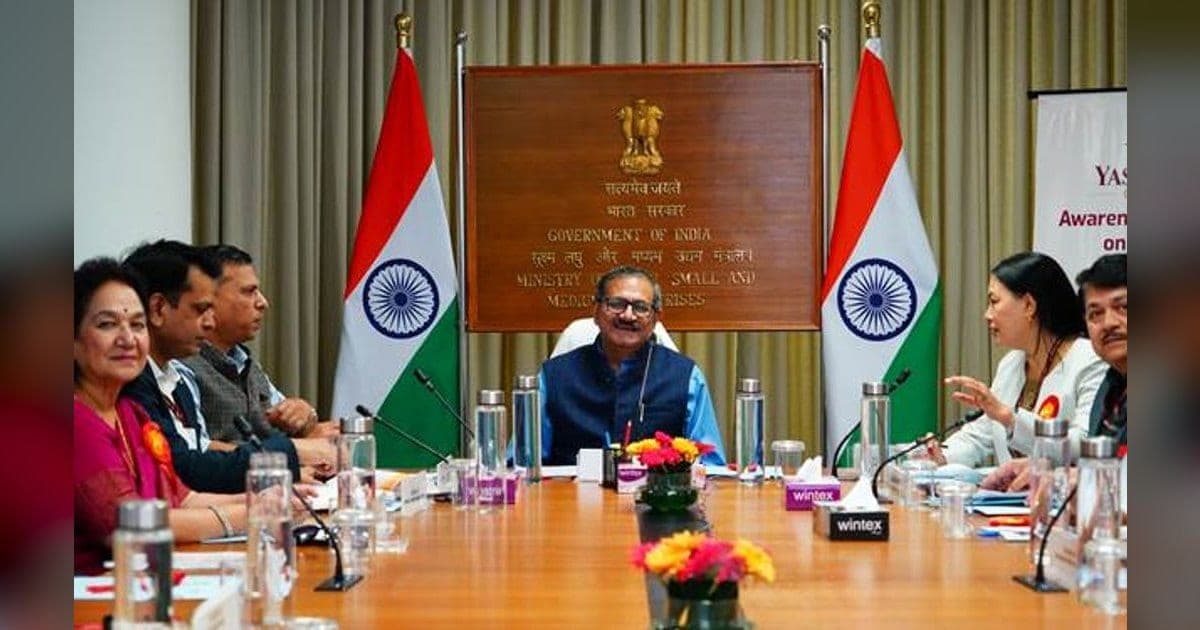
The Ministry of Mines on 5 November 2026 opened two auction rounds together in Goa: the ninth tranche of e-auction for critical and strategic mineral blocks, and the third tranche of auctions for granting Exploration Licences. Union Minister for Coal and Mines G. Kishan Reddy did the honours, with Goa Chief Minister Pramod Sawant as chief guest and Minister of State for Coal and Mines Satish Chandra Dubey present. Officials of the Union government, state governments and public sector undertakings attended.
What Tranche IX offers
Twenty critical and strategic mineral blocks go under the hammer in this round. They are spread over eight states, and the minerals on offer run from graphite and glauconite to vanadium, gallium, titanium, tungsten, scandium, potash and halite, bauxite, aluminous laterite, phosphorite-limestone, rare metals and rare earth elements. Such minerals feed clean-energy technology, electric mobility, advanced manufacturing, fertilisers, defence, aerospace and electronics, so the sale is tied directly to India's mineral security and its shift to cleaner energy.
| State | Blocks |
| Chhattisgarh | 5 |
| Rajasthan, Telangana, West Bengal | 3 each |
| Madhya Pradesh, Maharashtra | 2 each |
| Andhra Pradesh, Bihar | 1 each |
The record so far
The eight rounds before this one placed 100 unique critical and strategic mineral blocks on offer, of which 64 found buyers, a strike rate of 64 per cent. Exploration Licences, created by Section 10BA of the MMDR Act, let private firms invest in searching for the 29 critical and deep-seated minerals listed in the Seventh Schedule even before any mining starts. Eleven such blocks have been sold in the first two rounds; Tranche III puts up eleven more across six states, covering copper, vanadium and rare earth elements.
The reform announced
The government has notified the Mineral (Auction) Third Amendment Rules, 2026 on 16 October 2026. For Part D minerals, the second round of bidding now needs only two technically qualified bidders instead of three, which was a leading reason blocks went unsold. Letters of Intent will be issued automatically on the Unified Mining Portal. Earlier steps in the same direction were the Mineral (Auction) Second Amendment Rules, 2025 and the use of insurance surety bonds.
How the bidding works
Mineral blocks are sold by a two-stage ascending forward auction, and the bidder quoting the highest share of revenue wins. Exploration Licence blocks follow a two-stage descending reverse auction, where the lowest percentage share of the future lessee's revenue wins. Tender documents went on sale on 5 November 2026, may be bought until 1 January 2027, and bids must be in by 7 January 2027.
Important Facts
| Launched by | G. Kishan Reddy, Union Minister for Coal and Mines |
|---|---|
| Chief guest | Pramod Sawant, Chief Minister of Goa |
| Tranche IX blocks | 20 critical and strategic mineral blocks in eight states |
| Earlier record | 64 of 100 blocks auctioned in eight tranches (64 per cent) |
| Exploration Licence basis | Section 10BA, MMDR Act; 29 minerals in the Seventh Schedule |
| Reform notified | Mineral (Auction) Third Amendment Rules, 2026, dated 16 October 2026 |
| Bid deadline | 7 January 2027, 17:00 hrs IST |
| Auction platform | MSTC e-auction platform; Unified Mining Portal for Letters of Intent |
Exam Point of View
Remember the tranche numbers (ninth for mineral blocks, third for Exploration Licences), the 20 blocks on offer, the 64 of 100 blocks sold in eight earlier rounds, Section 10BA of the MMDR Act, the 29 minerals of the Seventh Schedule, the Third Amendment Rules of 2026 that cut qualified bidders from three to two, and the bid deadline of 7 January 2027. Also note who launched it and that Goa hosted it.
Practice Questions
How many critical and strategic mineral blocks are on offer in the ninth tranche of e-auction launched by the Ministry of Mines?
- A.15 blocks
- B.20 blocks
- C.29 blocks
- D.64 blocks
Show answer
The ninth tranche of the e-auction of critical and strategic mineral blocks places twenty blocks before bidders, drawn from eight states.
Read the full explanation →Under which section of the MMDR Act was the Exploration Licence introduced?
- A.Section 4A
- B.Section 9B
- C.Section 10BA
- D.Section 11D
Show answer
The Exploration Licence was created through Section 10BA of the MMDR Act, and it allows private industry to put money into exploring minerals even before mining itself begins.
Read the full explanation →What key change do the Mineral (Auction) Third Amendment Rules, 2026 make for Part D minerals?
- A.Revenue share for the winner is capped at 50 per cent
- B.Technically qualified bidders needed in the second round fall from three to two
- C.Only public sector undertakings may bid in the second round
- D.The auction switches from forward to reverse bidding
Show answer
The government notified these rules on 16 October 2026, and the change has been written into the tender documents of both tranches launched in Goa.
Read the full explanation →Frequently Asked Questions
How many blocks are on offer in the ninth tranche of critical mineral auctions?
Twenty critical and strategic mineral blocks across eight states, with Chhattisgarh offering five, and Rajasthan, Telangana and West Bengal three each.
What does an Exploration Licence allow?
Introduced by Section 10BA of the MMDR Act, it lets private firms invest in exploring the 29 critical and deep-seated minerals of the Seventh Schedule before mining begins.
What changed under the Mineral (Auction) Third Amendment Rules, 2026?
Notified on 16 October 2026, they reduce the minimum technically qualified bidders for the second round of Part D minerals from three to two, and allow Letters of Intent to issue automatically.
Sources
Current Affairs 5 November 2026
- VB-G RAM G: Centre Marks 22 Fodder and Livestock WorksGovernment Schemes
- 4th Conference of Mining Ministers Begins in GoaSummits & Conferences
- Watershed Guidelines: 3rd National Consultation in NagpurGovernment Schemes
- NHRC Push Sets Up Gender-Neutral Cell in Hyderabad JailNational
- CAPEX Scheme Backs Lithium, Nickel Units with Rs 2,814 CroreGovernment Schemes
- BIS Hallmarking: 65 Crore Gold Articles Carry HUID CodeNational
- Railways Wins PM Surya Ghar Excellence Award from VPAwards & Honours
- AIIMS Awantipora OPD to Open Before December 2026National
Related Current Affairs
Related GK
- Famous Personalities of Rajasthan: Exam Notes
28 October 2026 · Rajasthan
- Districts and Divisions of Rajasthan: Exam Notes
28 October 2026 · Rajasthan
- Tourism and World Heritage Sites of Rajasthan Notes
27 October 2026 · Rajasthan
Take the Quiz
- Current Affairs Quiz
Banking Current Affairs Quiz: 5 November 2026
25 questions25 minutesStart Quiz