
India Seeks an Open, Equitable Second Global Stocktake at COP31
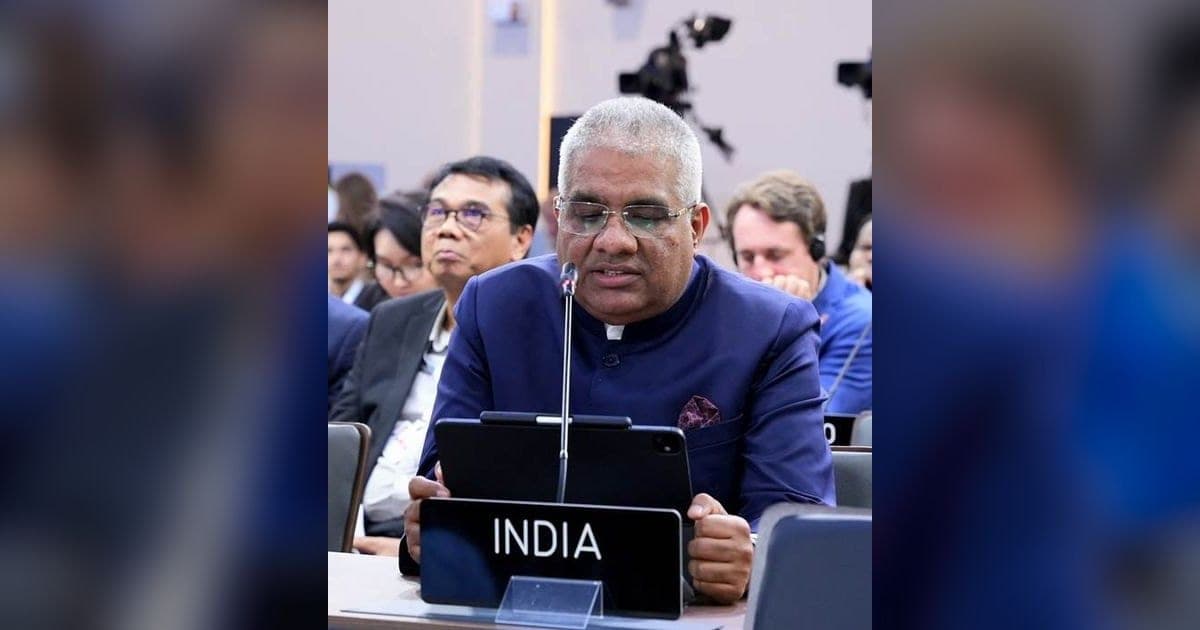
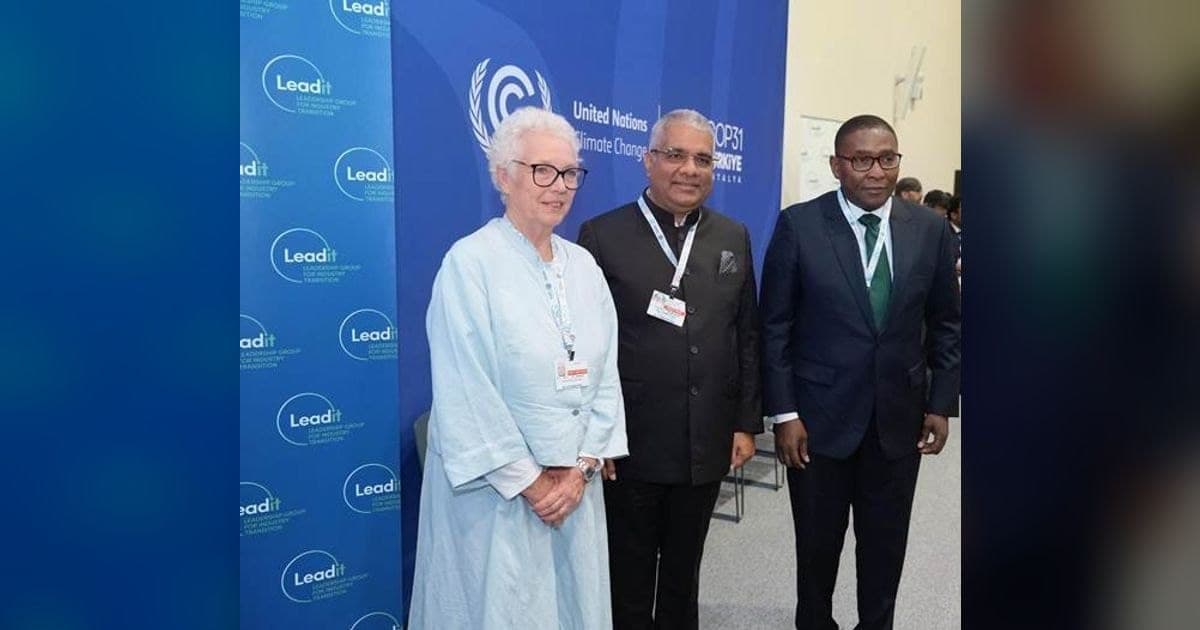
Environment Minister Bhupender Yadav told a high-level event at COP31 in Antalya that the Second Global Stocktake must be open, transparent and equitable.
Why in News
At UNFCCC COP31 in Antalya on 18 November 2026, Union Environment Minister Bhupender Yadav called for the Second Global Stocktake under the Paris Agreement to be open, transparent, inclusive and guided by equity and CBDR-RC.
Union Minister for Environment, Forest and Climate Change Bhupender Yadav asked on 18 November 2026 that the Second Global Stocktake (GST-2) under the Paris Agreement be run as an open, transparent and inclusive exercise, resting on the best available science and on equity, and producing balanced outcomes across every part of climate action. He was speaking at the High-Level Event on the Second Global Stocktake during UNFCCC COP31 at Antalya in Türkiye.
A 360-degree look at the Paris Agreement
The Minister argued that the stocktake must take a comprehensive, 360-degree view of the Paris Agreement and of how it is being implemented, counting the gaps that remain as honestly as the achievements. The exercise, he said, has to be guided by equity and by the principle of Common but Differentiated Responsibilities and Respective Capabilities (CBDR-RC), under which developed countries are expected to lead, with national circumstances taken into account.
What GST-2 should assess
- Updated Nationally Determined Contributions, or NDCs
- Biennial Transparency Reports
- International cooperation under Article 6 of the Paris Agreement
- The Global Goal on Adaptation
- The Just Transition Mechanism
He also pressed for scientific assessments and reports coming out of developing countries to be given recognition alongside the reports of the IPCC, so that the evidence base of the stocktake is not drawn from one part of the world alone.
The warming question
Mr Yadav said GST-2 must ask why, despite the progress claimed in climate action, the world still risks crossing the 1.5 degrees Celsius warming threshold in the years ahead. He wanted outcomes framed around solutions, of a kind that would guide countries as they update their NDCs and would address the shortfalls in the means of implementation.
Finance and technology
Those shortfalls, in his telling, lie above all in climate finance and technology transfer, where actual delivery has fallen far short of the obligations and responsibilities that developed countries carry. He closed by saying India expects the Second Global Stocktake to be carried through successfully and to offer a balanced assessment of global climate action and its implementation.
The first Global Stocktake concluded at an earlier conference of parties; this second cycle is the one now under negotiation at Antalya, which makes its terms a live question for aspirants following the climate talks.
Important Facts
| Event | High-Level Event on the Second Global Stocktake, UNFCCC COP31 |
|---|---|
| Venue | Antalya, Türkiye |
| Date | 18 November 2026 |
| Who spoke | Union Minister for Environment, Forest and Climate Change Bhupender Yadav |
| GST-2 | Second Global Stocktake under the Paris Agreement |
| Principles urged | Equity and Common but Differentiated Responsibilities and Respective Capabilities (CBDR-RC) |
| Areas to assess | Updated NDCs, Biennial Transparency Reports, Article 6 cooperation, Global Goal on Adaptation, Just Transition Mechanism |
| Warming threshold cited | 1.5 degrees Celsius |
| Gaps flagged | Climate finance and technology transfer |
Exam Point of View
Remember that GST-2 stands for the Second Global Stocktake under the Paris Agreement, that India's call came at a high-level event at UNFCCC COP31 in Antalya, Türkiye, and that the minister was Bhupender Yadav. Note the principles named (equity, CBDR-RC), the five areas GST-2 should assess, the role of IPCC reports, the 1.5 degrees Celsius threshold and the two gaps flagged: climate finance and technology transfer.
Practice Questions
Who represented India at the High-Level Event on the Second Global Stocktake at UNFCCC COP31?
- A.The Union Minister of External Affairs
- B.The Union Minister for Environment, Forest and Climate Change, Bhupender Yadav
- C.The Union Finance Minister
- D.The Union Minister of New and Renewable Energy
Show answer
He addressed the high-level event on the stocktake at the climate conference in Antalya and set out what India expects from the exercise: openness, transparency, inclusiveness, the best available science and equity.
Read the full explanation →UNFCCC COP31, where India made its call on the Second Global Stocktake, is being held in which city?
- A.Baku
- B.Belem
- C.Antalya
- D.Dubai
Show answer
The correct answer is Antalya, the city in Türkiye hosting the conference at which the environment minister spoke on 18 November 2026.
Read the full explanation →Which principle did India say must guide the Second Global Stocktake under the Paris Agreement?
- A.Common but Differentiated Responsibilities and Respective Capabilities
- B.The polluter pays principle
- C.The precautionary principle
- D.The common heritage of mankind
Show answer
The correct answer is Common but Differentiated Responsibilities and Respective Capabilities, abbreviated CBDR-RC, which the minister named along with equity as the guide for the stocktake, adding that developed countries are expected to take the lead in the light of national circumstances.
Read the full explanation →Frequently Asked Questions
What is GST-2 in the climate talks?
GST-2 is the Second Global Stocktake under the Paris Agreement, the periodic exercise that takes stock of collective progress in climate action. India asked for it to be open, transparent and inclusive, grounded in the best available science and in equity.
Where is UNFCCC COP31 being held?
At Antalya in Türkiye. Union Environment Minister Bhupender Yadav spoke there on 18 November 2026 at the High-Level Event on the Second Global Stocktake.
Which gaps in implementation did India flag at COP31?
Climate finance and technology transfer. India said actual delivery in these areas has fallen far below the obligations and responsibilities of developed countries, and asked GST-2 to address the shortfall.
Which principle did India want the stocktake to follow?
Equity along with Common but Differentiated Responsibilities and Respective Capabilities, or CBDR-RC, under which developed countries take the lead in the light of national circumstances.
Sources
Current Affairs 18 November 2026
- ICAR-NIHSAD Develops India's First Indigenous H5N1 VaccineScience & Technology
- Rural Development Ministry Issues VB-G RAM G Ombudsperson RulesGovernment Schemes
- Wind Energy: India at 59.20 GW, Eyes 156 GW by 2036Environment
- Indian Navy Marks 50 Years of Maritime Patrol FlyingDefence
- ICMR Crosses 100 Technology Transfer Deals at DHR SummitScience & Technology
- India Presses Climate Justice, CBDR-RC at COP31 AntalyaSummits & Conferences
- Export Promotion Mission: Niryat Disha Norms RelaxedEconomy
- IEPFA and SEBI Hold Niveshak Shivir in New DelhiBanking & Finance
Related Current Affairs
- Summits & Conferences
India Presses Climate Justice, CBDR-RC at COP31 Antalya
18 November 2026 · 2 min read
- Summits & Conferences
India Pitches Big Cat Conservation as Climate Action at COP31
17 November 2026 · 2 min read
- Awards & Honours
Ten Films to Vie for ICFT-UNESCO Gandhi Medal at 57th IFFI
16 November 2026 · 2 min read

Related GK
- Forts and Palaces of Rajasthan: Builders and Key Facts
21 October 2026 · Rajasthan
- Devotional Music of India: Bhajan, Kirtan and Qawwali
17 October 2026 · Art & Culture
- Chandigarh GK: Capitol Complex, Sectors and Static Facts
12 October 2026 · Indian States & UTs
Take the Quiz
- Current Affairs Quiz
Banking Current Affairs Quiz: 18 November 2026
25 questions25 minutesStart Quiz