
India Pitches Big Cat Conservation as Climate Action at COP31
At a ministerial side event on big cats at COP31 in Antalya, Bhupender Yadav said India’s 58 tiger reserves guard carbon-rich forests over 85,000 sq km.

Why in News
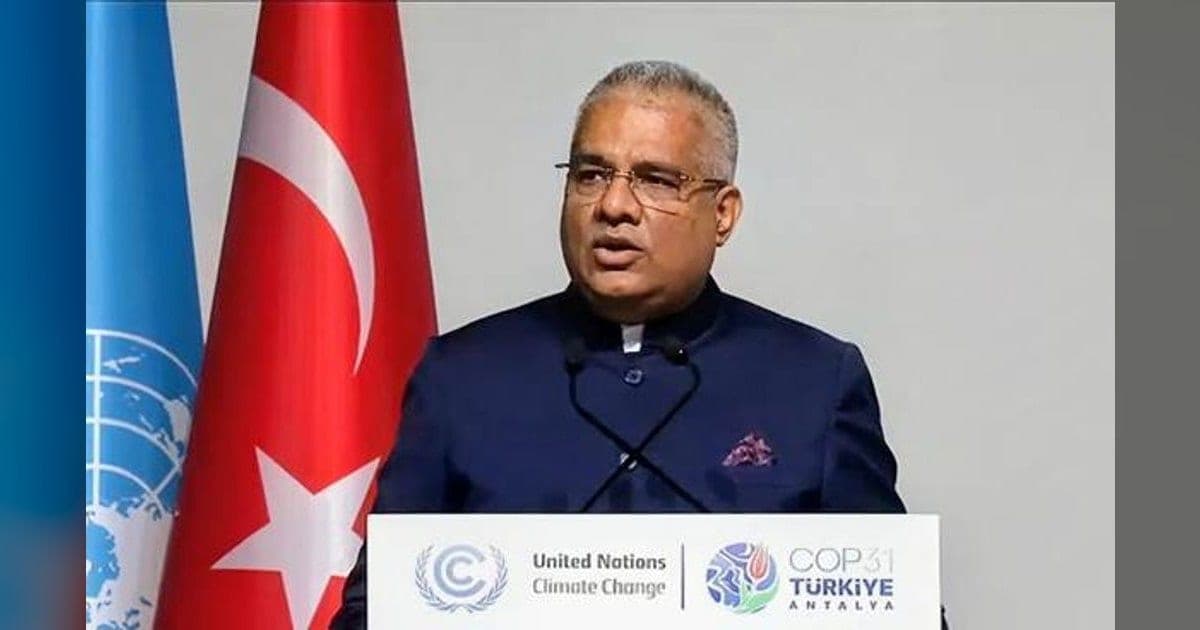
At the UNFCCC COP31 conference in Antalya, Türkiye, India and the International Big Cat Alliance held a ministerial side event on big cats as drivers of climate change mitigation, where Environment Minister Bhupender Yadav presented the country’s tiger conservation record as a nature-based climate solution. The ministry issued its account on 17 November 2026.
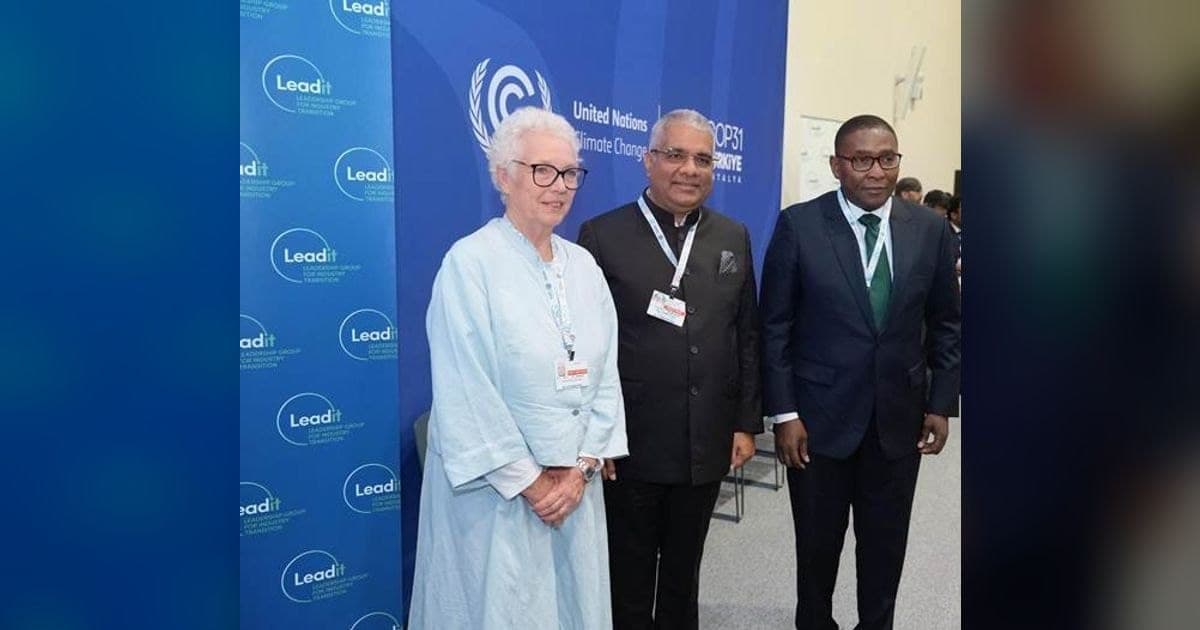
Union Minister for Environment, Forest and Climate Change Bhupender Yadav told a high-level ministerial side event at the UNFCCC COP31 climate conference in Antalya, Türkiye, that protecting big cats is a practical route to climate change mitigation. The session, titled BIG CATS: Drivers of Climate Change Mitigation, was organised jointly by the Ministry of Environment, Forest and Climate Change and the International Big Cat Alliance (IBCA). The ministry’s account of the event was issued on 17 November 2026.
Who took part
Ministers and country representatives from big cat range states including Nepal, Venezuela, Cambodia and Sri Lanka attended, along with representatives of the Ramsar Convention and the UNCCD. IBCA Director General S. P. Yadav presented the status of big cats across the range countries. Participants praised India’s conservation record, and the cheetah reintroduction programme in particular.
The argument the minister made
Big cats do not themselves absorb carbon, the Minister said, but conserving them protects the forests, grasslands, wetlands and mountain systems that store it, and prevents the emissions that follow habitat degradation. As umbrella species, they pull whole ecosystems under protection, which benefits thousands of other species and the communities that live off those landscapes. His conclusion was that wildlife conservation belongs inside nature-based climate action rather than beside it, complementing cuts in emissions while delivering biodiversity and livelihood gains.
India’s tiger numbers
| Tiger reserves | 58, covering about 85,000 sq km |
| Tiger population | 3,682 in 2022, over 70 per cent of the world’s wild tigers |
| Rivers in these landscapes | Over 600 originate in or flow through them |
| Green employment | About 6 million man-days a year under Project Tiger |
| Legal framework | Wildlife (Protection) Act, 1972, and the NTCA |
India’s 58 tiger reserves spread over roughly 85,000 sq km and shelter extensive forest carbon stocks, while providing carbon sequestration, water purification, soil conservation and groundwater recharge. More than 600 rivers rise in or pass through these landscapes, which makes tiger habitat a question of watersheds as much as of wildlife.
Why the model worked
The Minister attributed the success to sustained political commitment, strong law and institutions. Project Tiger, resting on the Wildlife (Protection) Act of 1972 and the statutory National Tiger Conservation Authority, supplied the governance framework; budgetary support from the Centre and states, frontline forest staff, technology-enabled monitoring and community stewardship did the rest. India’s tiger population rose to 3,682 in 2022, more than 70 per cent of the world’s wild tigers, and Project Tiger generates roughly 6 million man-days of work every year. The IBCA, conceived by the Prime Minister, is meant to carry this model to the recovery of all seven big cat species worldwide.
Important Facts
| Event | High-level ministerial side event, BIG CATS: Drivers of Climate Change Mitigation |
|---|---|
| Where | UNFCCC COP31, Antalya, Türkiye |
| Organisers | Ministry of Environment, Forest and Climate Change and the International Big Cat Alliance |
| Indian minister | Bhupender Yadav, Environment, Forest and Climate Change |
| IBCA Director General | S. P. Yadav, who presented the status of big cats |
| Range countries present | Nepal, Venezuela, Cambodia and Sri Lanka |
| Tiger reserves | 58, spread over about 85,000 sq km |
| Tiger population | 3,682 in 2022, over 70 per cent of the world total |
| Employment | About 6 million man-days a year under Project Tiger |
| Legal backing | Wildlife (Protection) Act, 1972, and the National Tiger Conservation Authority |
Exam Point of View
Remember the conference (UNFCCC COP31 at Antalya, Türkiye), the side event’s title and its two organisers (MoEFCC and the International Big Cat Alliance), the range countries present (Nepal, Venezuela, Cambodia, Sri Lanka) and the conventions represented (Ramsar and UNCCD), the IBCA Director General S. P. Yadav, and the tiger figures: 58 reserves over about 85,000 sq km, 3,682 tigers in 2022, more than 70 per cent of the world’s wild tigers, over 600 rivers, about 6 million man-days of work, the Wildlife (Protection) Act of 1972 and the NTCA.
Practice Questions
The high-level ministerial side event titled BIG CATS: Drivers of Climate Change Mitigation was held at which climate conference?
- A.UNFCCC COP29 at Baku
- B.UNFCCC COP30 at Belem
- C.UNFCCC COP31 at Antalya
- D.UNFCCC COP28 at Dubai
Show answer
The side event was organised jointly by India’s Ministry of Environment, Forest and Climate Change and the International Big Cat Alliance, and brought together ministers and representatives from big cat range countries such as Nepal, Venezuela, Cambodia and Sri Lanka, besides the Ramsar Convention and the UNCCD.
Read the full explanation →How many tiger reserves does India have, as stated by the Environment Minister at the big cats side event?
- A.50
- B.53
- C.55
- D.58
Show answer
The Minister said India’s tiger reserves number 58 and span roughly 85,000 sq km, protecting extensive forest ecosystems along with the carbon stored in them.
Read the full explanation →Which statutory body, named at the event, provides the governance framework for Project Tiger?
- A.Wildlife Institute of India
- B.National Tiger Conservation Authority
- C.National Biodiversity Authority
- D.Central Zoo Authority
Show answer
The Minister described Project Tiger as resting on the Wildlife (Protection) Act of 1972 and on this statutory authority, which together supplied a strong governance framework for tiger conservation.
Read the full explanation →Frequently Asked Questions
What is the International Big Cat Alliance?
A platform envisioned by the Prime Minister to share India’s conservation models, support knowledge exchange, strengthen international cooperation and build capacity for the recovery of all seven big cat species. Its Director General is S. P. Yadav, and it co-hosted the big cats side event at COP31 with the Ministry of Environment, Forest and Climate Change.
How many tiger reserves does India have, and how large are they?
India has 58 tiger reserves spread over roughly 85,000 sq km. They protect large forest carbon stocks and provide carbon sequestration, water purification, soil conservation and groundwater recharge, and more than 600 rivers originate in or flow through them.
Why did the Minister call big cat conservation a climate measure?
Because big cats, while not absorbing carbon themselves, act as umbrella species: protecting them protects the forests, grasslands, wetlands and mountain ecosystems that store carbon and prevents emissions from habitat degradation, while also strengthening climate resilience and local livelihoods.
Sources
Current Affairs 17 November 2026
- India's Solar Capacity Touches 175 GW, 62-Fold Rise Since 2014Environment
- Horticulture Output Set at 3869.15 Lakh Tonnes for 2025-26Economy
- Buddha Relics Draw 12,000 to Golden Pagoda at NamsaiNational
- 9th National Naturopathy Day at Nagamangala on 18 NovemberImportant Days
- 23rd ASEAN-India Summit Theme: Navigating Our Future, TogetherSummits & Conferences
- India-Egypt Trade Target of USD 12 Billion Set at 7th JTCEconomy
- 4th India-Japan 2+2 Ministerial Dialogue to Be Held in TokyoDefence
- DHTI Starts First Global Leadership Programme for Fiji OfficersDefence
Related Current Affairs
- Summits & Conferences
India Presses Climate Justice, CBDR-RC at COP31 Antalya
18 November 2026 · 2 min read
- Awards & Honours
Ten Films to Vie for ICFT-UNESCO Gandhi Medal at 57th IFFI
16 November 2026 · 2 min read



Related GK
- Forts and Palaces of Rajasthan: Builders and Key Facts
21 October 2026 · Rajasthan
- Devotional Music of India: Bhajan, Kirtan and Qawwali
17 October 2026 · Art & Culture
- Chandigarh GK: Capitol Complex, Sectors and Static Facts
12 October 2026 · Indian States & UTs
Take the Quiz
- Current Affairs Quiz
Banking Current Affairs Quiz: 17 November 2026
25 questions25 minutesStart Quiz