
India Presses Climate Justice, CBDR-RC at COP31 Antalya
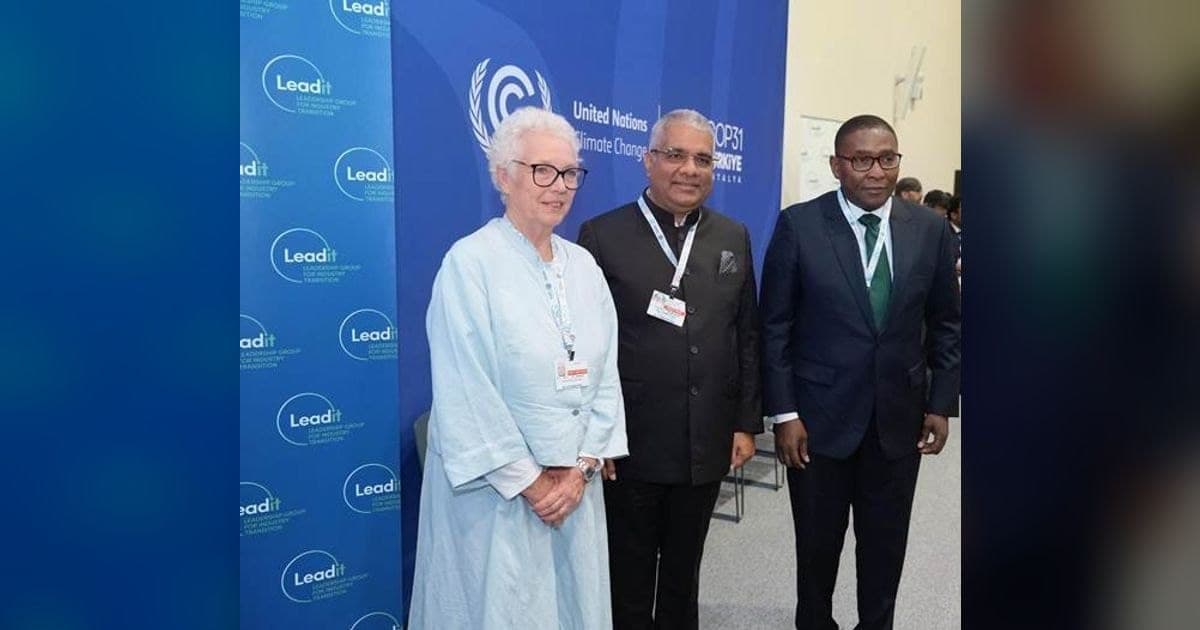
Environment Minister Bhupender Yadav told UNFCCC COP31 at Antalya that the Global South cannot carry the cost of two centuries of historical emissions.
Why in News
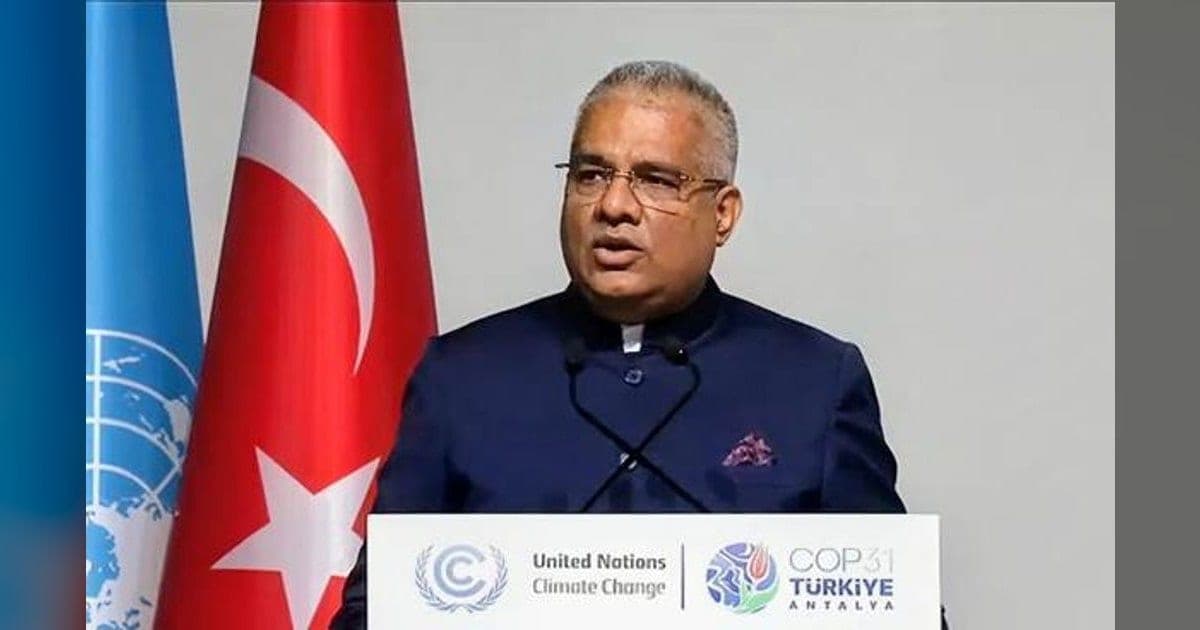
On 18 November 2026 the Environment Ministry released India's National Statement at UNFCCC COP31 in Antalya, Türkiye, in which Bhupender Yadav demanded equity, climate justice and the delivery of promised climate finance.
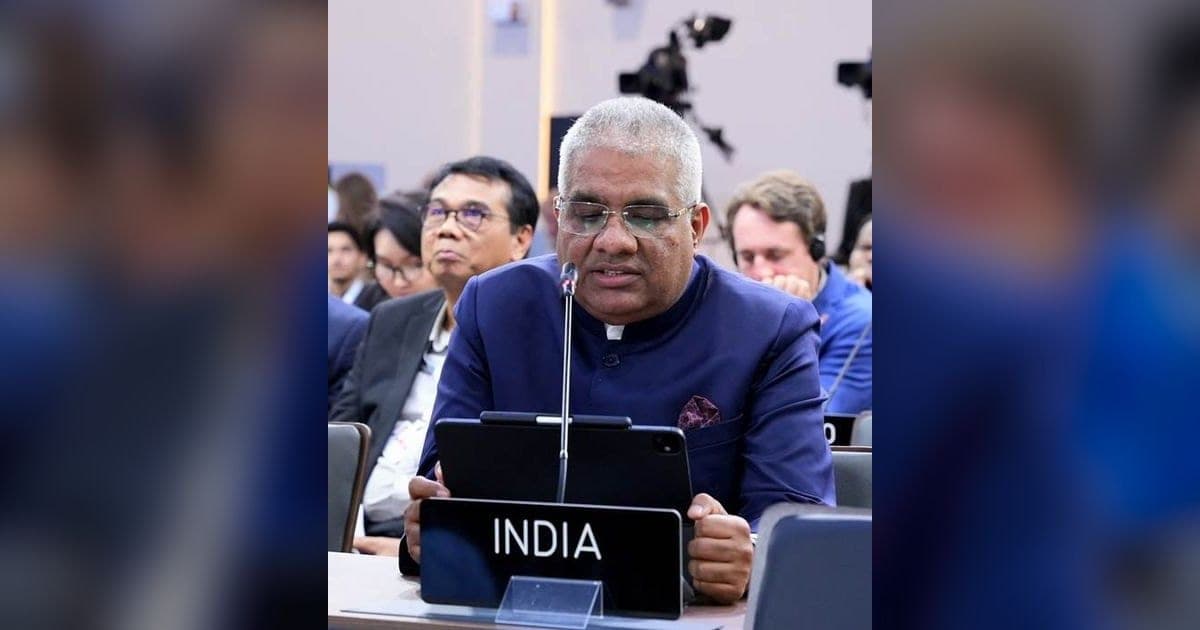
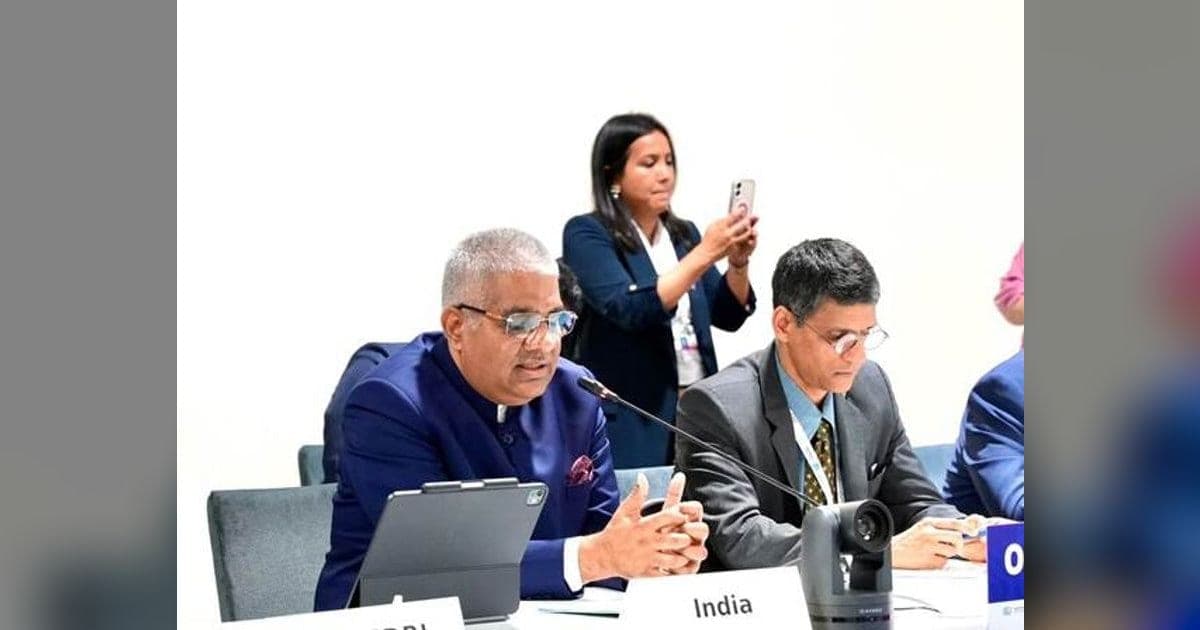
India placed equity at the centre of its pitch at the year's biggest climate meeting. Union Minister for Environment, Forest and Climate Change Bhupender Yadav read out India's National Statement at the UNFCCC COP31 conference being held in Antalya, Türkiye, and argued that fairness, not pressure on poorer nations, has to decide how the world cuts emissions.
The argument India made
Mr Yadav said the heating of the planet follows roughly two centuries of industrial growth in a handful of countries whose greenhouse gases went unchecked. Asking the developing world to pick up the bill for that record, under the banner of greater ambition, is not defensible, he said. Nor, he added, can poorer countries be made to choose between cutting emissions and giving their people development, decent living standards, health care and schooling. Fair access to what is left of the carbon budget, in his words, is not open to bargaining.
Three mechanisms named
The statement set out how India wants key instruments under the climate convention to work. The Mitigation Work Programme should stay helpful and avoid dictating targets to countries. The Global Stocktake should go on serving as a way of informing the parties rather than becoming a scoreboard. The Just Transition Mechanism, India said, must itself rest on equity. The Minister also warned against one-sided trade barriers dressed up as climate measures, which end up punishing developing economies, and asked richer nations to meet their climate finance promises honestly and quickly.
India's own commitments
Mr Yadav linked India's Nationally Determined Contributions to the goal of a developed India by 2047, to be reached along a sustainable path. He said future cooperation must take account of shifting climates, changing populations and new technology. The test of this conference, he concluded, will be measured work on the ground: money reaching the countries that need it and solutions that already work being taken to scale. The conference theme, 'Dialogue, Consensus and Action', was read by India as a sequence, with talks building trust, agreement upholding fairness and action delivering climate justice.
Important Facts
| Event | UNFCCC COP31 climate conference |
|---|---|
| Venue | Antalya, Türkiye |
| Theme | Dialogue, Consensus and Action |
| India represented by | Bhupender Yadav, Union Minister for Environment, Forest and Climate Change |
| Guiding principle urged | CBDR-RC - Common but Differentiated Responsibilities and Respective Capabilities |
| NDC vision | Viksit Bharat by 2047, on a sustainable path |
Exam Point of View
Fix the host city Antalya in Türkiye, the edition COP31, the theme 'Dialogue, Consensus and Action', the minister who spoke, the full form of CBDR-RC, the three instruments named (Mitigation Work Programme, Global Stocktake, Just Transition Mechanism) and the link of India's NDCs to Viksit Bharat by 2047.
Practice Questions
India delivered its National Statement at the UNFCCC COP31 climate conference held in which city?
- A.Antalya, Türkiye
- B.Baku, Azerbaijan
- C.Belem, Brazil
- D.Dubai, United Arab Emirates
Show answer
India's National Statement at the UNFCCC COP31 conference was delivered there by Union Minister for Environment, Forest and Climate Change Bhupender Yadav, who asked that climate action rest on equity, climate justice and the principle of Common but Differentiated Responsibilities and Respective Capabilities.
Read the full explanation →What is the theme of the UNFCCC COP31 climate conference at which India made its National Statement?
- A.Finance, Technology and Transition
- B.Dialogue, Consensus and Action
- C.Equity, Ambition and Delivery
- D.One Earth, One Future
Show answer
That is the theme quoted in India's National Statement, and the Union Environment Minister built his remarks around it, saying honest dialogue, consensus resting on equity and urgent action must guide the global climate effort.
Read the full explanation →In India's COP31 statement, what does the principle CBDR-RC stand for?
- A.Carbon Budget Distribution and Regional Carbon Reduction
- B.Common but Differentiated Responsibilities and Respective Capabilities
- C.Climate Debt and Binding Reduction Commitments
- D.Collective Burden Division and Resource Compensation
Show answer
India asked that decisions taken at the conference, and the way they are carried out, stay firmly grounded in equity and in this principle, which recognises that countries have contributed unequally to the problem and differ in what they can do about it.
Read the full explanation →Frequently Asked Questions
Where is the UNFCCC COP31 climate conference being held?
At Antalya in Türkiye. India's National Statement there was delivered by Union Environment Minister Bhupender Yadav, who pressed for equity, climate justice and the fulfilment of climate finance obligations by developed countries.
What is the theme of COP31?
'Dialogue, Consensus and Action'. India said honest dialogue, consensus built on equity and urgent action must guide the world's climate effort, and that the meeting should be judged by resources actually reaching those who need them.
What does CBDR-RC stand for?
Common but Differentiated Responsibilities and Respective Capabilities. India asked that COP decisions and their implementation stay firmly grounded in this principle along with equity, given the historical emissions of the industrialised world.
Sources
- https://www.pib.gov.in/PressReleasePage.aspx?PRID=2337813 (opens in a new tab) — Press Information Bureau
Current Affairs 18 November 2026
- ICAR-NIHSAD Develops India's First Indigenous H5N1 VaccineScience & Technology
- Rural Development Ministry Issues VB-G RAM G Ombudsperson RulesGovernment Schemes
- Wind Energy: India at 59.20 GW, Eyes 156 GW by 2036Environment
- Indian Navy Marks 50 Years of Maritime Patrol FlyingDefence
- ICMR Crosses 100 Technology Transfer Deals at DHR SummitScience & Technology
- Export Promotion Mission: Niryat Disha Norms RelaxedEconomy
- IEPFA and SEBI Hold Niveshak Shivir in New DelhiBanking & Finance
- DRI Busts Delhi Alprazolam Lab, Seizes 148 kg MaterialNational
Related Current Affairs
- Environment
India Seeks an Open, Equitable Second Global Stocktake at COP31
18 November 2026 · 2 min read
- Summits & Conferences
India Pitches Big Cat Conservation as Climate Action at COP31
17 November 2026 · 2 min read
- Awards & Honours
Ten Films to Vie for ICFT-UNESCO Gandhi Medal at 57th IFFI
16 November 2026 · 2 min read

Related GK
- Forts and Palaces of Rajasthan: Builders and Key Facts
21 October 2026 · Rajasthan
- Devotional Music of India: Bhajan, Kirtan and Qawwali
17 October 2026 · Art & Culture
- Chandigarh GK: Capitol Complex, Sectors and Static Facts
12 October 2026 · Indian States & UTs
Take the Quiz
- Current Affairs Quiz
State Exams Current Affairs Quiz: 18 November 2026
25 questions25 minutesStart Quiz