
India and Japan Hold 12th Roads Working Group Session
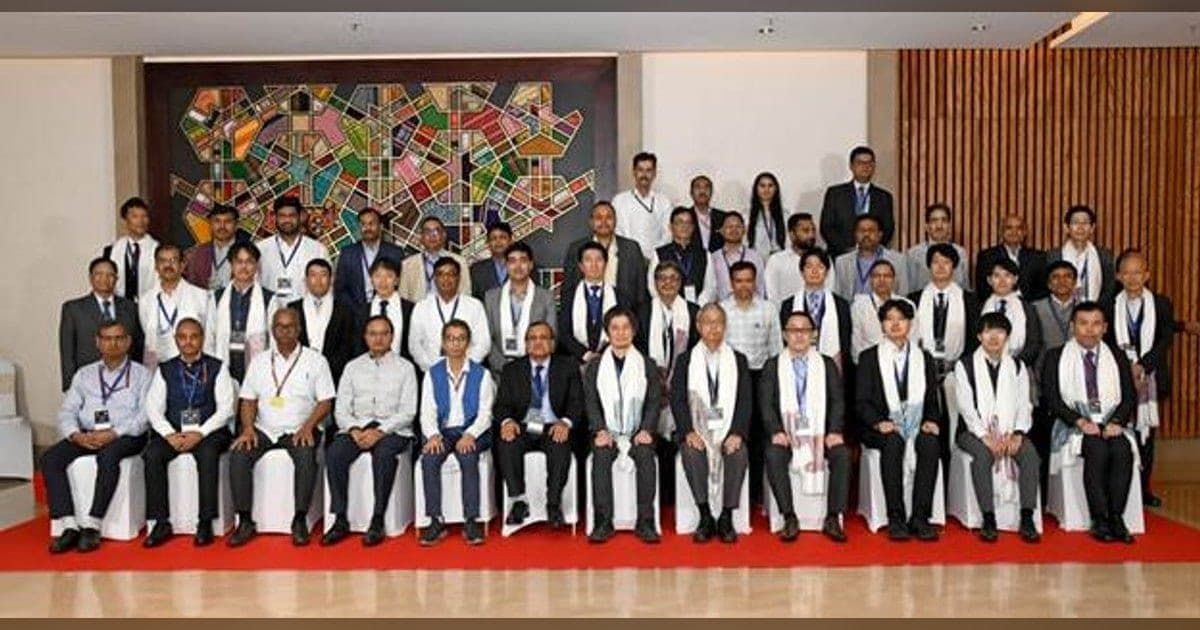
The 12th session of the India-Japan Joint Working Group on the roads and road transportation sector was held at Bharat Mandapam, New Delhi, on 15 October 2026.
Why in News
On 15 October 2026 the Ministry of Road Transport and Highways held the 12th session of the India-Japan Joint Working Group on the roads and road transportation sector at Bharat Mandapam in New Delhi, with an emphasis on construction technology, tunnel and bridge engineering and digital road management.
The 12th session of the India-Japan Joint Working Group (JWG) on the Roads and Road Transportation Sector was held at Bharat Mandapam in New Delhi on 15 October 2026. The Ministry of Road Transport and Highways organised the meeting, which brought together representatives of the Government of India and the Government of Japan along with technical institutions and industry stakeholders from both countries.
What the session is for
The Joint Working Group is the standing platform through which the two governments take bilateral cooperation in road transport forward. This session put its weight on four things: advanced construction technologies, tunnel and bridge engineering, sustainable infrastructure development, and the use of new and digital technologies in managing roads once they are built.
How the talks were carried out
Technical knowledge, working experience and best practices were exchanged between the two sides, and the discussion went on to look for openings for closer collaboration in the planning, construction, operation and maintenance of road infrastructure. Experts and representatives from Indian and Japanese technical institutions and from industry made technical presentations, and these were followed by interactive question and answer sessions on innovative technologies and sustainable practices.
A whole of government approach
The meeting was not confined to one ministry. Under a whole of government approach, the Ministry of Railways and the Ministry of Power also took active part, which matters because a highway alignment, a rail corridor and a transmission line frequently share the same ground and the same clearances.
The policy frame
The session was placed within the vision of Viksit Bharat @2047, articulated by Prime Minister Narendra Modi, which looks to India becoming a developed nation by the centenary of its Independence, supporting economic growth, improving connectivity, strengthening logistics efficiency and widening access to opportunity across regions. The Union Minister for Road Transport and Highways, Nitin Gadkari, has pressed for road infrastructure that is world class, safe, efficient, sustainable and technology driven, bridges and tunnels included, so that it serves growth while improving the convenience and quality of life of citizens.
Why it matters
The session closed by reaffirming the value of India-Japan cooperation in road and transport infrastructure through technological innovation, sustainable construction practices and the exchange of technical expertise.
Important Facts
| Event | 12th session, India-Japan Joint Working Group on the Roads and Road Transportation Sector |
|---|---|
| Venue | Bharat Mandapam, New Delhi |
| Date | 15 October 2026 |
| Organised by | Ministry of Road Transport and Highways |
| Other ministries present | Ministry of Railways and Ministry of Power |
| Focus areas | Advanced construction technologies, tunnel and bridge engineering, sustainable infrastructure, digital road management |
| Policy vision | Viksit Bharat @2047 |
| Union Minister for Road Transport and Highways | Nitin Gadkari |
Exam Point of View
Remember the edition (12th session), the two countries (India and Japan), the subject (roads and road transportation), the venue (Bharat Mandapam, New Delhi), the date (15 October 2026) and the organiser (Ministry of Road Transport and Highways). Note also that the Ministry of Railways and the Ministry of Power joined under a whole of government approach, and that the session was tied to Viksit Bharat @2047.
Practice Questions
Which session of the India-Japan Joint Working Group on the roads and road transportation sector was held in New Delhi on 15 October 2026?
- A.The 9th session
- B.The 10th session
- C.The 12th session
- D.The 14th session
Show answer
The correct answer is the 12th session, held at Bharat Mandapam in New Delhi and organised by the Ministry of Road Transport and Highways.
Read the full explanation →Which two ministries, besides the Ministry of Road Transport and Highways, took active part in the India-Japan Joint Working Group session on roads?
- A.Ministry of Railways and Ministry of Power
- B.Ministry of Shipping and Ministry of Civil Aviation
- C.Ministry of Finance and Ministry of Commerce
- D.Ministry of Housing and Ministry of Environment
Show answer
Their presence is logical rather than ceremonial, because a highway alignment, a railway corridor and a power transmission line often compete for the same land and the same clearances, so decisions taken on one affect the others.
Read the full explanation →The vision of Viksit Bharat @2047, referred to at the session, looks to India becoming a developed nation by which landmark?
- A.The centenary of the Constitution coming into force
- B.The centenary of Indian Independence
- C.The seventy-fifth year of the Republic
- D.The bicentenary of the first Indian railway line
Show answer
The vision of Viksit Bharat @2047, articulated by Prime Minister Narendra Modi, envisages India as a developed nation by the hundredth year of its Independence, and the session on roads was explicitly aligned with it through the goals of supporting economic growth, improving connectivity, strengthening logistics efficiency and widening access…
Read the full explanation →Frequently Asked Questions
Where was the 12th session of the India-Japan Joint Working Group on roads held?
At Bharat Mandapam in New Delhi on 15 October 2026. The Ministry of Road Transport and Highways organised it, with representatives of the Government of India and the Government of Japan taking part along with institutions and industry.
Which subjects did the session concentrate on?
Advanced construction technologies, tunnel and bridge engineering, sustainable infrastructure development and the application of new and digital technologies in road management, along with the planning, construction, operation and maintenance of road infrastructure.
Which other ministries took part in the meeting?
The Ministry of Railways and the Ministry of Power took active part under a whole of government approach, besides the Ministry of Road Transport and Highways which organised the session.
Sources
- https://www.pib.gov.in/PressReleasePage.aspx?PRID=2324100 (opens in a new tab) — Press Information Bureau
Current Affairs 15 October 2026
- DDU-GKY 2.0 Captive Employer CXO Meet Held in JaipurGovernment Schemes
- BHASHINI Division and Manipur Sign MoU on Multilingual AIScience & Technology
- Tribal Languages Working Group Meets for the First TimeNational
- Bhupender Yadav Chairs 27th G.B. Pant Society MeetingEnvironment
- Special Campaign 6 Review Covers 84 MinistriesNational
- Women's Labour Force Participation Rate Rises to 40 Per CentEconomy
- Rajnath Singh Flags 5D Security Threat at Defence ConclaveDefence
- Vice-President Inaugurates KAUMARACON-2026 at AIIA DelhiSummits & Conferences
Related Current Affairs
- International
Milton Dick of Australia Elected President of the IPU at Arusha
10 October 2026 · 2 min read
Related GK
- UP Minerals, Industries and ODOP: Districts and Products
15 October 2026 · Uttar Pradesh
- Rajasthan Irrigation and Water Projects: Canals and Dams
15 October 2026 · Rajasthan
- MP Minerals and Energy: Panna Diamonds and Singrauli
15 October 2026 · Madhya Pradesh
Take the Quiz
- Current Affairs Quiz
RRB JE Current Affairs Quiz: 15 October 2026
10 questions10 minutesStart Quiz