
Green Hydrogen Mission: Rs 19,744 Crore for 5 MMT by 2030
A government backgrounder sets out the National Green Hydrogen Mission's Rs 19,744 crore outlay, its 5 MMT target for 2030 and progress on incentives.
Why in News
On 2 November 2026 the government issued a backgrounder on green hydrogen, setting out the National Green Hydrogen Mission's Rs 19,744 crore outlay, its target of 5 million metric tonnes a year by 2030 and the progress made on incentives, pilots and hubs.
The government has published an account of where India stands on green hydrogen, the fuel made by splitting water with renewable electricity. Because it burns to leave only water and heat, it is being pushed into industries where emissions are hardest to cut: fertiliser, petroleum refining, iron and steel, heavy road transport and shipping. It also feeds India's aim of net-zero emissions by 2070.
What counts as green
Hydrogen itself releases no carbon dioxide when used, so everything depends on how it is made. In August 2023 the Ministry of New and Renewable Energy notified India's Green Hydrogen Standard: hydrogen qualifies only if emissions stay within 2 kg of carbon dioxide equivalent for each kilogram of hydrogen, measured well-to-gate as a twelve-month average. India was among the first countries to put such a definition in writing.
The Mission and its money
The Union Cabinet cleared the National Green Hydrogen Mission in January 2023 with an outlay of Rs 19,744 crore. It targets production capacity of at least 5 million metric tonnes a year by 2030, which could rise to 10 million metric tonnes if export demand holds. Its biggest component, the Strategic Interventions for Green Hydrogen Transition programme or SIGHT, carries Rs 17,490 crore up to 2029-30 and pays incentives on two sides of the market: making electrolysers at home and producing the hydrogen itself.
What has been achieved
| Electrolyser manufacturing | Incentives to 15 companies for 3,000 MW a year |
| Production capacity | Incentives awarded for 8,62,000 tonnes a year; about 8,000 tonnes a year commissioned by February 2026 |
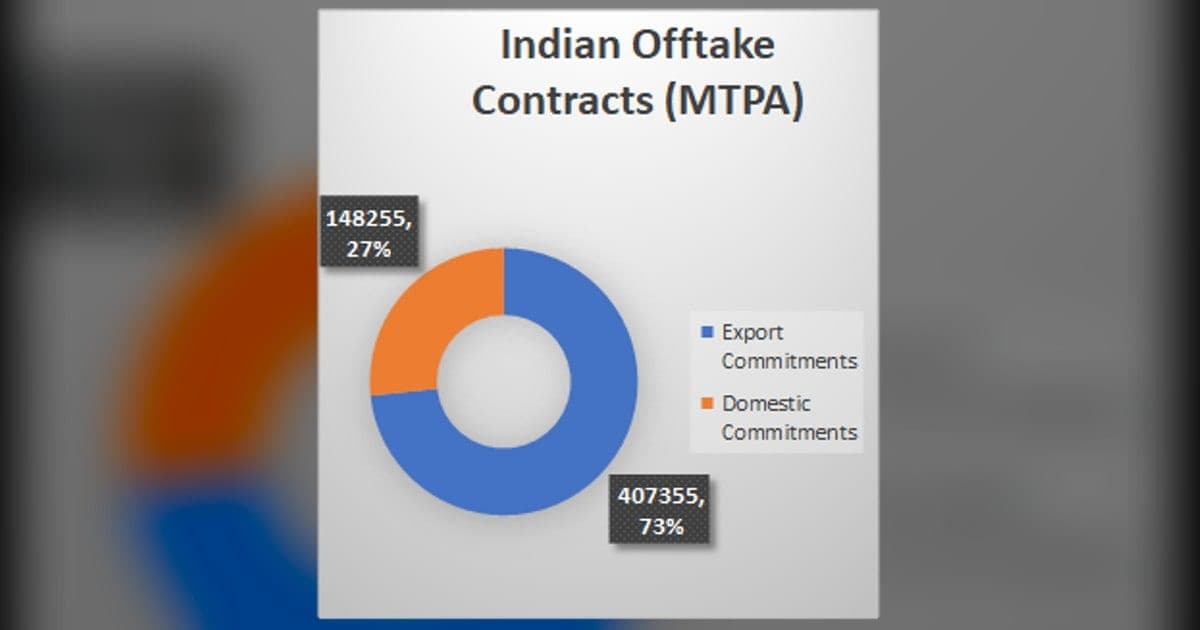
| Offtake commitments | Over 5.5 lakh MTPA signed by Indian companies, the largest such commitments anywhere |
| Skilling | 8,149 candidates trained and 7,248 certified across 14 states and union territories |
Pilots, hubs and clusters
Pilot money has been earmarked at Rs 455 crore for low-carbon steel, Rs 496 crore for mobility and Rs 115 crore for shipping. Five steel pilots are sanctioned, and twelve mobility projects will put seventy hydrogen vehicles on the road along with sixteen refuelling stations across twenty-one routes. Deendayal Port at Kandla, V.O. Chidambaranar Port at Tuticorin and Paradip Port have been recognised as hydrogen hubs, and four Hydrogen Valley Innovation Clusters were awarded to Jodhpur, Odisha, Pune and Kerala. An indigenously built 1 MW plant was commissioned at Kandla in July 2025.
Rules that lower the cost
Plants commissioned by 31 December 2030 are exempt from inter-state transmission charges for twenty-five years. Open Access is to be granted within fifteen days and surplus renewable power may be banked for up to thirty days. Standalone electrolysis plants have been exempted from prior environmental clearance, and duty benefits under the Special Economic Zones Act, 2005 have been extended to captive renewable equipment. Six states, namely Gujarat, Andhra Pradesh, Maharashtra, Uttar Pradesh, Rajasthan and West Bengal, have notified dedicated green hydrogen policies.
Important Facts
| Mission | National Green Hydrogen Mission (NGHM), implemented by the Ministry of New and Renewable Energy |
|---|---|
| Approved | January 2023 by the Union Cabinet |
| Outlay | Rs 19,744 crore |
| Target | At least 5 million metric tonnes a year by 2030, up to 10 MMT with export demand |
| Green Hydrogen Standard | Notified August 2023; at most 2 kg carbon dioxide equivalent per kg of hydrogen, well-to-gate, twelve-month average |
| SIGHT outlay | Rs 17,490 crore up to 2029-30 |
| Electrolyser incentives | 15 companies, 3,000 MW per annum |
| Production incentives | 8,62,000 tonnes per annum; about 8,000 tonnes per annum commissioned by February 2026 |
| Pilot allocations | Rs 455 crore for steel, Rs 496 crore for mobility, Rs 115 crore for shipping |
| Recognised hubs | Deendayal Port (Kandla), V.O. Chidambaranar Port (Tuticorin), Paradip Port |
| Hydrogen Valley Innovation Clusters | Jodhpur, Odisha, Pune and Kerala |
| States with dedicated policies | Gujarat, Andhra Pradesh, Maharashtra, Uttar Pradesh, Rajasthan, West Bengal |
Exam Point of View
Remember the Mission's approval (January 2023), outlay (Rs 19,744 crore) and target (5 MMT a year by 2030, up to 10 MMT with exports); the Green Hydrogen Standard of August 2023 with its ceiling of 2 kg carbon dioxide equivalent per kg; the SIGHT outlay of Rs 17,490 crore; the three recognised hubs; the four Hydrogen Valley Innovation Clusters; the twenty-five year exemption from inter-state transmission charges for plants commissioned by 31 December 2030; and the six states with dedicated policies.
Practice Questions
What is the outlay approved by the Union Cabinet for the National Green Hydrogen Mission?
- A.Rs 9,744 crore
- B.Rs 17,490 crore
- C.Rs 19,744 crore
- D.Rs 24,000 crore
Show answer
The Union Cabinet approved the Mission in January 2023 with this outlay, and the Ministry of New and Renewable Energy is implementing it with the aim of making India a global hub for green hydrogen and its derivatives.
Read the full explanation →Under India's Green Hydrogen Standard, what is the maximum permitted emission for hydrogen to be called green?
- A.1 kg of carbon dioxide equivalent per kg of hydrogen
- B.2 kg of carbon dioxide equivalent per kg of hydrogen
- C.5 kg of carbon dioxide equivalent per kg of hydrogen
- D.9 kg of carbon dioxide equivalent per kg of hydrogen
Show answer
The standard was notified by the Ministry of New and Renewable Energy in August 2023, is measured on a well-to-gate basis and is assessed as a twelve-month average, and it made India one of the first few countries to define green hydrogen formally.
Read the full explanation →Green hydrogen plants commissioned by 31 December 2030 are exempt from inter-state transmission system charges for how many years?
- A.10 years
- B.15 years
- C.20 years
- D.25 years
Show answer
Green hydrogen and green ammonia plants commissioned by the end of December 2030 are exempt from inter-state transmission system charges for a quarter of a century, which lowers the cost of moving renewable power across state boundaries to such plants.
Read the full explanation →Four Hydrogen Valley Innovation Clusters have been awarded. Which of these is one of them?
- A.Jodhpur
- B.Kandla
- C.Tuticorin
- D.Paradip
Show answer
The four Hydrogen Valley Innovation Clusters awarded under the Mission are Jodhpur, Odisha, Pune and Kerala. These clusters bring production, consumption and infrastructure together in one area, which improves project viability and allows economies of scale, since hydrogen is difficult to transport.
Read the full explanation →Frequently Asked Questions
What is the outlay and target of the National Green Hydrogen Mission?
The Union Cabinet approved it in January 2023 with an outlay of Rs 19,744 crore. It targets production capacity of at least 5 million metric tonnes a year by 2030, which could reach 10 million metric tonnes if export demand develops.
When does hydrogen qualify as green in India?
Under the Green Hydrogen Standard notified by the Ministry of New and Renewable Energy in August 2023, emissions must not exceed 2 kg of carbon dioxide equivalent for each kilogram of hydrogen, on a well-to-gate basis averaged over twelve months.
Which ports have been recognised as green hydrogen hubs?
Deendayal Port at Kandla in Gujarat, V.O. Chidambaranar Port at Tuticorin in Tamil Nadu and Paradip Port in Odisha. An indigenously built 1 MW green hydrogen plant was commissioned at Kandla Port in July 2025.
What is SIGHT?
The Strategic Interventions for Green Hydrogen Transition programme, a key component of the Mission with an outlay of Rs 17,490 crore up to 2029-30. It gives incentives for domestic electrolyser manufacturing and for green hydrogen production.
Sources
- https://www.pib.gov.in/PressReleasePage.aspx?PRID=2331561 (opens in a new tab) — Press Information Bureau
Current Affairs 2 November 2026
- India-EU Talks: Commerce Secretary Rajesh Agrawal Meets EC OfficialsInternational
- Sacred Piprahwa Buddha Relics Reach Tawang Monastery in ArunachalNational
- Sikkim Dairy Projects Worth Rs 251.56 Lakh Under White Revolution 2.0Government Schemes
- MoD Signs Rs 53,866.50 Crore Deal for 8 Next Generation CorvettesDefence
- Captive and Commercial Coal Mines Produce 22.03 MT in October 2026Economy
- VB-G RAM G Grievance Redressal Rules, 2026 Notified for Rural JobsGovernment Schemes
- Khet Bachaao Abhiyaan-Rabi 2026 Covers 700 Districts, 50 Lakh FarmersGovernment Schemes
- JanHIT: First National Orientation of Tribal Healers at HyderabadNational
Related Current Affairs
- Environment
PM Surya Ghar, PM-KUSUM Drive Solar Push Towards 500 GW Target
2 November 2026 · 2 min read
- Environment
Delhi Logs Best October Air Quality in Eight Years at AQI 166
31 October 2026 · 2 min read
Related GK
- Famous Personalities of Rajasthan: Exam Notes
28 October 2026 · Rajasthan
- Districts and Divisions of Rajasthan: Exam Notes
28 October 2026 · Rajasthan
- Tourism and World Heritage Sites of Rajasthan Notes
27 October 2026 · Rajasthan
Take the Quiz
- Current Affairs Quiz
Banking Current Affairs Quiz: 2 November 2026
25 questions25 minutesStart Quiz