
Vijaya Dashami Address: 650 Antiquities Returned in 12 Years
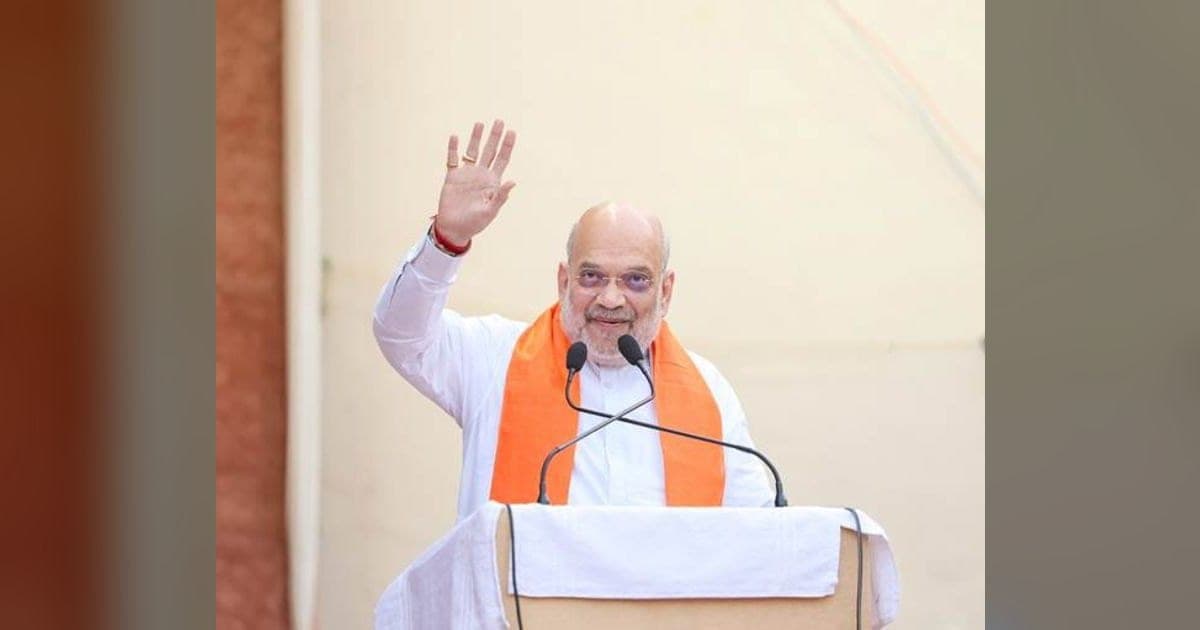
At Ramlila Maidan in Delhi, Prime Minister Narendra Modi said over 650 ancient idols had been brought back to India across the past 12 years.
Why in News
On 20 October 2026 Prime Minister Narendra Modi addressed the Vijaya Dashami celebrations at Ramlila Maidan in Delhi, where he put the antiquities repatriation figure at more than 650 idols in 12 years and pointed to Deepavali's inscription on UNESCO's Intangible Cultural Heritage of Humanity list.
Prime Minister Narendra Modi took part in the Vijaya Dashami celebrations at Ramlila Maidan in Delhi on 20 October 2026. Alongside the festive greetings, his address carried several facts that an aspirant can be questioned on: a repatriation figure for stolen antiquities, a fresh UNESCO listing for an Indian festival, and a governance formula drawn from the idea of Ramrajya.
Antiquities brought home
The most quotable number of the evening concerned heritage recovery. The Prime Minister said that more than 650 ancient idols have been returned to the country in the preceding 12 years. He placed this against the long stretch in which sculptures and relics were taken out of India, and argued that a nation advances only when it carries a settled sense of self-respect, which in turn rests on its inherited culture.
UNESCO listings
He next turned to global recognition for Indian cultural sites. A number of places in the country have been written into the UNESCO World Heritage list in recent years, he said. He added that Deepavali was taken on to UNESCO's Intangible Cultural Heritage of Humanity list in the previous year, and credited that outcome to the combined willpower of crores of Indians rather than to any single effort.
Ramrajya as a governance yardstick
Describing the rule established after Lord Ram's return to Ayodhya, the Prime Minister called Ramrajya a benchmark for administration in which nobody faces discrimination, everybody receives justice and equal opportunity, and authority exists for public welfare instead of command. He cited Goswami Tulsidas on the absence of suffering under such a rule, and asked the administration to work by the mantra of Nagrik Devo Bhava, treating the citizen as divine, with service of the poor and the deprived kept above everything else.
Self-reliance and Nation First
From Lord Ram's crossing to Lanka he drew a lesson in self-reliance: rather than depending on others in a crisis, collective public participation was awakened and available resources were pooled. He asked citizens to apply that method to the goals of a Viksit Bharat and an Aatmanirbhar Bharat. Quoting the Vedic line on shared counsel, he urged every institution and political party to stand together in the national interest, and called for a Nation First pledge against forces that hurt national honour, split society or despise Indian culture. He closed by recalling the resolutions of the Pran Pratishtha ceremony at the Ayodhya temple and the vision of 'Ram Se Rashtra' and 'Dev Se Desh'.
Important Facts
| Occasion | Vijaya Dashami celebrations |
|---|---|
| Venue | Ramlila Maidan, Delhi |
| Date | 20 October 2026 |
| Antiquities repatriated | More than 650 ancient idols in the past 12 years |
| UNESCO listing cited | Deepavali on the Intangible Cultural Heritage of Humanity list |
| Governance mantra | Nagrik Devo Bhava |
| Vision recalled | 'Ram Se Rashtra' and 'Dev Se Desh' |
| Goals named | Viksit Bharat and Aatmanirbhar Bharat |
Exam Point of View
Remember the venue (Ramlila Maidan, Delhi), the date (20 October 2026), the repatriation figure (over 650 ancient idols in 12 years), the UNESCO Intangible Cultural Heritage listing for Deepavali, the governance mantra Nagrik Devo Bhava, and the twin phrases 'Ram Se Rashtra' and 'Dev Se Desh'.
Practice Questions
How many ancient idols have been brought back to India in the past 12 years, as stated in the Vijaya Dashami address of 20 October 2026?
- A.More than 350
- B.More than 450
- C.More than 650
- D.More than 850
Show answer
Speaking at the Vijaya Dashami celebrations at Ramlila Maidan in Delhi, the Prime Minister said that over 650 ancient idols have been returned to the country during the preceding 12 years, reversing a long period in which heritage objects were carried out of India.
Read the full explanation →Which Indian festival was described in the address as having been inscribed on UNESCO's Intangible Cultural Heritage of Humanity list?
- A.Holi
- B.Deepavali
- C.Chhath
- D.Navratri
Show answer
While speaking about the standing of Indian culture abroad, the Prime Minister observed that many places in the country have entered the UNESCO World Heritage list in recent years, and that Deepavali was taken on to UNESCO's Intangible Cultural Heritage of Humanity list in the previous year.
Read the full explanation →Which mantra did the Prime Minister ask the administration to follow while describing Ramrajya as a yardstick of governance?
- A.Jan Bhagidari
- B.Nagrik Devo Bhava
- C.Sabka Saath, Sabka Vikas
- D.Atithi Devo Bhava
Show answer
Describing the rule set up after Lord Ram returned to Ayodhya, the Prime Minister called Ramrajya a benchmark of non-discriminatory governance in which everyone receives justice and equal opportunity and authority works for public welfare rather than for command.
Read the full explanation →Frequently Asked Questions
How many ancient idols has India brought back, as stated in the Vijaya Dashami address?
More than 650 ancient idols have been returned to India over the past 12 years, the Prime Minister said at Ramlila Maidan in Delhi on 20 October 2026.
Which Indian festival is on UNESCO's Intangible Cultural Heritage of Humanity list?
Deepavali. The Prime Minister noted that it was inscribed in the previous year and called it the result of the collective willpower of crores of Indians.
What governance mantra did the Prime Minister ask the administration to follow?
Nagrik Devo Bhava, treating the citizen as divine, with the service of the poor and the deprived kept above everything else, drawn from the idea of Ramrajya.
Sources
- https://www.pib.gov.in/PressReleasePage.aspx?PRID=2325573 (opens in a new tab) — Press Information Bureau
- दिल्ली में विजय दशमी समारोह में प्रधानमंत्री के संबोधन का मूल पाठ (opens in a new tab) — Press Information Bureau
Current Affairs 20 October 2026
- UDAN Completes 10 Years, Modified UDAN Opens Next PhaseGovernment Schemes
- Green Diwali Campaign Launched for 130 NCAP CitiesEnvironment
- Rajnath Singh at 25th SCO Heads of Government Meet in DushanbeSummits & Conferences
- India Targets 100 GW Nuclear Power Capacity by 2047Science & Technology
- Shilp Samagam Mela 2026 Opens in Guwahati With 75 ArtisansGovernment Schemes
- Shilp Samagam Mela 2026 Concludes in Mysuru, KarnatakaGovernment Schemes
- India Wins Two Bronze Medals at Asian Para Games 2026Sports
- Deepthi Jeevanji Defends 400m T20 Gold With Games RecordSports
Related Current Affairs
- Summits & Conferences
Brihattar Bharat Conference Opens at Vigyan Bhawan in Delhi
14 October 2026 · 2 min read
Related GK
- Devotional Music of India: Bhajan, Kirtan and Qawwali
17 October 2026 · Art & Culture
- Chandigarh GK: Capitol Complex, Sectors and Static Facts
12 October 2026 · Indian States & UTs
- UNESCO Creative Cities and Memory of the World: India
12 October 2026 · Art & Culture
Take the Quiz
- Current Affairs Quiz
State Exams Current Affairs Quiz: 20 October 2026
25 questions25 minutesStart Quiz