
VB-G RAM G: Centre Marks 22 Fodder and Livestock Works
The Rural Development and Animal Husbandry departments issued a joint advisory on 5 November 2026 marking 22 works for fodder and livestock assets.

Why in News
On 5 November 2026 the Department of Rural Development and the Department of Animal Husbandry and Dairying issued a joint advisory to all States and Union Territories, marking 22 permissible works under the VB-G RAM G Act, 2025 for fodder production, pasture development and livestock-supportive infrastructure.
Two Union departments have agreed to turn India's rural employment law on the shortage of cattle feed. The Department of Rural Development, under the Ministry of Rural Development, and the Department of Animal Husbandry and Dairying, under the Ministry of Fisheries, Animal Husbandry and Dairying, sent a joint advisory to every State and Union Territory on 5 November 2026. It asks them to build fodder security, grazing land and livestock-supportive infrastructure by pooling effort under the VB-G RAM G Act, 2025.
The law behind the move
VB-G RAM G is short for Viksit Bharat-Guarantee for Rozgar and Ajeevika Mission (Gramin). The Act took effect on 1 July 2026 and promises each rural household 125 days of paid work in a year by statute. It also directs that the work leave behind lasting assets in four thematic areas, among them livelihood infrastructure and the mitigation of extreme weather events. The advisory treats that framework as the vehicle for feeding the country's animals, and takes what the departments call a whole-of-government approach.
22 works picked out of 375
Of the 375 works the Act permits, the two departments have marked 22 as relevant to animals and their feed. The list covers fodder growing by single households and by communities; community fodder resources, pastures, grazing land and silvipasture; fodder banks, silage units and storage; shelters for cattle, goats, pigs and poultry; community milk collection centres; community veterinary health centres; cattle and animal troughs; and Azolla tanks for individual beneficiaries.
What states have been asked to do
Planning stays with the Gram Sabha and with Panchayati Raj Institutions, and fodder work is to be written into Viksit Gram Panchayat Plans. States should lift spending on fodder and livestock works over time to at least 5 per cent of total programme expenditure, and give particular attention to panchayats where more than 30 per cent of people live off livestock. A need-based saturation approach is advised for picking eligible households. The fodder resource plans drawn up by the ICAR-Indian Grassland and Fodder Research Institute are to guide district and block planning, and climate-resilient choices such as perennial grasses are encouraged. Statutory safeguards hold: social audit is compulsory, the material component is capped at 40 per cent at district level, beneficiaries are selected under Schedule I, and public disclosure is weekly. States must also prepare full State Action Plans through convergence among the rural development, animal husbandry and agriculture departments, an effort the departments tie to Viksit Bharat @2047.
Important Facts
| Advisory issued by | Department of Rural Development (Ministry of Rural Development) and Department of Animal Husbandry and Dairying (Ministry of Fisheries, Animal Husbandry and Dairying) |
|---|---|
| Law used | VB-G RAM G Act, 2025 |
| Full form | Viksit Bharat-Guarantee for Rozgar and Ajeevika Mission (Gramin) |
| In force from | 1 July 2026 |
| Employment guarantee | 125 days per rural household |
| Works marked for fodder and livestock | 22, out of 375 permissible works |
| Expenditure goal | At least 5 per cent of total programme expenditure |
| Livestock-dependence focus | Panchayats with more than 30 per cent livestock-dependent population |
| Material component ceiling | 40 per cent at district level |
| Planning instrument | Viksit Gram Panchayat Plans (VGPPs), approved by the Gram Sabha |
| Technical guidance | ICAR-Indian Grassland and Fodder Research Institute (ICAR-IGFRI) |
Exam Point of View
Remember the two departments and the ministries they sit in, the count of works marked (22) out of 375 permissible works, the Act's name and year (VB-G RAM G Act, 2025), the date it came into force (1 July 2026), the 125-day employment guarantee, the 5 per cent expenditure goal, the 30 per cent livestock-dependence threshold, the 40 per cent district ceiling on the material component, Schedule I for beneficiary selection and ICAR-IGFRI as the technical guide.
Practice Questions
Under the VB-G RAM G Act, how many of the permissible works have been marked by the Centre for fodder and livestock-related infrastructure?
- A.12
- B.22
- C.32
- D.48
Show answer
The joint advisory of the Department of Rural Development and the Department of Animal Husbandry and Dairying picks out exactly 22 works from the 375 works that the VB-G RAM G Act permits.
Read the full explanation →How many days of wage employment per rural household does the VB-G RAM G Act, 2025 guarantee?
- A.100 days
- B.125 days
- C.150 days
- D.180 days
Show answer
The Viksit Bharat-Guarantee for Rozgar and Ajeevika Mission (Gramin) Act, 2025, came into force on 1 July 2026 and carries a statutory guarantee of 125 days of wage employment for every rural household in a year.
Read the full explanation →Which institute has prepared the State-specific Fodder Resource Development Plans that will guide district and block level planning under the advisory?
- A.ICAR-Indian Grassland and Fodder Research Institute
- B.National Dairy Development Board
- C.ICAR-Indian Veterinary Research Institute
- D.National Institute of Animal Nutrition and Physiology
Show answer
The joint advisory names the State-specific Fodder Resource Development Plans prepared by this institute as guiding documents for planning at the district and block levels, and alongside them it encourages climate-resilient choices such as suitable fodder varieties, perennial grasses and integrated crop-livestock systems.
Read the full explanation →As per the joint advisory, what is the district-level ceiling on the material component of fodder and livestock works under VB-G RAM G?
- A.25 per cent
- B.30 per cent
- C.40 per cent
- D.60 per cent
Show answer
The advisory repeats that every fodder development and livestock-supportive work must obey the provisions of the VB-G RAM G Act, 2025, and among the safeguards it lists is a district-level ceiling of 40 per cent on the material component.
Read the full explanation →Frequently Asked Questions
How many permissible works under VB-G RAM G have been marked for fodder and livestock?
22, drawn from the 375 works the Act permits. They cover fodder cultivation and storage, pasture and silvipasture development, livestock shelters, community milk collection centres, veterinary health centres, animal troughs and Azolla tanks.
What does the VB-G RAM G Act, 2025 guarantee?
It came into force on 1 July 2026 and gives every rural household a statutory guarantee of 125 days of wage employment, along with the creation of durable assets in four thematic areas.
How much should states spend on fodder and livestock works?
The advisory asks States and Union Territories to raise such spending step by step to at least 5 per cent of total programme expenditure, where local needs and approved plans support it.
Sources
Current Affairs 5 November 2026
- 4th Conference of Mining Ministers Begins in GoaSummits & Conferences
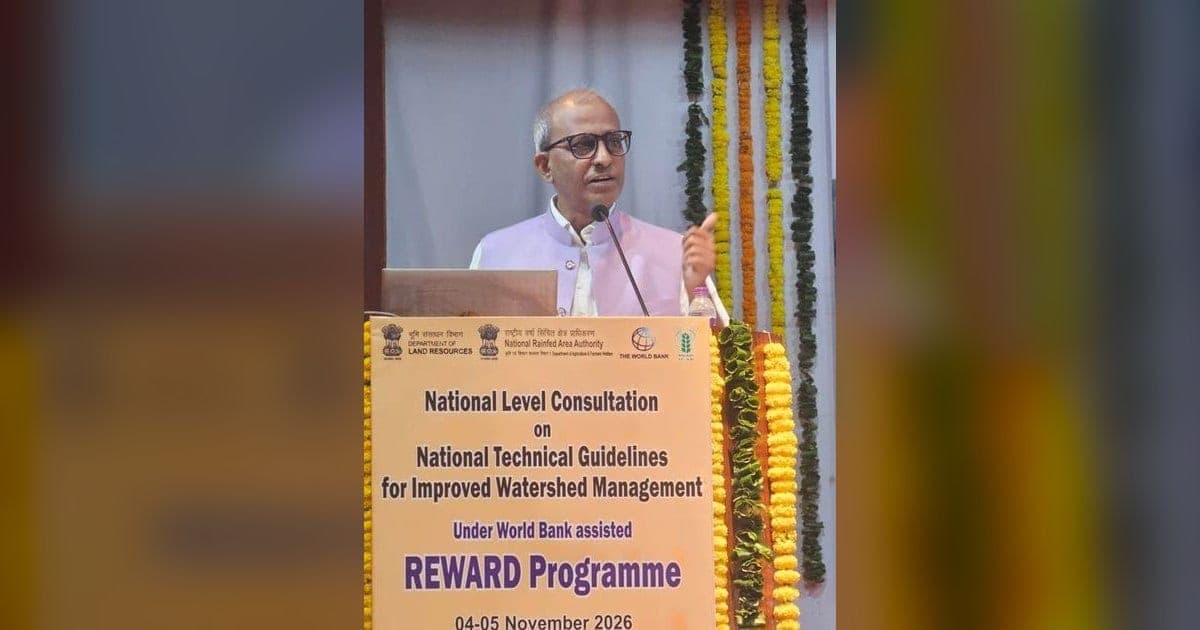
- Watershed Guidelines: 3rd National Consultation in NagpurGovernment Schemes
- NHRC Push Sets Up Gender-Neutral Cell in Hyderabad JailNational
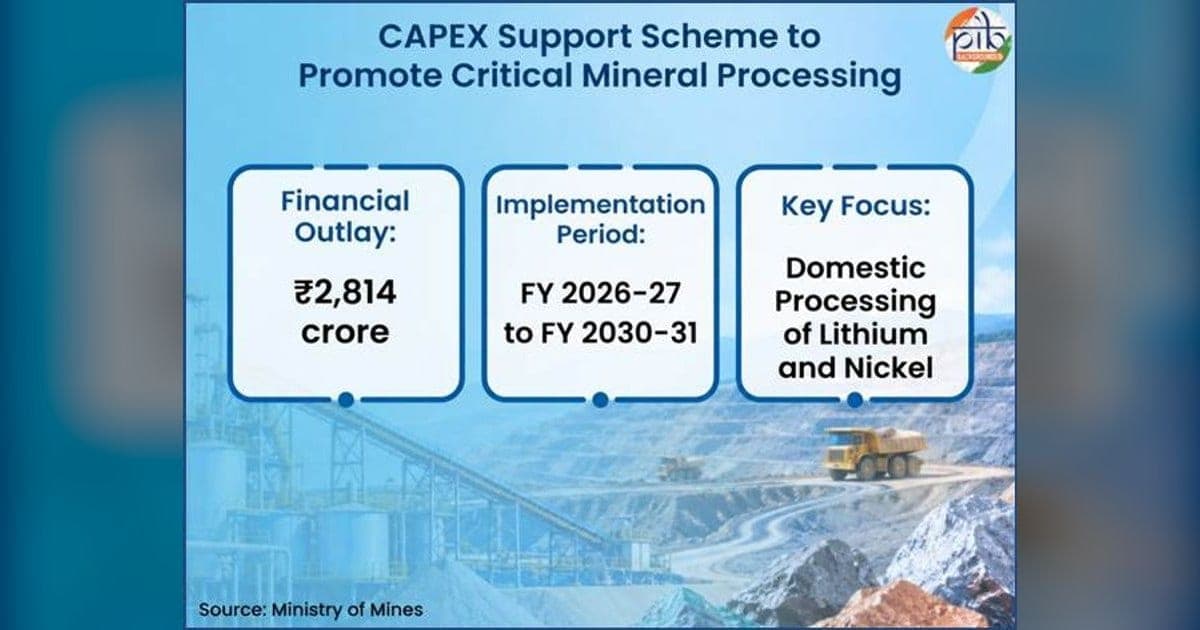
- CAPEX Scheme Backs Lithium, Nickel Units with Rs 2,814 CroreGovernment Schemes
- BIS Hallmarking: 65 Crore Gold Articles Carry HUID CodeNational
- Railways Wins PM Surya Ghar Excellence Award from VPAwards & Honours
- AIIMS Awantipora OPD to Open Before December 2026National
- SRI Fund Has Backed 824 MSMEs with Rs 21,330 CroreEconomy
Related Current Affairs
- Government Schemes
CAPEX Scheme Backs Lithium, Nickel Units with Rs 2,814 Crore
5 November 2026 · 2 min read
- Government Schemes
Watershed Guidelines: 3rd National Consultation in Nagpur
5 November 2026 · 2 min read
- Government Schemes
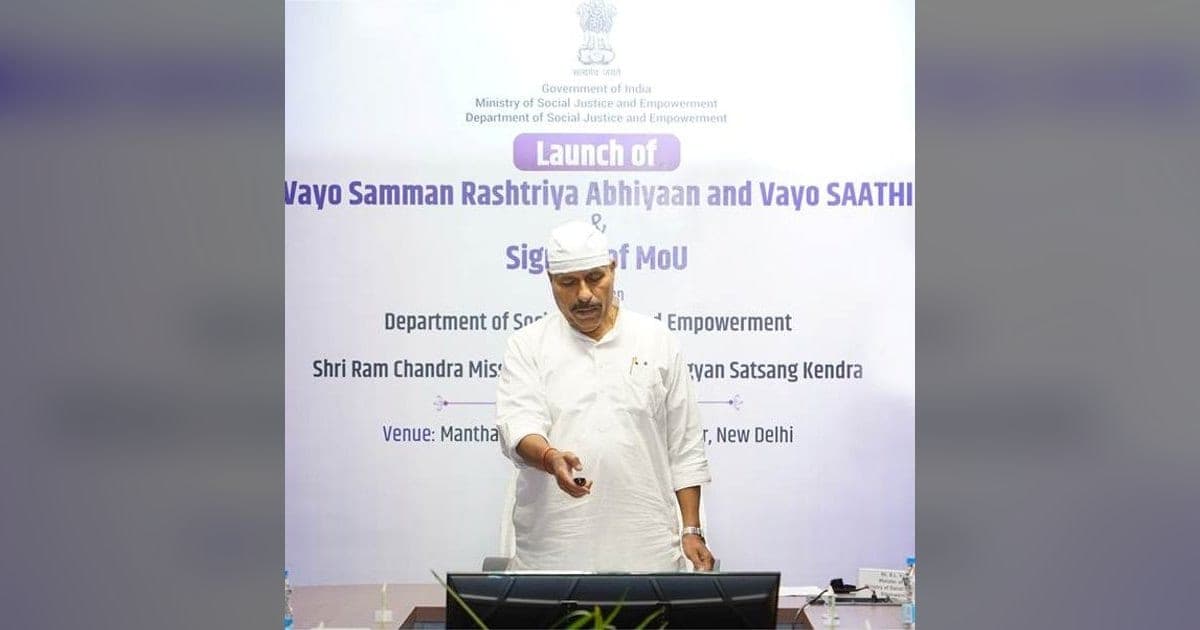
Vayo Samman Rashtriya Abhiyan Launched for Senior Citizens
4 November 2026 · 3 min read
- Government Schemes
National SARAS Mela Ends With Rs 12.8 Crore Sales at Vijayawada
4 November 2026 · 2 min read
- Government Schemes
Cabinet Clears Rs 2,814 Crore Critical Mineral Capex Scheme
4 November 2026 · 2 min read
Related GK
- Famous Personalities of Rajasthan: Exam Notes
28 October 2026 · Rajasthan
- Districts and Divisions of Rajasthan: Exam Notes
28 October 2026 · Rajasthan
- Tourism and World Heritage Sites of Rajasthan Notes
27 October 2026 · Rajasthan
Take the Quiz
- Current Affairs Quiz
Banking Current Affairs Quiz: 5 November 2026
25 questions25 minutesStart Quiz