
India Presses for Fair PABS System at UN Pandemic Meeting
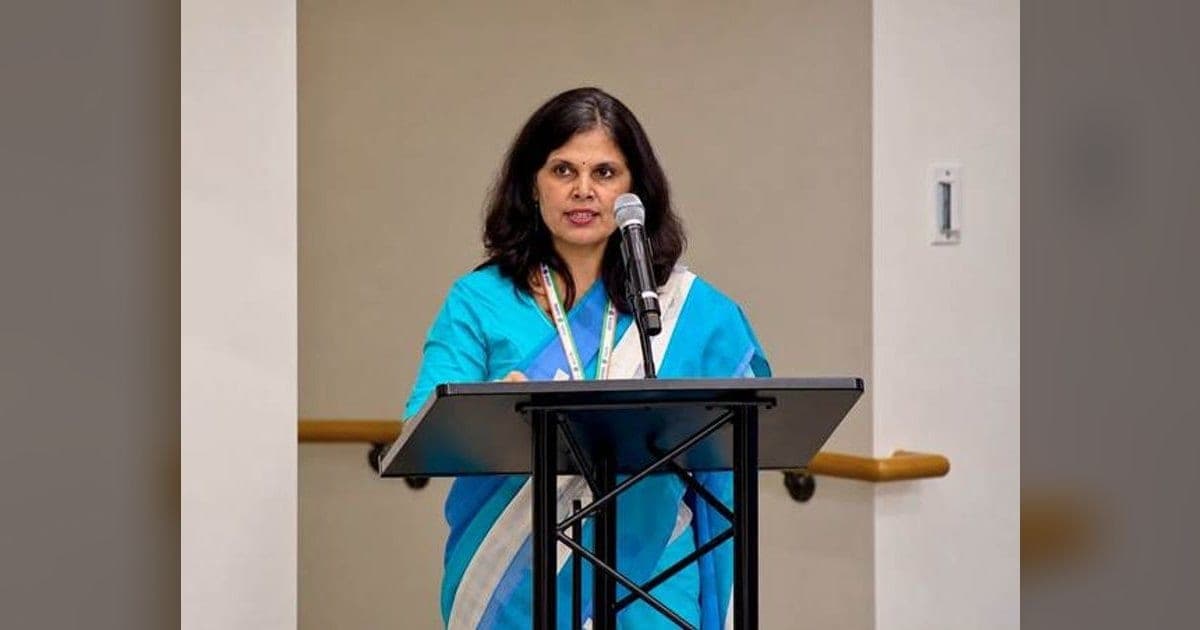
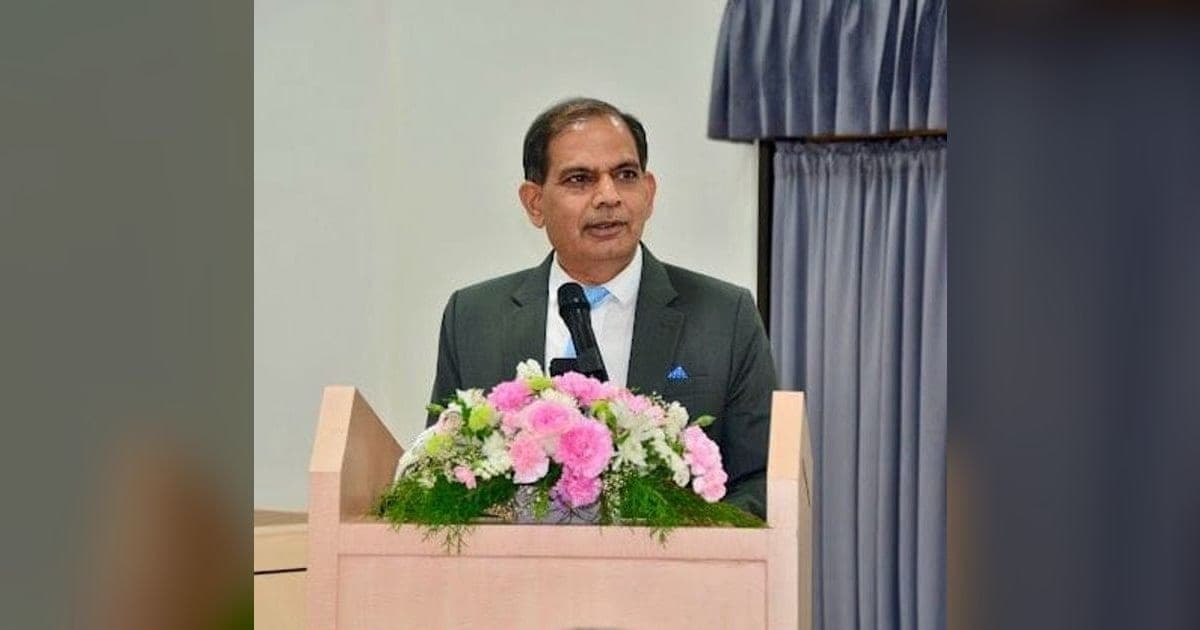
Union Health Secretary Punya Salila Srivastava told the UN High-Level Meeting in New York that a fair pathogen access and benefit sharing system is vital.
Why in News
On 26 September 2026 the Health Ministry released the address of Union Health Secretary Punya Salila Srivastava to the UN High-Level Meeting on Pandemic Prevention, Preparedness and Response, held in New York on 25 September, where India sought a fair pathogen access and benefit sharing system.
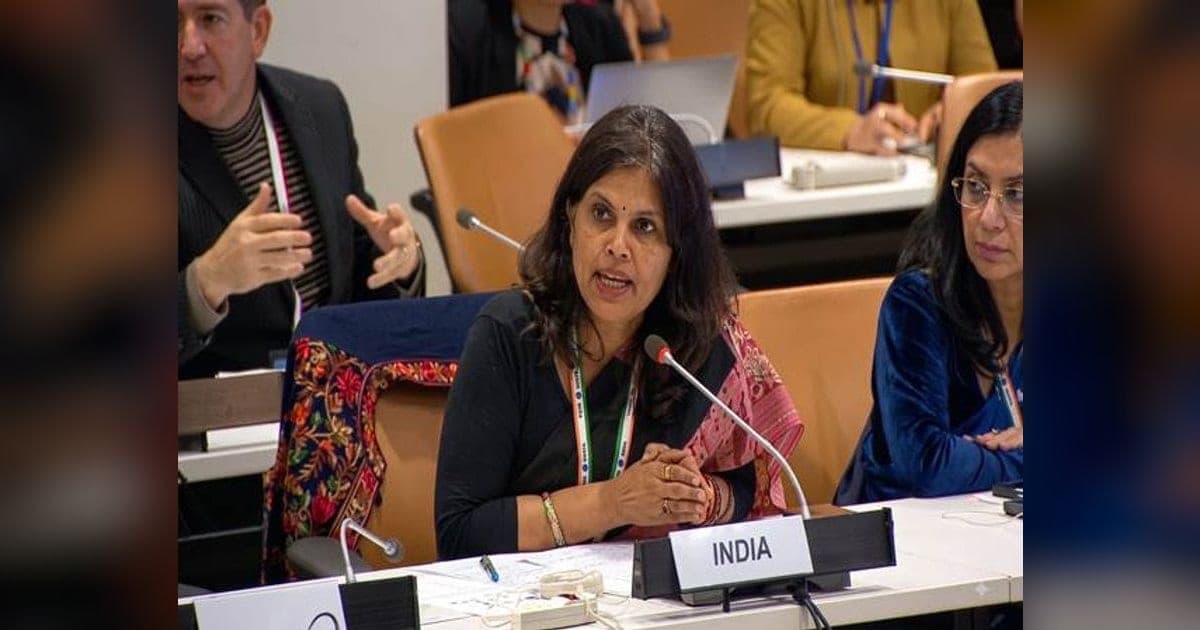
India took the floor at the United Nations High-Level Meeting on Pandemic Prevention, Preparedness and Response, held at the United Nations Headquarters in New York on 25 September. Union Health Secretary Punya Salila Srivastava represented the country and argued that the lessons of the COVID-19 years have to be turned into steady investment, stronger institutions and health systems able to take a shock. The Ministry of Health and Family Welfare carried her remarks on 26 September 2026.
The demand India placed on the table
The core of the Indian intervention was a fair Pathogen Access and Benefit Sharing arrangement, known by its short form PABS. The Health Secretary called the WHO Pandemic Agreement, adopted in May 2025, a milestone, but said its credibility will rest on whether countries that share pathogens and biological material receive vaccines, diagnostics, therapeutics and technologies in return, and in good time, with national sovereignty respected. She added that the political declaration of the meeting should not pre-judge the talks still running on the PABS annex, and that it should be carried out in keeping with the circumstances and capacities of each country. On the One Health approach she made the same point, asking for it to be applied as appropriate under domestic law, international law and national conditions.
What India pointed to from the pandemic
She recalled that during COVID-19 India sent 300 million vaccine doses to about 100 countries and to two United Nations entities, and extended medical assistance to more than 150 countries. She placed this within the idea of One Earth, One Health and India's commitment to the Global South. She also asked that digital public infrastructure be recognised as a global public good, noting that digital tools carried surveillance, vaccination drives, risk communication, supply chains and the continuity of ordinary health services through the pandemic. At home, she said, the work is to widen laboratory networks, emergency coordination, the health workforce, stockpiles and clinical care capacity, funded largely at home, with outside assistance only completing the national effort.
Other voices at the meeting
WHO Director-General Tedros Adhanom Ghebreyesus listed the gains made since COVID-19, among them the pandemic agreement itself and the amendments to the International Health Regulations, and warned that delay in settling the PABS system could weaken the response to the next outbreak. United Nations Deputy Secretary-General Amina Mohammed cautioned against complacency and pressed for community-based systems that can catch and contain an outbreak early.
Why it matters
The meeting gave member states a place to measure progress, name the gaps and renew the promise of equitable and durable systems for the health emergencies still to come.
Important Facts
| Meeting | UN High-Level Meeting on Pandemic Prevention, Preparedness and Response |
|---|---|
| Venue and date | United Nations Headquarters, New York, 25 September |
| India represented by | Union Health Secretary Punya Salila Srivastava |
| Key demand | A fair Pathogen Access and Benefit Sharing (PABS) system |
| WHO Pandemic Agreement | Adopted in May 2025 |
| Vaccine doses supplied during COVID-19 | 300 million, to about 100 countries and two UN entities |
| Medical assistance | More than 150 countries |
| Principle cited by India | One Earth, One Health |
| WHO Director-General | Tedros Adhanom Ghebreyesus |
| UN Deputy Secretary-General | Amina Mohammed |
Exam Point of View
Note the name of the meeting, its venue at the United Nations Headquarters in New York and the Indian representative, Union Health Secretary Punya Salila Srivastava. Learn the full form of PABS, that the WHO Pandemic Agreement was adopted in May 2025, and the COVID-19 figures India cited: 300 million doses to about 100 countries and help to more than 150 countries. The names of Tedros Adhanom Ghebreyesus and Amina Mohammed are also worth holding.
Practice Questions
Who represented India at the UN High-Level Meeting on Pandemic Prevention, Preparedness and Response?
- A.The Union Health Minister
- B.Union Health Secretary Punya Salila Srivastava
- C.The Permanent Representative of India to the United Nations
- D.The Director General of the Indian Council of Medical Research
Show answer
Correct answer: B. Union Health Secretary Punya Salila Srivastava
Explanation
The correct answer is Union Health Secretary Punya Salila Srivastava, who spoke for India at the United Nations Headquarters in New York on 25 September and reaffirmed the commitment of the country to global health security. Option A is wrong because the address was delivered by the Health Secretary, the senior civil servant of the ministry, and not by the minister. Option C names the envoy who leads the mission of India at the world body, but the health intervention at this meeting came from the ministry itself. Option D names the head of the apex medical research body, which had a large role during the pandemic yet did not speak here. Such questions test whether an aspirant reads the designation carefully, so the pairing of the meeting, the venue and the exact office of the speaker should be memorised together.
In the context of the WHO Pandemic Agreement, what does PABS stand for?
- A.Pandemic Alert and Biosecurity System
- B.Public Access to Biological Samples
- C.Pathogen Access and Benefit Sharing
- D.Preparedness and Basic Surveillance
Show answer
Correct answer: C. Pathogen Access and Benefit Sharing
Explanation
The correct answer is Pathogen Access and Benefit Sharing. India argued that the agreement will be judged by whether this system is fair, so that a country which shares pathogens or biological resources receives vaccines, diagnostics, therapeutics and other technologies in return, within a reasonable time and with its sovereignty intact. Options A, B and D are invented expansions that sound plausible because each borrows a word from the vocabulary of health emergencies, but none is the term used in the agreement. Aspirants should also remember that the annex on this system was still being negotiated, that India asked the political declaration not to pre-judge those talks, and that the head of the world health body pressed for the negotiations to be concluded quickly.
How many vaccine doses did India supply during the COVID-19 pandemic, as cited at the meeting?
- A.150 million doses to about 60 countries
- B.300 million doses to about 100 countries and two UN entities
- C.500 million doses to about 120 countries
- D.700 million doses to about 90 countries
Show answer
Correct answer: B. 300 million doses to about 100 countries and two UN entities
Explanation
The correct answer is 300 million doses to about 100 countries and two United Nations entities. India cited this supply, along with medical assistance to more than 150 countries, as proof of the principle of One Earth, One Health and of its commitment to the Global South. Option A halves the number of doses and shrinks the list of recipients. Option C and option D inflate the supply well beyond what was stated at the meeting. The figures are usually asked as a pair, so hold the number of doses with the number of recipient countries, and keep the two United Nations entities in mind, because a question may turn on that small addition alone. The wider point India made was that access to essential health products must rest on solidarity rather than on the ability to pay.
Frequently Asked Questions
What does PABS stand for?
Pathogen Access and Benefit Sharing. India told the UN High-Level Meeting that the credibility of the WHO Pandemic Agreement, adopted in May 2025, depends on a fair PABS system that returns vaccines, diagnostics and technologies to countries that share pathogens.
Who represented India at the UN High-Level Meeting on pandemics?
Union Health Secretary Punya Salila Srivastava, at the United Nations Headquarters in New York on 25 September. She called pandemic preparedness a shared responsibility with equity at its core.
What did India cite from its COVID-19 experience?
It supplied 300 million vaccine doses to about 100 countries and two United Nations entities and sent medical assistance to more than 150 countries, in line with the principle of One Earth, One Health.
Sources
Current Affairs 26 September 2026
- World Tourism Day 2026 Theme Puts AI at Heart of TravelImportant Days
- Special Campaign 6.0 to Run in Ministries from 2 OctoberNational
- Swachhata Hi Seva 2026 Theme Guides ICAR-CIRB SamvadNational
- Guntur-Nambur 668-Metre Road Over Bridge to Cost 108 CroreNational
- CSIR-NIScPR Launches Science Magazines in Five LanguagesScience & Technology
Related Current Affairs
- Summits & Conferences
Dryland Congress 2026 Adopts Delhi Declaration on Drylands
13 September 2026 · 2 min read
- International
India-Belgium Joint Statement: Defence LoI and Investment Track
3 September 2026 · 2 min read
- International
14 Women in India's 70-Member Team at WorldSkills Shanghai 2026
25 September 2026 · 2 min read
Related GK
- Folk Dances of India: State-wise List with Festivals
25 September 2026 · Art & Culture
- Important Days in March and April: Dates, Reasons and MCQs
25 September 2026 · Important Days & Dates
- Important Days in January and February: Dates and MCQs
25 September 2026 · Important Days & Dates
Take the Quiz
- Current Affairs Quiz
Banking Current Affairs Quiz: 26 September 2026
16 questions16 minutesStart Quiz