
PM Vishwakarma Artisans Show Crafts at BRICS Cultural Bazar
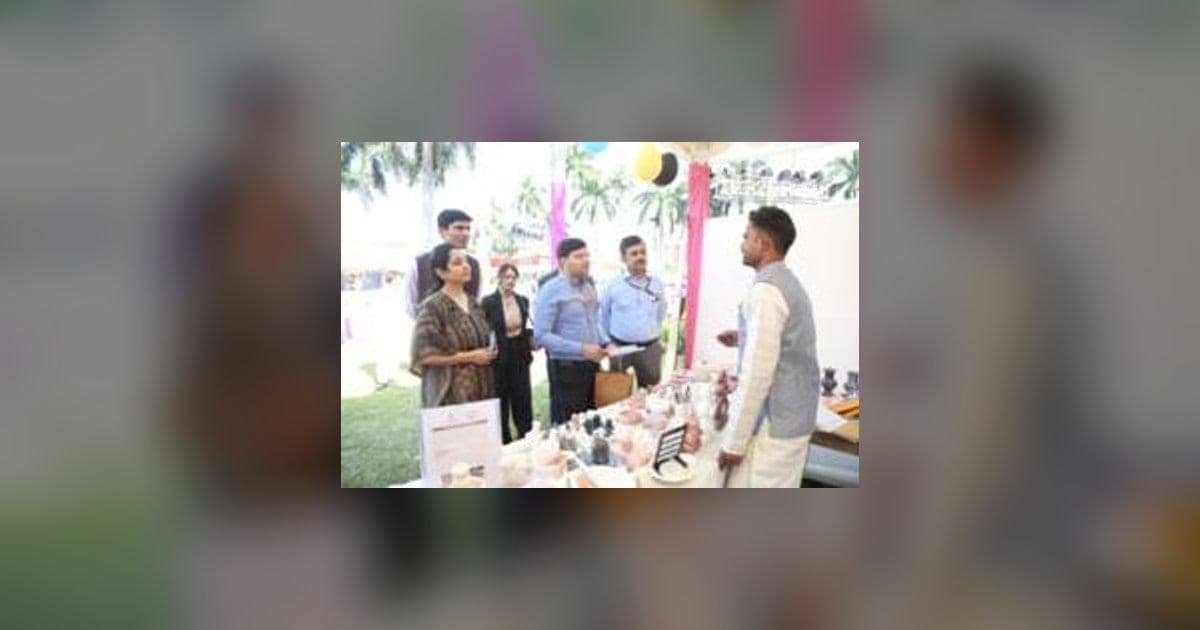
Eight PM Vishwakarma artisans from eight States displayed traditional crafts at the Cultural Bazar held during the 12th BRICS Parliamentary Forum in New Delhi.
Why in News
On 27 October 2026 the Ministry of Micro, Small and Medium Enterprises reported that eight PM Vishwakarma artisans from eight States displayed traditional crafts at the Cultural Bazar held during the 12th BRICS Parliamentary Forum in New Delhi.
Artisans and craftspeople supported under the PM Vishwakarma Scheme of the Ministry of Micro, Small and Medium Enterprises took part in a two-day Cultural Bazar organised alongside the 12th BRICS Parliamentary Forum at the Parliament House Complex, New Delhi, on 26 and 27 October 2026. The bazar put India’s traditional crafts, artisan-made goods and indigenous skills before the national and international delegates attending the Forum, and the Vishwakarmas’ products drew appreciation from the BRICS delegations.
Eight artisans, eight States
Eight PM Vishwakarma beneficiaries took part, one each from Rajasthan, Jammu and Kashmir, Bihar, Madhya Pradesh, Jharkhand, Nagaland, Karnataka and Maharashtra. Between them they represented traditional trades recognised under the scheme: Tailor, Goldsmith, Sculptor or Stone Carver, Doll and Toy Maker, and Cobbler. Their handcrafted goods were displayed at the PM Vishwakarma stall, and some of them gave live demonstrations of how the crafts are made.
Who showed what
| Makbul Jadu Patiya, Jharkhand | Dokra metal craft, made by the ancient lost-wax casting technique |
| Anurag Sahu, Madhya Pradesh | Hand-carved marble work in the GI-tagged Jabalpur Stone Craft, using New Bhedaghat Marble of Jabalpur |
| Bajirao Shamrao Satpute, Maharashtra | Kolhapuri chappals with the distinctive Nach Mauri Patta design |
| Deepu S, Karnataka | Channapatna toys and Kinhal toys |
| Dheeraj Kumar, Bihar | Wooden and stone sculptures of Lord Buddha, supplied to Bodh Gaya and other districts |
| Mohamad Nasim, Rajasthan | Traditional lac bangles with decorative stones |
| Masrat Fayaz, Jammu and Kashmir | Shawls, stoles, Kashmiri pherans and Pashmina shawls |
| Throngli Sangtam, Nagaland | Handmade crochet dolls drawn from Naga attire and tribal motifs |
What the scheme gave them
The accounts of the eight show the forms of help the scheme offers. Mohamad Nasim received skill training, a modern toolkit and loan assistance. Deepu S was given a toolkit, finished skill training and was placed on the Meesho platform. Dheeraj Kumar used loan assistance to buy raw material, and a toolkit improved his cutting, grinding and polishing. Makbul Jadu Patiya, Anurag Sahu and Bajirao Shamrao Satpute were onboarded on e-commerce platforms, among them Amazon and Flipkart, and exhibited at venues such as Dilli Haat and State trade fairs. Masrat Fayaz gained better tools and improved finishing and productivity. Throngli Sangtam, who keeps over 100 dolls in stock, works with a collective called Mother’s Craft and sells through the MyKi store under a memorandum with the Department of Women Resource Development.
Why it matters
For the artisans the bazar meant visibility before foreign delegates, wider market exposure and recognition. For the scheme it was a showcase of what support for traditional trades is meant to achieve: skills preserved, livelihoods strengthened and artisan communities empowered.
Important Facts
| Event | Two-day Cultural Bazar during the 12th BRICS Parliamentary Forum |
|---|---|
| Venue and dates | Parliament House Complex, New Delhi, 26 and 27 October 2026 |
| Scheme | PM Vishwakarma Scheme |
| Ministry | Ministry of Micro, Small and Medium Enterprises |
| Artisans | Eight, one each from eight States and Union Territories |
| States represented | Rajasthan, Jammu and Kashmir, Bihar, Madhya Pradesh, Jharkhand, Nagaland, Karnataka, Maharashtra |
| Trades | Tailor, Goldsmith, Sculptor or Stone Carver, Doll and Toy Maker, Cobbler |
| GI-tagged craft on show | Jabalpur Stone Craft, worked in New Bhedaghat Marble |
| Scheme benefits seen | Toolkit, skill training, loan assistance and e-commerce onboarding |
Exam Point of View
Remember the scheme (PM Vishwakarma) and its ministry (Micro, Small and Medium Enterprises), the event (Cultural Bazar at the 12th BRICS Parliamentary Forum, Parliament House Complex, 26 and 27 October 2026), the eight States, the trades covered, the craft-to-State pairs such as Dokra with Jharkhand and Channapatna toys with Karnataka, the GI-tagged Jabalpur Stone Craft, and the scheme’s benefits of toolkit, skill training, loan assistance and e-commerce onboarding.
Practice Questions
The PM Vishwakarma Scheme, whose artisans took part in the BRICS Cultural Bazar, is implemented by which ministry?
- A.The Ministry of Textiles
- B.The Ministry of Micro, Small and Medium Enterprises
- C.The Ministry of Culture
- D.The Ministry of Skill Development and Entrepreneurship
Show answer
The artisans and craftspeople who displayed their work at the Cultural Bazar are beneficiaries of the PM Vishwakarma Scheme of this ministry, and the stall at the Parliament House Complex was set up in the scheme’s name.
Read the full explanation →Channapatna toys and Kinhal toys, shown by an artisan at the Cultural Bazar, belong to the craft traditions of which State?
- A.Karnataka
- B.Jharkhand
- C.Nagaland
- D.Madhya Pradesh
Show answer
The artisan Deepu S from Karnataka specialises in traditional Channapatna toys and Kinhal toys, both of which reflect that State’s toy-making heritage; under the PM Vishwakarma Scheme he received a toolkit, completed skill training and was onboarded on an e-commerce platform.
Read the full explanation →Which craft displayed at the BRICS Cultural Bazar was described as carrying a Geographical Indication tag?
- A.Dokra metal craft
- B.Jabalpur Stone Craft
- C.Kolhapuri chappals
- D.Naga crochet dolls
Show answer
Anurag Sahu of Madhya Pradesh practises this GI-tagged craft, carving marble statues, pooja articles, souvenirs and home decor items from New Bhedaghat Marble of Jabalpur, and under the scheme he was onboarded on two e-commerce platforms to take his products online.
Read the full explanation →How many PM Vishwakarma artisans took part in the Cultural Bazar at the 12th BRICS Parliamentary Forum, and from how many States?
- A.Six artisans from six States
- B.Eight artisans from eight States
- C.Ten artisans from eight States
- D.Twelve artisans from ten States
Show answer
One artisan each came from Rajasthan, Jammu and Kashmir, Bihar, Madhya Pradesh, Jharkhand, Nagaland, Karnataka and Maharashtra, so the number of artisans and the number of States were the same.
Read the full explanation →Frequently Asked Questions
Which ministry runs the PM Vishwakarma Scheme?
The PM Vishwakarma Scheme is run by the Ministry of Micro, Small and Medium Enterprises. Artisans supported under it took part in the Cultural Bazar held during the 12th BRICS Parliamentary Forum in New Delhi.
Where and when was the BRICS Cultural Bazar held?
The two-day Cultural Bazar was organised at the Parliament House Complex, New Delhi, on 26 and 27 October 2026, alongside the 12th BRICS Parliamentary Forum, and was open to national and international delegates.
Which craft on display at the bazar carries a GI tag?
The Jabalpur Stone Craft of Madhya Pradesh is GI-tagged. Artisan Anurag Sahu practises it, carving marble statues, pooja articles and souvenirs from New Bhedaghat Marble of Jabalpur.
Sources
- Eight Artisans from Eight States Showcase India’s Craftsmanship (opens in a new tab) — Press Information Bureau
Current Affairs 27 October 2026
- India-Netherlands Business Forum Co-Chaired by Piyush GoyalInternational
- Atal Vayo Abhyuday Yojana: Rs 77.98 Crore for 755 ProjectsGovernment Schemes
- DPIIT Reforms: 2,50,046 Startups and USD 843 Billion FDIEconomy
- CCUS: Rs 20,000 Crore Scheme for Net Zero IndustryScience & Technology
- Vigilance Awareness Week 2026: Probity for Prosperity ThemeImportant Days
- Bihar Gramin Bank Pacts Give Staff Rs 77.69 Crore GainsBanking & Finance
- Jal Shakti Review: Ken-Betwa and Farakka Work AssessedNational
- Viksit Bharat Buildathon 2025 Enters Guinness World RecordsAwards & Honours
Related Current Affairs
- Government Schemes
Atal Vayo Abhyuday Yojana: Rs 77.98 Crore for 755 Projects
27 October 2026 · 2 min read
- Government Schemes
Nasha Mukt Yuva Viksit Bharat Quiz on MY Bharat Portal
26 October 2026 · 2 min read
- Government Schemes
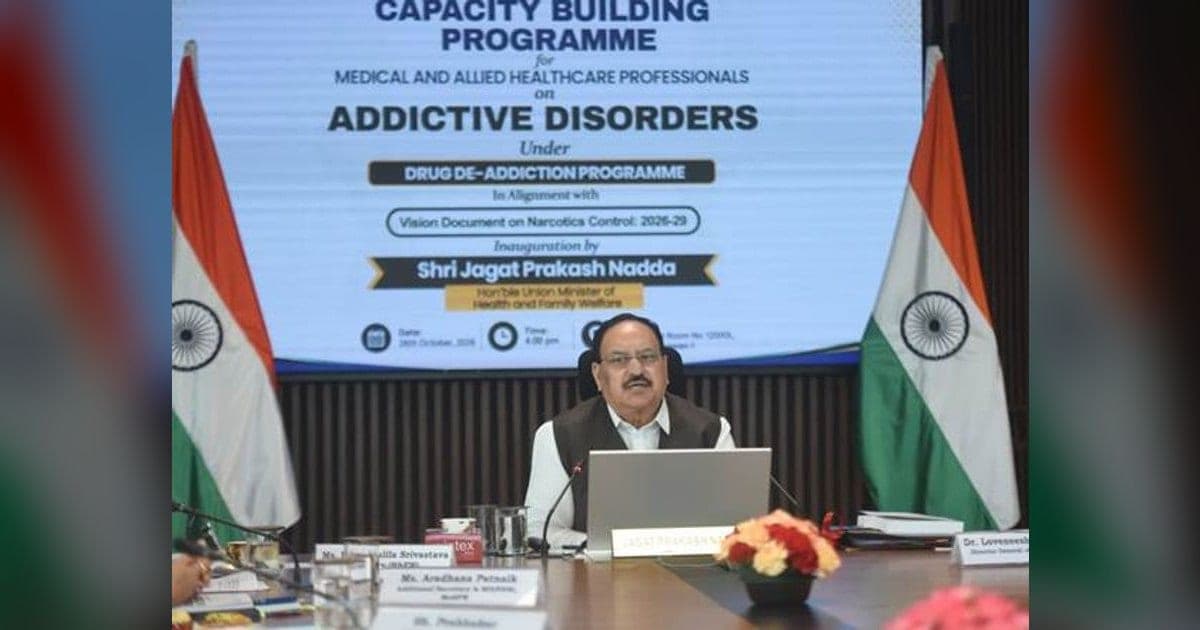
Nadda Launches De-addiction Training for 10,000 Providers
26 October 2026 · 2 min read
- Government Schemes
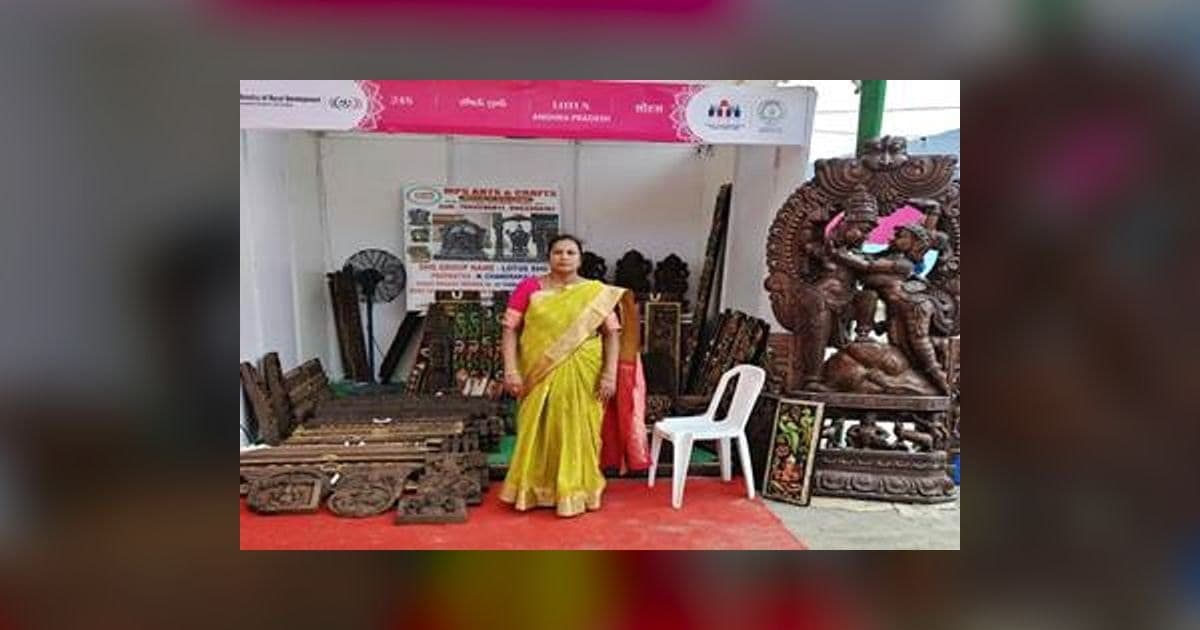
First National SARAS Mela at Vijayawada Till 31 October
26 October 2026 · 2 min read
- Government Schemes
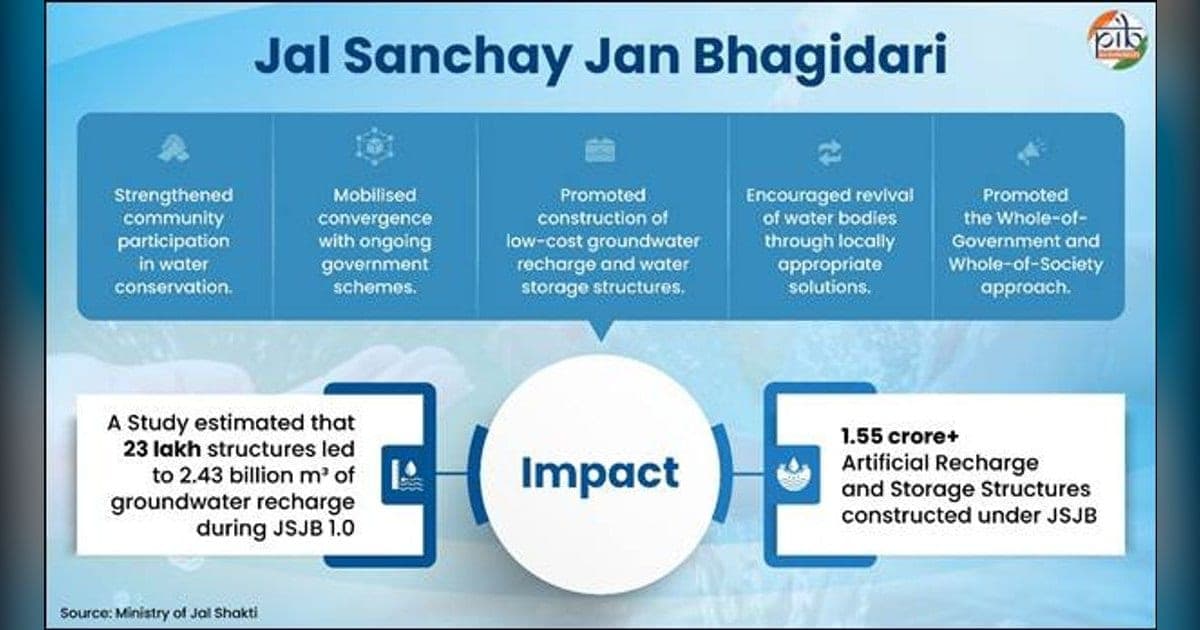
Jal Sanchay Jan Bhagidari Crosses 1.55 Crore Structures
26 October 2026 · 2 min read
Related GK
- Tourism and World Heritage Sites of Rajasthan Notes
27 October 2026 · Rajasthan
- Districts, Divisions and Firsts of Madhya Pradesh Notes
27 October 2026 · Madhya Pradesh
- Unification of Italy and Germany: Nationalism in Europe
27 October 2026 · Indian History
Take the Quiz
- Current Affairs Quiz
SSC CHSL Current Affairs Quiz: 27 October 2026
17 questions17 minutesStart Quiz