
ICMR High Altitude Medicine Centre to Come Up at Keylong
Union Health Minister J. P. Nadda laid the foundation stone of the ICMR Centre for High Altitude Medicine and Public Health Research at Keylong in Himachal Pradesh.
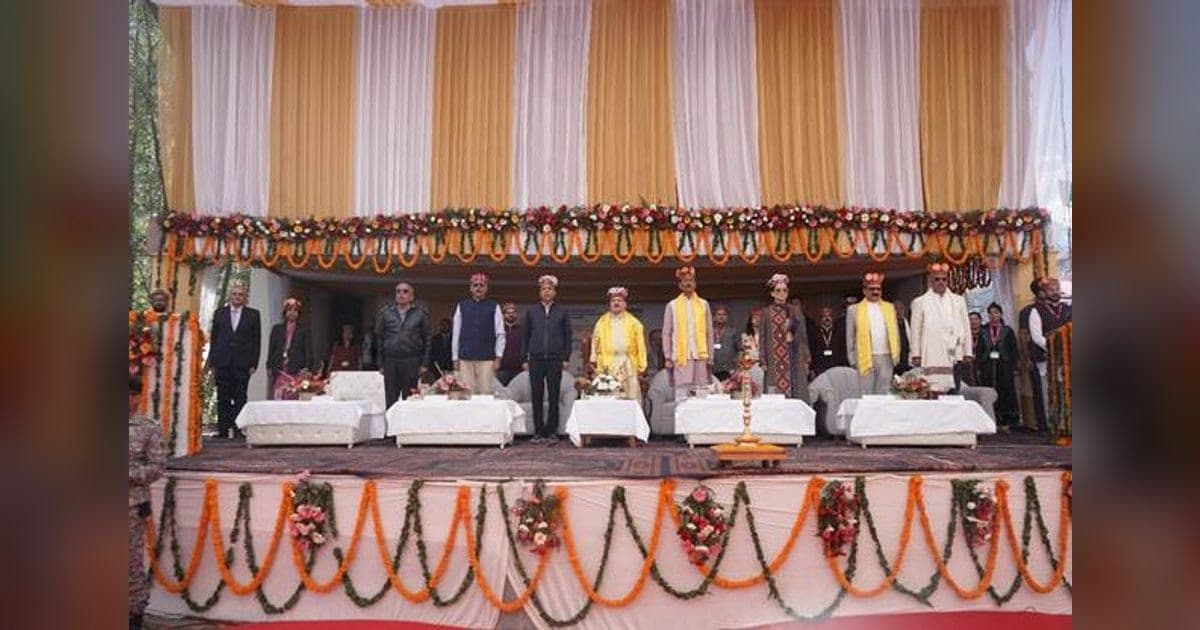
Why in News
On 12 October 2026 Union Health Minister Jagat Prakash Nadda laid the foundation stone of the ICMR Centre for High Altitude Medicine and Public Health Research at Keylong in Himachal Pradesh, a joint effort of ICMR, the Armed Forces Medical Services and AIIMS Bilaspur.
Union Minister for Health and Family Welfare and Chemicals and Fertilizers Jagat Prakash Nadda performed the Bhumi Pujan and laid the foundation stone of the ICMR Centre for High Altitude Medicine and Public Health Research at Keylong, Himachal Pradesh, on 12 October 2026. The centre is meant to build India's own scientific evidence on the health problems of people who live in the Himalayan region and of personnel posted at extreme altitudes.
What the centre will study
The research will cover the health effects of low oxygen, extreme cold and changing climatic conditions, along with altitude-related risk, acclimatisation, maternal and newborn health, child growth and nutrition, and disease patterns in Himalayan communities. It will also test how new technology can extend care in hard-to-reach places, including drone-enabled medicine delivery, digital health and artificial intelligence. The findings are expected to help communities and armed forces personnel in Himachal Pradesh, Ladakh, Jammu and Kashmir, Uttarakhand, Sikkim and Arunachal Pradesh.
Who is building it together
The centre rests on a partnership between the Indian Council of Medical Research (ICMR) and the Armed Forces Medical Services (AFMS), with AIIMS Bilaspur studying the health impact of high-altitude conditions on patients who come to the region. It grows out of a field station ICMR set up at Keylong nearly a decade ago, and will now be a permanent, year-round institution with modern laboratories and specialist staff.
Who spoke
Union Minister of State for Defence Sanjay Seth was the Guest of Honour and said joining ICMR's research strength to the armed forces' field experience would produce workable medical answers for extreme-altitude conditions. Dr Rajiv Bahl, Secretary of the Department of Health Research and Director General of ICMR, said Keylong would be a place where the laboratory and the community meet and local people are partners in the research. Air Marshal Sandeep Thareja, DGFMS, said the work would turn research into practical protocols for acclimatisation, early detection and treatment for soldiers in some of the world's most demanding terrain. Jai Ram Thakur, Leader of the Opposition in the Himachal Pradesh Assembly and a former Chief Minister, and Kangana Ranaut, Member of Parliament from Mandi, also spoke, as did Ravi Thakur, a former MLA from Lahaul and Spiti.
Other markers of the day
Mr Nadda and the other guests planted native Himalayan saplings under the Green ICMR Campus Initiative. He opened a scientific exhibition for school students, launched the centre's website and institutional video, and released a commemorative postal special cover. Senior officers of the Armed Forces Medical Services and the Indian Air Force, scientists, Panchayati Raj representatives and local residents attended the ceremony.
Important Facts
| Centre | ICMR Centre for High Altitude Medicine and Public Health Research |
|---|---|
| Location | Keylong, Himachal Pradesh |
| Foundation stone laid by | Jagat Prakash Nadda, Union Health and Family Welfare Minister |
| Guest of Honour | Sanjay Seth, Union Minister of State for Defence |
| Partners | ICMR, Armed Forces Medical Services and AIIMS Bilaspur |
| DG, ICMR | Dr Rajiv Bahl, also Secretary, Department of Health Research |
| DGFMS | Air Marshal Sandeep Thareja |
| Built on | An ICMR field station set up at Keylong nearly a decade ago |
| Research focus | Low oxygen, extreme cold, acclimatisation, maternal and child health, disease patterns |
| Technologies to be studied | Drone-enabled medicine delivery, digital health, artificial intelligence |
| States to benefit | Himachal Pradesh, Ladakh, Jammu and Kashmir, Uttarakhand, Sikkim, Arunachal Pradesh |
| Also launched | Centre's website, institutional video, commemorative postal special cover |
Exam Point of View
Remember the location (Keylong, Himachal Pradesh, in Lahaul and Spiti), the minister who laid the foundation stone (Jagat Prakash Nadda), the Guest of Honour (MoS Defence Sanjay Seth), the three partners (ICMR, Armed Forces Medical Services, AIIMS Bilaspur), the DG of ICMR (Dr Rajiv Bahl), the DGFMS (Air Marshal Sandeep Thareja), the research themes, the technologies named, and the Green ICMR Campus Initiative.
Practice Questions
In which state is the ICMR Centre for High Altitude Medicine and Public Health Research being set up?
- A.Uttarakhand
- B.Himachal Pradesh
- C.Sikkim
- D.Arunachal Pradesh
Show answer
Explanation
The correct answer is Himachal Pradesh, where the centre is coming up at Keylong, the administrative centre of the Lahaul and Spiti area. The Union Health Minister performed the Bhumi Pujan and laid the foundation stone there, and a former Chief Minister of the state as well as the Member of Parliament from Mandi spoke at the ceremony. Options A, C and D are all Himalayan states whose people the centre's findings are expected to help, along with Ladakh and Jammu and Kashmir, which is exactly why they make effective distractors: the benefit is spread across the Himalayan belt even though the institution itself sits in one state. The centre builds on a field station that the Indian Council of Medical Research set up at Keylong nearly a decade ago, and it will now become a permanent, year-round institution with modern laboratories and specialist staff.
Which two bodies are the main partners in setting up the high-altitude research centre at Keylong?
- A.DRDO and the Indian Air Force
- B.ICMR and the Armed Forces Medical Services
- C.CSIR and the Indian Army
- D.ICAR and the Border Roads Organisation
Show answer
Explanation
The correct answer is the Indian Council of Medical Research and the Armed Forces Medical Services, a pairing meant to join scientific research capacity to the practical experience of personnel who work at extreme altitudes. AIIMS Bilaspur is the third institution involved, and its role is to study the health impact of high-altitude conditions on patients who come to the region. Option A is wrong because the Indian Air Force sent senior officers to the ceremony and the DGFMS is an Air Marshal, but the research partnership is with the medical services rather than with DRDO. Options C and D name councils and organisations that work on industrial research, agriculture and border roads, none of which is part of this arrangement. The research will support acclimatisation protocols, early detection and treatment for soldiers as well as care for local communities.
Which technology was named as a way the Keylong centre will try to improve healthcare in remote areas?
- A.Drone-enabled medicine delivery
- B.Underground pneumatic tube transport
- C.Satellite-launched weather balloons
- D.Hyperloop ambulance corridors
Show answer
Explanation
The correct answer is drone-enabled medicine delivery, listed along with digital health and artificial intelligence as the emerging technologies the centre will examine for reaching remote and difficult terrain. These are practical choices for the Himalayan belt, where settlements can be cut off for months and a short distance on a map can take hours to travel. Options B, C and D describe transport or observation systems that have no part in this plan; weather balloons in particular sound plausible for a high-altitude station but are not what was announced. The wider mandate of the centre is to generate evidence on the health effects of low oxygen levels, extreme cold and changing climate, with research on acclimatisation, maternal and newborn health, child growth and nutrition, and disease patterns among Himalayan communities.
Frequently Asked Questions
Where is the ICMR Centre for High Altitude Medicine and Public Health Research being built?
At Keylong in Himachal Pradesh. Union Health Minister Jagat Prakash Nadda performed the Bhumi Pujan and laid its foundation stone on 12 October 2026.
Which institutions are partners in the centre?
The Indian Council of Medical Research and the Armed Forces Medical Services, with AIIMS Bilaspur studying the health impact of high-altitude conditions on patients visiting the region.
What will the centre research?
The health effects of low oxygen, extreme cold and climatic change, with work on acclimatisation, maternal and newborn health, child growth and nutrition, and disease patterns in Himalayan communities.
Which technologies will the centre examine for remote healthcare?
Drone-enabled medicine delivery, digital health and artificial intelligence, to improve access to care in remote and difficult-to-reach high-altitude areas.
Sources
- https://www.pib.gov.in/PressReleasePage.aspx?PRID=2322248 (opens in a new tab) — Press Information Bureau
Current Affairs 12 October 2026
- Coal Stocks at Power Plants Stay Above 18 MT in October 2026Economy
- TDB Backs Peptris VIGOR Programme With Rs 86 Crore RDI SupportScience & Technology
- MY Bharat Holds Youth Parliaments at 1,469 Locations in 34 StatesGovernment Schemes
- IGNFA Begins IFS Mid-Career Training for 68 OfficersEnvironment
- Asian Games 2026: Services Athletes Win Record 27 MedalsSports
- Indian Army Launches Bharat Rice for Troops, Signs FCI MoUDefence
- PM GatiShakti at Five: 58 Ministries, 23,493 Data LayersGovernment Schemes
- PM-SETU: Rs 440 Crore Cleared for Nine Government ITIsGovernment Schemes
Related Current Affairs






Related GK
- Uttar Pradesh Location and Physical Divisions for Exams
12 October 2026 · Uttar Pradesh
- Rajasthan Location and Physical Divisions: Extent, Aravalli, Thar
12 October 2026 · Rajasthan
- Madhya Pradesh Location and Physical Divisions for Exams
12 October 2026 · Madhya Pradesh
Take the Quiz
- Current Affairs Quiz
Defence Current Affairs Quiz: 12 October 2026
12 questions12 minutesStart Quiz