
India Names Four Priority Areas for SIDS Ties at COP31
At COP31 in Antalya, Bhupender Yadav identified four priority areas for India-SIDS cooperation on resilient coasts and oceans, from risk assessment to capacity-building.
Why in News
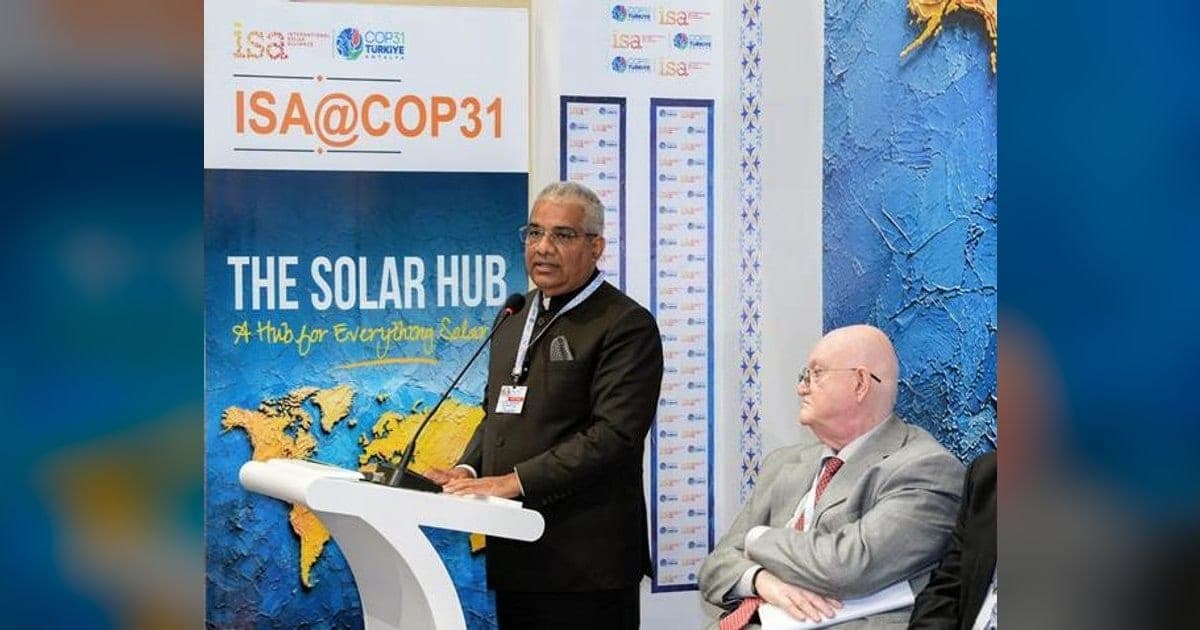
On 17 November 2026 Union Environment Minister Bhupender Yadav identified four priority areas for India-SIDS cooperation — coastal risk assessment, ecosystem restoration, renewable energy and capacity-building — at a ministerial event during UNFCCC COP31 in Antalya, Türkiye.
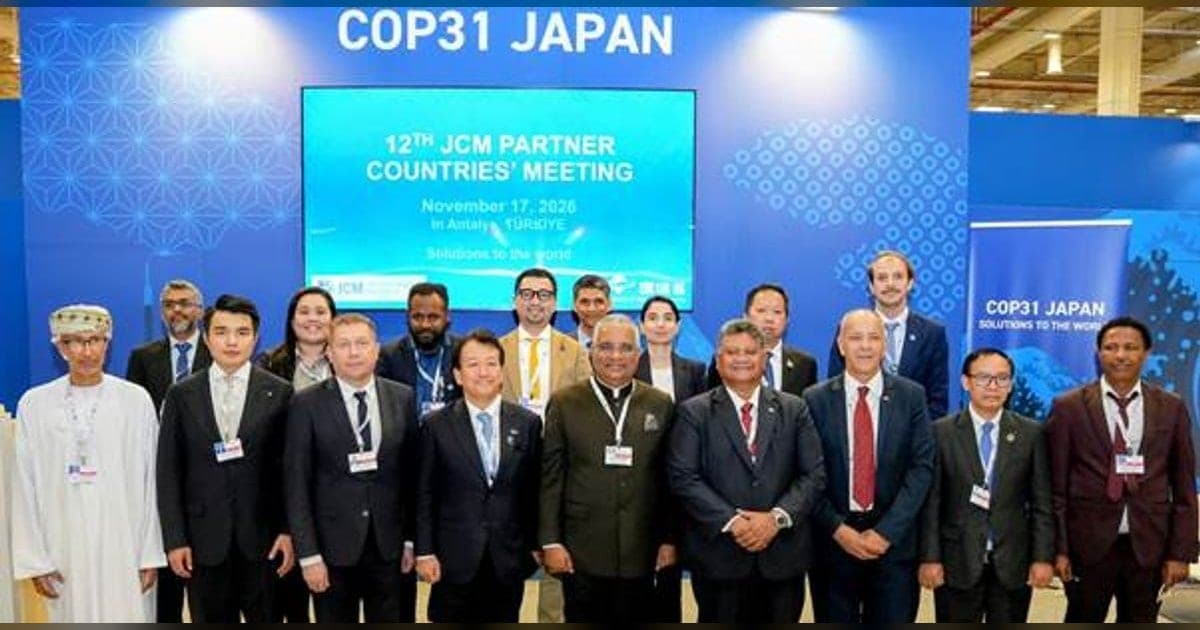
Union Minister for Environment, Forest and Climate Change Bhupender Yadav called on 17 November 2026 for a deeper partnership between India and the Small Island Developing States (SIDS) to build resilient coasts and oceans. He was speaking at a high-level ministerial event titled ‘India-SIDS Partnership for Resilient Coasts and Oceans: Sharing Knowledge, Technology and Solutions’, held during UNFCCC COP31 at Antalya in Türkiye.
Who took part
The event was organised by The Energy and Resources Institute (TERI) together with the Ministry of Environment, Forest and Climate Change, in partnership with the International Solar Alliance. Ministers from Mauritius, Kiribati and the Marshall Islands attended, along with senior officials from the Government of Fiji, TERI and the alliance.
The four priority areas
- Coastal risk assessment, shoreline monitoring and early warning systems.
- Ecosystem-based approaches — mangrove conservation, coral reef and seagrass protection, wetland restoration and sustainable use of coastal and marine resources.
- Technology partnerships for the island context — solar-powered solutions, decentralised renewable energy, water security and climate-resilient infrastructure.
- Institutional partnerships and capacity-building to support joint project preparation and country-led pilot initiatives.
What India brings to the table
The Minister pointed to India’s coastline of about 11,099 kilometres and its work on scientific assessment, ecosystem conservation, shoreline management and disaster preparedness. He cited MISHTI, the Mangrove Initiative for Shoreline Habitats and Tangible Incomes, which pairs mangrove restoration with coastal livelihoods. Ocean forecasting and early warning systems in Odisha and Andhra Pradesh were offered as areas where knowledge can be exchanged. He listed four platforms through which India is widening this cooperation: the International Solar Alliance, the Coalition for Disaster Resilient Infrastructure, Infrastructure for Resilient Island States and the Forum for India-Pacific Islands Cooperation.
The argument he made
Healthy oceans and resilient coastlines, Mr Yadav said, underpin economic security, ecological stability and people’s well-being. Sea-level rise, coastal erosion, ocean warming, coral bleaching, stronger storms and marine pollution are not distant risks for island nations but immediate threats to homes, infrastructure, livelihoods and in some cases the long-term habitability of their territories. Guided by the principle of Vasudhaiva Kutumbakam, he said India holds that environmental protection and development must advance together. He added that cooperation must follow each country’s own priorities and circumstances, and that learning runs both ways, since the island states are custodians of extraordinary marine biodiversity and traditional knowledge. He closed by urging a move from shared challenges to shared solutions, and from dialogue to action.
Important Facts
| Event | India-SIDS Partnership for Resilient Coasts and Oceans ministerial event |
|---|---|
| Conference | UNFCCC COP31 |
| Venue | Antalya, Türkiye |
| India represented by | Union Minister Bhupender Yadav |
| Organisers | TERI and Ministry of Environment, Forest and Climate Change, with the International Solar Alliance |
| Island nations at ministerial level | Mauritius, Kiribati, Marshall Islands |
| India’s coastline | About 11,099 kilometres |
| Scheme cited | MISHTI — Mangrove Initiative for Shoreline Habitats and Tangible Incomes |
| Platforms named | ISA, CDRI, IRIS and FIPIC |
Exam Point of View
Note the conference (UNFCCC COP31), its city and country (Antalya, Türkiye), the minister, the full name of the event and the expansion of SIDS. The four priority areas are the most likely question. Also remember the organisers (TERI and the Environment Ministry with the International Solar Alliance), the participating island nations, India’s 11,099-kilometre coastline, the MISHTI full form and the four platforms: ISA, CDRI, IRIS and FIPIC.
Practice Questions
The India-SIDS ministerial event on resilient coasts and oceans was held at which venue?
- A.Baku, Azerbaijan
- B.Antalya, Türkiye
- C.Belem, Brazil
- D.Dubai, United Arab Emirates
Show answer
The high-level ministerial event on the India-SIDS partnership for resilient coasts and oceans was held there during the United Nations Framework Convention on Climate Change COP31.
Read the full explanation →Which of the following was NOT listed among the four priority areas for India-SIDS cooperation?
- A.Coastal risk assessment and early warning systems
- B.Ecosystem-based approaches such as mangrove and coral reef protection
- C.Deep-sea mineral extraction
- D.Institutional partnerships and capacity-building
Show answer
The four priority areas named were coastal risk assessment with shoreline monitoring and early warning systems; ecosystem-based approaches covering mangrove conservation, coral reef and seagrass protection and wetland restoration; technology partnerships suited to the island context, including solar-powered solutions, decentralised renewable energy, water security and climate-resilient infrastructure; and institutional partnerships…
Read the full explanation →Approximately how long is India’s coastline, as cited at the India-SIDS ministerial event?
- A.7,517 kilometres
- B.9,250 kilometres
- C.11,099 kilometres
- D.13,400 kilometres
Show answer
The Minister cited a coastline of about this length while describing India’s work on scientific coastal assessment, ecosystem conservation, shoreline management and disaster preparedness.
Read the full explanation →Frequently Asked Questions
What are the four priority areas identified for India-SIDS cooperation?
Coastal risk assessment with shoreline monitoring and early warning; ecosystem-based approaches such as mangrove and coral reef protection; technology partnerships suited to islands; and institutional partnerships with capacity-building.
Where was the India-SIDS ministerial event held?
At Antalya in Türkiye, during UNFCCC COP31, on 17 November 2026. It was organised by TERI and the Ministry of Environment, Forest and Climate Change with the International Solar Alliance.
What does MISHTI stand for?
Mangrove Initiative for Shoreline Habitats and Tangible Incomes. It advances mangrove conservation and restoration while supporting the livelihoods of coastal communities.
Sources
- https://www.pib.gov.in/PressReleasePage.aspx?PRID=2337456 (opens in a new tab) — Press Information Bureau
Current Affairs 17 November 2026
- India's Solar Capacity Touches 175 GW, 62-Fold Rise Since 2014Environment
- Horticulture Output Set at 3869.15 Lakh Tonnes for 2025-26Economy
- Buddha Relics Draw 12,000 to Golden Pagoda at NamsaiNational
- India Pitches Big Cat Conservation as Climate Action at COP31Summits & Conferences
- 9th National Naturopathy Day at Nagamangala on 18 NovemberImportant Days
- 23rd ASEAN-India Summit Theme: Navigating Our Future, TogetherSummits & Conferences
- India-Egypt Trade Target of USD 12 Billion Set at 7th JTCEconomy
- 4th India-Japan 2+2 Ministerial Dialogue to Be Held in TokyoDefence
Related Current Affairs
- Environment
India Seeks an Open, Equitable Second Global Stocktake at COP31
18 November 2026 · 2 min read
Related GK
- Famous Personalities of Rajasthan: Exam Notes
28 October 2026 · Rajasthan
- Districts and Divisions of Rajasthan: Exam Notes
28 October 2026 · Rajasthan
- Tourism and World Heritage Sites of Rajasthan Notes
27 October 2026 · Rajasthan
Take the Quiz
- Current Affairs Quiz
Banking Current Affairs Quiz: 17 November 2026
25 questions25 minutesStart Quiz