
ESTIC 2026: Genetic Diversity Can Make India a Gene Research Hub
Union Minister Dr Jitendra Singh told a session at ESTIC 2026 that India's genetic diversity can make it a global destination for gene research.
Why in News
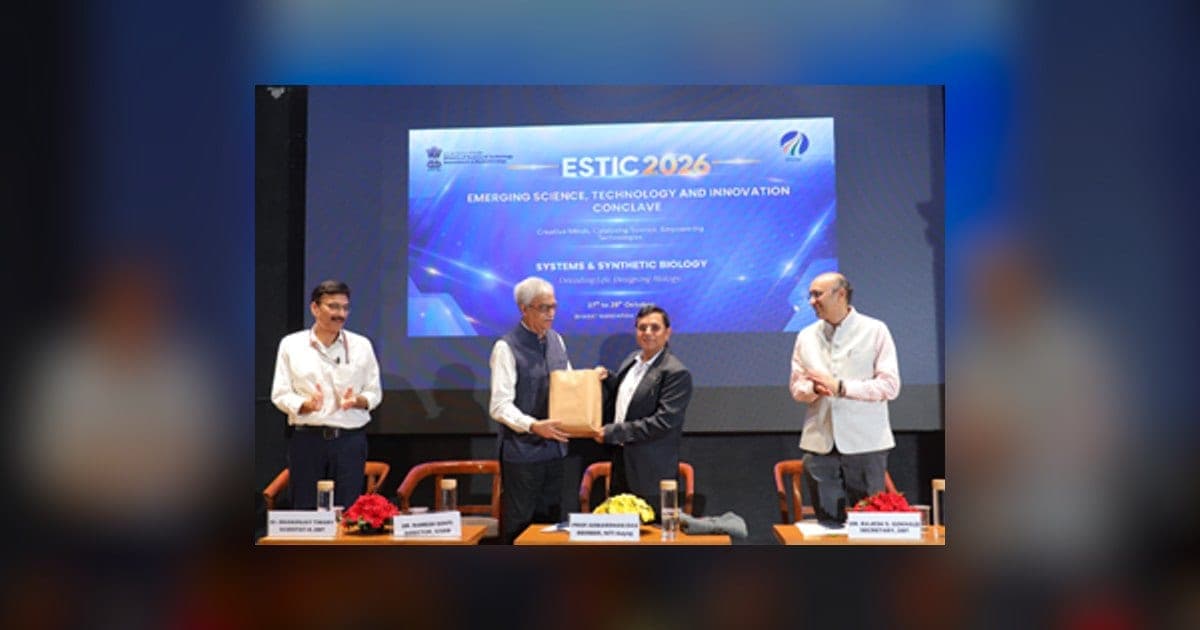
At ESTIC 2026 in New Delhi, Union Minister Dr Jitendra Singh said India's genetic and phenotypic diversity could make it a global centre for gene research, and called for indigenous capability in gene synthesis.
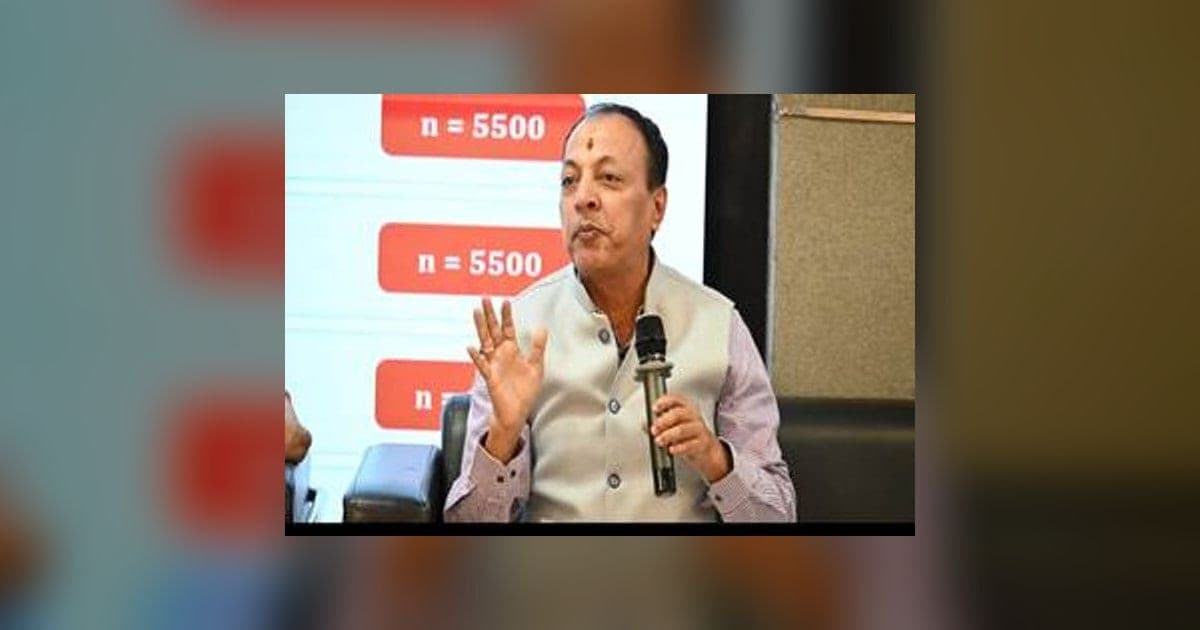
Union Minister of State (Independent Charge) for Science and Technology and Earth Sciences, Dr Jitendra Singh, has said that India's wide genetic diversity holds the potential to turn the country into an important global resource for gene research, with other nations likely to look towards its unique genetic material in the years ahead.
Where he said it
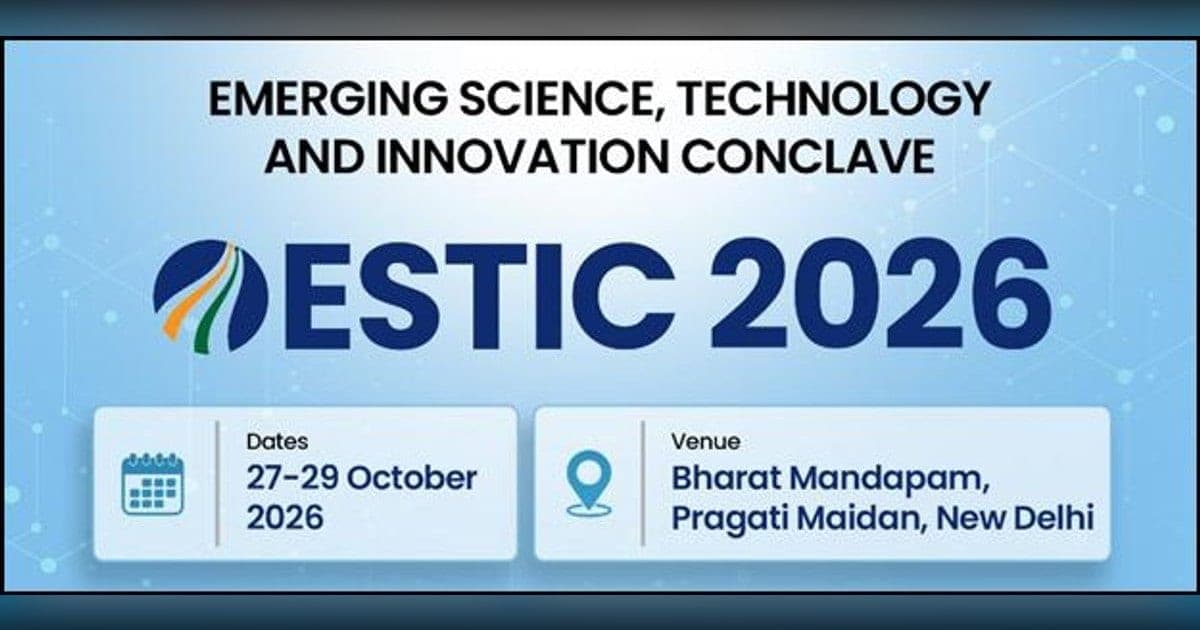
The remarks came at a session on System and Synthetic Biology during the Emerging Science, Technology and Innovation Conclave (ESTIC) 2026, held at Bharat Mandapam in New Delhi. The Minister, who also holds charge of the Prime Minister's Office, Personnel, Public Grievances, Pensions, Atomic Energy and Space, argued for building domestic strength in the newer branches of biotechnology and converting India's scientific base into research opportunities and usable applications.
Why diversity matters in genetics
Dr Singh said the country's genetic and phenotypic variety gives researchers a valuable foundation, particularly for understanding why disease patterns differ between populations and for opening fresh lines in healthcare. As India scales up its research capacity, he said, it can become a significant source of genetic resources for scientists everywhere.
Gene synthesis and self-reliance
A second theme was indigenous capability in gene synthesis. Depending on suppliers abroad for specialised research inputs, the Minister pointed out, costs Indian scientists time, access and continuity of work. Building that capability at home would let researchers move faster and would strengthen the wider biotechnology ecosystem.
Other points from the session
- Research needs stronger support systems, including greater participation by industry and funding for promising scientific work.
- Biology, engineering, mathematics and other disciplines are converging, and such interdisciplinary work is becoming essential as applications grow more complex.
- The recently enacted SHANTI Act opens nuclear medicine research to private-sector participation, which can widen the field.
- The pathway from discovery to technology and then to practical use needs to be shortened through collaboration between institutions, industry and entrepreneurs.
About the conclave
Dr Rajesh S. Gokhale, Secretary of the Department of Biotechnology, also took part in the session, which brought scientists and specialists together on the prospects for system and synthetic biology in India. ESTIC 2026 gathers scientists, policy makers, industry leaders, startups and young researchers to tie scientific research and technological innovation more closely to national development.
Important Facts
| Event | Emerging Science, Technology and Innovation Conclave (ESTIC) 2026 |
|---|---|
| Venue | Bharat Mandapam, New Delhi |
| Session | System and Synthetic Biology |
| Speaker | Dr Jitendra Singh, Minister of State (Independent Charge) for Science and Technology and Earth Sciences |
| Main point | India's genetic diversity can make it a global destination for gene research |
| Capability sought | Indigenous gene-synthesis capability |
| Law mentioned | SHANTI Act, opening nuclear medicine research to the private sector |
| Also present | Dr Rajesh S. Gokhale, Secretary, Department of Biotechnology |
Exam Point of View
Remember the speaker and his portfolios (Dr Jitendra Singh, MoS Independent Charge for Science and Technology and Earth Sciences), the event (ESTIC 2026 at Bharat Mandapam, New Delhi), the session (System and Synthetic Biology), the theme of genetic diversity and gene synthesis, the SHANTI Act on nuclear medicine, and the DBT Secretary, Dr Rajesh S. Gokhale.
Practice Questions
At which event did Dr Jitendra Singh speak on India's potential in gene research?
- A.India International Science Festival
- B.Emerging Science, Technology and Innovation Conclave (ESTIC) 2026
- C.Indian Science Congress
- D.Global Bio-India Summit
Show answer
The Minister was addressing a session on System and Synthetic Biology at that conclave, which brings scientists, policy makers, industry leaders, startups and young researchers together to tie research and technological innovation more closely to national development.
Read the full explanation →Which capability did Dr Jitendra Singh ask India to build at home to reduce dependence on overseas suppliers?
- A.Gene synthesis
- B.Satellite launch services
- C.Semiconductor fabrication
- D.Vaccine cold-chain storage
Show answer
The Minister said that relying on suppliers abroad for specialised research inputs creates difficulties for Indian scientists in terms of time, access and the continuity of their work, and that building this capability within the country would let researchers work more efficiently while strengthening the biotechnology ecosystem as a whole.
Read the full explanation →According to Dr Jitendra Singh, which recently enacted law opens nuclear medicine research to private-sector participation?
- A.The Atomic Energy Act
- B.The SHANTI Act
- C.The BioE3 Act
- D.The National Research Foundation Act
Show answer
Speaking about advances in nuclear medicine, the Minister referred to provisions in this recently enacted law that allow private players into nuclear medicine research, and said such steps can create openings for further research and for industry involvement in the sector.
Read the full explanation →Frequently Asked Questions
What is ESTIC 2026?
The Emerging Science, Technology and Innovation Conclave, held at Bharat Mandapam in New Delhi. It brings together scientists, policy makers, industry leaders, startups and young researchers to link research and innovation with national development.
Why does India's genetic diversity matter for research?
Dr Jitendra Singh said the country's genetic and phenotypic variety gives a strong base for studying why disease patterns differ and for healthcare innovation, and could make India an important source of genetic resources globally.
What did the Minister say about the SHANTI Act?
He said the recently enacted law carries provisions that open nuclear medicine research to private-sector participation, which can create fresh opportunities for research and for industry engagement in the field.
Sources
Current Affairs 27 October 2026
- India-Netherlands Business Forum Co-Chaired by Piyush GoyalInternational
- Atal Vayo Abhyuday Yojana: Rs 77.98 Crore for 755 ProjectsGovernment Schemes
- DPIIT Reforms: 2,50,046 Startups and USD 843 Billion FDIEconomy
- CCUS: Rs 20,000 Crore Scheme for Net Zero IndustryScience & Technology
- Vigilance Awareness Week 2026: Probity for Prosperity ThemeImportant Days
- Bihar Gramin Bank Pacts Give Staff Rs 77.69 Crore GainsBanking & Finance
- Jal Shakti Review: Ken-Betwa and Farakka Work AssessedNational
- Viksit Bharat Buildathon 2025 Enters Guinness World RecordsAwards & Honours
Related Current Affairs
- Science & Technology
AIIA Ayurveda Study Screens 5,594 Elderly in Faridabad
27 October 2026 · 2 min read
- Science & Technology
TDB Funds Manastu Space Green Propulsion With Rs 116 Crore
26 October 2026 · 2 min read
- Science & Technology
Immersive Tech Push: Rs 250 Crore for AVGC Creator Labs
26 October 2026 · 2 min read

Related GK
- Tourism and World Heritage Sites of Rajasthan Notes
27 October 2026 · Rajasthan
- Districts, Divisions and Firsts of Madhya Pradesh Notes
27 October 2026 · Madhya Pradesh
- Unification of Italy and Germany: Nationalism in Europe
27 October 2026 · Indian History
Take the Quiz
- Current Affairs Quiz
State Exams Current Affairs Quiz: 27 October 2026
25 questions25 minutesStart Quiz