
Global Healthcare Conclave 2026: 84 Populations Sequenced
At the Global Healthcare Conclave 2026, Dr Jitendra Singh said the Indian Genome Programme has sequenced people drawn from 84 population groups.
Why in News
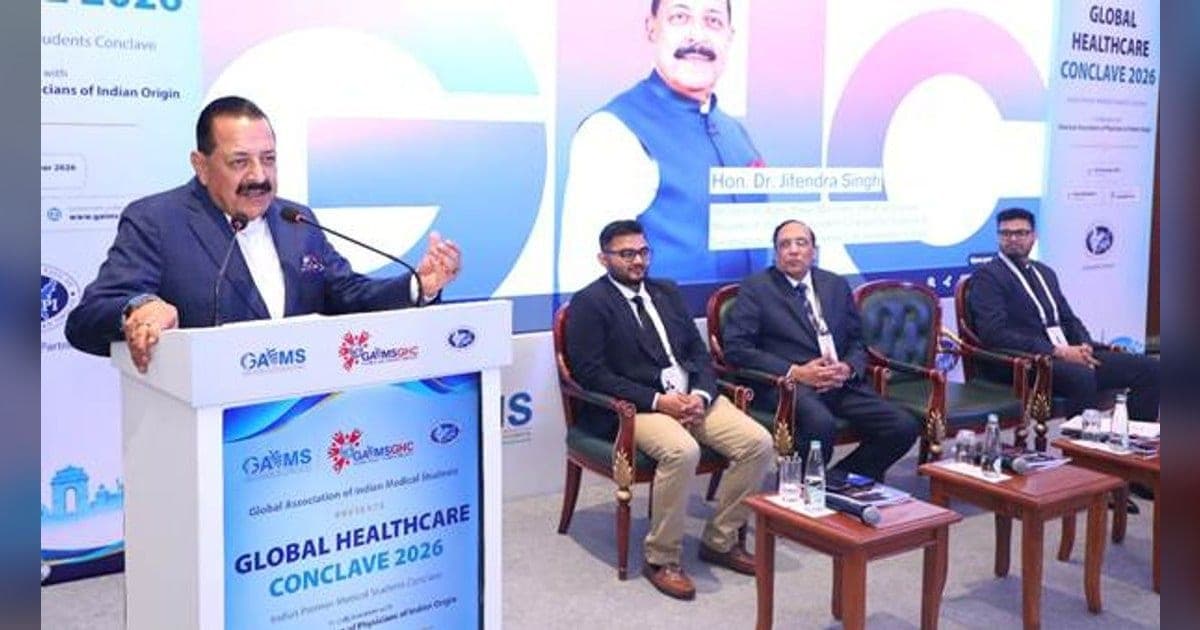
On 28 November 2026 Dr Jitendra Singh addressed the Global Healthcare Conclave 2026 in New Delhi, set out the reach of the Indian Genome Programme across 84 population groups, and called for a balance between clinical medicine and technology.
Union Minister of State for Science and Technology Dr Jitendra Singh told the Global Healthcare Conclave 2026 that India is turning into a healthcare powerhouse on the strength of home-grown research, medical innovation and treatment that ordinary patients can afford. The conclave was put together by the Global Association of Indian Medical Students, and the minister released its official souvenir before meeting the students who had gathered for it.
The genome effort
The minister described India's genetic spread as a research resource few countries can match. Under the Indian Genome Programme, about 10,000 to 15,000 people drawn from 84 distinct population groups have already had their genomes read, and the opening target is one million individuals. Such a database, he argued, would push precision medicine forward in India and add to medical knowledge well beyond its borders.
Home-grown advances he listed
- More than 50 lakh adolescent girls have received the vaccine under the HPV immunisation programme.
- Two antibiotics developed within the country have appeared in the past two years, one of them sold by Wockhardt.
- Gene therapy trial work on haemophilia at Christian Medical College, Vellore, found a place in the New England Journal of Medicine.
- CAR-T cell therapy and the cancer research at Tata Memorial Centre, Mumbai, are bringing advanced treatment within reach of more patients.
- Researchers are engineering E. coli to make GLP analogues, a line of work aimed at insulin resistance.
A changing disease burden
Diagnostics have travelled from the plain X-ray to ultrasound, CT and MRI, the minister said, while the pattern of illness has shifted. Communicable diseases once carried most of the burden; the country now carries a double load, with type-2 diabetes, heart disease, high blood pressure, dyslipidemia and fatty liver disease showing up in younger patients than before.
Technology with clinical sense
Artificial intelligence, quantum tools and sharper diagnostics are remaking medicine, Dr Jitendra Singh said, but none of them replaces a doctor's grasp of the patient in front of them. He wanted bedside teaching, physical examination and hands-on hospital work kept at the centre of medical education, and warned against treating laboratory reports as a substitute for clinical judgement. Students were urged to keep learning in genomics, artificial intelligence and precision medicine while holding on to that judgement. Dr Minu Bhajpai, Vice President of the National Board of Examinations in Medical Sciences, was the guest of honour, and Dr Shubham Anand, national chairman of the organising body, was present. The minister tied the whole effort to the Viksit Bharat 2047 goal.
Important Facts
| Event | Global Healthcare Conclave 2026 |
|---|---|
| Organiser | Global Association of Indian Medical Students (GAIMS) |
| Addressed by | Dr Jitendra Singh, Minister of State for Science and Technology |
| Indian Genome Programme | About 10,000 to 15,000 individuals from 84 population groups sequenced |
| Programme target | One million individuals, as the initial goal |
| HPV vaccination | More than 50 lakh adolescent girls vaccinated |
| Indigenous antibiotics | Two developed in the last two years, one marketed by Wockhardt |
| Gene therapy | Haemophilia trial work at CMC Vellore, published in the New England Journal of Medicine |
| Cancer research | CAR-T cell therapy work at Tata Memorial Centre, Mumbai |
| Guest of honour | Dr Minu Bhajpai, Vice President, National Board of Examinations in Medical Sciences |
Exam Point of View
Remember the conclave's name and year, its organiser (Global Association of Indian Medical Students), the Indian Genome Programme figures of 10,000 to 15,000 individuals from 84 populations with a one million target, more than 50 lakh girls vaccinated against HPV, the haemophilia gene therapy at CMC Vellore published in the New England Journal of Medicine, CAR-T work at Tata Memorial Centre and the Viksit Bharat 2047 frame.
Practice Questions
Under the Indian Genome Programme, individuals from how many distinct population groups have been sequenced?
- A.48
- B.64
- C.84
- D.104
Show answer
Speaking at the Global Healthcare Conclave 2026, Dr Jitendra Singh said that about 10,000 to 15,000 individuals drawn from 84 different population groups have had their genomes sequenced so far, and that the programme's initial target is one million individuals.
Read the full explanation →At which institution was the gene therapy trial work for haemophilia carried out, as cited by Dr Jitendra Singh?
- A.Tata Memorial Centre, Mumbai
- B.Christian Medical College, Vellore
- C.All India Institute of Medical Sciences, New Delhi
- D.Post Graduate Institute of Medical Education and Research, Chandigarh
Show answer
The minister cited successful gene therapy trial work for haemophilia at that institution, noting that the results were published in the New England Journal of Medicine, which he presented as evidence that Indian researchers are now contributing at the frontier of medical science.
Read the full explanation →How many adolescent girls have been vaccinated under India's HPV vaccination programme, according to the minister?
- A.More than 5 lakh
- B.More than 15 lakh
- C.More than 50 lakh
- D.More than 500 lakh
Show answer
Dr Jitendra Singh referred to the vaccination programme against the human papillomavirus and said that more than 50 lakh adolescent girls have already been covered by it, offering this as one example of India's widening role in global vaccination work.
Read the full explanation →Frequently Asked Questions
How many people have been sequenced under the Indian Genome Programme?
About 10,000 to 15,000 individuals, drawn from 84 different population groups. The programme's initial target is to sequence one million individuals, building a database meant to strengthen precision medicine in India.
Which indigenous medical advances did Dr Jitendra Singh cite at the conclave?
He pointed to the Indian Genome Programme, two indigenously developed antibiotics in the last two years, HPV vaccination covering more than 50 lakh adolescent girls, gene therapy trial work for haemophilia at CMC Vellore published in the New England Journal of Medicine, and CAR-T cell therapy with cancer research at Tata Memorial Centre, Mumbai.
Who organised the Global Healthcare Conclave 2026?
The Global Association of Indian Medical Students, known as GAIMS. Dr Shubham Anand is its national chairman, and Dr Minu Bhajpai, Vice President of the National Board of Examinations in Medical Sciences, attended as guest of honour.
Sources
- https://www.pib.gov.in/PressReleasePage.aspx?PRID=2343029 (opens in a new tab) — Press Information Bureau
Current Affairs 28 November 2026
- 'Aqui' Wins Golden Peacock for Best Film at 57th IFFI in GoaAwards & Honours
- Kashi Tamil Sangamam 5.0 Opens; Thirukkural in 50 LanguagesNational
- President Murmu Reviews INA Ezhimala Passing Out Parade 2026Defence
- Sivok-Rangpo Rail Line: Excavation Done in All 14 TunnelsNational
- NAVYA 2.0 Launched in Haridwar for 100 Districts, 24 StatesGovernment Schemes
- Dr Ambedkar Medical Aid Scheme Gives SC, ST Patients Rs 3.50 LakhGovernment Schemes
- India's Preferential Market Access Reaches USD 70 TrillionEconomy
- DRI Seizes King Cobra Venom and Big Cat Skins in MaharashtraEnvironment
Related Current Affairs
- Science & Technology
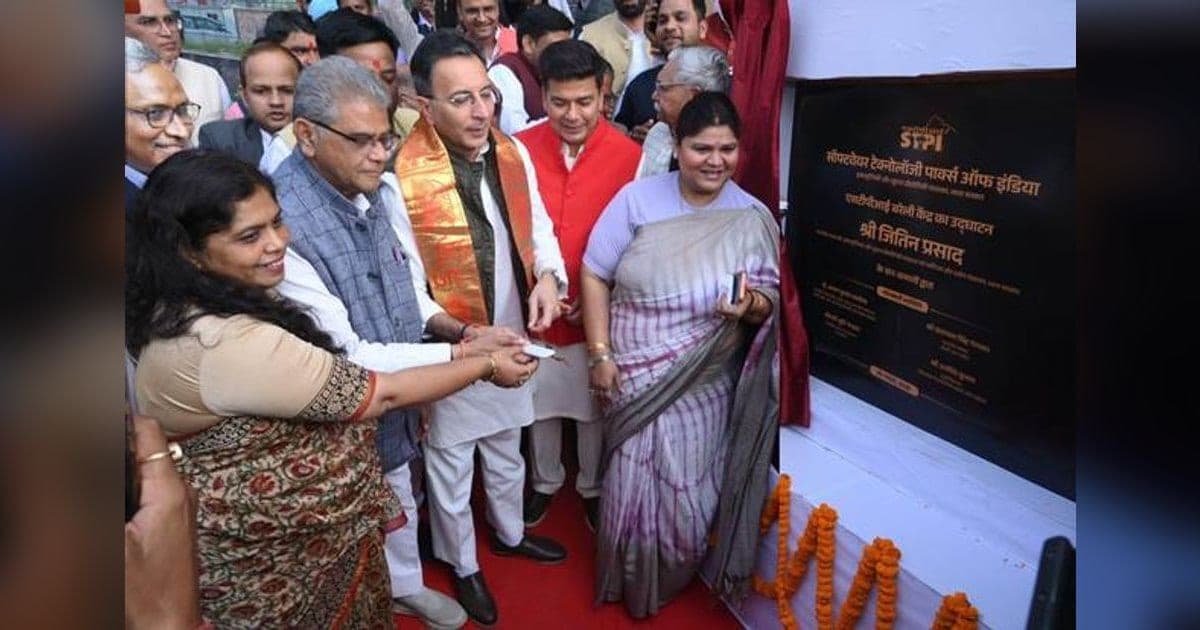
STPI Opens Its 75th Centre at Bareilly in Uttar Pradesh
27 November 2026 · 2 min read
- Science & Technology
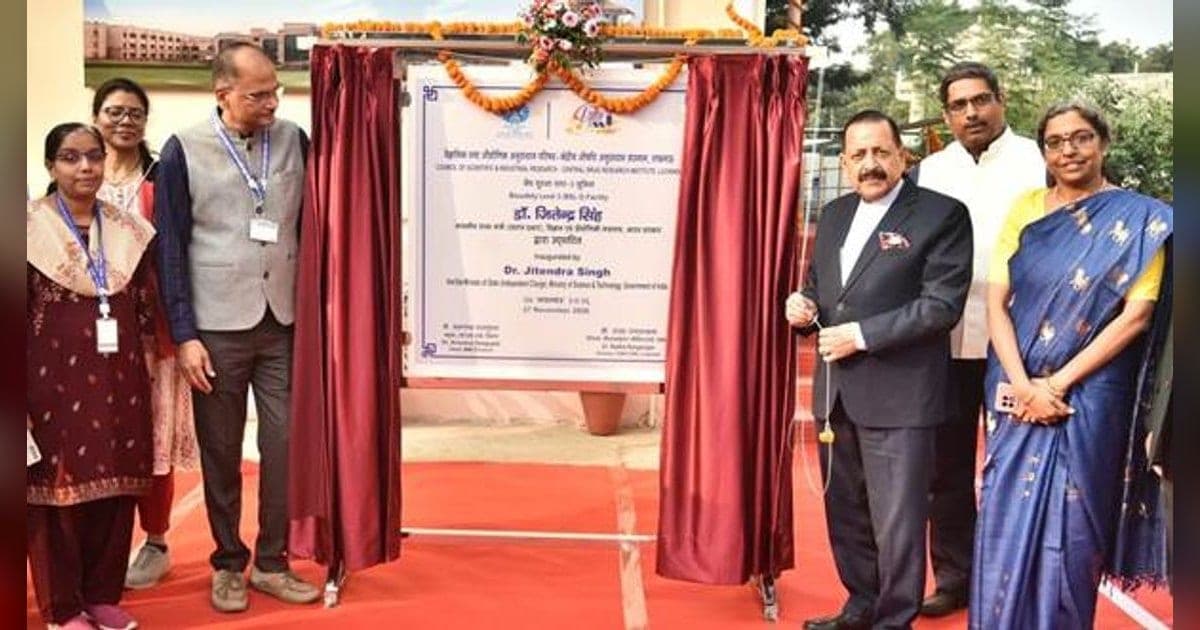
CSIR-CDRI Lucknow Opens BSL-3 Lab for Tuberculosis Research
27 November 2026 · 2 min read
- Science & Technology
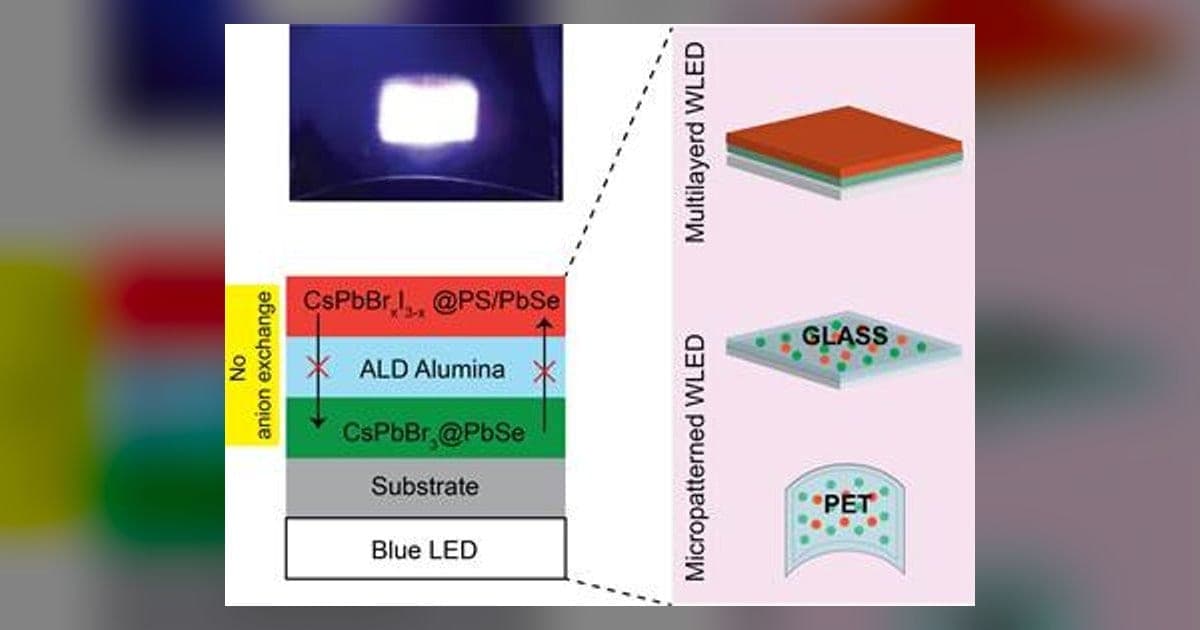
CeNS Bengaluru Develops Stable Tunable White LED Technology
27 November 2026 · 2 min read
- Science & Technology
BHASHINI and Social Justice Department Sign MoU on Languages
26 November 2026 · 2 min read
- Science & Technology
Gamma-Ray Detectors at Polar Stations Catch Solar Event GLE 77
26 November 2026 · 2 min read
- Science & Technology
Chariot-1 Foundation Models Launched Under IndiaAI Mission
26 November 2026 · 2 min read

Related GK
- Famous Personalities of Rajasthan: Exam Notes
28 October 2026 · Rajasthan
- Districts and Divisions of Rajasthan: Exam Notes
28 October 2026 · Rajasthan
- Tourism and World Heritage Sites of Rajasthan Notes
27 October 2026 · Rajasthan
Take the Quiz
- Current Affairs Quiz
Railway Current Affairs Quiz: 28 November 2026
25 questions25 minutesStart Quiz