
ICAR-NIHSAD Develops India's First Indigenous H5N1 Vaccine
ICAR-NIHSAD Bhopal has made India's first indigenous inactivated H5N1 Clade 2.3.2.1a bird flu vaccine for chickens, to be dedicated on 20 November 2026.

Why in News
On 18 November 2026 the Ministry of Agriculture and Farmers Welfare said that India's first indigenous inactivated H5N1 Clade 2.3.2.1a vaccine for chickens, developed by ICAR-NIHSAD Bhopal, will be dedicated to the nation on 20 November 2026.
India now has a vaccine of its own against the strain of bird flu that has hurt its poultry farms the most. The ICAR-National Institute of High Security Animal Diseases (ICAR-NIHSAD) at Bhopal has built an inactivated vaccine for chickens that works against H5N1 Clade 2.3.2.1a, the Highly Pathogenic Avian Influenza (HPAI) virus behind most outbreaks in chicken flocks. Nothing of this kind had been made in the country before. Union Minister of Agriculture and Farmers Welfare and Rural Development Shivraj Singh Chouhan is to dedicate it to the nation at the Bhopal institute on 20 November 2026.
Why this clade needed a vaccine
Work on the virus has pinned most chicken outbreaks on Clade 2.3.2.1a. The strain has lately been picked up in a range of animals, mammals included, and in three people. Until now no commercial vaccine aimed at this clade was available anywhere, so a home-grown one was the only way for India to cover the gap. The new vaccine is meant to shield birds from the Clade 2.3.2.1a viruses in circulation in the country.
What an outbreak costs
Bird flu, as HPAI is usually called, can kill nearly every infected bird, with deaths touching 100 per cent of a flock. The farmer loses twice over, first when birds are culled in bulk and again when trade curbs follow. Product prices, export business and rural livelihoods all move with it. The disease was first picked up in India in 2006, and the country has since logged more than 500 outbreaks of the H5N1 and H5N8 subtypes taken together.
Figures worth memorising
| Possible loss of GDP growth in a big outbreak | Up to 1.5 per cent |
| Poultry population at risk if the disease is unchecked | Over 20 per cent |
| Estimated loss in the 2006 outbreak | Rs 2,200 to 3,000 crore |
| Loss in the Manipur outbreak | 0.5 per cent of that state's GDP |
| WHO tally of human cases since 2003 | 1,003 cases, 479 deaths, 25 countries |
A public health question too
Health agencies keep a close watch on the virus as well. The World Health Organization counts 1,003 human H5N1 infections since 2003, of which 479 ended in death, reported from 25 countries with India among them. Holding the virus down in chickens therefore does more than protect farm income: it shortens the route the virus can take to other animals and to human beings.
Important Facts
| Vaccine | India's first indigenous inactivated H5N1 (Clade 2.3.2.1a) HPAI vaccine for chickens |
|---|---|
| Developed by | ICAR-National Institute of High Security Animal Diseases (ICAR-NIHSAD), Bhopal |
| To be dedicated by | Shivraj Singh Chouhan, Union Minister of Agriculture and Farmers Welfare and Rural Development |
| Place and date | ICAR-NIHSAD, Bhopal, on 20 November 2026 |
| Disease | Highly Pathogenic Avian Influenza (HPAI), commonly called bird flu |
| Mortality in an infected flock | Close to 100 per cent |
| First detected in India | 2006; more than 500 H5N1 and H5N8 outbreaks since then |
| Possible hit to GDP growth | Up to 1.5 per cent in a major outbreak |
| Loss in the 2006 outbreak | An estimated Rs 2,200 to 3,000 crore, direct and indirect |
| WHO human tally | 1,003 cases and 479 deaths in 25 countries since 2003 |
Exam Point of View
Remember the institute (ICAR-NIHSAD, Bhopal), the clade (2.3.2.1a), the disease (Highly Pathogenic Avian Influenza or bird flu), the vaccine type (inactivated, for chickens), the minister (Shivraj Singh Chouhan), the year bird flu was first detected in India (2006) and the WHO tally of 1,003 human cases with 479 deaths in 25 countries since 2003.
Practice Questions
Which institute has developed India's first indigenous H5N1 (Clade 2.3.2.1a) vaccine for chickens?
- A.ICAR-Indian Veterinary Research Institute, Izatnagar
- B.ICAR-National Institute of High Security Animal Diseases, Bhopal
- C.National Institute of Virology, Pune
- D.ICAR-National Dairy Research Institute, Karnal
Show answer
The inactivated vaccine for chickens against the H5N1 Clade 2.3.2.1a Highly Pathogenic Avian Influenza virus was developed indigenously at this Bhopal institute, usually shortened to ICAR-NIHSAD, and it is the first vaccine of its kind made in India against this clade.
Read the full explanation →In which year was bird flu first detected in India?
- A.2003
- B.2006
- C.2010
- D.2014
Show answer
Highly Pathogenic Avian Influenza was picked up in India for the first time that year, and since then the country has recorded more than 500 outbreaks of the H5N1 and H5N8 subtypes taken together.
Read the full explanation →According to the World Health Organization, how many human H5N1 avian influenza cases have been reported since 2003?
- A.479
- B.1,003
- C.2,200
- D.500
Show answer
The World Health Organization has counted 1,003 human infections of H5N1 avian influenza since 2003, drawn from 25 countries, India among them.
Read the full explanation →A major bird flu outbreak could reduce India's GDP growth by up to how much?
- A.0.5 per cent
- B.1.5 per cent
- C.2.5 per cent
- D.5 per cent
Show answer
A large bird flu outbreak is assessed as able to shave as much as 1.5 per cent off the growth of the Indian economy, and if the disease spreads without control more than 20 per cent of the national poultry population could be at risk.
Read the full explanation →Frequently Asked Questions
Which institute developed India's first indigenous H5N1 vaccine for chickens?
The ICAR-National Institute of High Security Animal Diseases (ICAR-NIHSAD), Bhopal. Its inactivated vaccine targets the H5N1 Clade 2.3.2.1a strain of Highly Pathogenic Avian Influenza and is the first of its kind in India.
When and by whom will the H5N1 chicken vaccine be dedicated to the nation?
On 20 November 2026, by Union Minister of Agriculture and Farmers Welfare and Rural Development Shivraj Singh Chouhan, at the ICAR-NIHSAD campus in Bhopal, Madhya Pradesh.
Why does Clade 2.3.2.1a matter so much?
Most bird flu outbreaks in chickens have been traced to this clade, and no commercial vaccine existed specifically against it. The strain has lately been detected in mammals as well and in three human infections, which makes control in poultry a public health matter and not only a farm one.
Sources
Current Affairs 18 November 2026
- Rural Development Ministry Issues VB-G RAM G Ombudsperson RulesGovernment Schemes
- Wind Energy: India at 59.20 GW, Eyes 156 GW by 2036Environment
- Indian Navy Marks 50 Years of Maritime Patrol FlyingDefence
- ICMR Crosses 100 Technology Transfer Deals at DHR SummitScience & Technology
- India Presses Climate Justice, CBDR-RC at COP31 AntalyaSummits & Conferences
- Export Promotion Mission: Niryat Disha Norms RelaxedEconomy
- IEPFA and SEBI Hold Niveshak Shivir in New DelhiBanking & Finance
- DRI Busts Delhi Alprazolam Lab, Seizes 148 kg MaterialNational
Related Current Affairs
- Science & Technology
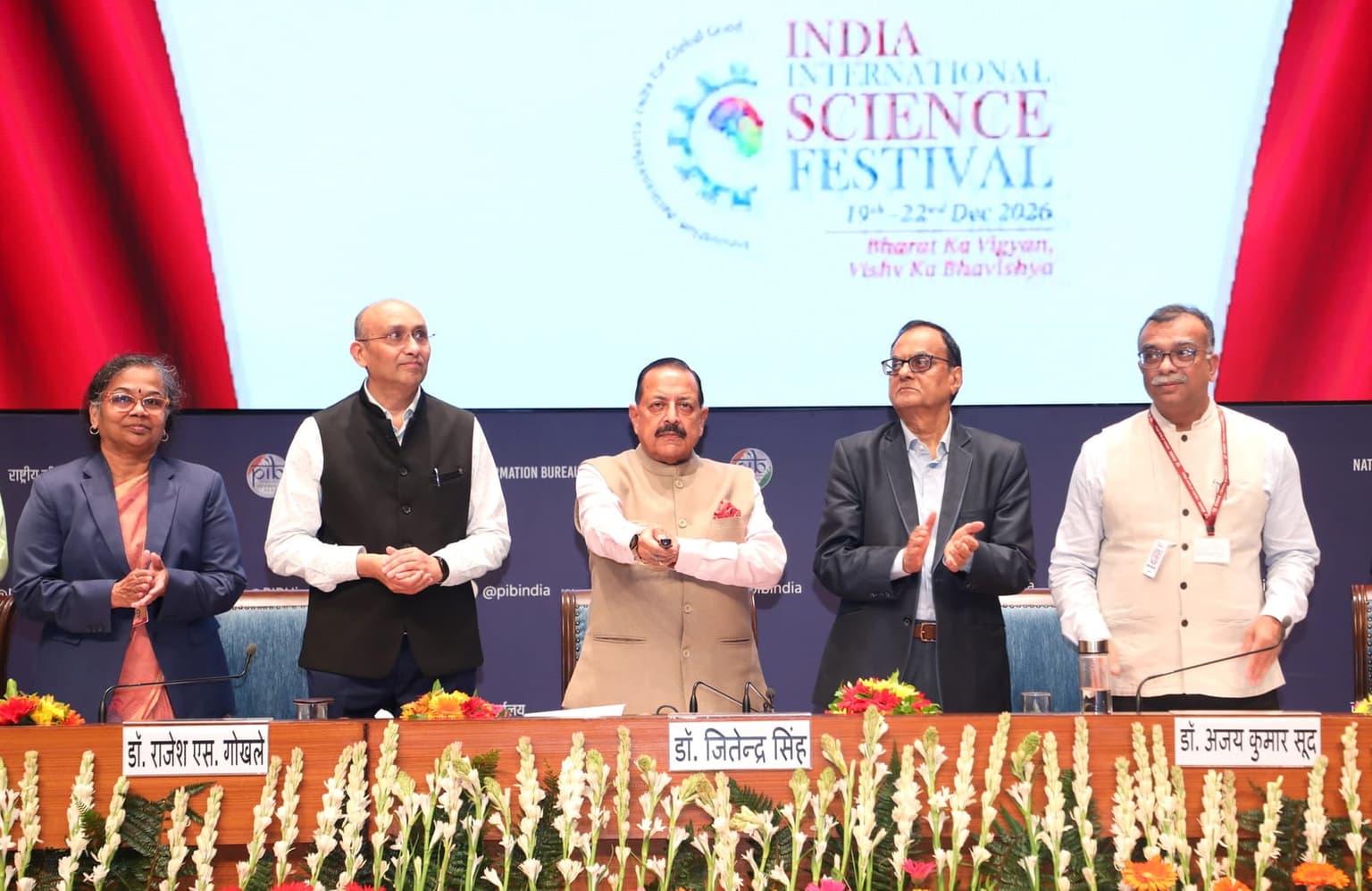
IISF 2026 Curtain Raiser Launched; Pune to Host 12th Edition
18 November 2026 · 2 min read
- Science & Technology
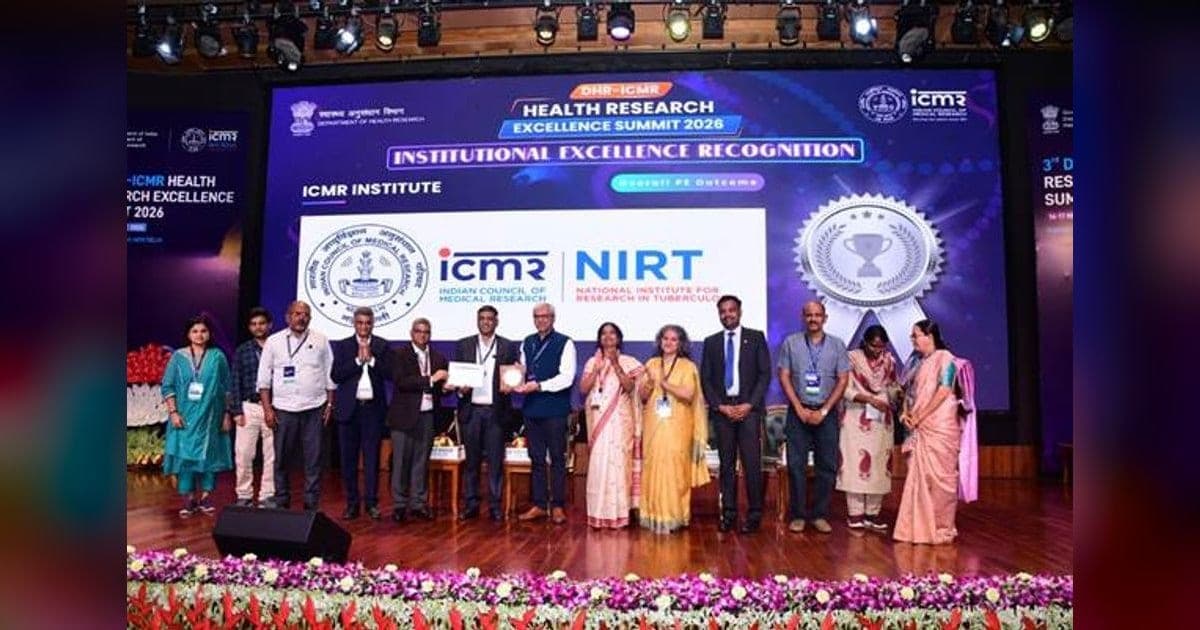
ICMR Crosses 100 Technology Transfer Deals at DHR Summit
18 November 2026 · 2 min read
- Science & Technology
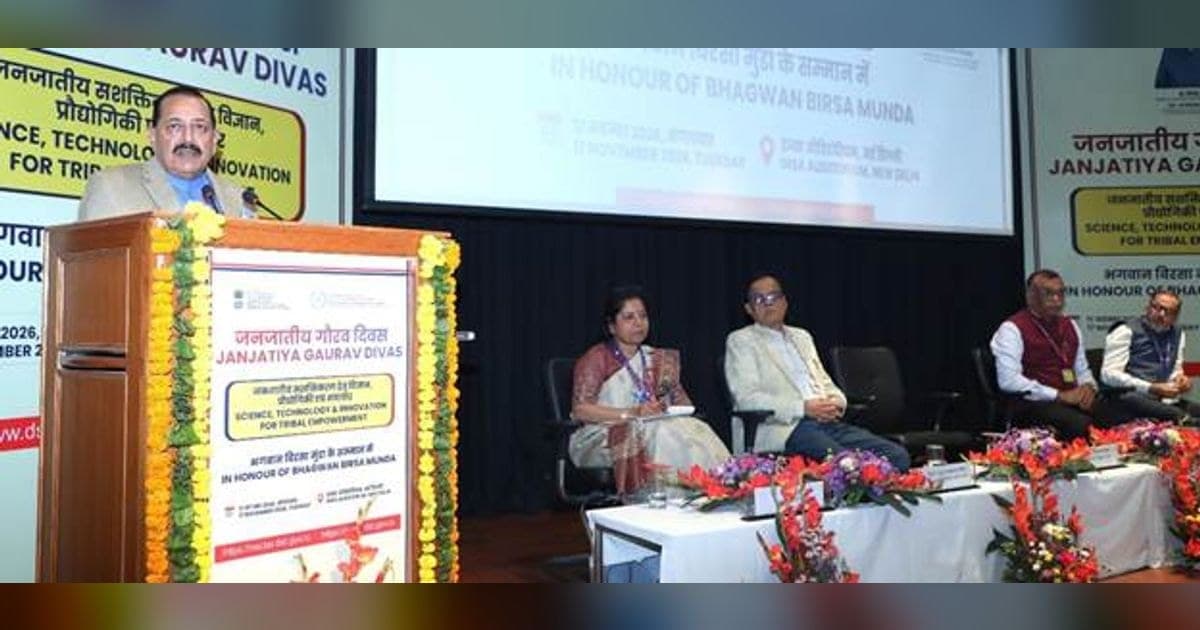
DST Releases Tribal Technology Compendium on Gaurav Divas
17 November 2026 · 2 min read
- Science & Technology
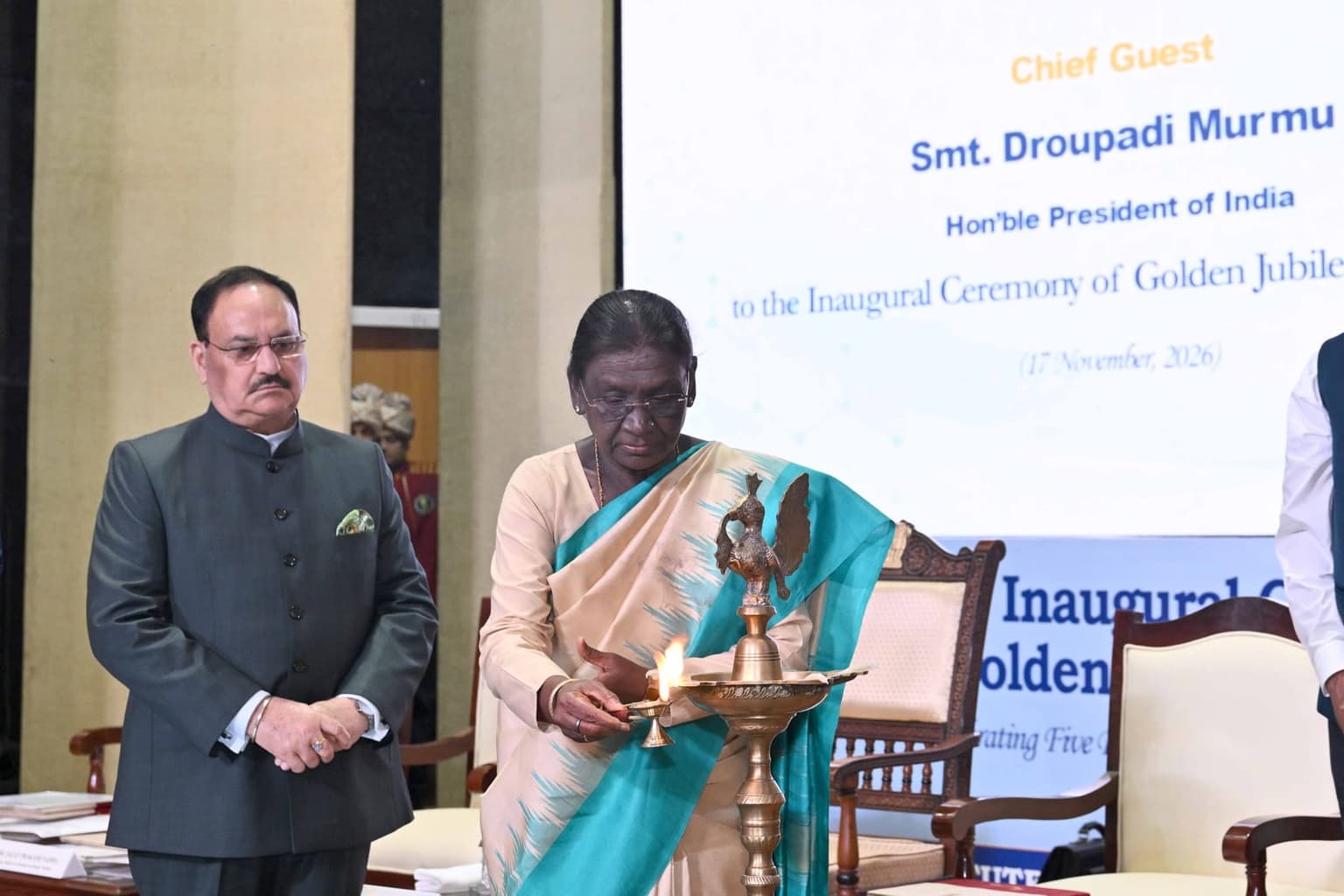
President Murmu Opens ICMR-NIMR Golden Jubilee Celebrations
17 November 2026 · 2 min read
- Science & Technology
NIELIT Launches CyberVitals and Net Anveshak at NCCDFI 2026
16 November 2026 · 2 min read
- Science & Technology
TDB Backs NeoSeeker Metals Critical Minerals Recycling Project
16 November 2026 · 2 min read
Related GK
- Famous Personalities of Rajasthan: Exam Notes
28 October 2026 · Rajasthan
- Districts and Divisions of Rajasthan: Exam Notes
28 October 2026 · Rajasthan
- Tourism and World Heritage Sites of Rajasthan Notes
27 October 2026 · Rajasthan
Take the Quiz
- Current Affairs Quiz
State Exams Current Affairs Quiz: 18 November 2026
25 questions25 minutesStart Quiz