
ICAR Turns Ganesh Visarjan Waste into Organic Manure
ICAR institutes ran post-Ganesh Visarjan cleanliness drives under Swachhata Hi Seva and composted flowers and puja samagri at Ranchi and Mumbai.
Why in News
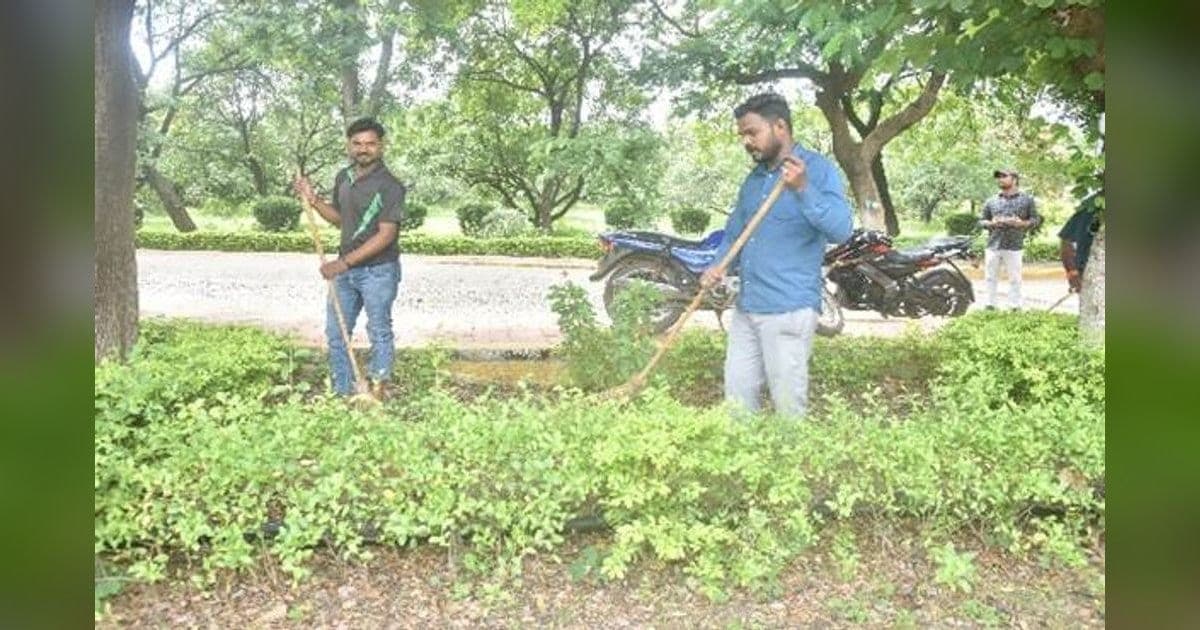
On 26 September 2026 the Indian Council of Agricultural Research reported cleanliness and awareness activities at its institutions under Swachhata Hi Seva, centred on cleaning up after Ganesh Visarjan and composting biodegradable offerings into organic manure.
The Indian Council of Agricultural Research (ICAR), the apex body for farm research under the Ministry of Agriculture and Farmers Welfare, has run awareness and cleanliness work at its institutions as part of the Swachhata Hi Seva activities. The drive, reported on 26 September 2026, was built around cleanliness after Ganesh Visarjan, keeping public spaces clean and handling waste responsibly.
The message at the pandal
An awareness programme on cleanliness after the immersion was organised at a local Ganesh pandal. Participants were told why idols made of clay are the environment-friendly choice, and were asked not to immerse idols of Plaster of Paris or idols painted with harmful chemical colours in drinking water tanks. They were urged to use the immersion sites marked for the purpose and to keep idols and puja samagri out of natural water bodies altogether.
Sorting the waste
The programme also pressed for the proper collection and disposal of flowers, puja samagri, plastic, thermocol and the other decorative waste that festivals leave behind. Speakers explained why immersion sites must be kept clean, why littering has to be stopped, and what safety precautions people should take near water bodies. The stretch around the pandal was then cleaned, with the garbage collected and segregated so that it could be disposed of safely.
Compost at Ranchi and Mumbai
Two institutes turned the offerings into a resource. At ICAR-NISA in Ranchi, Jharkhand, and at ICAR-CIRCOT in Mumbai, Maharashtra, biodegradable offerings such as flowers and other puja samagri were collected and separated from the rest of the waste. The compostable material was then processed at composting facilities to prepare organic manure, so that waste generated during Ganesh Visarjan came back as a useful input for the soil.
Taken together, the activities were meant to spread awareness about cleanliness, sanitation, protection of the environment and responsible waste management, and to push people towards clean, safe and environmentally responsible practices during the festival and after it. The council underlined that protecting water resources and keeping public places clean rests on collective responsibility and on people taking part themselves.
Important Facts
| Organisation | Indian Council of Agricultural Research (ICAR) |
|---|---|
| Parent ministry | Ministry of Agriculture and Farmers Welfare |
| Campaign | Swachhata Hi Seva |
| Focus | Cleanliness after Ganesh Visarjan and responsible waste management |
| Idols advised | Eco-friendly clay idols |
| Idols discouraged | Plaster of Paris idols and idols with harmful chemical colours |
| Composting institutes | ICAR-NISA, Ranchi (Jharkhand) and ICAR-CIRCOT, Mumbai (Maharashtra) |
| Output | Organic manure from biodegradable offerings |
| Waste segregated | Flowers, puja samagri, plastic, thermocol and decorative waste |
Exam Point of View
Remember that ICAR works under the Ministry of Agriculture and Farmers Welfare, that the campaign is Swachhata Hi Seva, the advice to use clay idols and designated immersion sites instead of Plaster of Paris idols and natural water bodies, and the two institutes that composted the offerings, ICAR-NISA at Ranchi in Jharkhand and ICAR-CIRCOT at Mumbai in Maharashtra.
Practice Questions
At which two ICAR institutes were biodegradable offerings from Ganesh Visarjan collected and processed into organic manure?
- A.ICAR-CIRB, Hisar and ICAR-IARI, New Delhi
- B.ICAR-NISA, Ranchi and ICAR-CIRCOT, Mumbai
- C.ICAR-NDRI, Karnal and ICAR-CIFT, Kochi
- D.ICAR-IIHR, Bengaluru and ICAR-CICR, Nagpur
Show answer
Correct answer: B. ICAR-NISA, Ranchi and ICAR-CIRCOT, Mumbai
Explanation
The correct answer is ICAR-NISA, Ranchi and ICAR-CIRCOT, Mumbai. At these two institutes, one in Jharkhand and the other in Maharashtra, biodegradable offerings such as flowers and other puja samagri were collected and segregated from the rest of the festival waste, and the compostable material was then processed at composting facilities to prepare organic manure. That turned waste generated during the immersion into a useful resource for the soil. Options A, C and D name other well-known institutes of the council, but none of them was reported as carrying out this composting work. The activity formed part of the wider Swachhata Hi Seva drive at ICAR institutions, which also covered awareness at a local Ganesh pandal, cleaning of the surrounding area and segregation of the garbage collected there.
The ICAR awareness and cleanliness activities after Ganesh Visarjan were organised as part of which campaign?
- A.Namami Gange
- B.Mission LiFE
- C.Swachhata Hi Seva
- D.Jal Jeevan Mission
Show answer
Correct answer: C. Swachhata Hi Seva
Explanation
The correct answer is Swachhata Hi Seva. The Indian Council of Agricultural Research organised its awareness and cleanliness initiatives at its institutions as part of these activities, with the focus placed on cleanliness after Ganesh Visarjan, clean public spaces and responsible waste management. Option A, Namami Gange, is the programme for the rejuvenation of the Ganga and was not named here. Option B, Mission LiFE, promotes environment-friendly lifestyles but is not the campaign under which these programmes were held. Option D, the Jal Jeevan Mission, is about household tap water supply and has nothing to do with this drive. Under the campaign, participants were sensitised about eco-friendly clay idols, the use of designated immersion sites and the proper collection and disposal of flowers, puja samagri, plastic, thermocol and decorative waste.
In the awareness programme at the Ganesh pandal, which idols were people advised NOT to immerse in drinking water tanks?
- A.Idols made of clay
- B.Idols of Plaster of Paris and those with harmful chemical colours
- C.Idols made of paper pulp
- D.Idols made of turmeric
Show answer
Correct answer: B. Idols of Plaster of Paris and those with harmful chemical colours
Explanation
The correct answer is idols of Plaster of Paris and those with harmful chemical colours. Participants at the programme were sensitised about the use of eco-friendly clay idols and were advised to avoid immersing idols made of Plaster of Paris, or carrying harmful chemical colours, in drinking water tanks. Option A is wrong because clay idols were precisely what the programme recommended, not what it warned against. Options C and D name materials that were not discussed at the programme at all. Beyond the choice of idol, people were encouraged to use the immersion sites designated for the purpose, to keep idols and puja samagri out of natural water bodies, and to maintain cleanliness and take safety precautions at immersion sites, since protecting water resources rests on collective responsibility and community participation.
Frequently Asked Questions
Which campaign did the ICAR cleanliness activities come under?
Swachhata Hi Seva. Under it, ICAR institutions organised awareness and cleanliness work on cleaning up after Ganesh Visarjan, keeping public spaces clean and managing waste responsibly.
Which ICAR institutes composted the Ganesh Visarjan offerings?
ICAR-NISA at Ranchi in Jharkhand and ICAR-CIRCOT at Mumbai in Maharashtra. Biodegradable offerings were collected and segregated there and the compostable material was processed into organic manure.
What idols did the awareness programme recommend?
Eco-friendly idols made of clay. People were advised against immersing Plaster of Paris idols or idols with harmful chemical colours in drinking water tanks, and asked to use designated immersion sites.
Sources
- ICAR Institutes Promote Cleanliness and Sustainable Waste Management (opens in a new tab) — Press Information Bureau
Current Affairs 26 September 2026
- World Tourism Day 2026 Theme Puts AI at Heart of TravelImportant Days
- India Presses for Fair PABS System at UN Pandemic MeetingInternational
- Special Campaign 6.0 to Run in Ministries from 2 OctoberNational
- Swachhata Hi Seva 2026 Theme Guides ICAR-CIRB SamvadNational
- Guntur-Nambur 668-Metre Road Over Bridge to Cost 108 CroreNational
- CSIR-NIScPR Launches Science Magazines in Five LanguagesScience & Technology
- India's First Port-Based e-Methanol Plant Comes Up at KandlaEnvironment
- Election Commission Extends Delhi SIR Deadline to 30 OctoberNational
Related Current Affairs
- Environment
India's First Port-Based e-Methanol Plant Comes Up at Kandla
26 September 2026 · 2 min read
- Environment
NRAA Holds REWARD Meeting on Watershed Guidelines for PMKSY
23 September 2026 · 2 min read
- Environment
Swachh Sagar Surakshit Sagar 5.0: 15 Lakh Take Ocean Pledge
21 September 2026 · 2 min read
- Environment
NGT Conference on Future of Environment and Climate Concludes
20 September 2026 · 2 min read


Related GK
- Uttar Pradesh GK: History, Geography and Static Facts
26 September 2026 · Indian States & UTs
- Indian Satellites and NavIC: Series, Firsts and MCQs
26 September 2026 · Science & Technology
- ISRO Launch Vehicles: PSLV, GSLV, LVM3 and SSLV Notes
26 September 2026 · Science & Technology
Take the Quiz
- Current Affairs Quiz
RRB NTPC Current Affairs Quiz: 26 September 2026
25 questions25 minutesStart Quiz