
Swachhata Hi Seva 2026 Theme Guides ICAR-CIRB Samvad
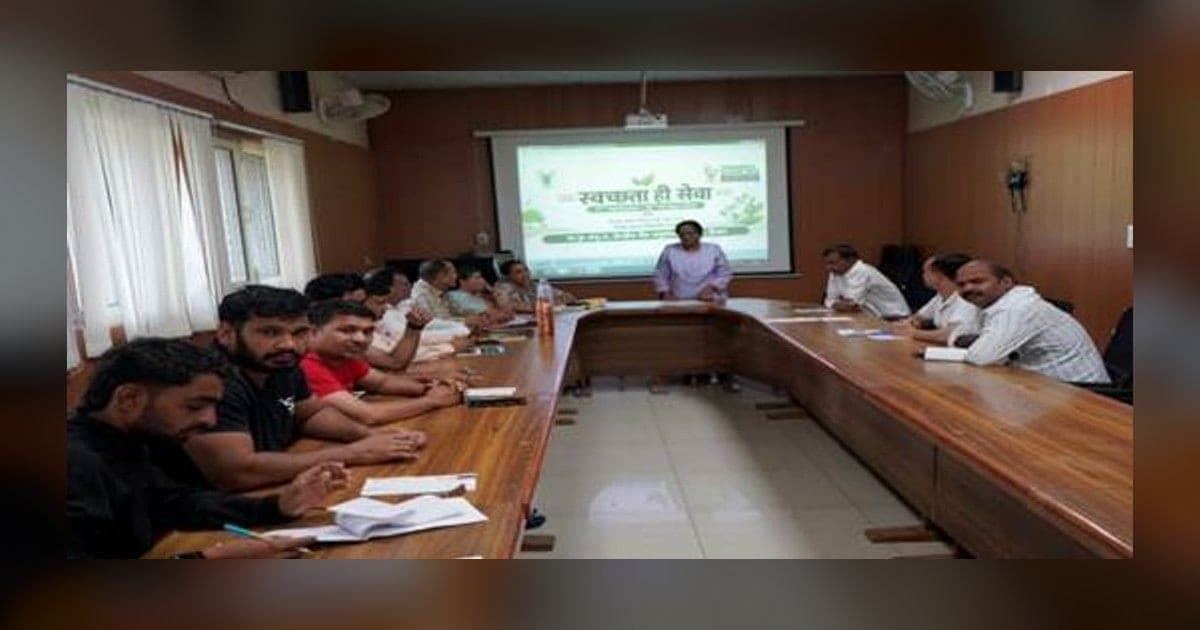
ICAR-CIRB, Hisar held a Swachhata Samvad under the Swachhata Hi Seva 2026 theme 'Swachhta Mein Sahbhag - Swachh Bharat, Viksit Bharat' on 24 September.
Why in News
A release of 26 September 2026 from the Ministry of Agriculture and Farmers Welfare described the Swachhata Samvad held at ICAR-CIRB, Hisar, under the Swachhata Hi Seva 2026 campaign and named the campaign's theme.
The cleanliness fortnight that central institutions observe every September carries a fixed theme, and for Swachhata Hi Seva 2026 that theme is 'Swachhta Mein Sahbhag - Swachh Bharat, Viksit Bharat'. Working under it, the Indian Council of Agricultural Research - Central Institute for Research on Buffaloes (ICAR-CIRB) at Hisar held a Swachhata Samvad on 24 September 2026. The institute falls under the Ministry of Agriculture and Farmers Welfare.
What a Swachhata Samvad is
The activity followed the campaign's Day-VIII action plan, which sets aside a day for dialogue rather than for sweeping. A Samvad is meant to work as a platform for discussion, so that participation in cleanliness work grows and awareness spreads about hygiene and the sustainable handling of waste. Around twenty people joined the interactive session, drawn from the institute's contractual staff and its Young Professionals.
How the session was run
Instead of a lecture, the organisers asked those present to speak for themselves. Participants described what they see at home, at work and in the streets around them, and offered suggestions. The discussion settled on a few practical matters: stopping people from throwing litter about, disposing of waste responsibly, cutting down the use of plastic and using what is needed properly, separating waste at the point where it is generated, and making such habits routine rather than occasional.
The argument made
| Campaign | Swachhata Hi Seva 2026 |
| Theme | Swachhta Mein Sahbhag - Swachh Bharat, Viksit Bharat |
| Institute | ICAR-CIRB, Hisar |
The exchange led to a point worth noting for anyone studying the cleanliness mission: sanitation is not merely a municipal service or a day's labour, but a shared social responsibility that depends on steady changes in behaviour and on Jan Bhagidari, or people's participation. Simple acts, the participants agreed, add up: not littering, avoiding plastic that serves no purpose, segregating waste and seeing that it reaches the right place.
Close of the programme
The session ended with a collective pledge by those present to carry cleanliness, responsible waste management and sustainable habits into their own surroundings. In doing so the institute reflected the spirit its campaign theme names, that of participation in cleanliness, by putting dialogue and shared responsibility at the centre of the exercise rather than a one-day drive.
Important Facts
| Campaign | Swachhata Hi Seva 2026 |
|---|---|
| Theme | Swachhta Mein Sahbhag - Swachh Bharat, Viksit Bharat |
| Activity | Swachhata Samvad, under the Day-VIII action plan |
| Institute | ICAR-CIRB, Central Institute for Research on Buffaloes |
| Location | Hisar |
| Parent ministry | Ministry of Agriculture and Farmers Welfare |
| Date of the Samvad | 24 September 2026 |
| Participants | Around twenty, including contractual staff and Young Professionals |
| Key idea | Jan Bhagidari, or people's participation, in cleanliness |
Exam Point of View
The examinable facts here are the name and theme of the campaign - Swachhata Hi Seva 2026, 'Swachhta Mein Sahbhag - Swachh Bharat, Viksit Bharat' - and the identity of the institute: ICAR-CIRB is the Central Institute for Research on Buffaloes at Hisar, under the Ministry of Agriculture and Farmers Welfare. Also note the term Jan Bhagidari and what a Swachhata Samvad is meant to do.
Practice Questions
What is the theme of the Swachhata Hi Seva 2026 campaign?
- A.Swachhata Hi Seva, Seva Hi Dharma
- B.Swachhta Mein Sahbhag - Swachh Bharat, Viksit Bharat
- C.Sampoorna Swachhata for Sampoorna Bharat
- D.Ek Tareekh, Ek Ghanta, Ek Saath
Show answer
Correct answer: B. Swachhta Mein Sahbhag - Swachh Bharat, Viksit Bharat
Explanation
The correct answer is Swachhta Mein Sahbhag - Swachh Bharat, Viksit Bharat. The theme joins two ideas, participation in cleanliness and the goal of a developed India, and every activity held under the campaign is expected to reflect it. The Swachhata Samvad at the Central Institute for Research on Buffaloes at Hisar was organised under exactly this theme, which is why the release names it. Option A reads like a slogan built from the campaign's own title but is not the theme announced for this edition. Option C is invented and merely strings together familiar words about complete cleanliness. Option D names a well-known call for a shared hour of voluntary cleaning work, which is a separate initiative rather than the theme of this campaign. Aspirants should keep the theme and such campaign slogans apart, since both appear in question papers.
ICAR-CIRB, which organised a Swachhata Samvad in September 2026, conducts research on which animal, and where is it located?
- A.Goats, at Makhdoom
- B.Buffaloes, at Hisar
- C.Camels, at Bikaner
- D.Poultry, at Hyderabad
Show answer
Correct answer: B. Buffaloes, at Hisar
Explanation
The correct answer is buffaloes, at Hisar. The abbreviation expands to the Indian Council of Agricultural Research - Central Institute for Research on Buffaloes, and the institute works under the Ministry of Agriculture and Farmers Welfare. It was this institute that held the Swachhata Samvad for its contractual staff and Young Professionals as part of the campaign's Day-VIII action plan. Option A names an institute devoted to goat research at a different station, option C a body working on camels, and option D one working on poultry; all three are of the same family of council institutes, which is precisely why they make good distractors. For examinations it helps to remember the animal, the station and the parent ministry as a single unit, because questions on such institutes usually ask for the pairing of a research subject with its headquarters.
Under the cleanliness campaign, what is a Swachhata Samvad intended to serve as?
- A.A platform for dialogue and discussion to widen participation in cleanliness work
- B.A competition ranking offices by the waste they dispose of
- C.An inspection by an external audit team
- D.A lecture series delivered by sanitation engineers
Show answer
Correct answer: A. A platform for dialogue and discussion to widen participation in cleanliness work
Explanation
The correct answer is a platform for dialogue and discussion to widen participation in cleanliness work. The action plan for the day envisages the Samvad in exactly these terms, so that awareness about hygiene and sustainable waste management spreads through conversation. That is why the organisers set aside the usual lecture format and instead invited participants to describe practical problems at home, at work and in the areas around them, and to offer suggestions. Option B turns the exercise into a ranking contest, which is not its purpose. Option C describes an external inspection, whereas the Samvad was an internal and voluntary discussion. Option D is the very method the organisers deliberately avoided, since a one-sided lecture would not have drawn out the experiences of those present. The session closed with a collective commitment rather than an assessment.
Frequently Asked Questions
What is the theme of Swachhata Hi Seva 2026?
'Swachhta Mein Sahbhag - Swachh Bharat, Viksit Bharat'. ICAR-CIRB, Hisar, held a Swachhata Samvad under this campaign on 24 September 2026.
What does ICAR-CIRB stand for and where is it located?
Indian Council of Agricultural Research - Central Institute for Research on Buffaloes. It is located at Hisar and works under the Ministry of Agriculture and Farmers Welfare.
What is the purpose of a Swachhata Samvad?
It is a platform for dialogue and discussion, meant to widen participation in cleanliness initiatives and spread awareness about hygiene and sustainable waste management.
What does Jan Bhagidari mean in this context?
People's participation. The session concluded that cleanliness is a shared social responsibility needing consistent behavioural change and Jan Bhagidari, not sanitation work alone.
Sources
- ICAR-CIRB Organises Swachhata Samvad to Promote Cleanliness and Jan Bhagidari (opens in a new tab) — Press Information Bureau
Current Affairs 26 September 2026
- World Tourism Day 2026 Theme Puts AI at Heart of TravelImportant Days
- India Presses for Fair PABS System at UN Pandemic MeetingInternational
- Special Campaign 6.0 to Run in Ministries from 2 OctoberNational
- Guntur-Nambur 668-Metre Road Over Bridge to Cost 108 CroreNational
- CSIR-NIScPR Launches Science Magazines in Five LanguagesScience & Technology
Related Current Affairs
- National
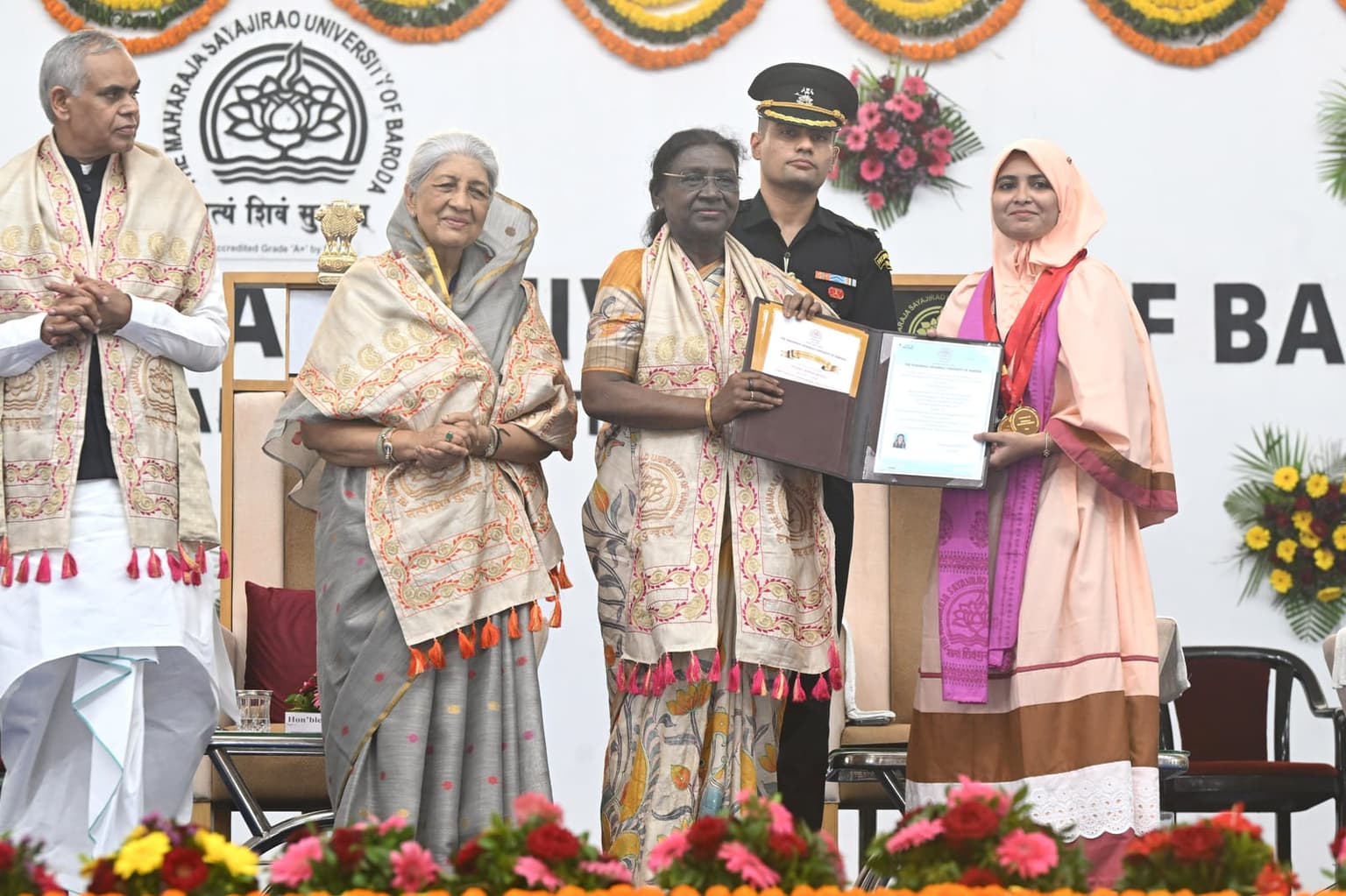
President Murmu Attends 75th MS University Convocation, Vadodara
23 September 2026 · 2 min read


Related GK
- Uttar Pradesh GK: History, Geography and Static Facts
26 September 2026 · Indian States & UTs
- Indian Satellites and NavIC: Series, Firsts and MCQs
26 September 2026 · Science & Technology
- ISRO Launch Vehicles: PSLV, GSLV, LVM3 and SSLV Notes
26 September 2026 · Science & Technology
Take the Quiz
- Current Affairs Quiz
State Exams Current Affairs Quiz: 26 September 2026
19 questions19 minutesStart Quiz