
Odisha Millet Roadmap Targets 5 Lakh Hectares by 2047
At a national event in Bhubaneswar, ICAR chief M. L. Jat set a target of 5 lakh hectares under millets in Odisha by 2047 with 8 lakh tonnes of output.
Why in News
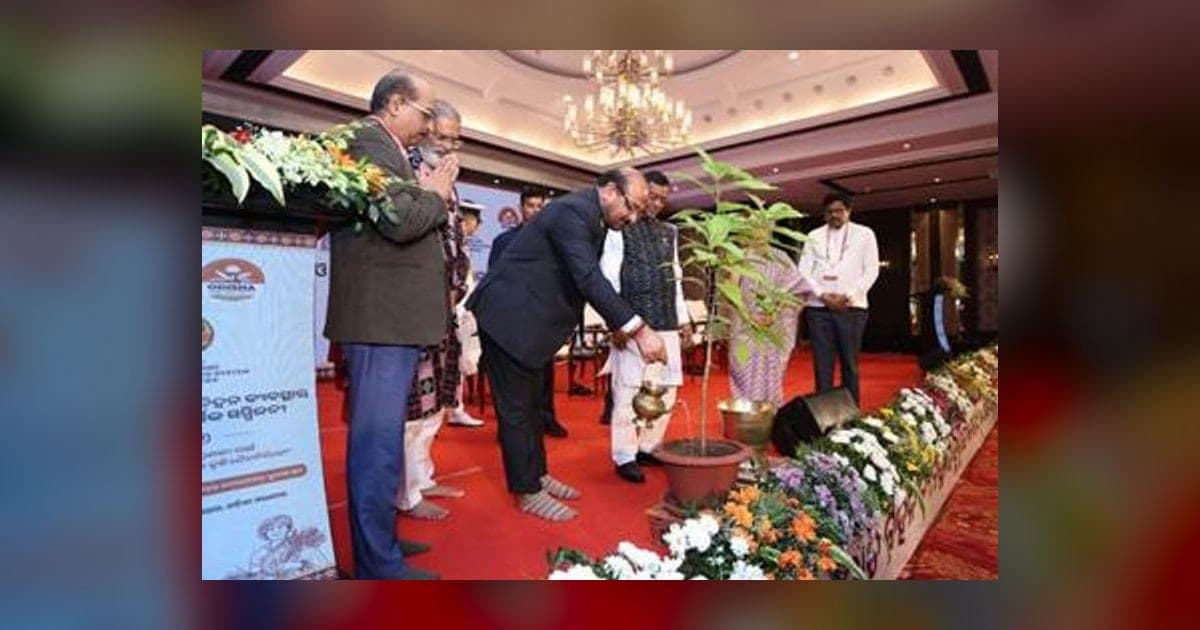
On 10 November 2026 a national event at Bhubaneswar opened with ICAR Director General Dr Mangi Lal Jat proposing that Odisha expand millet cultivation to 5 lakh hectares by 2047 with production of 8 lakh metric tonnes.
A two-day national event on agro-biodiversity conservation, climate-resilient farming and sustainable food systems opened at Bhubaneswar in Odisha on 10 November 2026. Odisha Governor Braj Mohan Ram, the state’s Agriculture and Farmer Welfare Minister Kanak Vardhan Singh Deo, Dr Mangi Lal Jat, Secretary of the Department of Agricultural Research and Education and Director General of the Indian Council of Agricultural Research, and Dr Soumya Swaminathan, Chairperson of the M. S. Swaminathan Research Foundation, were present. Sachin Ramachandra Jadhav, Commissioner-cum-Secretary of the state agriculture department, joined them, along with scientists and policymakers.
The millet target
Dr Jat proposed that the area under millets in Odisha be raised from 1.79 lakh hectares to 5 lakh hectares by 2047, with production reaching 8 lakh metric tonnes. He described the state’s Shree Anna Abhiyan as a possible national model for millet-led change in farming, and argued that opportunity crops such as millets answer several problems at once: a warming climate, tired soils and poor nutrition.
Ragi and the state’s seed wealth
| Item | Figure |
| Millet area now | 1.79 lakh hectares |
| Target area by 2047 | 5 lakh hectares |
| Production target | 8 lakh metric tonnes |
| Ragi procured in KMS 2024-25 | 7.5 lakh quintals |
| Procurement target for 2025-26 | 8 lakh quintals |
The meeting praised Odisha’s record in ragi procurement and its care for native seed. The state has documented 163 landraces of finger millet, and traditional varieties such as Kalia, Bati, Mami and Bharathi were singled out for conservation.
What was proposed next
- Scientific cultivation practices to be scaled up across millet districts.
- Minor millets such as suan and kangu to be promoted.
- Affordable processing machinery to be developed for small growers.
- Farmer Producer Organisations and women’s self-help groups to be strengthened, with market links through the Indian Institute of Millets Research at Hyderabad.
Dr Jat also proposed closer research ties with the Hyderabad institute and the setting up of a Centre of Excellence on Millets at Odisha University of Agriculture and Technology. The inaugural session was followed by a tour of exhibition stalls showing farm innovations, native crop diversity and millet-based products, with farmers taking part in the discussion. The organisers said the event was meant to build institutional partnerships and speed up Odisha’s move towards climate-resilient and profitable millet farming.
Important Facts
| Event | Two-day national event on agro-biodiversity conservation, climate-resilient agriculture and sustainable food systems |
|---|---|
| Venue | Bhubaneswar, Odisha |
| Proposed by | Dr Mangi Lal Jat, Secretary DARE and Director General, ICAR |
| Millet area target | From 1.79 lakh hectares to 5 lakh hectares by 2047 |
| Production target | 8 lakh metric tonnes |
| State campaign | Odisha Shree Anna Abhiyan |
| Ragi procurement | 7.5 lakh quintals in KMS 2024-25; target 8 lakh quintals for 2025-26 |
| Finger millet landraces | 163 documented, including Kalia, Bati, Mami and Bharathi |
Exam Point of View
Remember the venue (Bhubaneswar), the date (10 November 2026), the state campaign (Odisha Shree Anna Abhiyan), the area target (1.79 lakh to 5 lakh hectares by 2047), the output target (8 lakh metric tonnes), 163 finger millet landraces, ragi procurement of 7.5 lakh quintals in KMS 2024-25 and the proposed Centre of Excellence at OUAT.
Practice Questions
What millet area target was proposed for Odisha by 2047 at the Bhubaneswar national event?
- A.2 lakh hectares
- B.3.5 lakh hectares
- C.5 lakh hectares
- D.8 lakh hectares
Show answer
Addressing the two-day national event at Bhubaneswar on 10 November 2026, the Director General of the Indian Council of Agricultural Research, Dr Mangi Lal Jat, proposed expanding Odisha’s millet area from 1.79 lakh hectares at present to five lakh hectares by 2047, with production reaching eight lakh metric tonnes.
Read the full explanation →Which Odisha campaign was described as a potential national model for millet-led agricultural transformation?
- A.Shree Anna Abhiyan
- B.Khet Bachao Abhiyan
- C.Kalia Yojana
- D.Mission Shakti
Show answer
Dr Mangi Lal Jat highlighted the success of this Odisha campaign and said it had the potential to become a national model for transforming agriculture around millets.
Read the full explanation →How many finger millet landraces has Odisha documented, as noted at the event?
- A.63
- B.118
- C.163
- D.212
Show answer
The meeting at Bhubaneswar on 10 November 2026 appreciated Odisha’s work in conserving indigenous millet diversity, pointing in particular to the one hundred and sixty-three documented landraces of finger millet in the state.
Read the full explanation →Where was it proposed to set up a Centre of Excellence on Millets?
- A.Odisha University of Agriculture and Technology
- B.Indian Institute of Millets Research, Hyderabad
- C.M. S. Swaminathan Research Foundation, Chennai
- D.Indian Agricultural Research Institute, New Delhi
Show answer
Dr Mangi Lal Jat proposed establishing the centre there, and separately proposed stronger research collaboration with the Indian Institute of Millets Research at Hyderabad, which is why option B is a near miss rather than the answer: the Hyderabad institute is the research partner and the route for market linkage…
Read the full explanation →Frequently Asked Questions
What millet target was set for Odisha at the Bhubaneswar event?
Raising the area under millets from 1.79 lakh hectares to 5 lakh hectares by 2047, with production reaching 8 lakh metric tonnes. ICAR Director General Dr Mangi Lal Jat made the proposal on 10 November 2026.
Which Odisha campaign was called a national model for millets?
The Odisha Shree Anna Abhiyan. Dr Jat said its success could serve as a national model for millet-based agricultural transformation, and praised the state’s ragi procurement of 7.5 lakh quintals in KMS 2024-25.
What was proposed for millet research in Odisha?
A Centre of Excellence on Millets at Odisha University of Agriculture and Technology, and stronger research collaboration with the Indian Institute of Millets Research at Hyderabad for processing machinery, market links and support to farmer producer organisations and women’s self-help groups.
Sources
- https://www.pib.gov.in/PressReleasePage.aspx?PRID=2334764 (opens in a new tab) — Press Information Bureau
Current Affairs 10 November 2026
- Island Fisheries Anchor India's Blue Economy Growth PlanEconomy
- Mushroom Cultivation Powers Rural Livelihoods Across IndiaGovernment Schemes
- Buddha's Sacred Relics Draw 11,969 Devotees at BomdilaNational
- MoSPI Wraps Up Special Campaign 6 With 1,522 E-Files ShutNational
- Anuj Shrivatri Becomes India's 100th Chess GrandmasterSports
- India Seeks Fair, Ambitious Outcome at UNFCCC COP31 in AntalyaEnvironment
- MY Bharat Deepotsav Draws 1.19 Lakh Youth in Week 8 DriveGovernment Schemes
- PLFS Bulletin: LFPR Climbs to 55.5% in July-September 2026Reports & Indices
Related Current Affairs
- State News
Uttarakhand Police Gets President's Colour, 16th Force in India
6 November 2026 · 2 min read

Related GK
- Famous Personalities of Rajasthan: Exam Notes
28 October 2026 · Rajasthan
- Districts and Divisions of Rajasthan: Exam Notes
28 October 2026 · Rajasthan
- Tourism and World Heritage Sites of Rajasthan Notes
27 October 2026 · Rajasthan
Take the Quiz
- Current Affairs Quiz
Banking Current Affairs Quiz: 10 November 2026
25 questions25 minutesStart Quiz