
MHI Industry Accelerator Impact Report Released at Navigyaan
Heavy Industries Minister H. D. Kumaraswamy released the MHI Industry Accelerator Impact Report at Navigyaan 2026, where Rs 35.72 crore took ten technologies to TRL-9.
Why in News
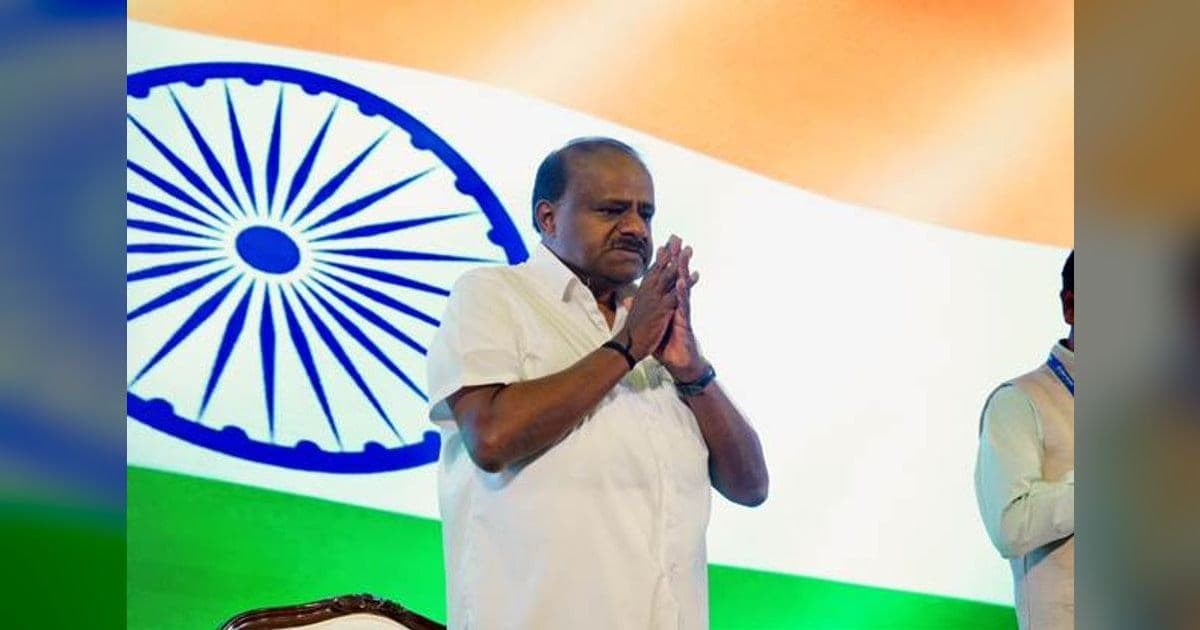
On 30 September 2026 the Union Minister for Heavy Industries and Steel, H. D. Kumaraswamy, unveiled the Impact Report of the MHI Industry Accelerator Project at Navigyaan 2026 in New Delhi, marking the conclusion of the project.
Union Minister for Heavy Industries and Steel H. D. Kumaraswamy released and digitally launched the Impact Report of the Ministry of Heavy Industries (MHI) Industry Accelerator Project at Navigyaan 2026 in New Delhi. The release marked the close of the Accelerator project, and the Minister also felicitated the members of the projects it backed.
What the Accelerator did
The Accelerator gave Rs 35.72 crore as grant-in-aid to ten technologies, with the aim of carrying each from Technology Readiness Level 3 to Level 9, that is, from an early laboratory idea to a product fit for the market. The technologies sit in areas of future mobility such as electric powertrains, high-voltage motor control and energy storage. The Minister said the important outcome was that prototypes had moved towards commercially viable products.
The parent scheme
The Accelerator is one initiative under the Scheme for Enhancement of Competitiveness in the Indian Capital Goods Sector, Phase II, which carries a total financial outlay of Rs 1,207 crore and supports common technology development and services infrastructure. Thirty-three projects have been approved under this scheme so far.
What the Minister said
Kumaraswamy argued that Atmanirbhar Bharat asks for more than a large domestic market for advanced technology: the country must develop, manufacture and export such technology itself. He described the roles as complementary, with government providing policy and targeted support, industry bringing market understanding and manufacturing capability, research institutions and academia contributing knowledge, and start-ups bringing agility. He singled out the Automotive Research Association of India (ARAI) for bridging the gap between developing a technology, validating it and getting industry to adopt it.
The longer goal
Looking to Viksit Bharat@2047, the Minister said the focus should be to educate, innovate, manufacture and integrate technologies within India and then take Indian technology to global markets. Self-reliance, he added, must go beyond replacing imports and build Indian intellectual property, resilient supply chains and skills.
Important Facts
| Report released | Impact Report of the MHI Industry Accelerator Project |
|---|---|
| Released by | H. D. Kumaraswamy, Union Minister for Heavy Industries and Steel |
| Event | Navigyaan 2026, New Delhi |
| Grant-in-aid | Rs 35.72 crore for ten technologies |
| Technology Readiness Level | From TRL-3 to TRL-9 |
| Parent scheme | Scheme for Enhancement of Competitiveness in the Indian Capital Goods Sector, Phase II |
| Scheme outlay | Rs 1,207 crore; 33 projects approved |
| Focus areas | Electric powertrains, high-voltage motor control, energy storage |
| Institution named | Automotive Research Association of India (ARAI) |
Exam Point of View
Remember the minister (H. D. Kumaraswamy) and his ministry (Heavy Industries and Steel), the event (Navigyaan 2026, New Delhi), the grant (Rs 35.72 crore), the number of technologies (ten) and the jump from TRL-3 to TRL-9, the parent scheme (Capital Goods Scheme Phase II) with its outlay of Rs 1,207 crore and 33 approved projects, and the target year of Viksit Bharat@2047.
Practice Questions
How much grant-in-aid did the MHI Industry Accelerator Programme provide for ten technologies?
- A.Rs 12.50 crore
- B.Rs 35.72 crore
- C.Rs 120 crore
- D.Rs 500 crore
Show answer
Correct answer: B. Rs 35.72 crore
Explanation
The correct answer is Rs 35.72 crore. The Accelerator Programme gave this amount as grant-in-aid for ten technologies, with the stated objective of moving them from Technology Readiness Level 3 to Level 9, that is, from an early laboratory stage to a product ready for the market. Options A, C and D are not the figure attached to the Accelerator. The larger number to keep separate in your mind is the outlay of the parent scheme, the Scheme for Enhancement of Competitiveness in the Indian Capital Goods Sector Phase II, which stands at a far higher level and supports common technology development and services infrastructure across many projects. Examination questions often pair these two figures as distractors, so link the smaller one to the Accelerator and the larger one to the capital goods scheme.
The MHI Industry Accelerator aimed to take supported technologies between which Technology Readiness Levels?
- A.TRL-1 to TRL-5
- B.TRL-2 to TRL-6
- C.TRL-3 to TRL-9
- D.TRL-5 to TRL-7
Show answer
Correct answer: C. TRL-3 to TRL-9
Explanation
The correct answer is TRL-3 to TRL-9. The objective of the grant-in-aid was to support the progression of ten technologies from Technology Readiness Level 3, an early stage where a concept has been proved in the laboratory, to Level 9, where a technology is proven in its operating environment and can be sold. The Minister described this in plain terms as a movement from early-stage prototypes towards commercially viable products, in fields such as electric powertrains, high-voltage motor control and energy storage. Options A, B and D describe shorter journeys that stop well short of a market-ready product, and none of them matches the stated design of the programme. The full span up to the highest level is what made the Accelerator notable.
Which research body was named as a bridge between technology development, validation and industry adoption?
- A.ARAI
- B.CSIR
- C.DRDO
- D.ICAR
Show answer
Correct answer: A. ARAI
Explanation
The correct answer is ARAI, the Automotive Research Association of India. Speaking at the event, H. D. Kumaraswamy underlined the role of institutions such as ARAI in bridging the gap between developing a technology, validating it and getting industry to adopt it, a role that fits naturally with the mobility focus of the supported technologies. Option B, CSIR, is the Council of Scientific and Industrial Research, a general scientific research network and not the body named here. Option C, DRDO, works on defence research and development. Option D, ICAR, is the apex body for agricultural research and education. The Minister also framed the ecosystem in terms of complementary roles for government, industry, academia and start-ups, with ARAI supplying the validation link.
Frequently Asked Questions
How much support did the MHI Industry Accelerator provide, and to how many technologies?
Rs 35.72 crore in grant-in-aid for ten technologies, with the aim of taking each from Technology Readiness Level 3 to Level 9, that is, from an early prototype to a commercially usable product.
Under which scheme does the MHI Industry Accelerator fall?
The Scheme for Enhancement of Competitiveness in the Indian Capital Goods Sector, Phase II. It has a total financial outlay of Rs 1,207 crore and 33 projects have been approved under it.
Where was the Impact Report released?
At Navigyaan 2026 in New Delhi, by Union Minister for Heavy Industries and Steel H. D. Kumaraswamy, who also felicitated the members of the supported projects.
Sources
Current Affairs 30 September 2026
- CAFE Norms 2027-32 Notified, Fuel Use to Fall 16.7 Per CentEnvironment
- UPSC Completes 100 Years of Merit-Based RecruitmentNational
- Second Naval Commanders Conference 2026 Opens in New DelhiDefence
- SBM 2.0: Rs 11,785 Crore Approved for Sewage Treatment PlantsEnvironment
- TRAI Releases Mobile Network Drive Test Findings for SonitpurScience & Technology
- Special Campaign 6 to Run from 2 to 31 October 2026National
Related Current Affairs
- Science & Technology
TRAI Releases Mobile Network Drive Test Findings for Sonitpur
30 September 2026 · 2 min read
- Science & Technology
UIDAI Launches Five Initiatives at Aadhaar Samvaad Kolkata
29 September 2026 · 2 min read
- Science & Technology
TDB Backs Indigenous Multi-Gas Sensor With Rs 37.51 Crore
29 September 2026 · 2 min read
- Science & Technology
Ashwagandha Extract Safe Over 24 Weeks in 1,200-Adult Trial
28 September 2026 · 2 min read
- Science & Technology
India-France Space Ties Widen to Gaganyaan, TRISHNA and Start-ups
28 September 2026 · 2 min read
- Science & Technology
PM E-DRIVE: GARC Gets Rs 221.13 Crore for EV Testing
28 September 2026 · 2 min read
Related GK
- Punjab GK: Formation, Rivers, History and Exam Facts
30 September 2026 · Indian States & UTs
- Indian Defence Forces and Missiles: Static GK and PYQs
30 September 2026 · Static GK
- Biotechnology in Agriculture and Health: Notes and PYQs
30 September 2026 · Science & Technology
Take the Quiz
- Current Affairs Quiz
State Exams Current Affairs Quiz: 30 September 2026
19 questions19 minutesStart Quiz