
India's Bio-Economy to Hit 300 Billion Dollars by 2030
India's bio-economy is set to touch 300 billion dollars by 2030, Dr. Jitendra Singh said, with biotech startups up from 50-60 in 2014 to over 11,000.
Why in News
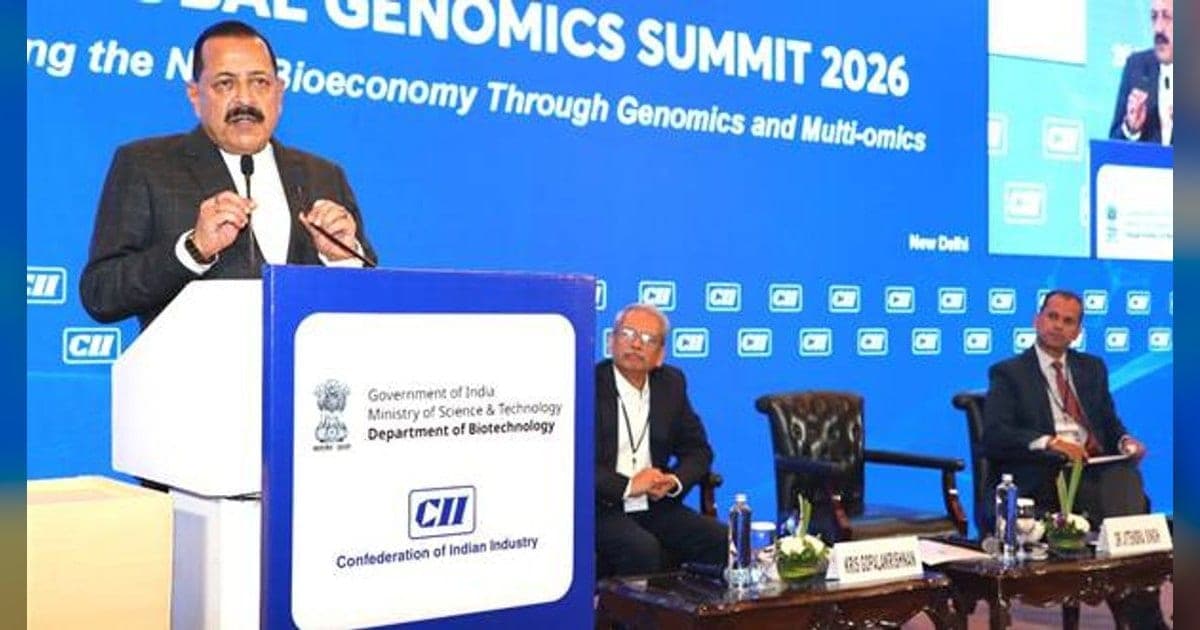
At the CII Global Genomics Summit 2026 in New Delhi on 25 November 2026, Union Minister Dr. Jitendra Singh said India's bio-economy is set to reach 300 billion dollars by 2030, having grown from about 10 billion dollars to nearly 195 billion dollars, while biotech startups rose from 50-60 in 2014 to over 11,000.
Union Minister Dr. Jitendra Singh said on 25 November 2026 that India's bio-economy is on course to reach 300 billion dollars by 2030, and that biotechnology is poised to drive the next industrial revolution the way information technology drove the last one. He was speaking at the CII Global Genomics Summit 2026 in New Delhi, held on the theme 'Powering the Next Bioeconomy Through Genomics and Multi-omics'.
How far the sector has come
The minister traced the growth of the biotechnology startup base, which stood at only 50-60 firms in 2014 and now numbers more than 11,000. Over the same stretch the bio-economy widened from roughly 10 billion dollars to close to 195 billion dollars. He credited policy support, including the BioE3 Policy, whose name stands for Biotechnology for Economy, Environment and Employment, and the setting up of bio-foundries meant to help research groups, startups and industry turn laboratory findings into saleable products.
Genomics and the Genome India Project
Dr. Singh argued that the coming together of DNA sequencing, computational biology, artificial intelligence and the various omics disciplines, among them metabolomics, transcriptomics and proteomics, will change how complex diseases are understood and allow treatment tailored to the individual. He pointed to the Genome India Project, under which whole-genome sequencing has been completed for 10,000 individuals drawn from 80 different population groups, and called the country's genetic diversity a global asset for research.
Proof already on record
The minister cited India's DNA vaccine against COVID-19, supplied to 30 countries, as evidence that Indian biotechnology products are winning acceptance abroad. He also named work on HPV vaccines, research into haemophilia treatment and the low-cost CAR-T cell therapy for cancer developed at the Tata Memorial Centre.
What industry was asked for
Dr. Singh urged the private sector to raise spending on research and to build partnerships with government institutions and startups, pointing to the Research, Development and Innovation Scheme worth 1 lakh crore rupees. He asked business leaders to route corporate social responsibility money into scientific work on cancer, diabetes and other health problems. On regulation, he said the government is working with the Ministry of Health and Family Welfare and the Indian Council of Medical Research to simplify procedures and remove overlapping requirements, and he described mindset rather than money as the biggest obstacle to India becoming a genomics power. He closed by linking the effort to Atmanirbhar Bharat and Viksit Bharat 2047.
Important Facts
| Occasion | CII Global Genomics Summit 2026, New Delhi |
|---|---|
| Theme | Powering the Next Bioeconomy Through Genomics and Multi-omics |
| Speaker | Dr. Jitendra Singh, Union Minister for Science and Technology |
| Bio-economy target | 300 billion dollars by 2030 |
| Bio-economy now | Nearly 195 billion dollars, up from about 10 billion dollars |
| Biotech startups | From 50-60 in 2014 to more than 11,000 |
| Genome India Project | Whole-genome sequencing of 10,000 individuals from 80 population groups |
| BioE3 Policy | Biotechnology for Economy, Environment and Employment |
| RDI Scheme | Research, Development and Innovation Scheme worth 1 lakh crore rupees |
| DNA vaccine | India's COVID-19 DNA vaccine was supplied to 30 countries |
Exam Point of View
Hold on to the four growth figures: a bio-economy target of 300 billion dollars by 2030, present size near 195 billion dollars, the earlier base of about 10 billion dollars, and startups up from 50-60 in 2014 to more than 11,000. Also remember the summit (CII Global Genomics Summit 2026) and its theme, the Genome India Project count of 10,000 genomes from 80 population groups, the full form of BioE3, the 1 lakh crore rupee RDI Scheme and the DNA vaccine supplied to 30 countries.
Practice Questions
What figure has been set as the target for India's bio-economy by 2030?
- A.150 billion dollars
- B.195 billion dollars
- C.300 billion dollars
- D.500 billion dollars
Show answer
Dr. Jitendra Singh said India's bio-economy is set to reach that size by 2030, and he placed the claim against the sector's record of growth so far.
Read the full explanation →Under the Genome India Project, whole-genome sequencing has been completed for how many individuals?
- A.5,000 individuals
- B.10,000 individuals
- C.20,000 individuals
- D.50,000 individuals
Show answer
Dr. Jitendra Singh said the Genome India Project has already sequenced the whole genomes of 10,000 individuals, and that these people were drawn from 80 different population groups, which is what gives the dataset its value for research into complex diseases.
Read the full explanation →The BioE3 Policy mentioned by Dr. Jitendra Singh stands for biotechnology for which three things?
- A.Economy, Education and Employment
- B.Energy, Environment and Export
- C.Economy, Environment and Employment
- D.Enterprise, Environment and Energy
Show answer
The BioE3 Policy, whose three E words are economy, environment and employment, was introduced to speed up growth led by biotechnology, and bio-foundries are being set up under it so that research groups, startups and industry can convert discoveries into commercially viable products.
Read the full explanation →Frequently Asked Questions
What is the target for India's bio-economy by 2030?
300 billion dollars. Dr. Jitendra Singh said the bio-economy has already grown from about 10 billion dollars to nearly 195 billion dollars, which puts the 2030 target within reach.
What was the theme of the CII Global Genomics Summit 2026?
'Powering the Next Bioeconomy Through Genomics and Multi-omics'. The summit was held in New Delhi and was addressed by Union Minister Dr. Jitendra Singh on 25 November 2026.
What does BioE3 stand for?
Biotechnology for Economy, Environment and Employment. The policy is meant to speed up biotechnology-led growth, and bio-foundries are being built under it to help research groups and startups turn discoveries into products.
How many genomes have been sequenced under the Genome India Project?
Whole-genome sequencing has been completed for 10,000 individuals, drawn from 80 different population groups, creating a base for future research.
Sources
- https://www.pib.gov.in/PressReleasePage.aspx?PRID=2341178 (opens in a new tab) — Press Information Bureau
Current Affairs 25 November 2026
- Kashi Tamil Sangamam 5.0 Set for 28 November to 12 DecemberSummits & Conferences
- National Milk Day: India's Milk Output at 247.87 Million TonnesImportant Days
- Service Producer Price Index Out for Q2 of FY 2026-27Economy
- Cabinet Clears Rs 11,000 Crore CIE Manufacturing SchemeGovernment Schemes
- CCEA Clears Rs 2,014 Crore Doloo Greenfield Airport in AssamNational
- CCEA Clears Second Container Terminal at Kamarajar PortEconomy
- Exercise Suryakiran XX Begins in Nepal with 334 Indian TroopsDefence
- Cabinet Extends Postal Operations Scheme, Rs 1,141 CroreGovernment Schemes
Related Current Affairs
- Science & Technology
IASST Develops First North-East Specific Pit Viper Antivenom
25 November 2026 · 2 min read
- Science & Technology
Telecom Startups and MSME Conclave 2026 Held at Bharat Mandapam
24 November 2026 · 2 min read
- Science & Technology
India's Space Economy Set to Grow to USD 40-45 Billion
24 November 2026 · 2 min read
- Science & Technology
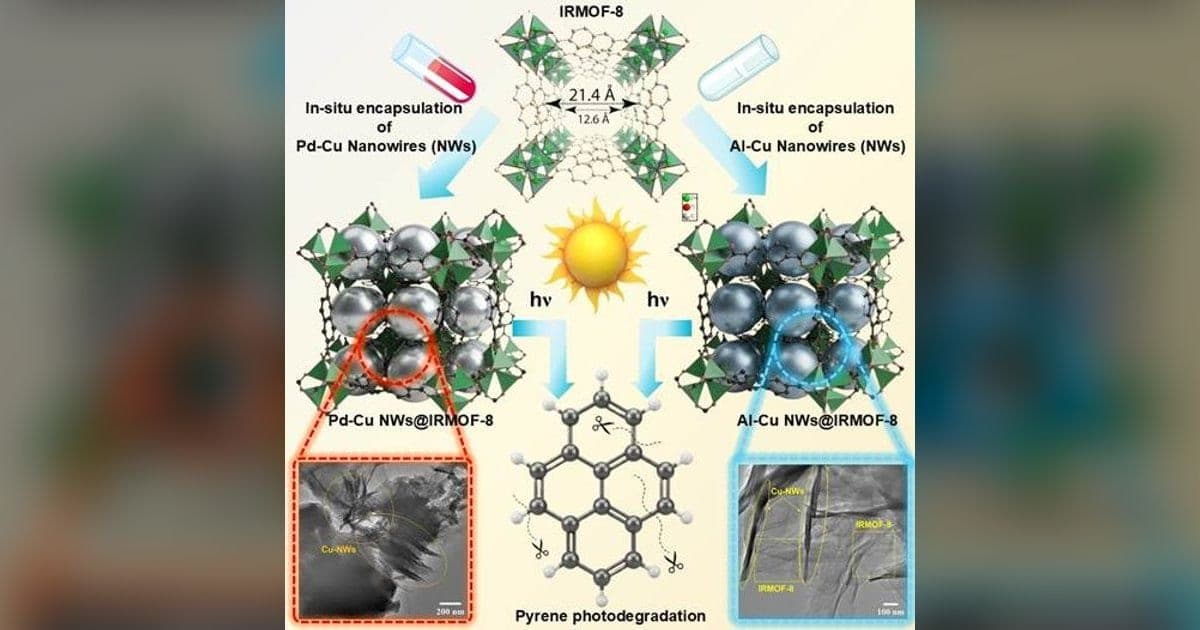
IASST Guwahati Builds MOF Material That Destroys Pyrene
23 November 2026 · 2 min read
- Science & Technology
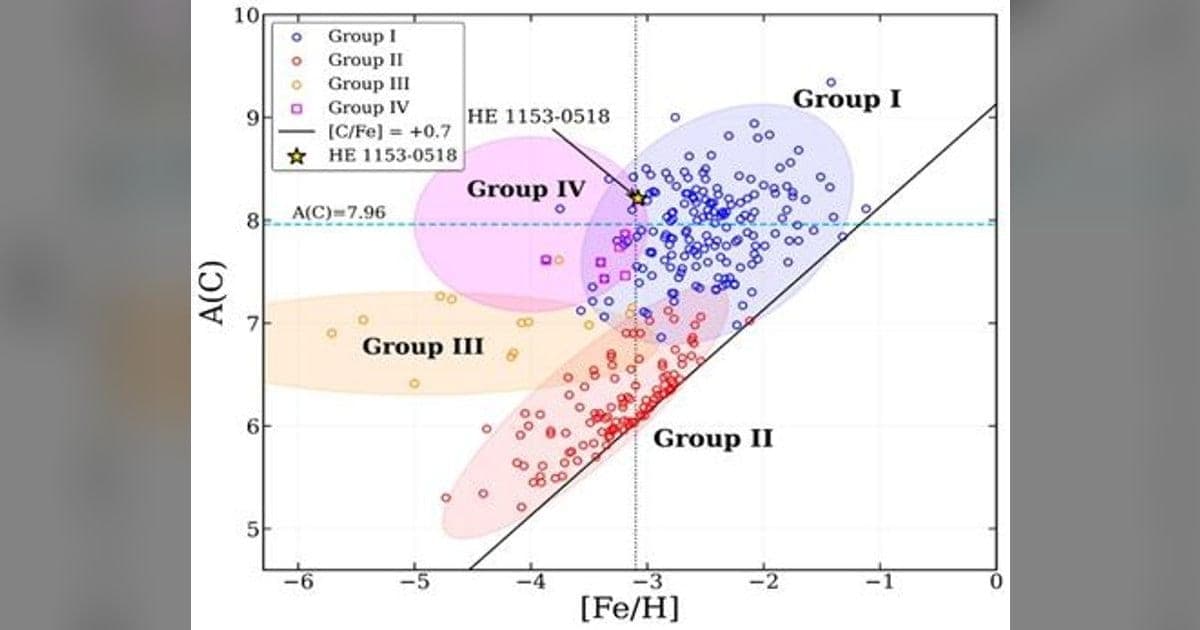
IIA Bengaluru Team Finds Rare Stellar Fossil HE 1153-0518
23 November 2026 · 2 min read
- Science & Technology
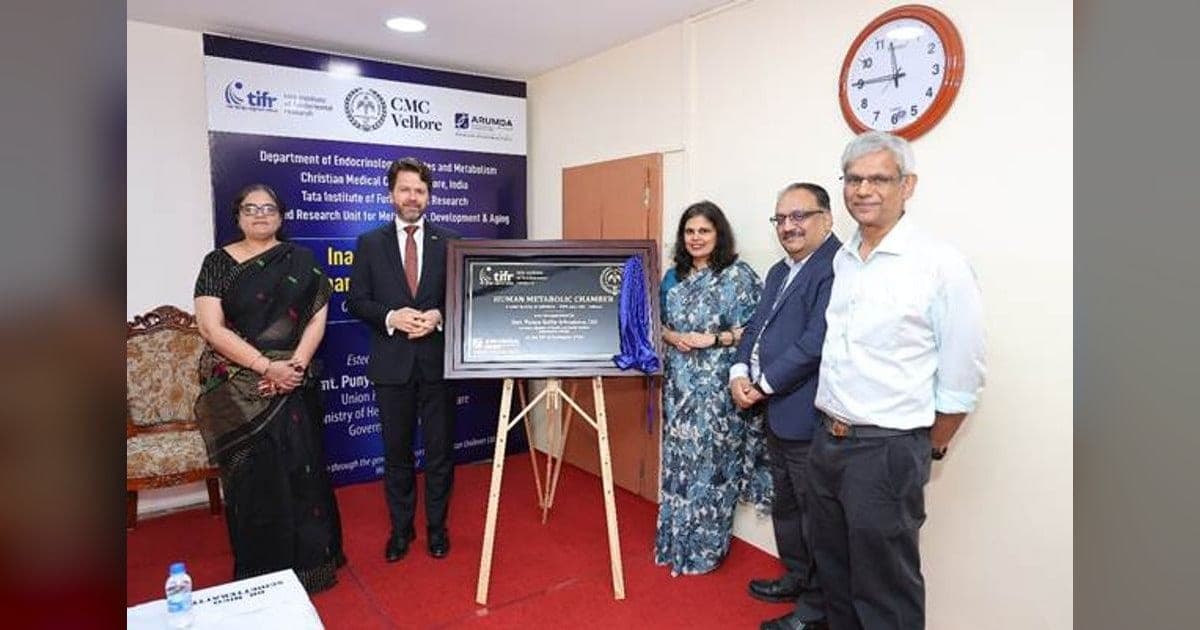
India’s First Human Metabolic Chamber Opens at CMC Vellore
23 November 2026 · 2 min read
Related GK
- Famous Personalities of Rajasthan: Exam Notes
28 October 2026 · Rajasthan
- Districts and Divisions of Rajasthan: Exam Notes
28 October 2026 · Rajasthan
- Tourism and World Heritage Sites of Rajasthan Notes
27 October 2026 · Rajasthan
Take the Quiz
- Current Affairs Quiz
State Exams Current Affairs Quiz: 25 November 2026
25 questions25 minutesStart Quiz