
EPFO Board Approves Systematic Withdrawal Plan for EPF Members
The 240th EPFO Central Board of Trustees meeting approved a Systematic Withdrawal Plan and cut the minimum PF balance rule from 25 per cent to 10 per cent.
Why in News
On 19 November 2026 the Central Board of Trustees of the Employees’ Provident Fund held its 240th meeting in New Delhi and approved a Systematic Withdrawal Plan along with easier provident fund withdrawal rules.
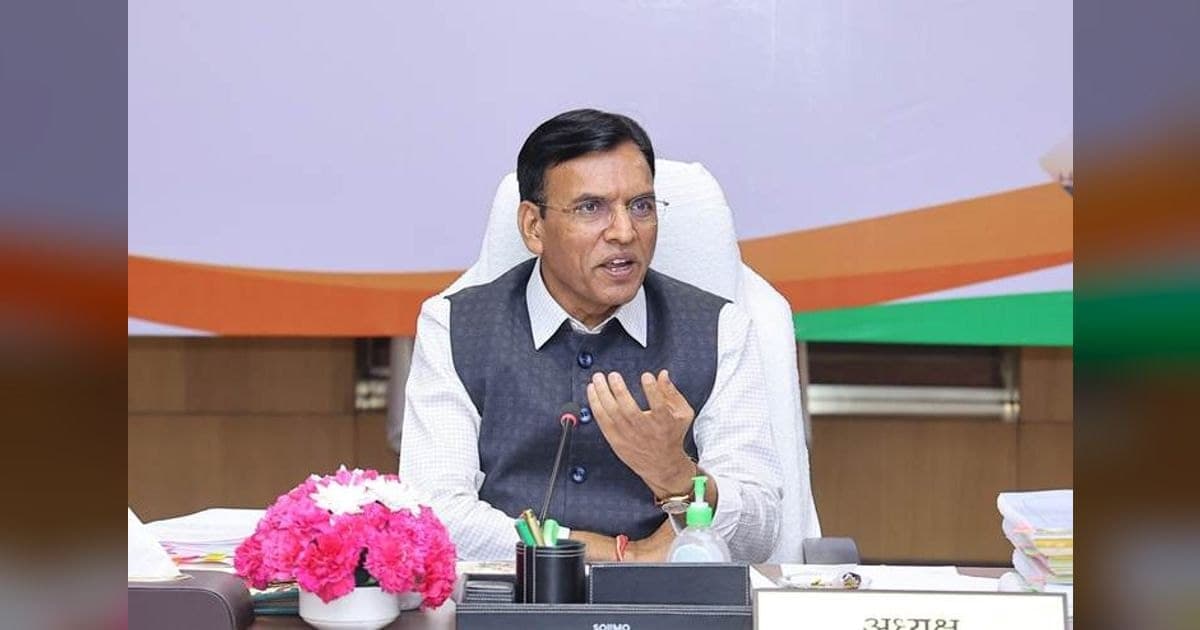
The highest policy body of the Employees’ Provident Fund Organisation met in New Delhi for its 240th sitting, with Union Minister for Labour and Employment Dr Mansukh Mandaviya presiding. He also holds the Youth Affairs and Sports portfolio. Dr Chandra Bhushan Kumar, Secretary of the Labour and Employment Ministry, attended as Co-Vice-Chairperson, and Central Provident Fund Commissioner Shri Ramesh Krishnamurthi served as Member Secretary. Nominees of the Centre, the States, employers and workers also sat on the Board.
Systematic Withdrawal Plan
The Board cleared a scheme that lets a retiring subscriber draw the accumulated corpus in instalments instead of taking it out in a single payment. A member may choose a monthly, quarterly or half-yearly payout, while the untouched balance keeps earning a return. Opting in is voluntary, and the facility can be extended to eligible family members or beneficiaries. Where a member dies during the payout period, the nominee or dependant may either take the balance or carry on with the instalments. Around 6.32 lakh subscribers who are above 55 years of age and hold more than Rs 5 lakh in their accounts are expected to gain first. The proposal also opens UAN-linked routes for direct voluntary deposits and small third-party contributions such as customer tips, outside the employer payroll. A matching change in the Income Tax Act is being pursued with the Finance Ministry.
Easier withdrawal rules
Until now a member had to keep 25 per cent of contributions locked as a minimum balance. That floor has been brought down to 10 per cent, and the waiting period for a final settlement has been shortened from 12 months to just 2 months.
Other agenda items
| EDLI exemption relief | Six-month renewal window, relief from contributions, interest and penal damages |
| Alternative Investment Funds | In-principle nod for up to 3 per cent of fresh accretion |
| Exemption surrender | 27 establishments surrendering and 4 cancelled, moving about Rs 5,996 crore and 1,44,437 members to EPFO |
| Budget | Revised estimates for 2026-27 and budget estimates for 2027-28 cleared |
The Board was briefed on CITES 2.0, the centralised UAN-based platform built by C-DAC. Auto-settlement of claims has climbed from 39 per cent to 71 per cent, the rejection ratio has fallen from 23 per cent to 7.82 per cent, and average settlement time has dropped from 11.15 days to 2.57 days. Earlier reforms recalled at the meeting include raising the wage ceiling for compulsory coverage from Rs 15,000 to Rs 25,000.
Important Facts
| Body | Central Board of Trustees, Employees’ Provident Fund (EPFO) |
|---|---|
| Meeting | 240th meeting, held in New Delhi |
| Chairperson | Dr Mansukh Mandaviya, Union Minister for Labour and Employment |
| Member Secretary | Shri Ramesh Krishnamurthi, Central Provident Fund Commissioner |
| New facility | Systematic Withdrawal Plan (SWP) with monthly, quarterly or half-yearly payouts |
| Minimum balance | Reduced from 25 per cent of contributions to 10 per cent |
| Waiting period | Cut from 12 months to 2 months for final withdrawal |
| AIF investment | Up to 3 per cent of fresh accretion, in-principle approval |
| Exemption cases | Rs 5,996 crore and 1,44,437 members moving to EPFO administration |
Exam Point of View
Remember the meeting number (240th), the chairperson (Dr Mansukh Mandaviya), the new Systematic Withdrawal Plan, the minimum balance change (25 per cent to 10 per cent), the waiting period change (12 months to 2 months), the AIF ceiling of 3 per cent and the CITES 2.0 figures.
Practice Questions
Which meeting of the EPFO Central Board of Trustees approved the Systematic Withdrawal Plan?
- A.The 220th meeting
- B.The 235th meeting
- C.The 240th meeting
- D.The 250th meeting
Show answer
The Central Board of Trustees of the Employees’ Provident Fund held its 240th sitting in New Delhi, chaired by Dr Mansukh Mandaviya, the Union Minister for Labour and Employment, and it was at this sitting that the Systematic Withdrawal Plan was cleared along with the relaxation in withdrawal rules and…
Read the full explanation →The minimum balance that an EPF member must retain has been changed to which level?
- A.From 25 per cent to 10 per cent
- B.From 30 per cent to 15 per cent
- C.From 20 per cent to 5 per cent
- D.From 25 per cent to 20 per cent
Show answer
Earlier a member had to keep one-fourth of the contributions in the account at all times as a minimum balance, and the Board has now brought that requirement down to a tenth, giving subscribers more freedom to use their own savings while still protecting a core amount for long-term social…
Read the full explanation →Which organisation developed the centralised UAN-based platform CITES 2.0 for EPFO?
- A.NIC
- B.C-DAC
- C.ISRO
- D.TCS
Show answer
The Board was briefed that CITES 2.0, a centralised information technology enabled system built around the Universal Account Number, was developed by C-DAC to modernise the delivery of EPFO services.
Read the full explanation →Up to what share of fresh accretion did the EPFO Board allow investment in Alternative Investment Funds?
- A.1 per cent
- B.3 per cent
- C.5 per cent
- D.10 per cent
Show answer
The Board gave in-principle approval to invest up to this share of fresh accretion in eligible Alternative Investment Funds, staying within the existing overall investment ceiling and beginning through government-backed entities, so that the portfolio is diversified while prescribed safeguards and oversight remain in place.
Read the full explanation →Frequently Asked Questions
What is the Systematic Withdrawal Plan approved by the EPFO Board?
It is a voluntary facility that lets retiring EPF members receive their accumulated provident fund savings in periodic instalments — monthly, quarterly or half-yearly — instead of withdrawing the whole amount at once. The remaining corpus keeps earning returns, and about 6.32 lakh members above 55 years holding more than Rs 5 lakh are expected to benefit first.
How have the EPF withdrawal rules been relaxed?
The minimum balance a member must keep has been reduced from 25 per cent of contributions to 10 per cent, and the waiting period before a final withdrawal has been brought down from 12 months to 2 months.
What gains were reported from CITES 2.0?
Auto-processing of claims rose from 39 per cent to 71 per cent, the rejection ratio dropped from 23 per cent to 7.82 per cent, and the average claim settlement time fell from 11.15 days to 2.57 days. The platform was developed by C-DAC on a centralised UAN-based design.
Sources
- https://www.pib.gov.in/PressReleasePage.aspx?PRID=2338667 (opens in a new tab) — Press Information Bureau
- https://www.pib.gov.in/PressReleasePage.aspx?PRID=2338531 (opens in a new tab) — Press Information Bureau
Current Affairs 19 November 2026
- Antimicrobials to Be Treated as New Drugs Under NDCT RulesNational
- Separate Wholesale Licence Proposed for Bulk Drugs in IndiaNational
- SVANidhi Samman Awards 2026 to Honour Street Vendor WorkGovernment Schemes
- CSIR Transfers Bio-Bitumen and UHPC Road Technologies to IndustryScience & Technology
- CMOT Brings 100 Young Film Talents to 57th IFFI in GoaNational
- CSIR-TKDL and IKS Division Sign MoU on Traditional KnowledgeNational
- BHASHINI Shows Voice-First Language AI at Dakshin Day 2026Science & Technology
- IAF Signs MoU With Central Sanskrit University for Yoga CoursesDefence
Related Current Affairs
- Economy
Gwalior Telecom Manufacturing Zone Gets Letters of Intent for 25 Firms
19 November 2026 · 2 min read
Related GK
- Famous Personalities of Rajasthan: Exam Notes
28 October 2026 · Rajasthan
- Districts and Divisions of Rajasthan: Exam Notes
28 October 2026 · Rajasthan
- Tourism and World Heritage Sites of Rajasthan Notes
27 October 2026 · Rajasthan
Take the Quiz
- Current Affairs Quiz
State Exams Current Affairs Quiz: 19 November 2026
25 questions25 minutesStart Quiz